DbcultAccessing Vault...
6.9/10
Senior Film Conservator
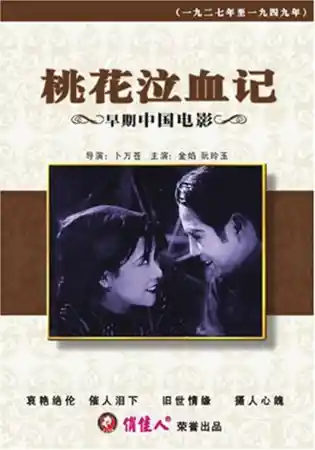
A definitive 6.9/10 rating for a film that redefined the boundaries of cult cinema. The Peach Girl remains a cornerstone of transgressive art.
You should absolutely watch this if you have any soul left in your body. It is perfect for a rainy Sunday when you want to feel something heavy but beautiful. If you hate silent movies or get annoyed by slow pacing, you will probably want to turn it off after ten minutes.
But man, you'd be missing out on something special. This isn't just some dusty museum piece from 1931. It feels alive in a way that’s hard to explain.
The story is pretty simple, honestly. Lingyu Ruan plays Lingyu (yeah, they used her name), a girl whose family works for a rich landowner. She falls for the landowner's son, King-sing. It’s that classic "rich boy, poor girl" setup that we’ve seen a thousand times, but it feels fresh here because of the setting.
I found myself staring at the background details more than the actors sometimes. The way the sunlight hits the peach blossoms is just... wow. Even in black and white, you can almost smell the trees. It’s got a much more natural vibe than something like The Sideshow which feels way more like a staged set.
Ruan Lingyu is the main reason to stay. Her face does more work in one close-up than most actors do with ten pages of dialogue. She has this way of looking utterly devastated while also trying to smile for her baby. It’s brutal to watch, really.
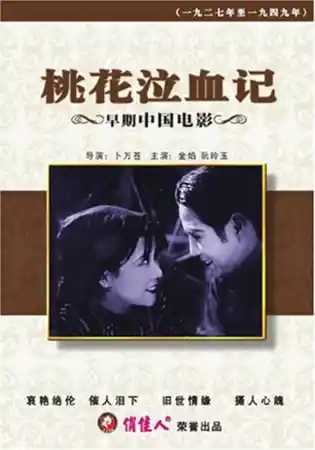
The guy playing the son, Jin Yan, is fine, I guess. He’s very handsome and has that "Emperor of Cinema" look everyone talks about. But he’s a bit of a pushover. His character just lets his mom ruin everything. Moms in these movies are always so mean! Seriously, the landowner's wife is basically a villain from a fairy tale.
The middle part of the movie is where it gets really heavy. They get separated, and she ends up having a kid alone. There’s this one scene where she’s just sitting there with the baby, and the room looks so cold and empty. It reminded me a bit of the lonely atmosphere in The Dawn of Love, but much more grounded in reality.
It’s not all depressing, though. The early scenes of them flirting by the tree are actually pretty cute. They have this innocent energy that feels genuine. You can tell they actually liked each other on set.
One thing that bugged me was the intertitles. Sometimes they stay on screen for like, way too long. I finished reading it in three seconds and then I’m just sitting there waiting for the movie to start again. It breaks the rhythm a bit.
Also, the music in the version I saw was a bit hit or miss. Silent films always depend on what score someone slapped on them later. This one had some traditional Chinese instruments that fit well, but then it would get really loud during a scene that was supposed to be quiet. It’s a minor gripe, but it’s there.
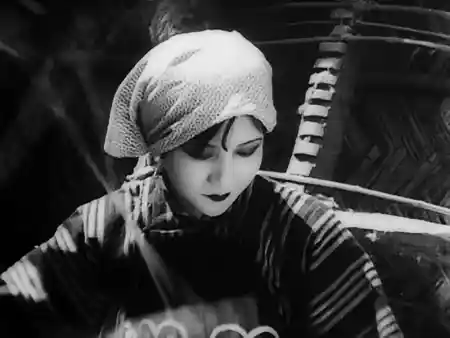
I think the movie is actually trying to say something about how class destroys people. The landowner’s son wants to be a good guy, but he’s too scared of losing his money and status. It’s a bit like the themes you see in The Highest Bid, where money just poisons everything it touches.
There is a scene near the end where she’s walking through the fields and she looks so small compared to the landscape. The cinematography is really smart about making her feel isolated. It’s not just about the plot; it’s about the visuals telling you how she’s being crushed by the world.
I noticed a weird continuity error where a fence seems to disappear between shots. Or maybe I just blinked and missed something. It doesn't really matter, it just made me chuckle for a second in the middle of a sad part. Oops.
The acting style is definitely "big." Since there’s no sound, they have to use their whole bodies to show they are angry or sad. Some people find that annoying, but I think it’s cool. It’s like watching a dance. It’s much more expressive than the stiff acting in Polly.
Maybe. It drags a little bit toward the end. I felt like the "will they or won't they" drama could have been resolved about fifteen minutes earlier. But then we wouldn't get those extra shots of Ruan Lingyu crying, and honestly, I’m okay with more of those. She’s just that good.
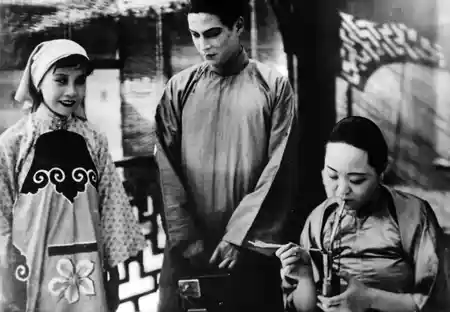
If you’ve seen Mata Hari, you know how a big star can carry a whole film just by being on screen. Ruan Lingyu has that same magnetic power. You can't look away from her even when the plot gets a bit repetitive.
The ending is... well, I won't spoil it. But have some tissues ready. It doesn't pull its punches. It’s not one of those movies that pretends everything is going to be fine just because people are nice. The world is cruel, and this movie knows it.
I think I liked the peasant family characters more than the rich ones. They felt more real. The way they interact in their small house feels cluttered and lived-in. It’s a nice contrast to the big, empty halls of the landowner’s place.
So yeah, go watch it. It’s on some of those free archive sites or YouTube usually. It’s a piece of history, but it also just feels like a really good, sad story about two people who weren't allowed to be together. Sometimes that’s all you need for a movie to work.
One last thing—the way they use the peach tree as a symbol is a bit heavy-handed. Like, we get it, it’s the title. But it’s still a pretty image so I'll give them a pass. 🍑
IMDb —
1914
Community
Log in to comment.