DbcultAccessing Vault...
4.1/10
Senior Film Conservator
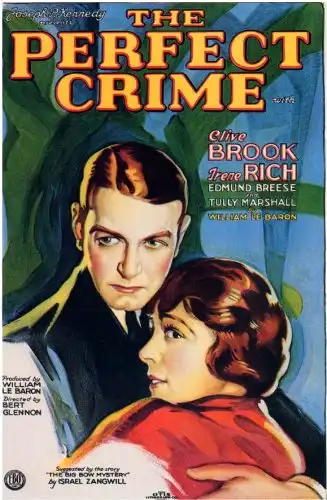
A definitive 4.1/10 rating for a film that redefined the boundaries of cult cinema. The Perfect Crime remains a cornerstone of transgressive art.
Okay, so "The Perfect Crime" from 1928. Is it worth watching today? Probably, but only if you're really into digging through the archives for something a little different, or if you have a genuine soft spot for silent-era mysteries. If you're looking for slick storytelling or anything resembling modern pacing, you'll probably hate it. This one is for the patient and the curious, the kind of person who enjoys picking apart how films tried to tell stories almost a century ago.
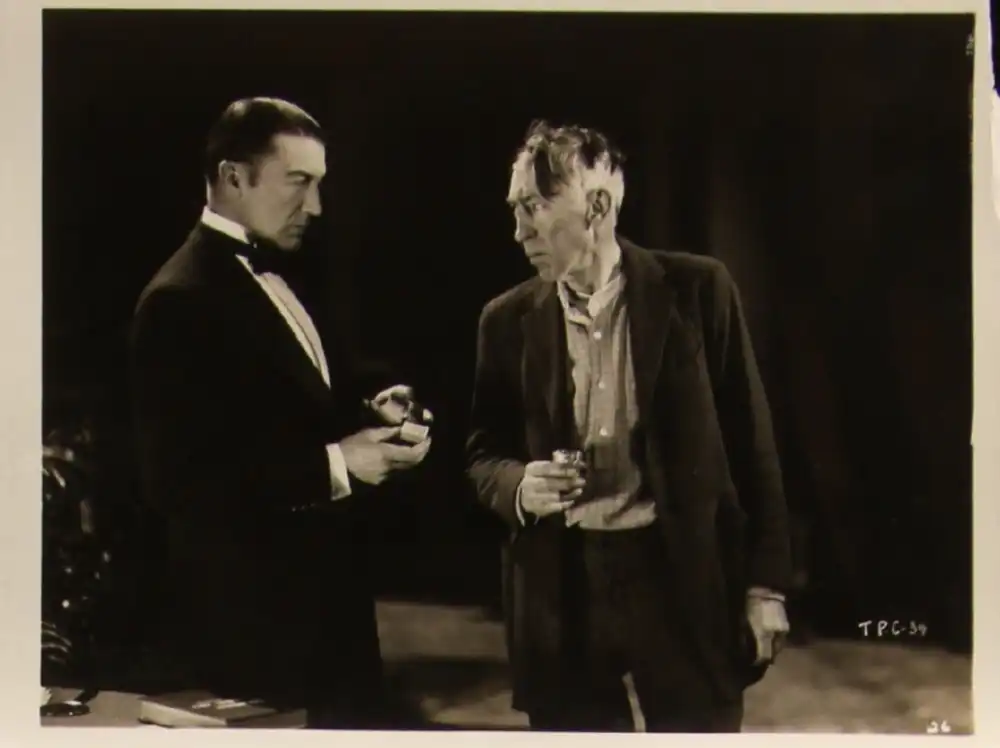
The premise itself is great: Inspector Hanley, played by Lynne Overman, has to solve a murder that, well, might not have happened. It’s got that classic locked-room vibe initially, but then it just… doesn’t. The film immediately sets up this wealthy, eccentric old man, Mr. Hanley (no relation to the inspector, confusingly), who’s found dead. Or is he? The ambiguity is supposed to be the hook, and for the most part, it works, even if the execution gets a bit clunky.
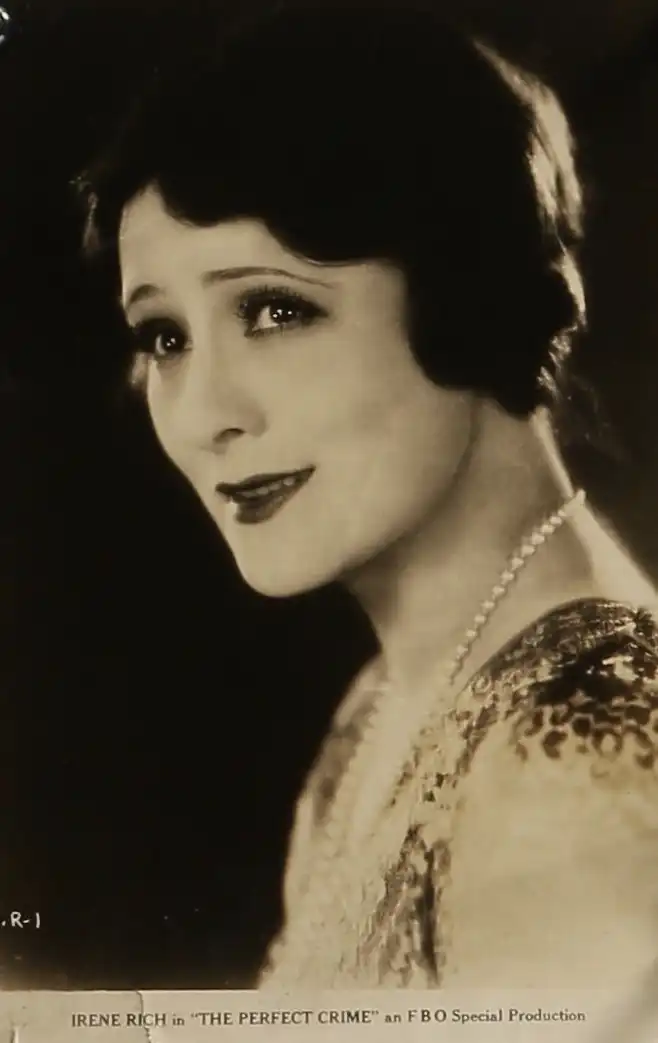
Lynne Overman as Inspector Hanley has this really interesting screen presence. He’s not exactly a dynamic lead, but he’s got a good, solid 'thinking man' face. You see him mulling things over. Sometimes, though, the mulling goes on a bit long. There’s a scene where he’s just staring at a chessboard, and it feels like the director really wants you to understand how deeply he’s thinking, but it just becomes a prolonged shot of a guy looking at wood pieces. Maybe that’s the point, the quiet contemplation of a mind at work, but it really tests your patience.
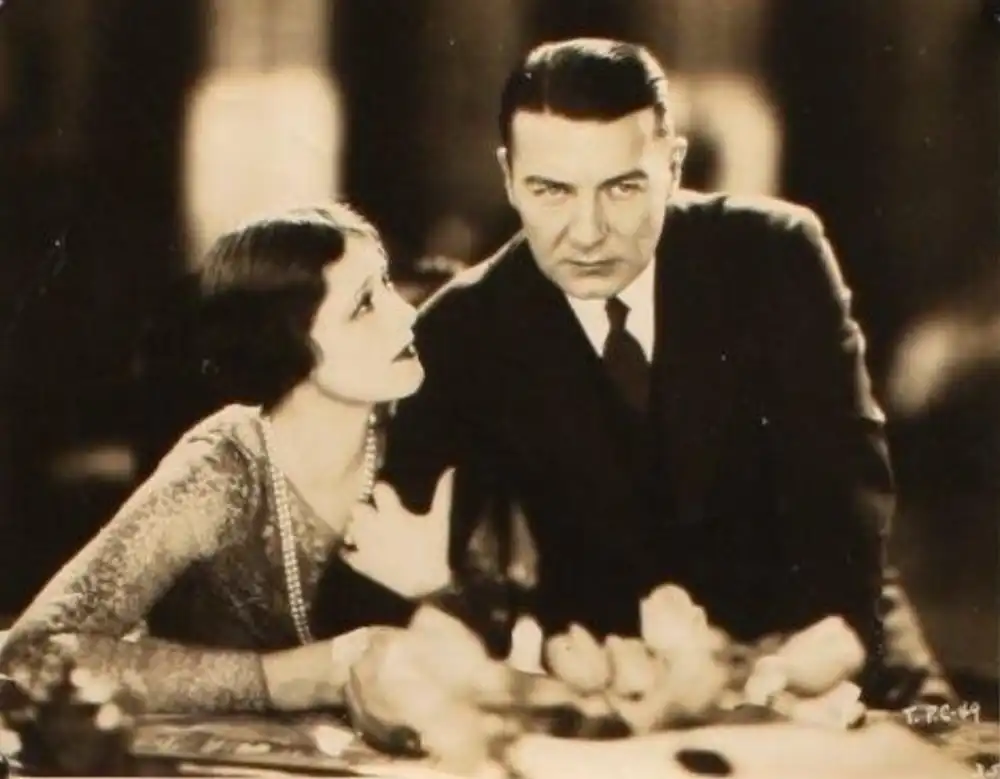
The pacing is… a thing. It’s very much a film of its time, which means long takes, deliberate movements, and intertitles that do a lot of heavy lifting. Some of these intertitles are genuinely witty, pushing the story along with a playful nudge. Others just state the obvious in a way that feels like padding. There are stretches where you could probably grab a snack and not miss a single beat of plot development. Then suddenly, it's like someone remembered they had a story to tell, and a flurry of new information or a dramatic reaction shot pops up.
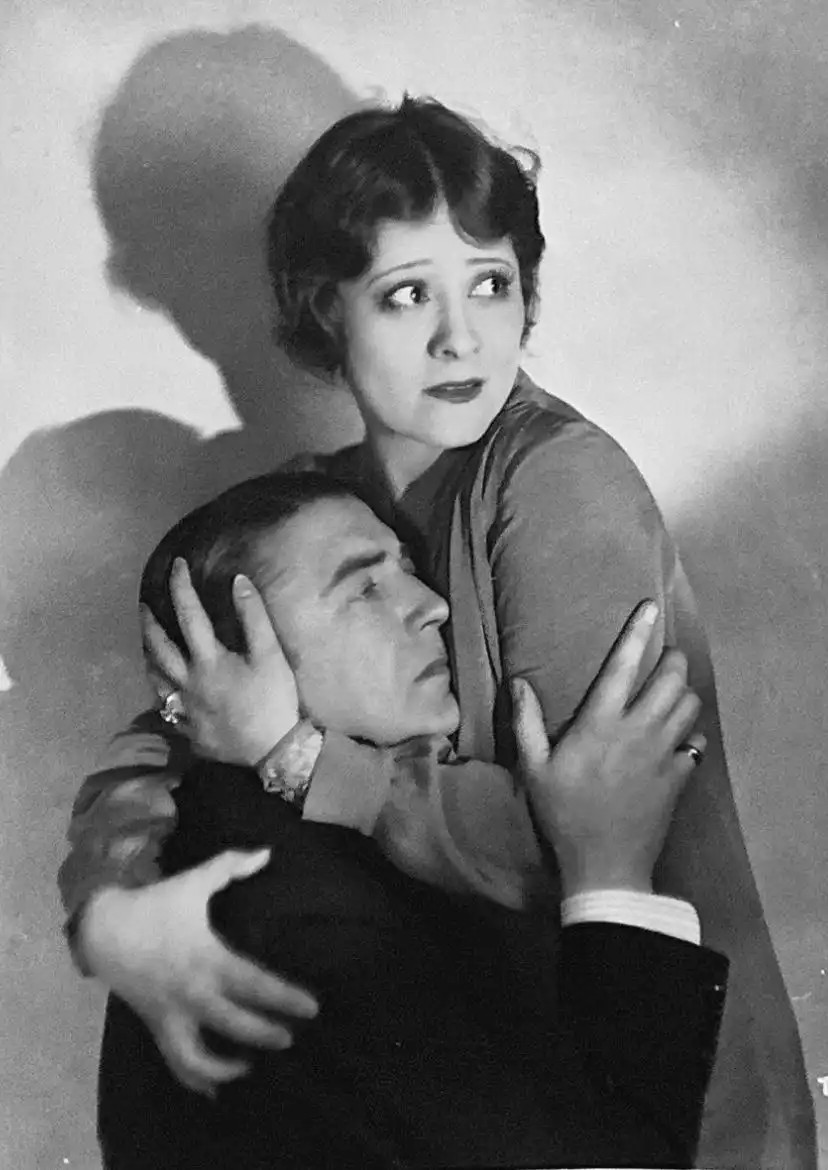
One thing that really got me was the set design for the old man’s house. It’s all heavy wood, dark corners, and just feels *stuffy*. You can almost smell the dust. And the costumes follow suit – everyone looks very formal, very much of the late 1920s upper crust. There’s a moment with Ethel Wales as the housekeeper, Martha, where her dress looks almost too stiff, like she’s wearing a suit of armor designed for vacuuming. It adds to the slightly suffocating atmosphere of the house, which I guess is intentional. It makes you want to get out, even if the mystery is pulling you in.
The supporting cast has some moments that feel a bit theatrical, even for the period. Jane La Verne, who plays the young girl, Betty, is particularly prone to exaggerated gestures. When she’s upset, it’s not just a frown; it’s a whole body experience of woe. This isn't necessarily a criticism, more an observation on the acting conventions of the era. It’s a different kind of performance, less internal, more outward. You don’t have to wonder what she’s feeling.
There's a sequence where Hanley is interviewing various suspects or witnesses, and the cuts between their faces are often quite abrupt. One person is mid-sentence in an intertitle, and then BAM, you’re on another face reacting. It gives it a slightly disjointed feel, like a rapid-fire interrogation, even though the actual questions and answers are delivered at a leisurely pace. It’s a strange contrast.
The film does a decent job of keeping the central question alive: did anyone actually die? Or is this all some elaborate prank, or a misunderstanding? The inspector’s growing frustration with the lack of a clear crime is palpable. He’s a man of logic trying to apply logic to a situation that keeps defying it. You can almost feel the movie trying to convince you this moment matters, that his internal struggle is key.
Ultimately, The Perfect Crime isn’t perfect, not by a long shot. It drags in places, and some of the acting feels a little broad to modern eyes. But it’s got this strange, compelling core idea. It’s a detective story where the biggest mystery isn’t who, but what. And for that alone, it’s worth a look if you’re ever in the mood for a quiet, historical puzzle. Just be prepared to settle in; it’s not going to rush anything for you.
IMDb —
1916
Community
Log in to comment.