DbcultAccessing Vault...
5.7/10
Senior Film Conservator
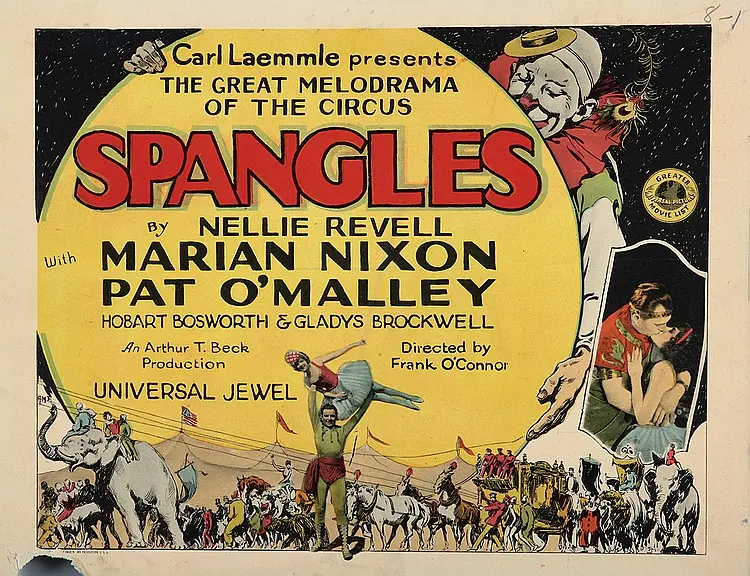
A definitive 5.7/10 rating for a film that redefined the boundaries of cult cinema. Spangles remains a cornerstone of transgressive art.
Is Spangles worth your time in the modern era? Short answer: yes, but only if you appreciate the raw, unpolished texture of silent-era melodrama over modern digital sheen. This film is for the preservationist who wants to see the circus before it became a sanitized corporate cliché; it is not for the viewer who requires rapid-fire editing or complex dialogue to stay engaged.
The film holds a unique place in 1926 cinema, blending the whimsicality of the Big Top with the high-stakes tension of a crime drama. It doesn't just show the circus; it feels like it smells of hay, sweat, and cheap greasepaint. While many films of this era relied on slapstick, Spangles leans into the emotional weight of its characters.
Does Spangles still deliver an emotional punch? Yes. It provides a rare, unvarnished look at the traveling circus culture of the 1920s, avoiding the polished artifice of later studio spectacles. The film works because of its grounded performances and its refusal to treat its characters as mere caricatures.
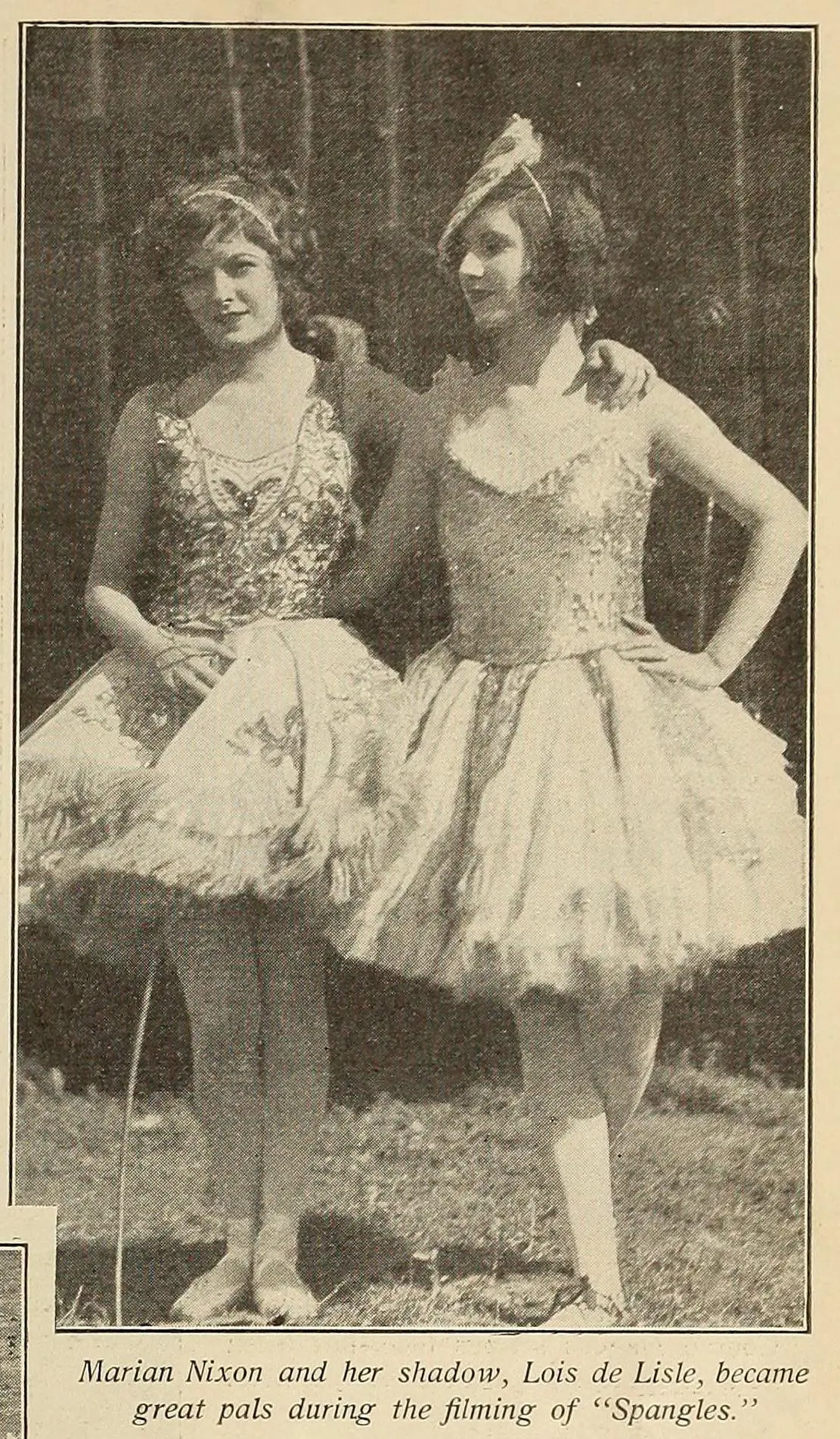
1) This film works because of Marian Nixon’s physical performance, which captures both the athleticism of a rider and the vulnerability of a woman in love.
2) This film fails because the third-act resolution feels rushed, relying on a convenient narrative pivot to clear the fugitive's name.
3) You should watch it if you enjoy atmospheric silent films that use setting as a primary character, similar to the environmental storytelling in The Fear Fighter.
The circus in Spangles is portrayed as a moral limbo, a place where society’s outcasts can find a temporary home. Unlike the more fantastical elements seen in Lucky Stars, the circus here is a working-class environment. We see the labor behind the magic.
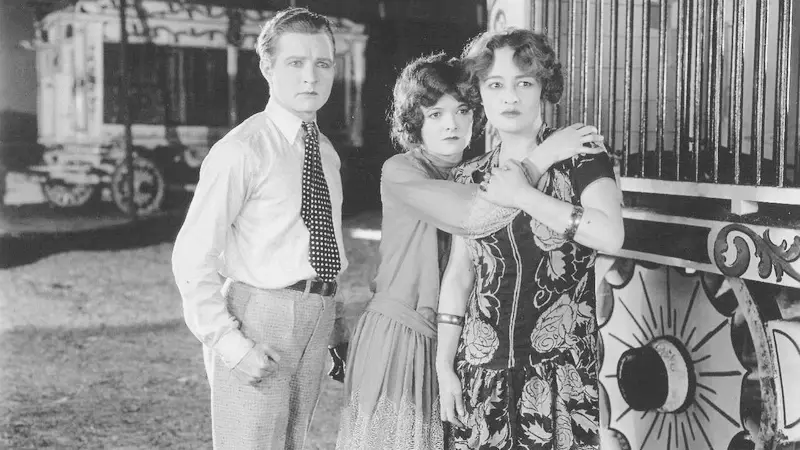
When Dick (Pat O’Malley) first enters the frame, he is a man stripped of his dignity. The way he blends into the background of the troupe is a testament to the directing. He isn't a hero; he is a survivor. This mirrors the desperation found in The Moral Sinner, where the past is a ghost that cannot be outrun.
The cinematography captures the scale of the tents with a sense of claustrophobia. Even though the space is large, the threat of discovery is always pressing in. Every time a stranger enters the camp, the camera lingers on Dick’s reaction, emphasizing his constant state of alert.
Marian Nixon’s performance is the engine that drives this film. She doesn't just sit on a horse; she commands the screen with a physicality that was rare for female leads of the time. In the scene where she performs her main act while Dick watches from the shadows, her eyes convey a dual narrative: the joy of the performance and the anxiety for her lover.
Nixon’s Spangles is a woman of agency. She isn't just a prize to be won by the fugitive or the law. She makes the tactical decisions that keep Dick hidden. This proactive characterization sets the film apart from many contemporary romances that relegated women to the role of the damsel.
The supporting cast is equally impressive. A young Walter Brennan makes an appearance, showcasing the character-acting chops that would later make him a legend. Hobart Bosworth provides the necessary gravitas as the authority figure, grounding the film’s more flighty romantic moments.
The fugitive plotline adds a layer of noir to the circus setting. It’s a trope we’ve seen in films like Just Off Broadway, but here it feels more urgent. The stakes are physical. If Dick is caught, the circus loses its soul, and Spangles loses her future.
The pacing is generally consistent, though it occasionally stumbles in the middle act. There are sequences of circus life that, while atmospheric, don't move the plot forward. However, these moments are necessary to build the world. You have to believe in the circus as a sanctuary for the ending to have any weight.
One surprising observation is how the film handles the concept of justice. It doesn't view the law as an absolute good. The police are portrayed as an intrusive force, disrupting the hard-earned peace of the circus performers. This cynical view of authority is a refreshing departure from the era's typical morality plays.
From a technical standpoint, Spangles is a triumph of location shooting. The use of natural light during the outdoor parade scenes creates a sense of realism that studio sets could never replicate. The grain of the film stock adds to the grittiness, making the world feel lived-in and slightly dangerous.
The writing, credited to a team including Nellie Revell and Leah Baird, shows a deep understanding of circus lore. Revell, who had a background in circus publicity, likely contributed the authentic details that make the setting feel so tangible. The dialogue on the title cards is punchy and avoids the overly poetic flowery language of the time.
Compare this to the more stylized approach of The Human Tornado. While that film focuses on the spectacle of movement, Spangles focuses on the weight of silence. The moments where characters just look at each other, acknowledging their shared secrets, are the film's strongest points.
Pros:
The authentic circus atmosphere is unmatched for its time. The chemistry between Nixon and O’Malley feels genuine rather than forced. The film takes a nuanced view of the law and morality.
Cons:
Some of the secondary characters are underdeveloped. The print quality in surviving versions can be inconsistent, making some night scenes difficult to track.
Spangles is a fascinating relic that manages to transcend its era. It is a film about the masks we wear—whether they are made of sequins or aliases. It works. But it’s flawed. The ending might feel like a cop-out to a modern audience, but the journey through the muddy, neon-lit world of the 1920s circus is well worth the price of admission.
In the pantheon of silent films, it may not have the name recognition of a Keaton or Chaplin feature, but it possesses a heart that is uniquely its own. It’s a gritty, romantic, and occasionally dark look at what happens when the show must go on, even when the world is trying to shut it down. If you have any interest in the evolution of the American melodrama, Spangles is an essential watch.
IMDb 4
1928
Community
Log in to comment.