DbcultAccessing Vault...
5.7/10
Senior Film Conservator
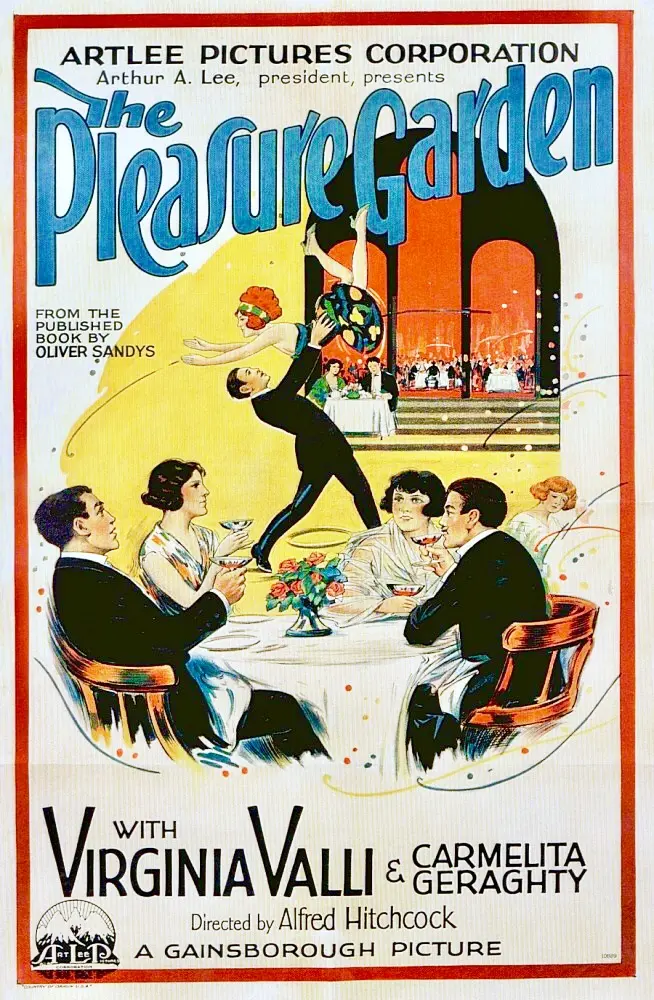
A definitive 5.7/10 rating for a film that redefined the boundaries of cult cinema. The Pleasure Garden remains a cornerstone of transgressive art.
Stepping back into the silent era is often a journey into a surprisingly sophisticated cinematic landscape, one far removed from the simplistic narratives sometimes unfairly attributed to it. 'The Pleasure Garden,' a film from 1925, stands as a testament to this complexity, offering a richly textured narrative that explores the intricate dance of human relationships, ambition, and the often-perilous pursuit of happiness. It's a film that, despite its age, resonates with a timeless quality, plumbing the depths of emotional entanglement with a grace and poignancy that few contemporary works manage to achieve. The titular 'Pleasure Garden' itself is more than just a setting; it's a potent symbol, a liminal space where dreams are born and shattered, where innocence is lost, and where the stark realities of life are often laid bare beneath a veneer of glittering illusion.
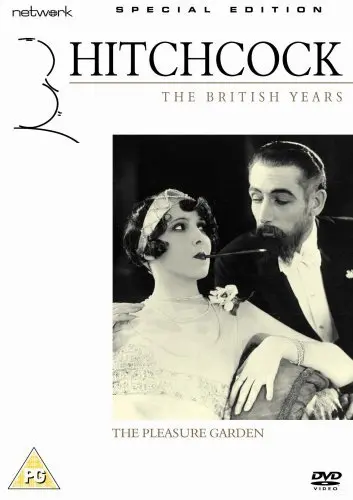
At its heart, the narrative, penned by Oliver Sandys and Eliot Stannard, revolves around the 'fancifully intertwined' romances of two distinct couples. This isn't a mere parallel construction; it's an organic, almost symbiotic, relationship between their respective journeys. We are introduced to Patsy Brand, portrayed with captivating vulnerability by Virginia Valli, a chorus girl whose aspirations extend beyond the ephemeral glamour of the stage. Her initial encounters with Hugh Fielding, played by John Stuart, paint a picture of burgeoning affection and a shared yearning for a stable, loving future. Their romance is steeped in a certain idealism, a belief in the transformative power of love that feels both fragile and deeply human. Stuart imbues Hugh with a boyish charm that makes his later struggles all the more impactful, a testament to the nuanced acting prevalent in the silent era.
Contrasting this gentle unfolding is the more cynical, perhaps more 'realistic,' pairing of Jill Cheyne, brought to life by Florence Helminger, and Levett, portrayed by Karl Falkenberg. Jill, with her sharper edges and more worldly perspective, seems less susceptible to romantic illusions. Her ambitions appear more grounded in material gain and social standing, a stark reflection of the post-war societal shifts that saw women carving out new roles for themselves. Levett, meanwhile, is a character shrouded in a certain moral ambiguity, his charm underscored by a palpable opportunism. Their relationship is less about tender affection and more about a transactional understanding, a union of convenience that subtly foreshadows the darker turns the story will take. The contrast between these two couples is not merely a plot device; it's a thematic exploration of different approaches to love, life, and the pursuit of contentment in a rapidly changing world.
The silent film era demanded a unique kind of acting, one that relied heavily on exaggerated expressions, precise body language, and a profound understanding of visual storytelling. The cast of 'The Pleasure Garden' rises to this challenge admirably. Virginia Valli's Patsy is a masterclass in conveying inner turmoil and resilience without uttering a single word. Her wide, expressive eyes communicate volumes, shifting from hopeful innocence to profound despair with remarkable fluidity. One can almost feel the weight of her character's burdens, her quiet strength in the face of adversity. John Stuart's portrayal of Hugh is equally compelling. His descent from an earnest lover to a man grappling with psychological distress is handled with a delicate touch, avoiding melodrama while still conveying the full emotional impact of his plight. The subtle tremors in his hands, the haunted look in his eyes—these are the tools of a skilled silent actor.
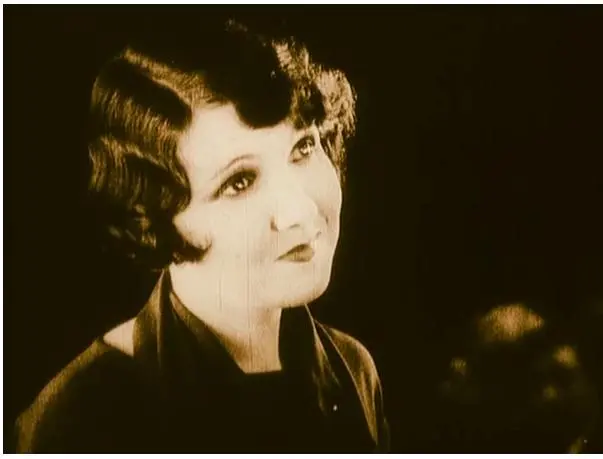
Florence Helminger's Jill, on the other hand, is a study in calculated ambition. Her performance is less about overt emotion and more about controlled expressions, hinting at a shrewd mind beneath a veneer of social grace. She embodies the 'flapper' archetype of the 1920s, but with a cynical edge that distinguishes her from more purely joyful depictions. Karl Falkenberg's Levett is a chilling presence, his suave demeanor barely concealing a manipulative nature. The ensemble, including vital contributions from Elizabeth Pappritz, Louis Brody, Miles Mander, Carmelita Geraghty, Ferdinand Martini, and Georg H. Schnell, creates a rich tapestry of supporting characters, each contributing to the film's immersive atmosphere. Louis Brody, in particular, often brought a gravitas to his roles, and here he adds another layer to the diverse social fabric depicted. Their interactions, often communicated through eloquent gestures and carefully crafted intertitles, draw the viewer deeply into the unfolding drama, making the emotional stakes feel acutely real.
The 'Pleasure Garden' itself, while a vibrant backdrop for the early scenes, quickly gives way to more desolate and challenging environments. This geographical shift is deeply symbolic. The initial promise of gaiety and effortless romance within the garden's confines slowly dissolves as the characters are thrust into harsher realities. The exotic, almost colonial, setting that some characters find themselves in later in the film, particularly Hugh and Patsy, serves as a stark contrast to the perceived frivolity of London. It represents not only physical distance but also emotional and moral degradation. This transition mirrors the erosion of innocence and the harsh lessons learned by the protagonists. The film effectively uses its settings to underscore thematic developments, making the environment an active participant in the narrative rather than mere scenery.
This symbolic use of location can be seen in other films of the era, though perhaps with different intent. For instance, in a film like The Yellow Traffic, the urban landscape is often portrayed as a breeding ground for vice and danger, reflecting societal anxieties. Here, 'The Pleasure Garden' begins as a place of potential joy, only to reveal its ephemeral nature. The contrast between expectation and reality is a powerful undercurrent throughout the film. The visual language of the film, from its meticulously composed shots to its atmospheric lighting, enhances this symbolic resonance. Shadows and light are employed not just for aesthetic appeal but to convey character states and impending doom, a technique that would become a hallmark of later cinematic masters. The camera often lingers on faces, allowing the audience to decipher the unspoken thoughts and feelings, turning silent observation into a profound form of engagement.
Beyond its romantic entanglements, 'The Pleasure Garden' offers a subtle yet incisive commentary on the social mores of the 1920s. It touches upon themes of class, ambition, and the precariousness of female independence. Patsy's journey from chorus girl to a woman navigating a complex personal crisis speaks to the limited options available to women of her station, even in an era of burgeoning liberation. Her reliance on men, for better or worse, is a stark reflection of the prevailing patriarchal structures, even as she exhibits remarkable inner strength. Jill's character, too, offers a glimpse into another facet of female agency, one that prioritizes self-preservation and strategic alliances, perhaps as a means of survival in a world that wasn't always kind to the naive.
The film doesn't shy away from depicting moral compromises and outright betrayals. The 'fancifully intertwined' nature of the romances means that the actions of one couple inevitably impact the other, creating a chain reaction of consequences. This interconnectedness highlights a universal truth: that our choices, particularly in matters of the heart, rarely exist in a vacuum. The film’s exploration of mental health, particularly through Hugh's character, is also remarkably progressive for its time. His descent into a feverish delusion, perhaps induced by the trauma of war or the pressures of his circumstances, is handled with a degree of sensitivity that transcends simple villainization. This nuanced portrayal sets it apart from more simplistic characterizations seen in some contemporary melodramas like, for example, certain aspects of Foolish Lives, which might have leaned more heavily on clear-cut heroes and villains.
The artistry of 'The Pleasure Garden' lies not just in its compelling plot and strong performances, but in its masterful command of silent film techniques. The use of intertitles is judicious, providing essential dialogue and narrative exposition without overwhelming the visual flow. The cinematography is often breathtaking, capturing the grandeur of its settings and the intimacy of its emotional moments. The editing, too, plays a crucial role, creating a rhythm that builds suspense and amplifies emotional impact. Consider how a simple cut can shift perspective, revealing a character's hidden reaction or an unseen consequence, thereby deepening the audience's understanding without a single spoken word. This sophisticated approach to visual narrative ensures that the film remains engaging and impactful even for modern audiences accustomed to sound and color.
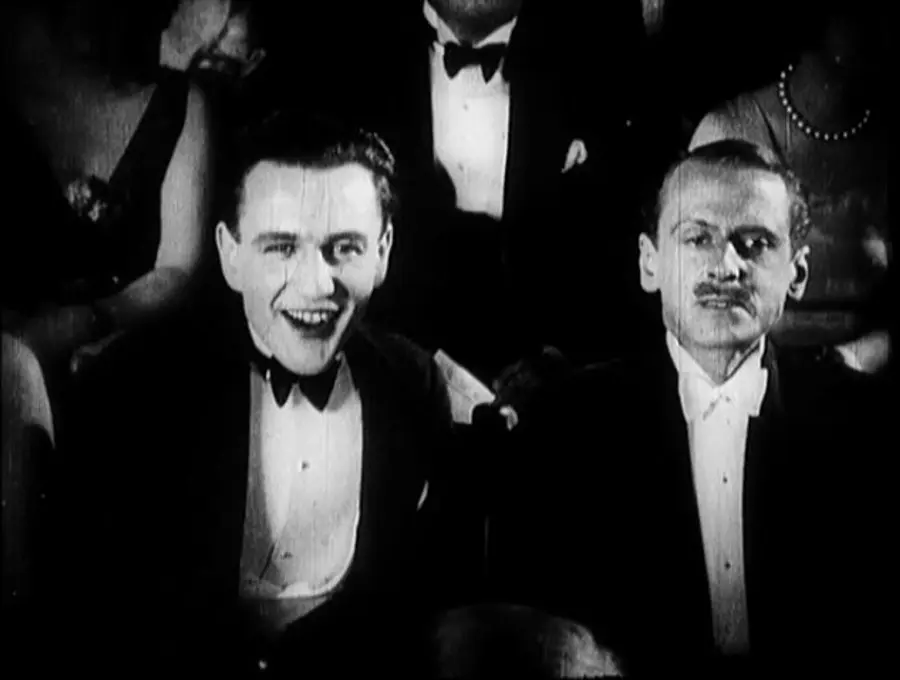
It's interesting to compare the narrative style here with other silent films that tackled complex human emotions. While a film like The Love Letter might focus on the miscommunications and misunderstandings inherent in written correspondence, 'The Pleasure Garden' delves into the more visceral, unspoken language of desire, betrayal, and despair. The absence of dialogue forces the viewer to become more attuned to visual cues, to interpret every glance, every gesture, every shift in posture. This active engagement creates a unique, almost immersive, viewing experience, pulling the audience into the characters' inner worlds with remarkable efficacy. The film's ability to communicate such profound emotional depth through purely visual means is a testament to the power of early cinema and the skill of its creators.
'The Pleasure Garden' is more than just a historical curiosity; it's a significant piece of cinematic history that continues to captivate and provoke thought. Its themes of love, betrayal, ambition, and the search for identity are universal, transcending the specific era in which it was made. The film serves as a powerful reminder of the artistic sophistication that existed in the silent period, challenging any preconceptions of it being a primitive art form. It's a film that asks profound questions about human nature: how far will one go for love or for ambition? Can true happiness be found amidst illusion and deceit? The answers it provides are complex, often melancholic, but always deeply human.
In an era where films like Lest We Forget or The Battle of the Ancre and the Advance of the Tanks explored the direct impact of global conflict, 'The Pleasure Garden' chose to examine the more intimate, psychological scars left by societal pressures and personal failings. It's a testament to the diversity of storytelling that flourished during this period. The enduring appeal of 'The Pleasure Garden' lies in its ability to transport us to another time while simultaneously reflecting aspects of the human condition that remain immutable. It's a film that deserves to be revisited, studied, and appreciated not only for its historical significance but for its sheer artistic merit. It reminds us that even without spoken dialogue, cinema can articulate the deepest emotions and most complex narratives with unparalleled power.
Ultimately, 'The Pleasure Garden' is a poignant and masterfully crafted film. It’s a testament to the collaborative genius of writers Oliver Sandys and Eliot Stannard, and the evocative performances of its cast, particularly Virginia Valli and John Stuart. It navigates the treacherous waters of human relationships with a keen eye for detail and a profound understanding of the emotional landscape. This film is not merely a relic of a bygone era; it is a vibrant, living piece of cinematic art that continues to speak volumes about the eternal complexities of the human heart, making it an essential viewing for anyone interested in the foundational brilliance of the seventh art. Its intricate plot, compelling characters, and timeless themes ensure its place as a significant achievement in silent cinema.
IMDb 5.2
1929
Community
Log in to comment.