DbcultAccessing Vault...
6.8/10
Senior Film Conservator
A definitive 6.8/10 rating for a film that redefined the boundaries of cult cinema. The Unfortunate Marriage remains a cornerstone of transgressive art.
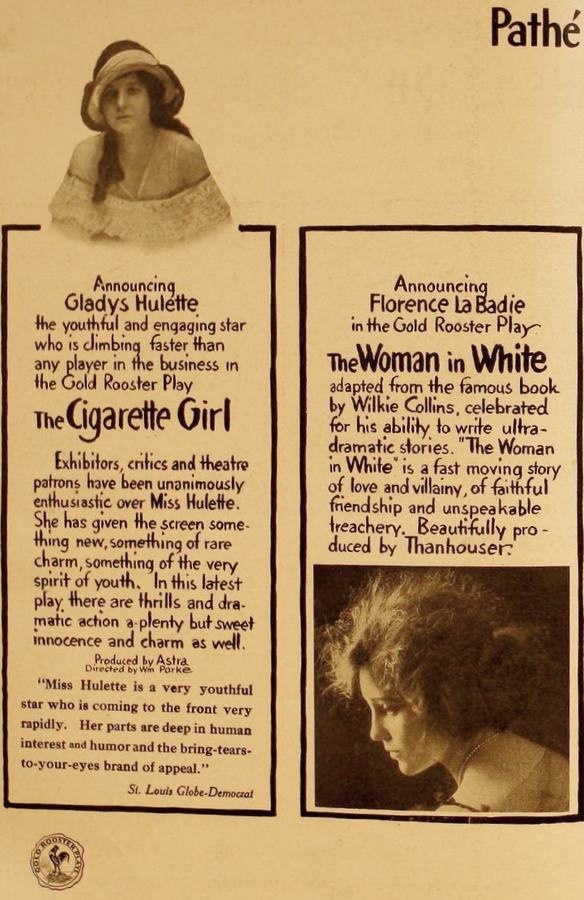
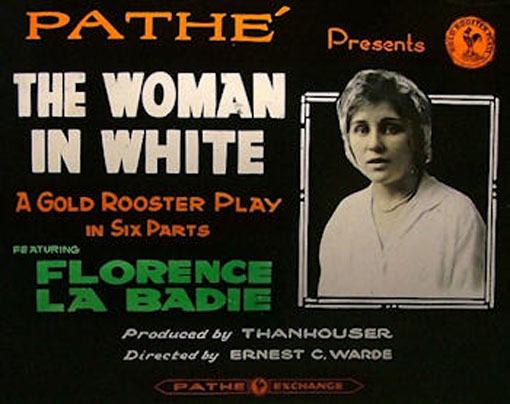
The 1917 silent production of The Unfortunate Marriage, directed by Ernest C. Warde and produced by the legendary Thanhouser Film Corporation, stands as a testament to the enduring power of the 'sensation novel' on the burgeoning silver screen. While many modern audiences might find the pacing of early cinema quaint, this adaptation of Wilkie Collins’ The Woman in White possesses a psychological density that rivals contemporary noir. The film eschews the mere aesthetics of Victorian melodrama to delve into the terrifying fluidity of identity in an era where a woman’s legal existence was often subsumed by the men who claimed ownership of her. Much like the thematic undercurrents found in The Dupe, the narrative hinges on the fragility of social standing and the ease with which a person can be erased from the collective memory of their peers.
Florence La Badie, in one of her final and most evocative performances, tackles the dual roles of Laura Fairlie and Ann Catherick with a nuanced bifurcated energy. It is a performance of profound vulnerability, yet it avoids the pitfalls of the typical 'damsel in distress' trope. La Badie manages to imbue Ann with a spectral, jittery quality that contrasts sharply with Laura’s initial poise. This duality is the engine of the film’s horror; the realization that one’s physical form can be used as a weapon against one’s own soul is a concept that Warde explores through stark chiaroscuro and tight, claustrophobic framing. The film shares a certain kinship with The Impostor, though it trades that film’s more overt subterfuge for a slow-burn psychological erosion.
Richard Neill’s portrayal of Sir Percival Glyde is a masterclass in the banality of evil. He does not play the villain with the mustache-twirling excess common to the period; instead, he presents a man driven by the cold, calculating necessity of debt. His Glyde is a creature of the ledger, a man for whom marriage is not a sacrament but a hostile takeover. The film brilliantly captures the transactional nature of Victorian matrimony, where Laura is less a wife and more a financial asset to be liquidated. This economic predation is a recurring motif in silent cinema, often seen in works like The Price of Tyranny, where the domestic sphere becomes a battlefield for capital.
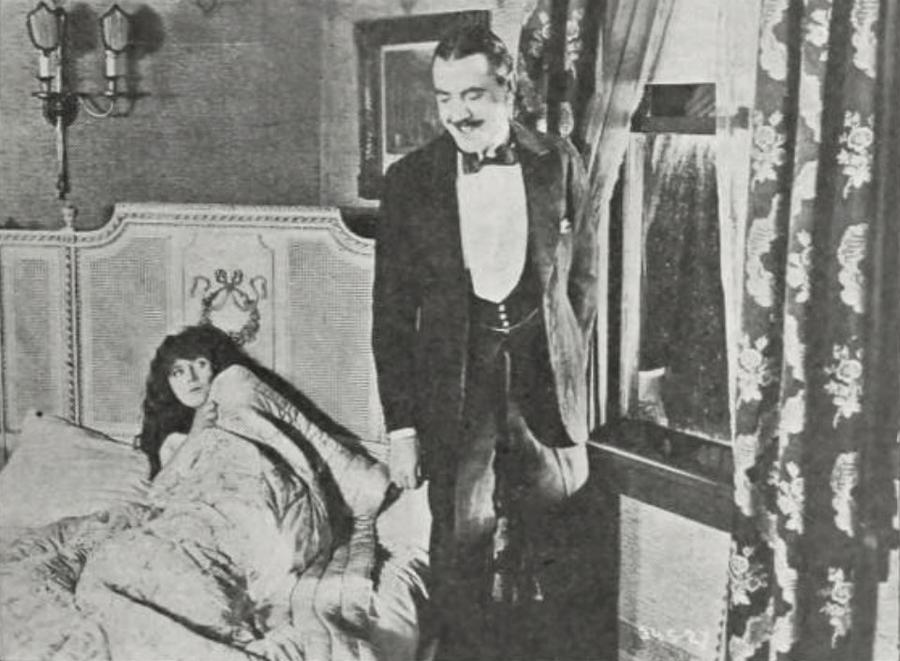
The middle act of the film, which details the gaslighting of Laura and her eventual commitment to the asylum, is genuinely harrowing. The set design of the sanitarium evokes a sense of institutional indifference that feels remarkably modern. Here, the sea blue tones of the cinematography—metaphorically speaking, as the tinting in surviving prints often reflects these moods—convey a chilling isolation. When Glyde swaps the identities of the two women, the film reaches its zenith of tension. The audience is forced to witness the erasure of a human being in real-time, a theme that resonates with the existential dread found in Fedora, despite the vast difference in their production eras.
Technically, The Unfortunate Marriage utilizes the limited vocabulary of 1917 to maximum effect. The use of double exposure to signify the resemblance between Laura and Ann is handled with a seamlessness that must have been breathtaking to contemporary viewers. The director understands the power of the gaze; many scenes are constructed around what characters see versus what they are told to believe. This skepticism toward the 'official' narrative is what makes the film a precursor to the modern thriller. It invites the viewer to look past the veneer of respectability, much like the investigative journeys in The Wrong Door.
The pacing, while deliberate, builds toward a climax that is both visually spectacular and narratively satisfying. The fire that claims Glyde’s life is not just a plot device; it is a purgative element, a cleansing of the corruption that has infested the Fairlie estate. The flames provide a stark, high-contrast visual that cuts through the murky moral landscape of the preceding hour. In this moment, the film transcends its literary origins to become a purely cinematic experience of catharsis. The reunion of Walter and Laura is handled with a restraint that avoids the saccharine, acknowledging the trauma that the characters have endured.
When placing The Unfortunate Marriage alongside its peers, one can see the evolution of the mystery genre. While The Old Curiosity Shop focuses on the sentimental hardships of the Victorian era, Warde’s film is more interested in the systemic failures of the law and the medical profession. It shares a certain grim realism with Called Back, another tale of memory and betrayal, yet it surpasses it in terms of atmospheric dread. The film’s exploration of the 'madness' label as a tool of social control remains a potent critique, even a century later.
Furthermore, the chemistry between La Badie and Wayne Arey (Walter) provides the necessary emotional stakes. Without their palpable connection, the film would be a mere exercise in gothic tropes. Instead, it becomes a story of resilience. Walter’s role as the artist-turned-detective is a precursor to the noir protagonist—the man who sees the truth because he exists on the periphery of the social elite. His journey to reclaim Laura’s identity is a rebellion against the patriarchal structures that allowed Glyde to flourish. This thematic depth is what separates a masterpiece from a mere adaptation, a distinction also evident in the complex character arcs of Man and His Soul.
Ultimately, The Unfortunate Marriage is a haunting reminder of the power of the silent image to convey complex psychological states. It captures the essence of Wilkie Collins' paranoia—the fear that our lives are built on shifting sands and that our very names can be taken from us by those with enough power and lack of conscience. The film’s legacy is one of technical innovation and thematic bravery. It does not shy away from the darkness of its subject matter, nor does it offer easy answers. The survival of Laura Fairlie is not a return to the status quo, but a hard-won victory over a system designed to silence her.
As we look back at this 1917 gem, we see the DNA of the modern psychological thriller. From the doppelgänger motif to the institutional horror, the film remains a vital piece of cinematic history. It invites us to question the narratives we are fed and to find the courage to seek the truth, even when it is buried in a grave marked with someone else's name. For those seeking a bridge between the literary gothic and the cinematic noir, this film is an essential, if tragic, destination. It stands tall among the works of its time, outshining the more simplistic morality plays like Keep Moving or the light-hearted diversions of Ihre Hoheit, proving that even in the silent era, the scream of the silenced could be heard loud and clear.
IMDb —
1915
Community
Log in to comment.