DbcultAccessing Vault...
6.5/10
Senior Film Conservator
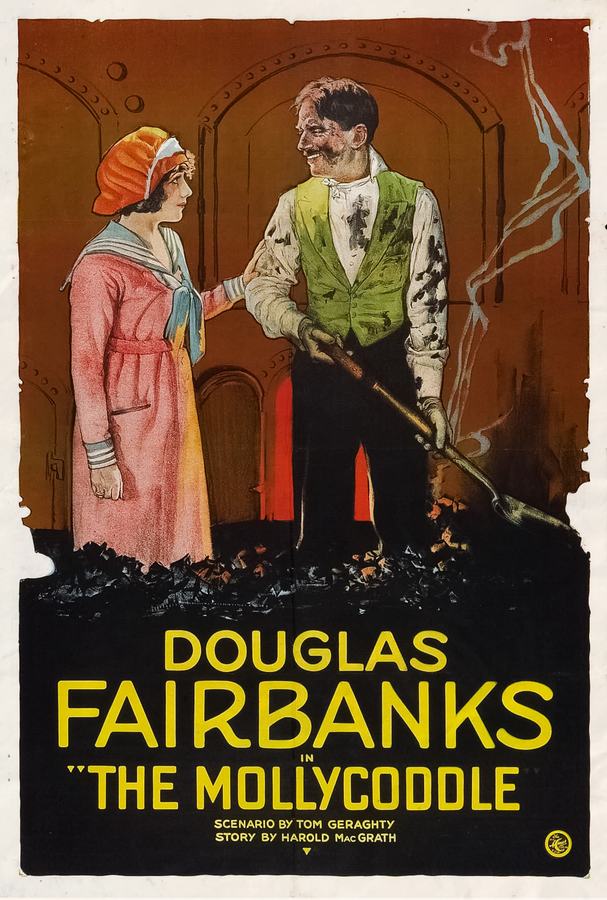
A definitive 6.5/10 rating for a film that redefined the boundaries of cult cinema. The Mollycoddle remains a cornerstone of transgressive art.
Stepping into the cinematic landscape of 1920, one encounters The Mollycoddle, a film that not only encapsulates the effervescent spirit of its era but also serves as a vibrant showcase for the unparalleled athleticism and charismatic appeal of its star, Douglas Fairbanks. This isn't merely a silent film; it's a kinetic ballet, an audacious escapade that transports audiences from the refined drawing-rooms of Europe to the untamed, sun-scorched canyons of Arizona. It’s a narrative arc as old as storytelling itself – the transformation of the sheltered individual into a formidable hero – but under Fairbanks' inimitable direction and performance, it feels fresh, invigorating, and utterly compelling.
The premise, in its elegant simplicity, sets the stage for grand adventure: an American, long ensconced in the sophisticated comforts of European life, finds himself compelled to return to his ancestral homeland in Arizona. This return isn't a gentle homecoming; it's a jarring immersion into a world brimming with villainy and raw danger. Fairbanks, in the titular role, embodies the 'mollycoddle' with a delightful blend of naiveté and latent vigor. His initial portrayal is a masterclass in physical comedy and subtle characterization, hinting at the dormant power beneath the polished exterior. This delicate balance is crucial, for it allows the audience to genuinely invest in his arduous journey from effete dilettante to a man of action.
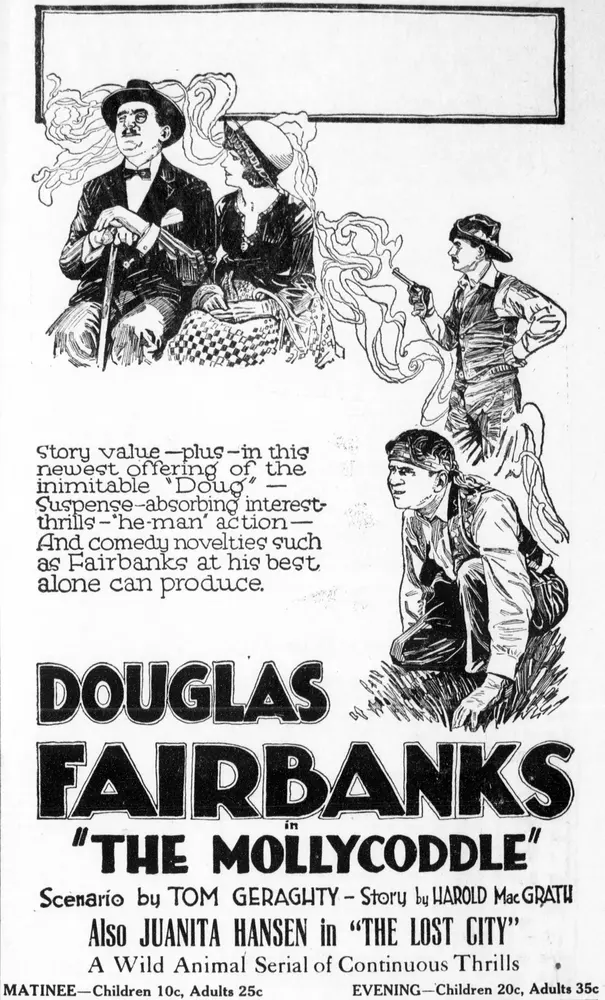
Douglas Fairbanks was, without question, a titan of the silent screen, a performer whose very presence guaranteed a spectacle of daring feats and infectious enthusiasm. His unique brand of heroism, characterized by a perpetual grin, gravity-defying stunts, and an unwavering sense of justice, found its perfect canvas in films like The Mollycoddle. Here, he's not merely acting; he's performing a symphony of movement, an intricate dance that communicates more emotion and narrative thrust than any intertitle ever could. The transition of his character from a man who prefers afternoon tea to a rugged frontiersman battling bandits is portrayed with such conviction that it transcends the potentially clichéd trope, making it feel earned and authentic.
The physical demands of the role are immense, and Fairbanks, as ever, rises to the occasion with breathtaking agility. Whether he's scaling cliffs, leaping across chasms, or engaging in intricately choreographed fight sequences, his movements possess an almost balletic grace. This kinetic energy is a hallmark of his best work, recalling the sheer exhilaration of his performance in His Majesty, the American, where his character similarly navigates a labyrinth of political intrigue and physical challenges with an unshakeable optimism. In The Mollycoddle, the stakes feel even more personal, the transformation more profound, as he sheds the layers of his previous life to embrace a new identity forged in the crucible of adversity.
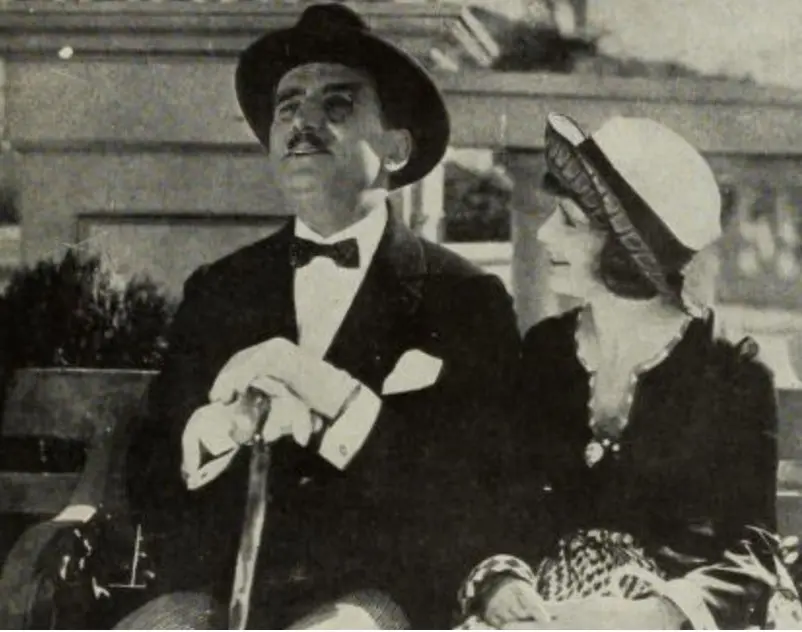
The Arizona setting is far more than a mere backdrop; it's a formidable character in its own right, its stark beauty and inherent dangers mirroring the protagonist's internal and external struggles. The expansive vistas, rugged mountains, and unforgiving desert terrain provide a magnificent canvas for the unfolding drama. Cinematographer William C. McGann captures the grandeur of the landscape with a keen eye, utilizing sweeping shots that emphasize both the isolation and the perilous allure of the American West. This visual storytelling enhances the narrative, making the viewer feel the oppressive heat, the vastness of the wilderness, and the lurking threats within its shadows.
The contrast between the protagonist's sheltered European past and the raw American frontier is vividly drawn, not just through his initial discomfort but also through the visual language of the film. The delicate fabrics and manicured gardens of his former life are starkly juxtaposed with the dusty trails and sun-baked rocks of Arizona. This visual dichotomy underscores the central theme of transformation, highlighting how environment shapes identity. The desert, with its capacity for both breathtaking beauty and sudden, brutal violence, becomes a metaphor for the challenges our hero must overcome, mirroring the moral ambiguity and stark choices he faces.
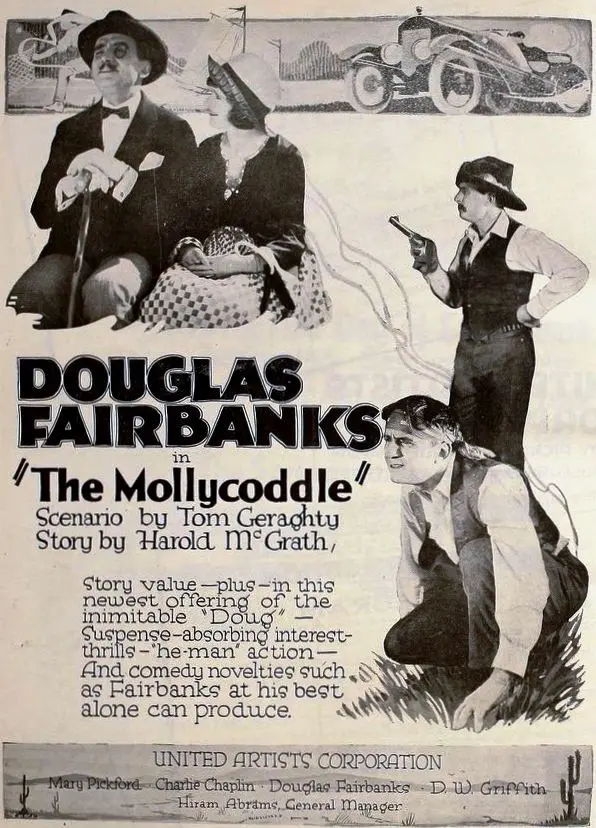
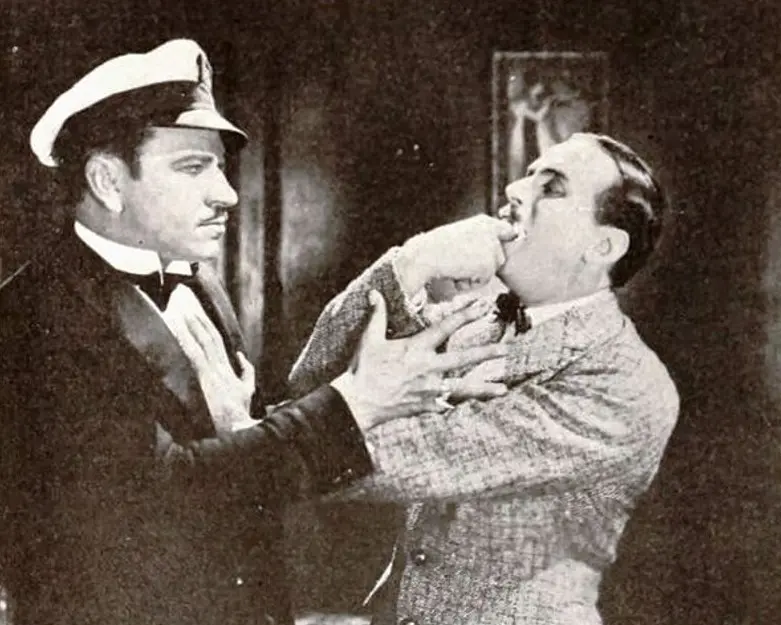
No hero is complete without a formidable adversary, and The Mollycoddle delivers a rogues' gallery worthy of Fairbanks' heroic efforts. Wallace Beery, a master of villainy in the silent era, brings his characteristic menace to the role of the primary antagonist, a ruthless bandit whose greed knows no bounds. Beery's imposing physique and sneering demeanor create a palpable sense of threat, making his clashes with Fairbanks all the more thrilling. His performance is a testament to the power of silent acting, conveying malevolence through expression and physicality alone. One might draw parallels to the visceral villainy found in films like Fantomas: The Man in Black, where the antagonists are equally larger-than-life and relentlessly sinister.
The supporting cast, including stalwarts like Frank Campeau and Albert MacQuarrie, rounds out the villainous contingent, each contributing to the atmosphere of simmering danger. On the side of virtue, actresses like Fredericka Hawks and Ruth Renick provide compelling counterparts to Fairbanks, their characters often caught in the crossfire but exhibiting their own forms of resilience and strength. The interplay between these characters, particularly the romantic elements, adds depth to the adventure, providing moments of tenderness amidst the relentless action. The film deftly balances these emotional beats with the high-octane sequences, ensuring that the audience remains invested in the fate of everyone involved.
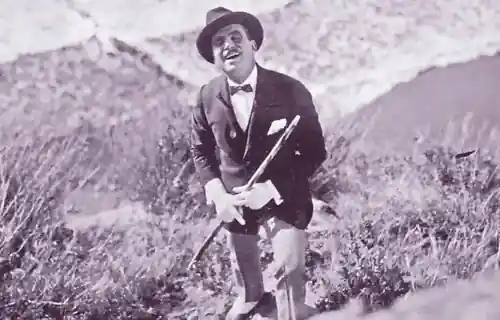
The directorial vision behind The Mollycoddle, under the combined creative forces of Thomas J. Geraghty, Douglas Fairbanks himself, and Harold McGrath as writers, is evident in its tightly paced narrative and innovative staging. The film's structure is a testament to effective silent filmmaking, relying on visual cues, expressive performances, and well-placed intertitles to advance the plot without ever feeling verbose or sluggish. The editing is crisp, maintaining a brisk tempo that keeps the audience on the edge of their seats, a common thread in successful action-adventure films of the era, such as Perils of the Secret Service, which also prioritized dynamic pacing.
Fairbanks’ involvement in the writing process is particularly notable, as it allowed him to craft a role perfectly suited to his unique talents. His understanding of physical comedy and dramatic action ensured that every scene was optimized for his performance, from the initial awkwardness of his 'mollycoddle' character to his triumphant transformation into a resourceful hero. The narrative builds steadily, introducing elements of intrigue and danger that escalate into a thrilling climax, showcasing Fairbanks' unparalleled ability to execute complex stunts with apparent ease and boundless charm. The ingenuity of the action sequences, especially considering the technological limitations of the time, is truly remarkable and remains impressive even by modern standards.
Beyond the thrilling chases and daring rescues, The Mollycoddle delves into compelling themes of identity, reinvention, and the inherent strength that lies dormant within us all. The protagonist's journey is not just about overcoming external adversaries but also about conquering his own perceived weaknesses and societal expectations. His initial portrayal as a refined, somewhat effeminate figure, contrasted with the rugged masculinity demanded by the Arizona wilderness, sets up a powerful exploration of what it means to be a man, and more broadly, what it means to be truly capable. This arc resonates deeply, reminding us that true character is often forged in the fires of adversity, not in the comfort of privilege.
The film also touches upon the idea of returning to one's roots, a popular motif in American storytelling. The 'American abroad' trope is inverted, as the character finds his true self not in the sophistication of Europe but in the raw, untamed heart of his homeland. This narrative choice speaks to a broader cultural fascination with the pioneering spirit and the enduring myth of the American West as a place of self-discovery and rebirth. It’s a compelling message, delivered with both humor and heartfelt earnestness, making the film more than just a simple adventure story. It elevates it into a commentary on character and national identity, much like the introspective journeys found in films such as The Cross Bearer, which explores personal redemption through hardship.
The Mollycoddle stands as a vibrant testament to the enduring power of silent cinema and the singular star power of Douglas Fairbanks. It’s a film that perfectly encapsulates the exuberance and innocence of its era while delivering a timeless tale of adventure and self-discovery. For modern audiences, it offers a fascinating glimpse into the artistry of early filmmaking, demonstrating how compelling narratives and unforgettable characters could be crafted without the aid of spoken dialogue or sophisticated special effects. The film’s energetic pace, engaging performances, and breathtaking stunts continue to captivate, proving that true cinematic magic transcends the boundaries of time and technology.
Its influence can be seen in countless adventure films that followed, particularly in the way it established the archetype of the agile, charming hero who uses wit and athleticism to overcome seemingly insurmountable odds. Fairbanks, with films like The Mollycoddle, didn't just entertain; he defined a genre and inspired generations of filmmakers and performers. It's a foundational work in the history of action cinema, a joyful and exhilarating experience that reaffirms the profound impact of a well-told story and a truly magnetic star. To watch The Mollycoddle today is to connect with a vital piece of cinematic heritage, a film that continues to thrill and inspire with its boundless energy and adventurous spirit.
IMDb —
1924
Community
Log in to comment.