DbcultAccessing Vault...
6.7/10
Senior Film Conservator
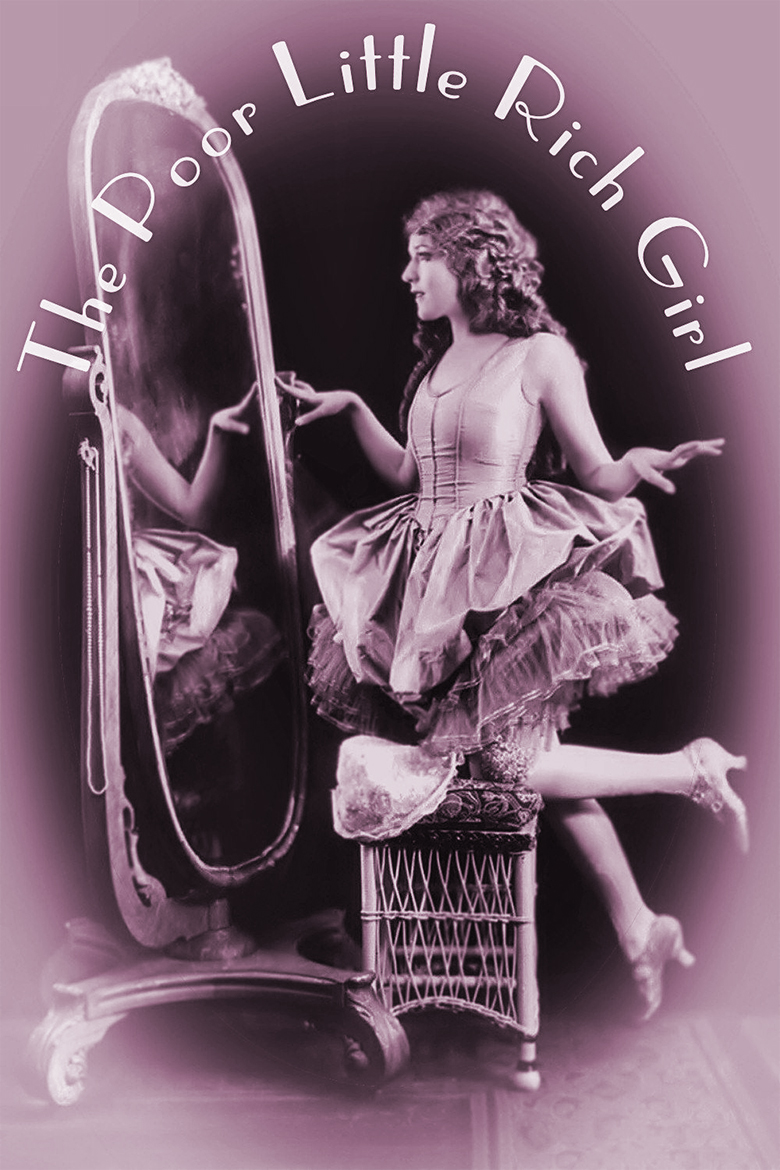
A definitive 6.7/10 rating for a film that redefined the boundaries of cult cinema. The Poor Little Rich Girl remains a cornerstone of transgressive art.
In the shimmering annals of early cinema, few figures cast a longer, more luminous shadow than Mary Pickford, "America's Sweetheart." Her artistry, particularly in films like 1917’s The Poor Little Rich Girl, transcended the limitations of the silent medium, imbuing her characters with a universal appeal that resonates even today. This particular cinematic gem, directed with a delicate touch by Maurice Tourneur and penned by Eleanor Gates and Frances Marion, is far more than a mere historical curiosity; it is a profound exploration of childhood innocence, the corrosive nature of material obsession, and the redemptive power of crisis. It holds a significant place not just in Pickford’s illustrious career but in the broader tapestry of American storytelling, offering a mirror to the societal values and anxieties of its time while delivering a narrative that remains startlingly relevant.
The film invites us into a world of opulent excess, a gilded cage where young Gwendolyn (played with heartbreaking vulnerability by Pickford) exists amidst a bewildering array of lavish possessions, yet remains utterly bereft of genuine parental warmth. Her father, a titan of industry portrayed by Herbert Prior, and her mother, a socialite consumed by the relentless pursuit of status, embodied by Madlaine Traverse, are archetypes of absentee parenting. Their lives revolve around business deals, social engagements, and maintaining appearances, leaving Gwendolyn to wander the cavernous halls of their mansion, a solitary figure adrift in a sea of indifference. The emotional chasm between parent and child is palpable, a silent scream echoing through the ornate rooms, underscored by the presence of a rotating cast of servants – including the stern governess played by Marcia Harris and the perpetually exasperated housekeeper Nora Cecil – who are more concerned with decorum than with the child's emotional well-being.
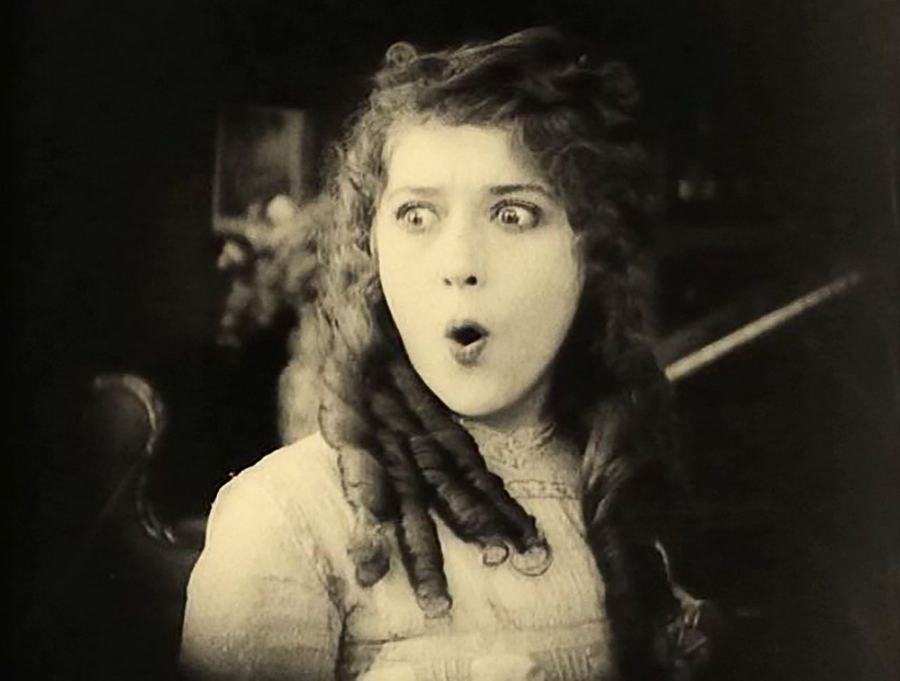
Gwendolyn's existence is a stark illustration of the adage that money cannot buy happiness. Despite the material comforts, her days are marked by a profound loneliness, a spiritual starvation that only the most fertile imagination can attempt to fill. She constructs elaborate fantasy worlds, populating them with imaginary friends and adventures – a poignant testament to the human spirit's innate need for connection and play. Pickford's portrayal of this internal landscape is nothing short of masterful. Through subtle gestures, fleeting expressions, and the eloquent language of her eyes, she conveys the depth of Gwendolyn's yearning, making the audience feel every pang of her isolation. Her interactions, or rather lack thereof, with the adult world are particularly telling; she is often seen, but rarely truly heard or understood. This deliberate distance amplifies the film's critique of a society that prioritizes superficial success over the fundamental needs of its youngest members. One might draw parallels to the solitary figures in works like Little Miss Happiness, where the resilience of a child's spirit shines through adverse circumstances, though Gwendolyn's plight is rooted in a different kind of neglect – the emotional void amidst plenty.
The narrative truly ignites when a catastrophic event shatters the fragile equilibrium of the Gwendolyn household. A crucial servant, tasked with a seemingly simple but vital duty, succumbs to a moment of egregious irresponsibility – whether born of malice, carelessness, or a combination of both is left to the viewer's interpretation, a testament to the film's nuanced characterizations. This lapse in judgment precipitates a grave crisis, one that places Gwendolyn in immediate and terrifying peril. The specific nature of the threat is less important than its profound impact; it is an external force that brutally exposes the internal rot of the family's dynamic. The careful veneer of order and control, maintained by wealth and social standing, is ripped away, revealing the chaotic vulnerability beneath. This turning point is handled with escalating tension, a hallmark of Tourneur's direction, drawing the audience into the unfolding drama with an almost visceral sense of dread. The immediate aftermath is a flurry of frantic activity, a stark contrast to the earlier, languid pace of Gwendolyn's isolated existence.
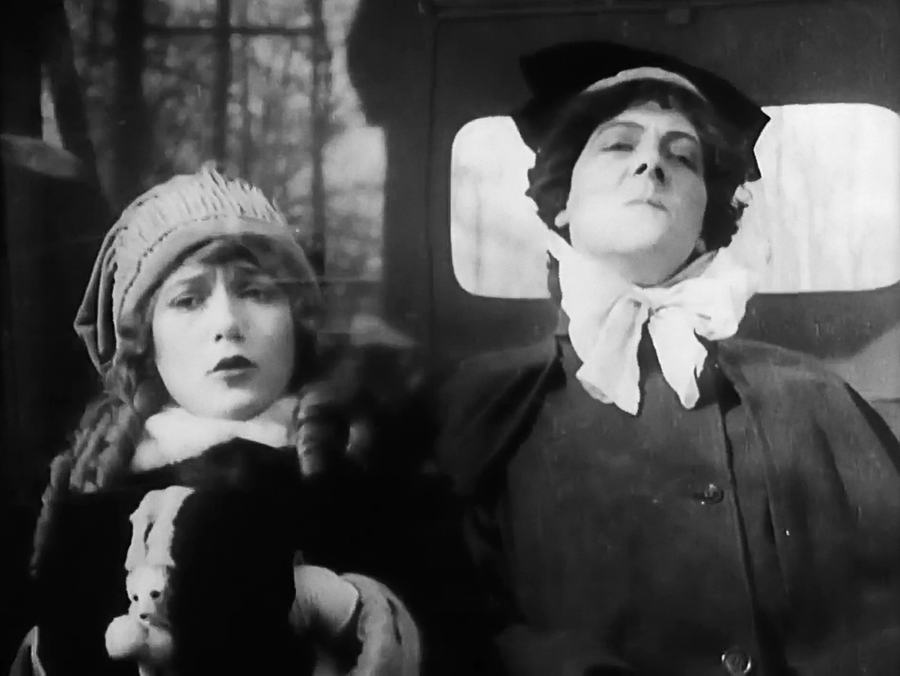
The crisis acts as a potent, albeit painful, catalyst for self-reflection. The parents, previously insulated by their wealth and social obligations, are violently yanked from their self-imposed stupor. The terrifying prospect of losing their daughter forces them to confront the profound emptiness that has characterized their relationship with her. It's a moment of reckoning, a brutal stripping away of their carefully constructed illusions. The film masterfully portrays this psychological shift, not through dialogue, but through the actors' emotive performances – the dawning horror in Prior's eyes, the crumbling façade of composure in Traverse's. This period of intense anxiety and fear becomes a crucible, forging a nascent understanding of what truly matters. It's a powerful cinematic device, reminiscent of the moral awakenings explored in films such as Conscience or Unto Those Who Sin, where dire circumstances necessitate a profound examination of one's ethical compass and life choices. The film doesn't shy away from the raw emotional turmoil, allowing the audience to witness the parents' painful journey from callous indifference to desperate concern.
To speak of The Poor Little Rich Girl without dedicating significant attention to Mary Pickford's performance would be an oversight of critical proportions. Pickford, already a monumental star by 1917, brought an unparalleled blend of childlike vulnerability and steely resilience to the role of Gwendolyn. Her ability to convey complex emotions – joy, sorrow, fear, and defiant imagination – without the aid of spoken dialogue cemented her status as a true cinematic genius. She didn't merely play Gwendolyn; she inhabited her, lending the character an authenticity that transcended the screen. Her expressive eyes, her delicate gestures, and her almost ethereal presence made Gwendolyn a character audiences instantly empathized with, rooting for her survival and her eventual triumph. This connection with the audience was a cornerstone of Pickford's immense popularity, allowing her to command unprecedented salaries and creative control in an industry still finding its footing. The film's success is inextricably linked to her magnetic performance, proving that true star power lies not just in beauty, but in the profound ability to evoke universal human experience.
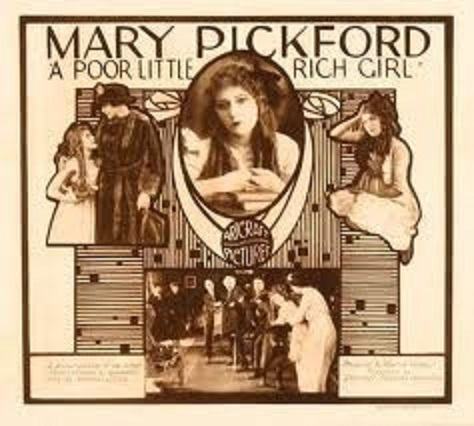
Pickford’s Gwendolyn is not merely a passive victim; she is a child who, despite her circumstances, possesses an indomitable spirit. Her flights of fancy and her creation of an imaginary world are not just escapism; they are acts of self-preservation, demonstrating a profound inner strength. This nuanced portrayal elevates the film beyond a simple melodrama, transforming it into a study of psychological fortitude. Her performance here is a masterclass in silent acting, showcasing why she was often referred to as "the girl with the curls" and why her appeal crossed all social strata. It’s an acting tour de force that reminds us of the power of non-verbal communication in cinema, a skill that few have mastered with such grace and impact. In an era where many actors were still learning the nuances of screen performance, Pickford was already a seasoned veteran, capable of delivering performances that felt deeply internal and profoundly moving.
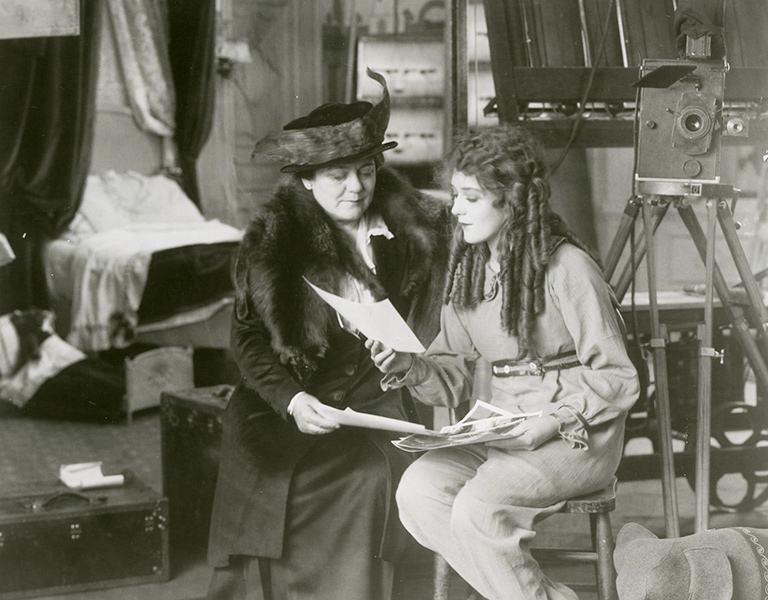
While Pickford's star shines brightest, the directorial prowess of Maurice Tourneur cannot be understated. Tourneur, a French émigré who brought a sophisticated European sensibility to Hollywood, crafted The Poor Little Rich Girl with an exquisite eye for visual detail and psychological depth. His direction is characterized by a meticulous attention to mise-en-scène, using set design, lighting, and camera placement to enhance the narrative and emotional impact. The vast, sterile rooms of Gwendolyn's home, for instance, are not merely backdrops; they are extensions of her emotional isolation, vast empty spaces that dwarf her small figure. Tourneur understood the power of visual metaphor, allowing the camera to linger on meaningful objects or expressions, drawing the audience into the characters' inner worlds without the need for excessive intertitles. His work here is a testament to the artistic potential of silent film, proving that sophisticated storytelling could be achieved through purely visual means.
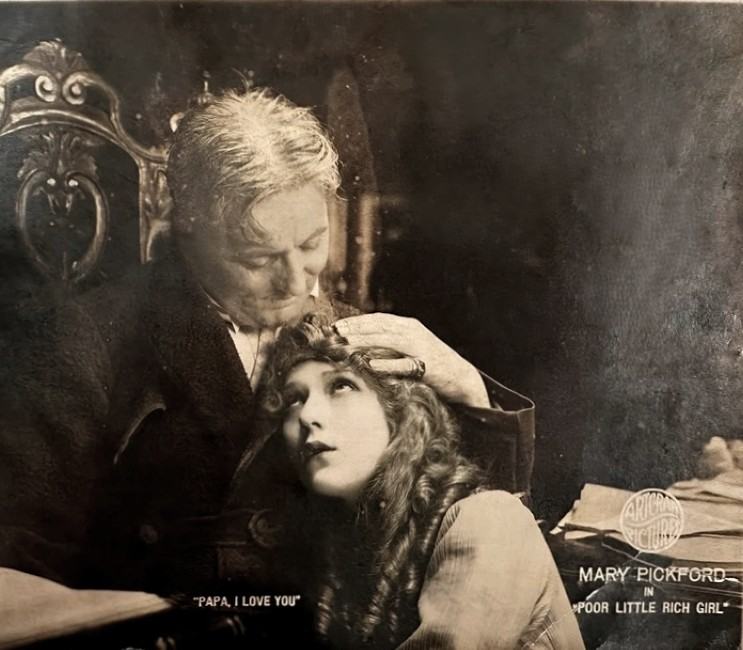
The cinematography, under Tourneur's guidance, is equally remarkable. The use of shadow and light, the careful framing of shots, and the dynamic compositions all contribute to a rich visual tapestry. There's a particular elegance to the way Tourneur captures Gwendolyn's fantastical daydreams, often employing subtle special effects or dreamlike sequences that transport the viewer into her imaginative realm. This visual flair distinguishes the film, elevating it beyond the often rudimentary filmmaking of the era. It’s a work that demonstrates a profound understanding of the cinematic medium as an art form, capable of conveying complex ideas and emotions with grace and subtlety. The film's aesthetic qualities are not just decorative; they are integral to its storytelling, amplifying the themes of loneliness, vulnerability, and eventual hope. Tourneur's distinctive style, which was ahead of its time, makes this film a compelling study for anyone interested in the evolution of cinematic language.
Beyond its historical significance and stellar performances, The Poor Little Rich Girl endures because of its universal themes. It is a powerful critique of the superficiality of wealth when divorced from human connection, a cautionary tale about the dangers of parental neglect, and ultimately, a hopeful narrative about redemption and the transformative power of love. The film asks profound questions about what truly constitutes richness in life – is it material possessions, or the intangible bonds of family and affection? The parents' journey from self-absorption to profound empathy is the emotional core of the film, offering a message that transcends its specific historical context. Their awakening is not instantaneous or easily achieved; it is a hard-won victory, earned through fear and introspection, making their eventual transformation feel earned and believable.
The film also touches upon social class dynamics, albeit subtly. The servants, though often relegated to the background, play pivotal roles in both Gwendolyn's daily life and the onset of the crisis. Their individual characters, from the callous to the caring, add layers to the depiction of the household. This exploration of the intricate web of relationships within a wealthy home, where responsibility is often delegated and sometimes shirked, offers a glimpse into the social fabric of the early 20th century. It’s a film that, despite its seemingly simple premise, delves into complex human psychology and societal critique. The enduring appeal of such narratives can be seen in other films that explore the moral failings and subsequent redemption of characters, such as The Man of Shame, where societal pressures and personal choices lead to a profound reckoning.
The Poor Little Rich Girl stands as a testament to the enduring power of silent cinema and the unparalleled talent of Mary Pickford. It is a film that, despite its age, continues to captivate and move audiences with its poignant story and powerful performances. It showcases the artistic sophistication that silent films could achieve, proving that the absence of spoken dialogue did not equate to a lack of depth or emotional resonance. Its influence can be seen in countless subsequent films that explore themes of childhood, family, and the search for authentic connection. For any cinephile, this film is not just a piece of history; it is a vibrant, living work of art that continues to speak to the human condition with remarkable clarity and emotional force. It reminds us that some stories are truly timeless, capable of transcending technological advancements and societal shifts to touch the very core of our shared humanity. Its place in the pantheon of classic cinema is well-deserved, a beacon of storytelling that illuminates the path for future generations of filmmakers and audiences alike. The film is a powerful reminder that the greatest riches are found not in material possessions, but in the love and connection we share.
The collaborative genius of writers Eleanor Gates and Frances Marion, combined with Tourneur's direction and Pickford's indelible performance, resulted in a film that is both a product of its time and remarkably ahead of it. It challenged prevailing notions of wealth and parenting, daring to suggest that even the most privileged lives could be impoverished by emotional neglect. The film's resolution, while offering a sense of hope and reconciliation, doesn't gloss over the painful lessons learned. It emphasizes that true change comes from deep introspection and a willingness to re-evaluate one's most cherished values. This nuanced approach to character development and thematic exploration ensures its lasting impact, securing its place as a cornerstone of silent film artistry and a powerful human drama.
IMDb —
1934
Community
Log in to comment.