DbcultAccessing Vault...
Cult Review
Senior Film Conservator
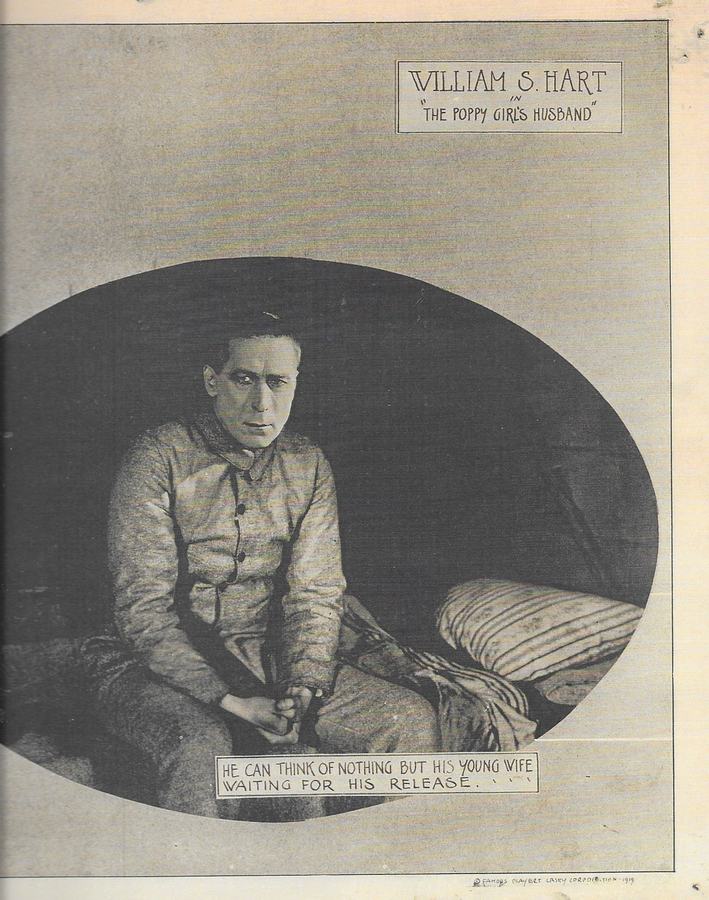
The silent era, a crucible of cinematic innovation, often presented narratives of stark morality, human frailty, and the relentless pursuit of justice, or its tragic subversion. In this rich tapestry, "The Poppy Girl's Husband" emerges as a particularly potent example, a film that delves deep into the psychological scars of incarceration and the bitter taste of betrayal. It’s a compelling piece from a bygone age, yet its themes resonate with an enduring power, reflecting the eternal struggles of honor, perfidy, and the relentless machinery of fate. From the moment Hairpin Harry Dutton steps out of the penitentiary gates, a man stripped of a decade of his life, the stage is set not for redemption, but for a devastating confrontation with a past that refuses to lie dormant.
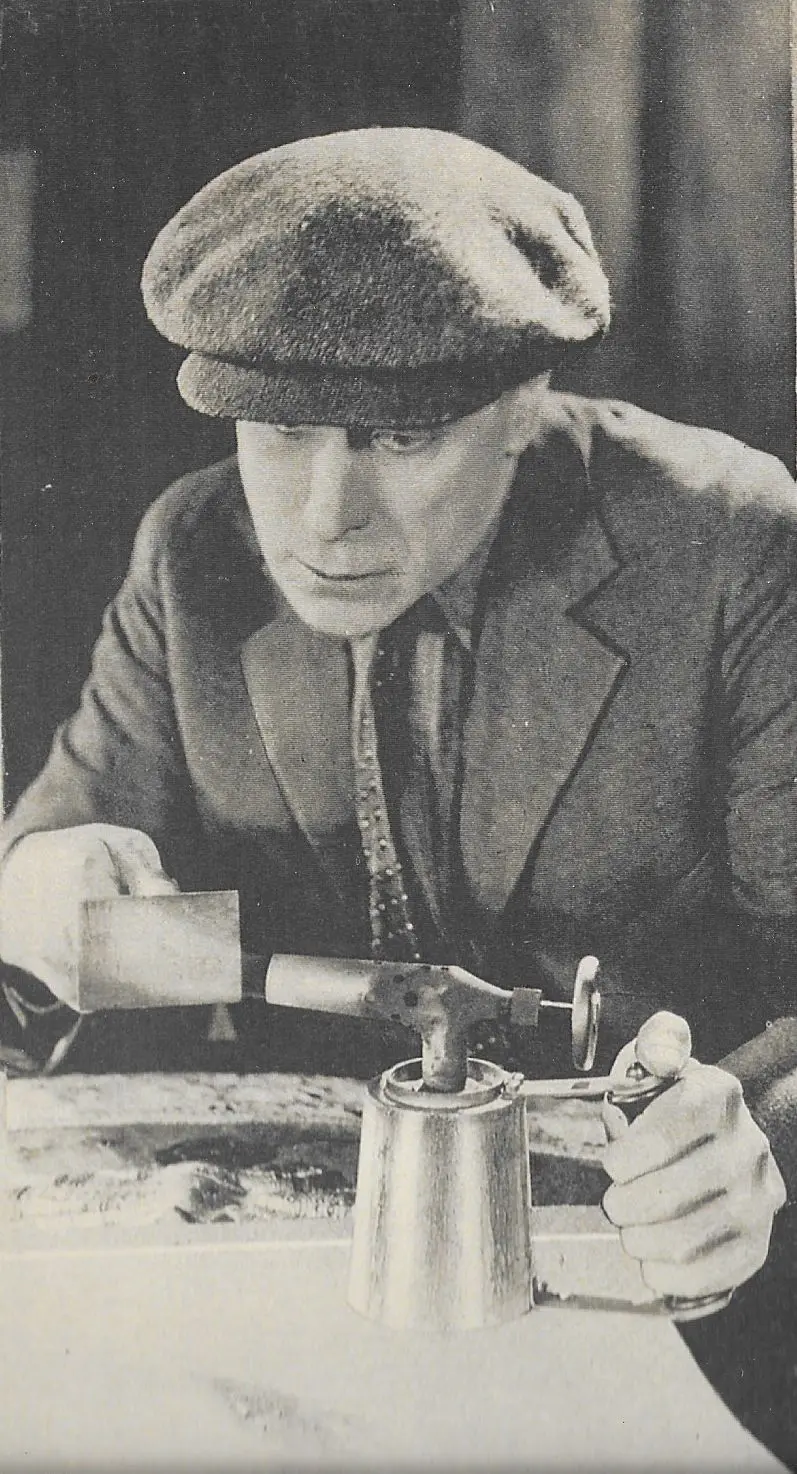
Harry Dutton's release from prison after a grueling ten-year sentence is not the dawn of freedom he might have envisioned. Instead, it’s a precipice from which he tumbles into an abyss of crushing personal revelation. The woman he left behind, Polly, his wife, has not only divorced him but has compounded the injury by marrying Big Mike McCafferty. This isn't merely a new husband; it's a profound, almost Shakespearean twist – McCafferty is the very detective whose testimony and relentless pursuit consigned Harry to those lost years behind bars. The narrative thus immediately establishes a triangle of devastating emotional weight: the wronged man, the faithless wife, and the lawman who is both architect of Harry's past suffering and beneficiary of his domestic ruin. Polly, however, cannot escape the specter of her own actions. Her fear, a corrosive internal force, dictates her subsequent choices. Apprehensive of Harry's justifiable wrath, a revenge she perhaps instinctively knows is her due, she conspires with McCafferty to frame her former husband, ensuring his return to the very system he has just escaped. It’s a chilling portrait of self-preservation taken to its most ruthless extreme, painting Polly not as a victim of circumstance, but as an active participant in a malevolent plot. The film, in its silent eloquence, meticulously unwraps these layers of deceit, presenting a world where justice is a malleable concept, easily bent by fear and self-interest.
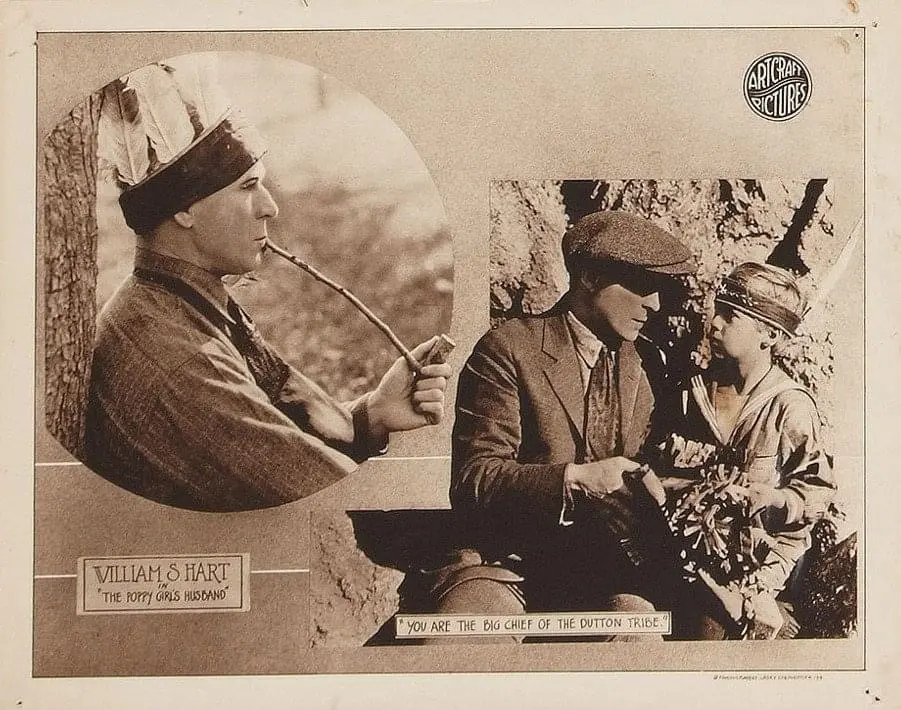
At the core of this visceral drama is the towering presence of William S. Hart as Hairpin Harry Dutton. Hart, an icon of early cinema, particularly renowned for his portrayals of the stoic, conflicted Western hero, brings a profound depth to Harry. His acting, characterized by minimal gestures and intense facial expressions, perfectly embodies the silent film aesthetic. He doesn't need dialogue to convey Harry's shattered hopes, his initial bewilderment, or the slow-burning realization of Polly's treachery. Hart's eyes, often downcast or fixed with a sorrowful intensity, speak volumes. He communicates the weight of ten years of incarceration – not just the physical toll, but the spiritual erosion. When he discovers Polly's new life, the shock registers not as an explosion of rage, but as a quiet, devastating implosion, a testament to Hart's nuanced performance. He crafts Harry as a man of principle, perhaps flawed in his past, but now seeking only a measure of peace, which is cruelly denied him. His portrayal elevates the film beyond a simple revenge plot, imbuing it with a tragic grandeur. His silent suffering is palpable, drawing the audience into Harry's internal world, making his inevitable confrontation with his betrayers feel not just justified, but tragically necessary. This type of performance, reliant on the actor's ability to project inner turmoil without spoken words, is a hallmark of the era, and Hart was arguably its finest practitioner. His work here is as compelling as his roles in The Peddler or Red Powder, where similar themes of a man against a corrupt world are explored with equal intensity.
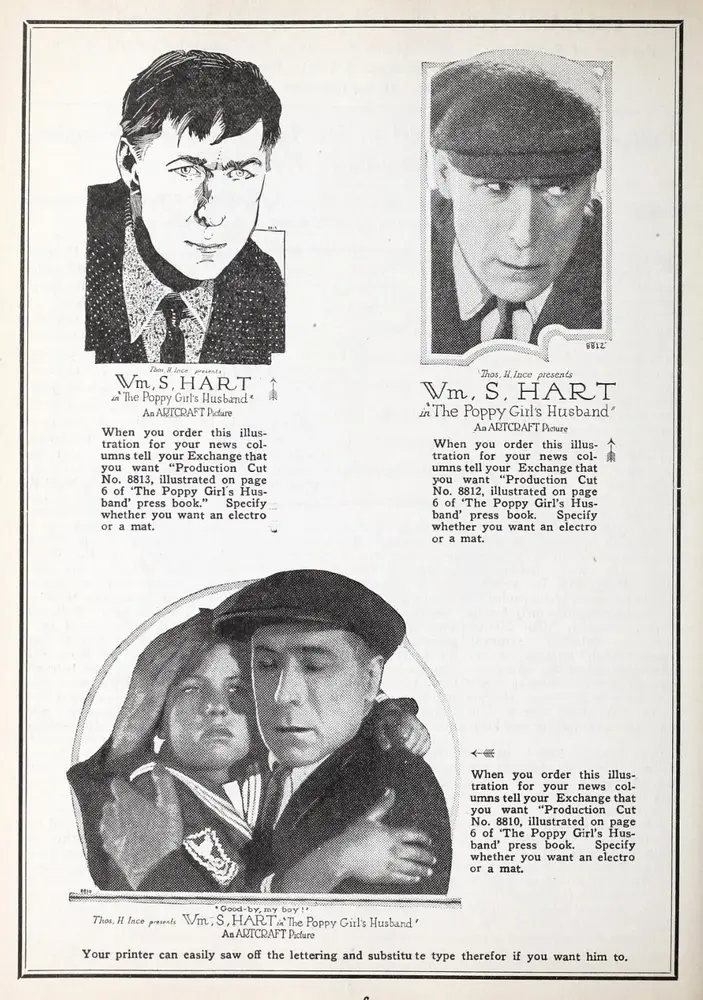
Beyond Hart's central performance, the ensemble cast contributes significantly to the film's tense atmosphere. Juanita Hansen, as Polly, delivers a portrayal of a woman driven by a complex mix of fear and self-interest. Her character is not simply a villain; she is a deeply conflicted individual whose choices, while reprehensible, stem from a desperate need to secure her own future, however ill-gotten. Her expressions, shifting from feigned innocence to calculating malice, are crucial in establishing the depth of her betrayal. Walter Long, likely playing Big Mike McCafferty, embodies the formidable, almost monolithic figure of the law, a man whose professional duty intertwines with personal gain, creating a morally ambiguous antagonist. His presence is imposing, a physical manifestation of the system Harry is up against. Leo Pierson, Fred Starr, Georgie Stone, and David Kirby round out the cast, each contributing to the fabric of the narrative, whether as unwitting pawns, loyal allies, or further obstacles in Harry's path. Their collective performances, though often in supporting roles, are vital in building the world Harry inhabits – a world where trust is a fragile commodity and betrayal lurks in unexpected corners. The interplay between these characters, often communicated through subtle glances and body language, is a testament to the sophisticated storytelling prevalent in the silent era. It reminds one of the intricate character dynamics seen in films like The Gray Mask, where every supporting role serves to heighten the central conflict.
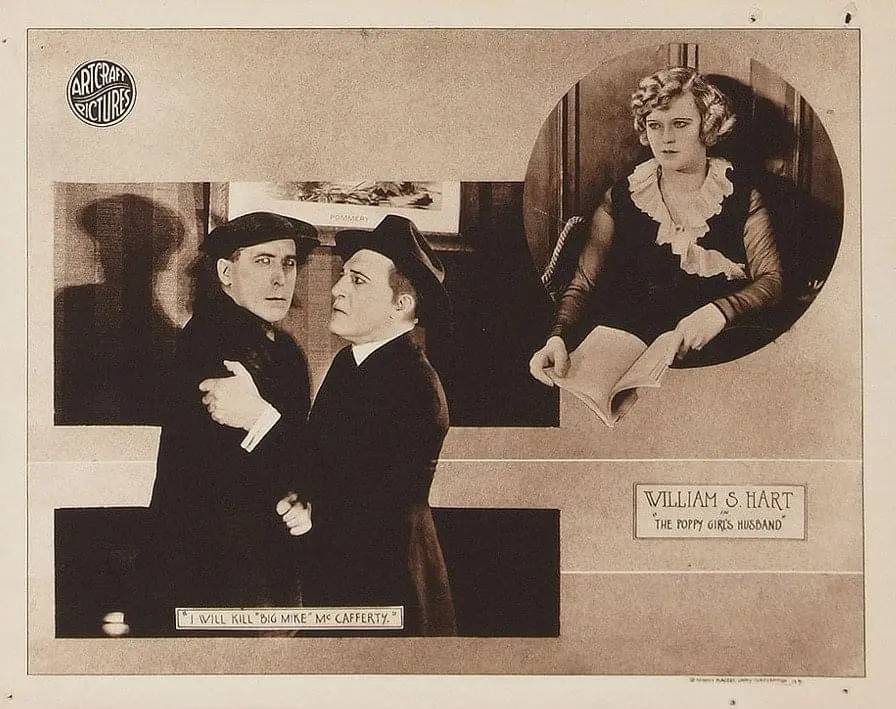
"The Poppy Girl's Husband" is more than a simple melodrama; it's a poignant exploration of justice, both legal and personal, and the often-blurred lines between them. Harry’s initial sentence, though served, leaves him with an indelible mark, and his subsequent framing highlights the vulnerability of individuals within a system that can be manipulated. The film raises uncomfortable questions about what constitutes true justice: Is it merely the letter of the law, or does it encompass a broader moral rectitude? Polly’s actions, driven by fear, are a mirror reflecting the societal anxieties of the time, where reputation and security could be precarious. The narrative masterfully navigates the complexities of revenge. Harry is wronged, profoundly so, but the film doesn't necessarily glorify his pursuit of vengeance. Instead, it examines the corrosive impact of such emotions, not just on the wronged, but on all involved. The visual storytelling, characteristic of the period, often uses stark contrasts – light and shadow, open spaces versus confined interiors – to symbolize Harry's emotional state and his entrapment. The choice of 'Poppy Girl' in the title might even hint at a deeper symbolism, perhaps referencing the ephemeral beauty and addictive nature of deceit, or the intoxicating allure of a life built on others' suffering. The film's ability to delve into these profound moral dilemmas without spoken dialogue is a remarkable achievement, relying entirely on the power of visual metaphor and the actors' expressive capabilities. It shares a thematic kinship with films like Exile, which similarly grapples with societal ostracism and the search for personal vindication against overwhelming odds.
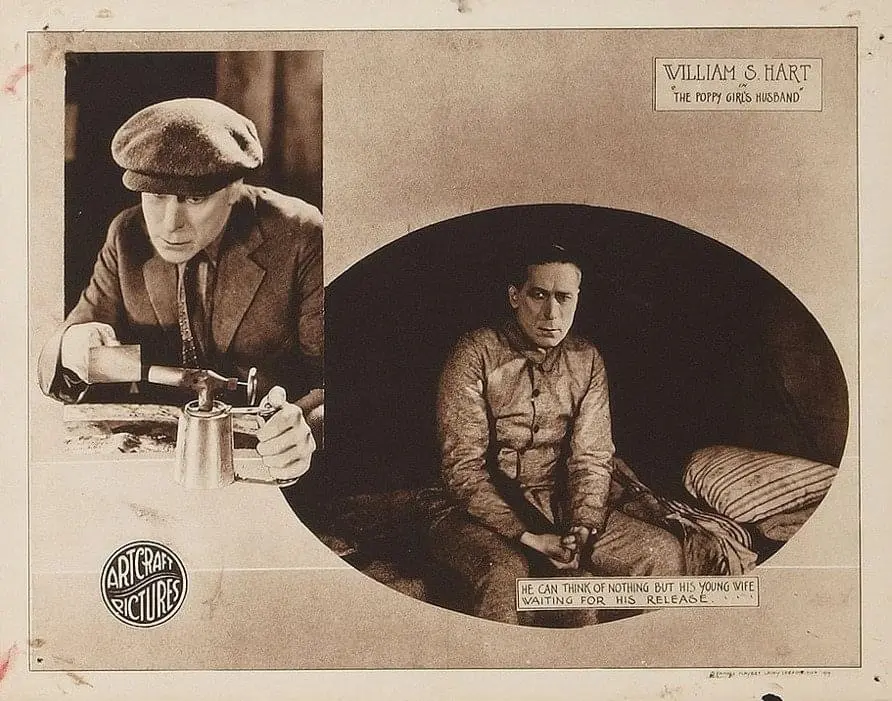
The compelling narrative structure of "The Poppy Girl's Husband" is undoubtedly a credit to its writers, Jack Boyle and C. Gardner Sullivan. Boyle, known for his crime stories, likely brought the intricate plot of legal manipulation and personal vendetta, while Sullivan, a prolific and highly respected screenwriter of the era, would have infused the story with its psychological depth and dramatic tension. Their collaboration evidently produced a screenplay that maximized the visual storytelling potential of silent film, crafting scenes that could convey complex emotions and plot twists through action and expression alone. The pacing of the film, from Harry's initial bewildered freedom to the escalating tension of Polly's plot, is meticulously controlled. Each intertitle, far from being a mere narrative crutch, serves to punctuate the drama, providing crucial insights into character motivations and advancing the plot with precision. The direction (though not explicitly named in the provided information, the collaborative effort of the production team is evident) demonstrates a keen understanding of cinematic language. The camera work, framing, and editing choices all work in concert to build suspense and convey the emotional weight of each scene. Consider the way a simple close-up on Harry's face can communicate a universe of pain, or how a wide shot can emphasize his isolation. This masterful blend of writing and visual execution ensures that the film remains engaging and impactful, even for modern audiences accustomed to sound and color. It's a testament to the foundational artistry of the silent era, demonstrating how powerful a story can be when told with such deliberate visual poetry. The narrative complexity and character development echo the sophistication found in works like Fantômas: The False Magistrate, which similarly relied on intricate plotting and visual cues to captivate its audience.
Placing "The Poppy Girl's Husband" within its historical context reveals its significance as a product of early 20th-century American cinema. It represents a period where filmmaking was rapidly evolving, moving beyond mere spectacle to embrace complex character studies and morally ambiguous narratives. The film's exploration of the justice system, personal betrayal, and the consequences of one's actions reflects broader societal concerns of the time. The popularity of stars like William S. Hart speaks to an audience's desire for heroes who, though often flawed, embodied a sense of integrity and a pursuit of what is right, even when the world around them was anything but. Comparing it to other films of the era, such as Dan Morgan or The Night Riders of Petersham, one can discern common threads of frontier justice or the individual's struggle against overwhelming forces. However, "The Poppy Girl's Husband" distinguishes itself with its intense focus on psychological drama rather than purely physical action, showcasing a growing maturity in narrative ambition. The film's ability to maintain suspense and emotional engagement without spoken dialogue or elaborate special effects underscores the power of compelling storytelling and masterful performances. It reminds us that the essence of cinema lies in its capacity to transport, to evoke, and to reflect the human condition in all its intricate glory and despair. The themes of trust and deceit, and the vulnerability of the individual, are timeless, making this silent film a surprisingly contemporary viewing experience. It's a prime example of how foundational silent films laid the groundwork for all cinematic storytelling to follow, proving that a compelling narrative, delivered with conviction, transcends technological limitations.
The enduring power of "The Poppy Girl's Husband" lies in its unflinching portrayal of human nature at its most desperate and calculating. It is a stark reminder that freedom, once granted, can be a fragile illusion, easily shattered by the ghosts of the past and the machinations of those who fear its return. William S. Hart, with his unparalleled ability to convey profound emotion through subtle means, anchors a narrative that is as tragic as it is compelling. This film, a true artifact of its time, continues to speak to the universal human experience of betrayal, resilience, and the relentless quest for a truth that often remains elusive. It is a testament to the silent era's artistic prowess, proving that even without a single spoken word, a story can resonate with the force of a thunderclap, leaving an indelible mark on the viewer's psyche. Its legacy is not just as a historical curiosity, but as a vibrant, emotionally charged drama that demands to be seen and appreciated for its timeless artistry. For those interested in the intricacies of crime and consequence, comparing it to Unclaimed Goods offers another fascinating perspective on how early cinema tackled the complexities of the legal and moral landscape.
IMDb 6.9
1931
Community
Log in to comment.