DbcultAccessing Vault...
Cult Review
Senior Film Conservator
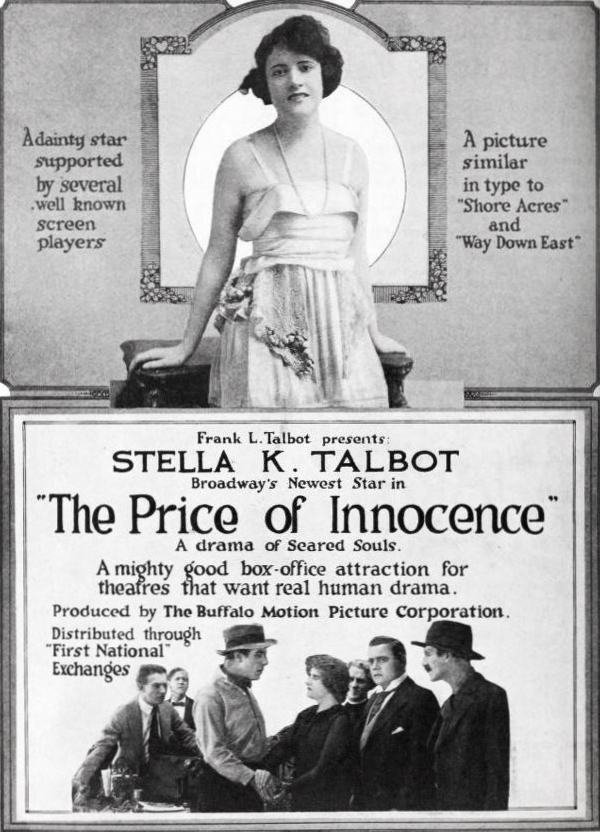
There’s a certain magic to silent cinema, a unique alchemy that transcends spoken dialogue to communicate profound truths through gesture, expression, and the sheer power of visual storytelling. The Price of Innocence, a film that might otherwise be relegated to the dusty archives of cinematic history, emerges as a surprisingly resonant and emotionally charged experience, one that speaks volumes about human nature, societal hypocrisy, and the enduring struggle between rigid morality and genuine compassion. It’s a narrative tapestry woven with threads of class conflict, spiritual conviction, and the often-brutal consequences of misplaced judgment.
At its core, the film presents a parable of profound simplicity, yet its implications ripple with complexity. We are introduced to the benevolent, if somewhat quixotic, Old Man Greyson, a millionaire whose philanthropic impulses lead him to an extraordinary act of generosity. He 'sells' Goose Island, a rugged outpost off the coast of Maine, to a community of pious fisher folk for the nominal sum of three fish. This transaction, almost mythical in its inception, establishes a foundational conflict that drives the entire narrative. It's a testament to the film's ability to imbue even the most mundane details with symbolic weight; these three fish become more than currency—they are a covenant, a promise, a symbol of a different kind of economy where human connection and faith outweigh material wealth.
Years pass, and the idyllic, if precarious, existence of the islanders is shattered by the inexorable march of time and legal technicalities. Greyson dies, and with him, the physical proof of the deed, the very parchment that legitimizes the islanders' claim, is lost. This plot device, while seemingly straightforward, carries a heavy burden of dramatic irony. The initial act of kindness is undermined not by malice, but by oversight, setting the stage for an inevitable collision course. Enter George Greyson, the departed millionaire’s son. A man of the modern world, perhaps less attuned to the spiritual nuances of his father's generosity, he views the island as an asset, its inhabitants as squatters, and their 'fish story' as an absurd fable, a quaint but ultimately meaningless anecdote in the face of legal precedent. This immediate clash between the pragmatic, capitalistic mindset of George and the faith-driven, communal existence of the islanders forms the central ideological battleground of the film.
George’s initial response is one of dismissive aggression. He dispatches men, not to negotiate, but to confront, to enforce, to evict. It’s a classic portrayal of the powerful against the powerless, a theme that echoes through countless narratives, from The Swagman's Story with its tales of colonial land struggles to even contemporary dramas exploring urban displacement. However, the narrative pivots dramatically with the introduction of Mary Aldron, the beautiful and virtuous ward of the village minister. Mary is not just a character; she is an archetype of purity, a beacon of unblemished innocence in a world increasingly tainted by cynicism and avarice. Her plea to George is not merely a request for leniency, but an appeal to a higher moral authority, a challenge to his hardened worldview.
The film then delves into a fascinating psychological study as George, intrigued and perhaps subtly disarmed by Mary’s unwavering integrity, proposes an audacious bargain: he will withdraw his men if she agrees to be his house guest for ten days. This proposition, fraught with implied menace and veiled seduction, sets the stage for the film’s most nuanced exploration of character. It’s a dangerous game, a test of wills and virtues, reminiscent of the intricate social dances found in films like A Venetian Night, where personal integrity is often pitted against worldly temptation. Stella K. Talbot, in her portrayal of Mary Aldron, delivers a performance that transcends the limitations of the silent era. Her expressions, her posture, the very tilt of her head, convey a depth of character that is both vulnerable and indomitable. One can almost feel the quiet strength emanating from her, a moral fortitude that proves impervious to George’s calculated advances.
Indeed, it is Mary’s unwavering innocence, her unyielding moral compass, that ultimately disarms George. His plans for seduction crumble not under external pressure, but under the weight of her intrinsic goodness. He is humbled, transformed by the sheer purity of her spirit. This transformation is crucial, marking George’s journey from antagonist to potential redeemer. It’s a narrative arc that speaks to the power of genuine human connection to elicit profound change, a theme explored in other films focusing on redemption, such as The Beloved Impostor, where flawed individuals find their moral bearings through unexpected encounters.
Yet, the narrative is far from a simple tale of conversion. Upon her return to Goose Island, Mary faces a cruel twist of fate. Her community, once admiring, now turns on her with a vengeance, publicly denouncing her as a harlot. This sudden, brutal shift in perception highlights the fragile nature of reputation and the destructive power of rumor and self-righteous judgment. The irony is palpable: Mary, who resisted seduction and upheld her virtue, is condemned by those who ostensibly champion morality. Even the man she loves, a former derelict whom she had personally helped reform, turns against her, blinded by communal prejudice. This betrayal cuts deeper, illustrating how easily fragile faith can be swayed by the prevailing winds of suspicion and gossip. The community's actions here echo the harsh, unforgiving societal judgments seen in dramas like The Wall Between, where individuals are often trapped by the rigid expectations and condemnations of their peers.
Desperate and with nowhere else to turn, Mary seeks refuge once more with George. This second encounter is tinged with different emotions, a newfound respect and burgeoning affection on George’s part, and a profound vulnerability on Mary’s. However, another misunderstanding, a cruel twist of fate or perhaps a lingering shadow of the past, compels her to return to the island, to face her accusers and her fate. This cyclical return amplifies the sense of tragic inevitability, making George’s subsequent actions all the more impactful.
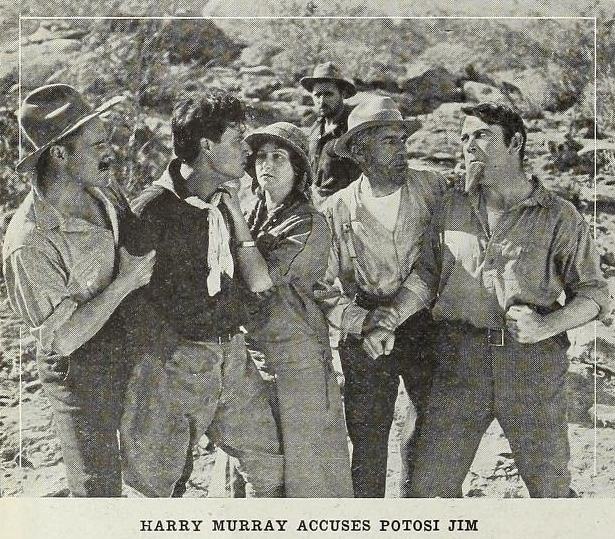
The climax of The Price of Innocence is a dramatic tour de force, a visceral confrontation between archaic punishment and burgeoning love. George, now fully committed to Mary and irrevocably changed by her influence, pursues her to the island. He arrives just as the community prepares to brand her with a gold cross, a public mark of shame designed to permanently scar both her flesh and her reputation. This scene is visually striking, a powerful tableau of mob mentality and individual courage. George's intervention is not merely physical; it is a symbolic battle against ignorance, prejudice, and the very concept of collective condemnation. His fight to save her from this barbaric ritual is a testament to his complete transformation, a full embrace of the love and respect he now harbors for Mary. It's a moment that resonates with the heroic interventions seen in action-packed narratives such as The Messenger or even the moral standpoints of characters in Scotland Forever, albeit in a dramatically different context.
The performances across the board are commendable, especially considering the expressive demands of silent film. Stella K. Talbot, as Mary, carries the emotional weight of the film with grace and conviction. Her ability to convey profound suffering, unwavering resolve, and ultimately, burgeoning love without uttering a single word is a masterclass in silent acting. Stanley Walpole, as George, navigates a complex character arc with skill, moving from cynical opportunist to empathetic hero. Margaret Campbell, Jack W. Johnston, George S. Trimble, Anders Randolf, Howard Hall, and John Smiley all contribute to a rich ensemble, each face telling a story, each gesture adding to the film’s textured reality. The direction, guided by the vision of writer Frank L. Talbot, maximizes the dramatic potential of every scene, using stark contrasts in lighting and composition to underscore emotional states and thematic conflicts.
The film’s exploration of faith is particularly intriguing. The fisher folk are depicted as deeply religious, yet their piety curdles into a harsh, punitive judgment. This juxtaposition challenges simplistic notions of morality, suggesting that true faith lies not in rigid adherence to dogma or the condemnation of others, but in compassion, understanding, and the willingness to forgive. It’s a nuanced critique that prevents the film from becoming a mere melodrama, elevating it to a more thoughtful commentary on the human condition. One might draw parallels to the complexities of moral dilemmas in films like What the Gods Decree, where divine will and human interpretation often collide with devastating consequences.
Visually, The Price of Innocence is a captivating experience. The stark beauty of the Maine coast provides a dramatic backdrop, its ruggedness mirroring the trials faced by the characters. The use of natural light and shadow, characteristic of the era, creates a sense of authenticity and mood that is both evocative and timeless. The close-ups on the actors' faces, a staple of silent film, allow for an intimate connection with their inner turmoil and triumphs. The pacing, while deliberate, never drags, building tension effectively towards its dramatic crescendo.
Ultimately, Mary’s acceptance of George’s love at the film’s conclusion is not just a romantic resolution; it’s a symbolic triumph of enlightened affection over entrenched prejudice. It signifies a shedding of the old, rigid ways and an embrace of a more compassionate, understanding future. The 'price of innocence' here is not merely Mary's suffering, but the societal cost of its misunderstanding and condemnation. The film asks us to reflect on what truly constitutes virtue and how easily it can be mistaken, distorted, and punished by those who claim to uphold it. It's a powerful reminder that true innocence is not a shield against the world's harshness, but often a catalyst for profound personal and communal change.
While the narrative structure follows many conventions of early 20th-century drama, its thematic depth and the compelling performances elevate it beyond a mere historical curiosity. It stands as a testament to the enduring power of storytelling, proving that even without spoken words, a film can articulate profound truths about the human heart and the complex tapestry of societal interaction. For those interested in the evolution of cinematic narrative and the timeless exploration of moral quandaries, The Price of Innocence offers a rich and rewarding viewing experience, a silent film that speaks volumes to the modern sensibility. It's a compelling piece of work that, like The Man Who Stayed at Home, shows how seemingly simple premises can unpack layers of human drama, or like Boots, reveals the unexpected resilience of character in the face of adversity. The film's message, that genuine goodness can soften the hardest hearts and challenge the most entrenched dogmas, remains as relevant today as it was in its own time.
The subtle interplay of light and shadow, the evocative score (which, though absent in the original viewing, is often reconstructed for modern audiences), and the profound expressiveness of the cast, particularly Stella K. Talbot, coalesce to create an unforgettable cinematic journey. Frank L. Talbot’s writing, while adhering to the dramatic conventions of the era, manages to imbue the characters with a believable humanity, making their struggles and triumphs genuinely felt. The journey of Mary, from a symbol of purity to a victim of public vilification, and then to a woman who finds love and vindication, is deeply moving. Similarly, George’s transformation from a cynical heir to a valiant protector is equally compelling. The film doesn't shy away from depicting the ugliness of mob mentality, making the resolution all the more powerful. This cinematic gem, despite its age, continues to resonate, reminding us that the 'price' of maintaining one's innocence in a judgmental world is often immense, but ultimately, its value is immeasurable.
IMDb 7.1
1934
Community
Log in to comment.