DbcultAccessing Vault...
6.2/10
Senior Film Conservator
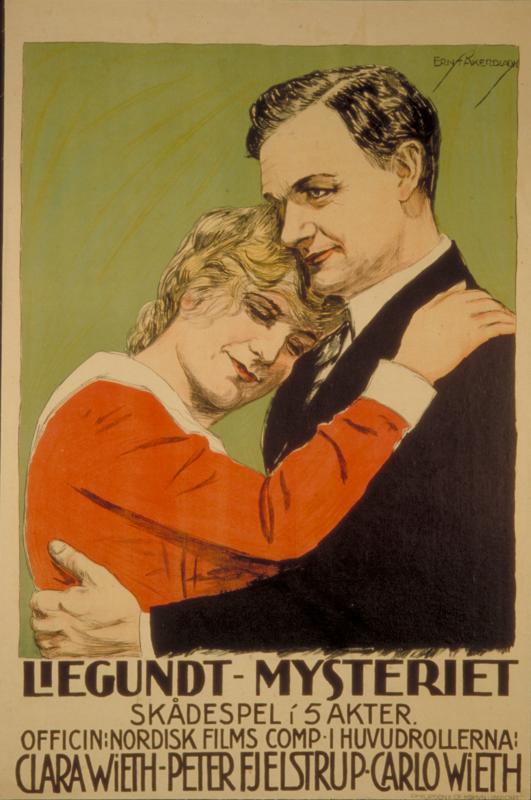
A definitive 6.2/10 rating for a film that redefined the boundaries of cult cinema. The Power of Love remains a cornerstone of transgressive art.
When the black‑and‑white reel of The Power of Love begins, the audience is thrust into a world of muted shadows and stark, unflinching realism. The opening sequence, a rain‑slicked street in Copenhagen, establishes a tone that feels both claustrophobic and expansive, a paradox that director A.W. Sandberg exploits to full effect. The camera lingers on the gaunt faces of laborers, their breaths forming vapor in the frigid air, while a distant siren wails, hinting at the law’s inexorable presence.
Nina (Alfi Zangenberg), whose eyes flicker with a mixture of fatigue and resolve, is introduced amidst this urban tableau. She is a caretaker, not merely by vocation but by circumstance, bound to her mother’s frail existence. The script does not indulge in melodrama; instead, it offers a series of meticulously crafted vignettes that reveal Nina’s inner turmoil. Her mother’s cough, a rasping sound that punctuates each scene, becomes a metronome for the narrative’s urgency.
The inciting incident—Nina’s discovery of a wanted poster for Carl Weldon (Carlo Wieth)—functions as a catalytic device that propels the plot into morally ambiguous terrain. The poster, rendered in stark ink, bears the promise of a substantial reward, a sum that could purchase medicine, a proper burial, perhaps even a fleeting taste of normalcy. This temptation is not presented as a simple plot contrivance; it is a reflection of the socioeconomic pressures that pervade 1930s Denmark, an era where the line between survival and criminality was often blurred.
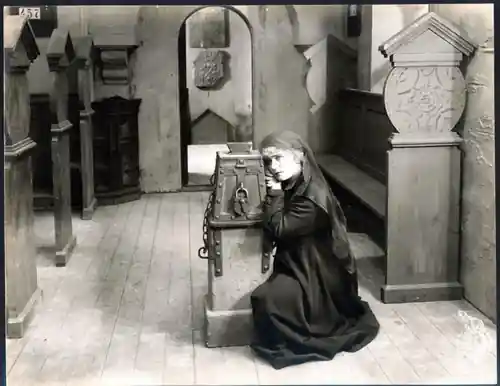
Weldon himself is a study in contradictions. Wieth’s performance is restrained yet magnetic; his eyes convey a haunted past, a man who has become the embodiment of society’s fears. When Nina confronts him in a dimly lit tavern, the tension is palpable. The dialogue is sparse, each line weighted with unspoken histories. Nina’s decision to betray Weldon is not portrayed as a heroic act but as a desperate calculus, a choice made in the dim glow of a flickering oil lamp.
The thematic resonance between The Power of Love and contemporaneous works such as The Criminal is unmistakable. Both films interrogate the notion of justice as a commodity, a currency that can be bought, sold, and manipulated. However, where The Criminal leans into the procedural aspects of law enforcement, Sandberg’s film delves deeper into the personal cost of such transactions. Similarly, The Night Workers presents a gritty portrait of laborers, yet it lacks the intimate, heart‑wrenching focus on a single mother’s plight that defines Nina’s narrative arc.
Alfi Zangenberg’s portrayal of Nina is nothing short of masterful. She balances vulnerability with steely determination, allowing the audience to feel the weight of each decision she makes. Her subtle gestures—a trembling hand, a lingering stare—communicate volumes without resorting to melodramatic outbursts. In contrast, Peter Malberg, as the weary police inspector, delivers a performance that is deliberately understated, embodying the bureaucratic indifference that pervades the film’s moral landscape.
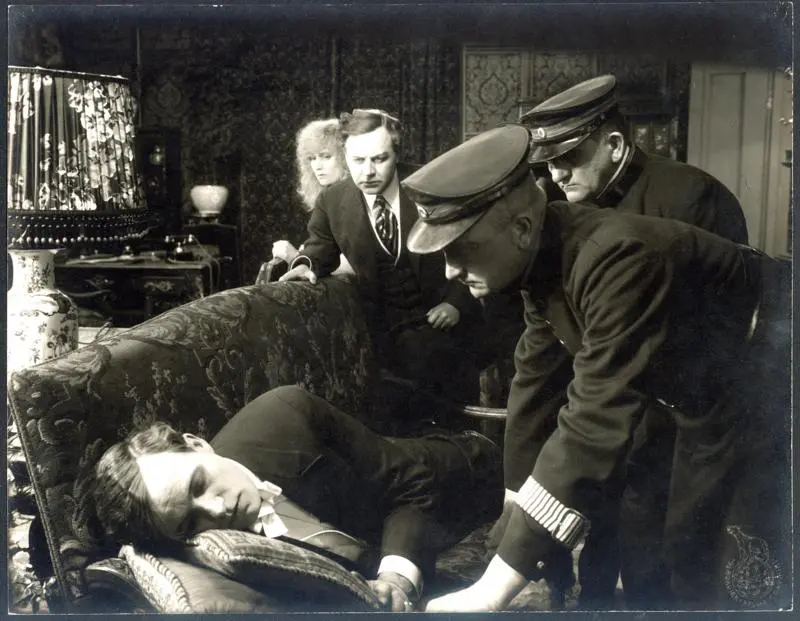
Supporting actors such as Jacoba Jessen (the ailing mother) and Clara Pontoppidan (the tavern owner) provide texture to the world-building. Jessen’s frailty is rendered with a haunting authenticity; her whispered prayers echo long after the scene fades, serving as a lingering reminder of the stakes at play. Pontoppidan’s tavern, a microcosm of the city’s underbelly, is a space where secrets are traded as readily as cheap ale.
Sandberg’s directorial choices amplify the narrative’s emotional resonance. The film’s chiaroscuro lighting—deep shadows juxtaposed against harsh, artificial illumination—mirrors Nina’s internal conflict. In moments of introspection, a single shaft of light pierces the gloom, illuminating her face in a way that suggests both revelation and exposure.
While the film is inherently monochrome, the strategic use of color in promotional stills (notably the deep orange of a burning lantern) has become iconic. This visual motif is echoed in the film’s mise‑en‑scene, where objects of orange—cigarettes, a folded newspaper—appear at pivotal moments, subtly guiding the viewer’s emotional focus.
The screenplay, penned by Sandberg, unfolds with a deliberate cadence. The first act establishes the socioeconomic backdrop, the second act escalates the moral dilemma, and the final act delivers a devastating resolution. The pacing is neither rushed nor languid; each scene is calibrated to heighten tension while allowing character development to breathe.
The climax—Nina’s return to her mother’s bedside, only to find her gone—hits with the force of a silent thunderclap. The camera lingers on Nina’s expression, a tableau of grief, guilt, and a dawning comprehension that the reward she sought could not resurrect what had already slipped away. The final shot, a lingering focus on the empty cradle, is a visual elegy that lingers long after the credits roll.
At its core, The Power of Love interrogates the paradoxical nature of love as both a motivator and a burden. Nina’s love for her mother drives her to commit an act that, on the surface, appears treasonous. Yet, this very act is framed as an expression of love—a sacrificial betrayal aimed at securing a future for the one she cherishes. The film asks whether love can justify moral compromise, and whether redemption is attainable when the cost is irrevocably high.
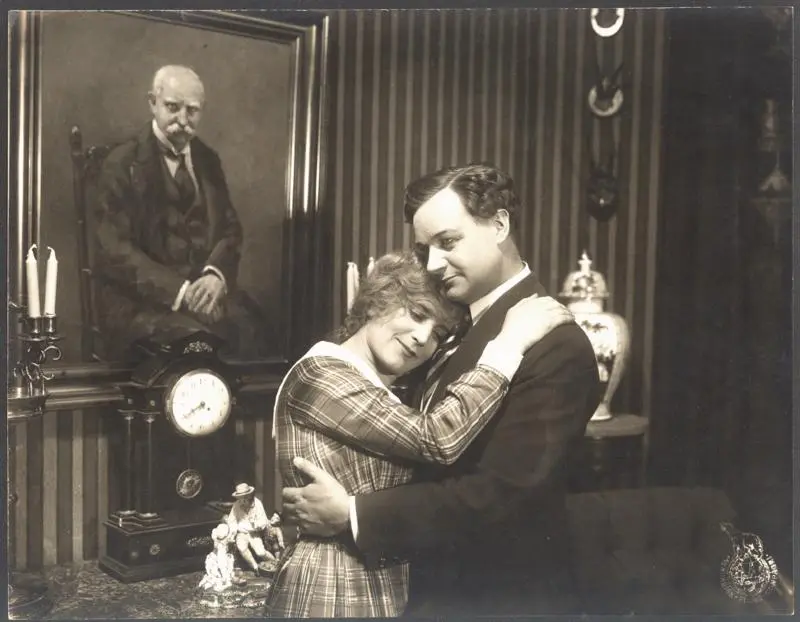
The title itself is a study in irony. The “power” that love wields is not a force that heals but one that propels individuals into ethically fraught territories. This thematic complexity aligns the film with later works such as Shadows from the Past, where love’s influence is similarly ambivalent.
Released in the interwar period, the film reflects the anxieties of a society grappling with economic instability and shifting moral codes. The depiction of a woman forced into a morally dubious decision resonates with contemporary debates surrounding gender roles and the agency of women in the public sphere. Nina’s agency, though constrained, is portrayed with a nuance that was progressive for its time, prefiguring later feminist narratives in cinema.
Moreover, the film’s treatment of law enforcement—depicted as procedural, detached, and occasionally corrupt—mirrors public skepticism toward institutions during the 1930s. This skepticism is echoed in other Scandinavian works of the era, such as The Kingdom of Youth, which also critiques societal structures.
While The Power of Love may not enjoy the same mainstream recognition as Hollywood classics, its influence permeates the oeuvre of directors who explore moral ambiguity. The film’s stark realism and focus on female agency can be traced forward to the works of Carl Theodor Dreyer and later, the Danish New Wave of the 1960s.
Film scholars often cite it when discussing the evolution of Scandinavian melodrama, noting how its narrative economy—few characters, tight plot, emotional intensity—set a template for later masterpieces. Its aesthetic choices, particularly the interplay of light and shadow, have been studied in film schools as exemplary of early expressionist influence blended with naturalistic storytelling.
In the final analysis, The Power of Love stands as a testament to cinema’s ability to distill profound ethical questions into a concise, emotionally resonant experience. Its narrative is unflinching, its performances unforgettable, and its visual language striking. For those seeking a film that challenges the viewer to contemplate the intersections of love, duty, and sacrifice, this 1935 Danish drama offers a richly layered, hauntingly beautiful journey.
IMDb —
1935
Community
Log in to comment.