DbcultAccessing Vault...
Cult Review
Senior Film Conservator
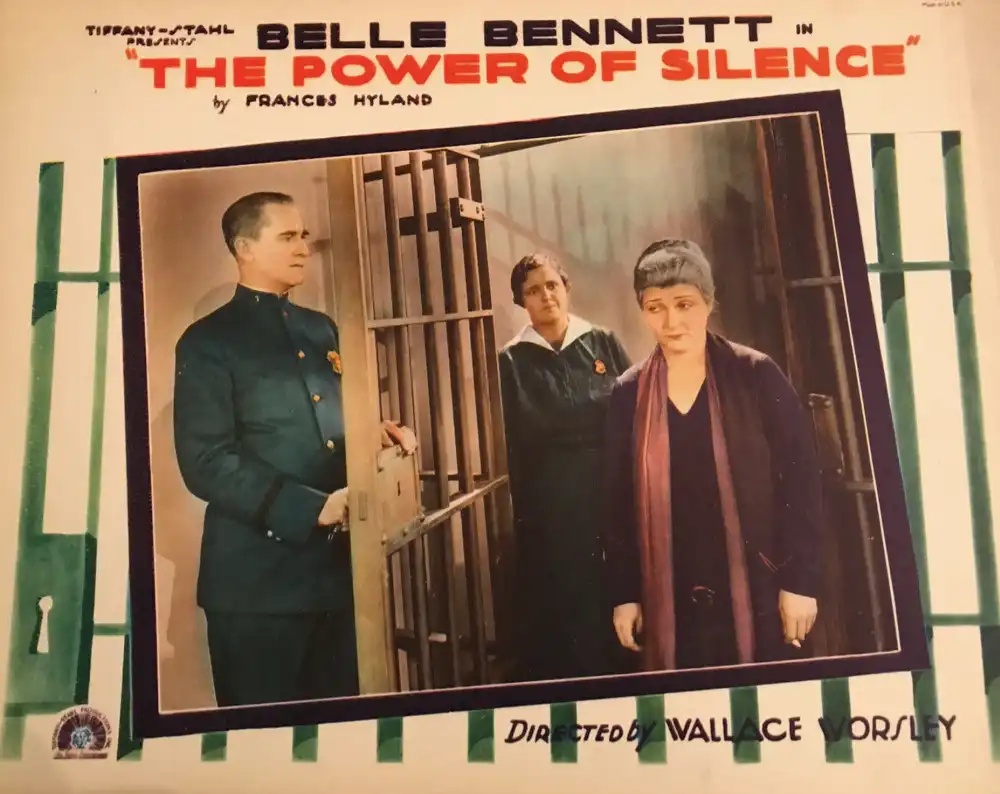
Okay, look. If you’re not already the type to spend a quiet afternoon with a century-old silent film, The Power of Silence probably isn't going to be your gateway drug. This one is for the patient, for the curious who want to see how stories were told before sound, before even a consistently smooth camera movement was a given. If you're looking for modern pacing, subtle performances, or anything resembling contemporary dialogue, you'll likely be bored stiff. But if you can settle in, there are some genuinely fascinating, if sometimes baffling, moments to unpack.
Belle Bennett, as the put-upon heroine, really throws herself into it. There’s a scene early on where she learns of her father’s financial ruin, and her reaction is... grand. Her hands fly to her face, then she clutches her chest, then she staggers back three full steps before collapsing onto a chaise. It’s a whole physical soliloquy. You can almost feel the director telling her to make it bigger. But then, a few reels later, there’s a quiet moment where she’s just staring out a window, and for a split second, you catch a flicker of real, understated sadness in her eyes. It’s almost startling how effective it is, buried amidst all the melodrama.
Jack Singleton, playing the earnest but perpetually bewildered hero, is a bit of a mixed bag. He’s got the dashing looks, sure. But his heroic stances, especially when confronting Anders Randolf’s sneering villain, feel so practiced. Like he’s hitting a mark for a still photograph. You can practically hear the stage directions in your head: 'Chin up, chest out, now glare!' The chemistry between him and Bennett is... there, sometimes. Other times, it feels like they’re acting in two different movies, occasionally bumping into each other on set.
The intertitles are a trip. Some are perfectly serviceable, moving the plot along with a clean statement. Then others swing wildly into florid, almost poetic declarations that are so over-the-top they become funny. "Alas, my soul is a tempest-tossed vessel upon the cruel seas of fate!" reads one, right after a character spills a cup of tea. It’s hard not to chuckle. You wonder if the writers, Fanny Hatton and Frederic Hatton, were having a laugh, or if this was genuinely considered profound at the time. Frances Hyland also gets a writing credit; maybe she was responsible for the more grounded ones.
Pacing is a real issue here. The first act sets up the stakes at a glacial pace. There are so many drawn-out scenes of people just looking at each other, or walking slowly across a room, that the silence starts to feel awkward rather than emotional. You could probably shave off fifteen minutes from the opening alone. Then, when the plot finally kicks into gear – a lost will, a conniving relative, a desperate search – things start happening so fast it’s almost disorienting. The final chase sequence, if you can call it that, feels rushed and a bit muddled, making the big 'reveal' less impactful than it should be.
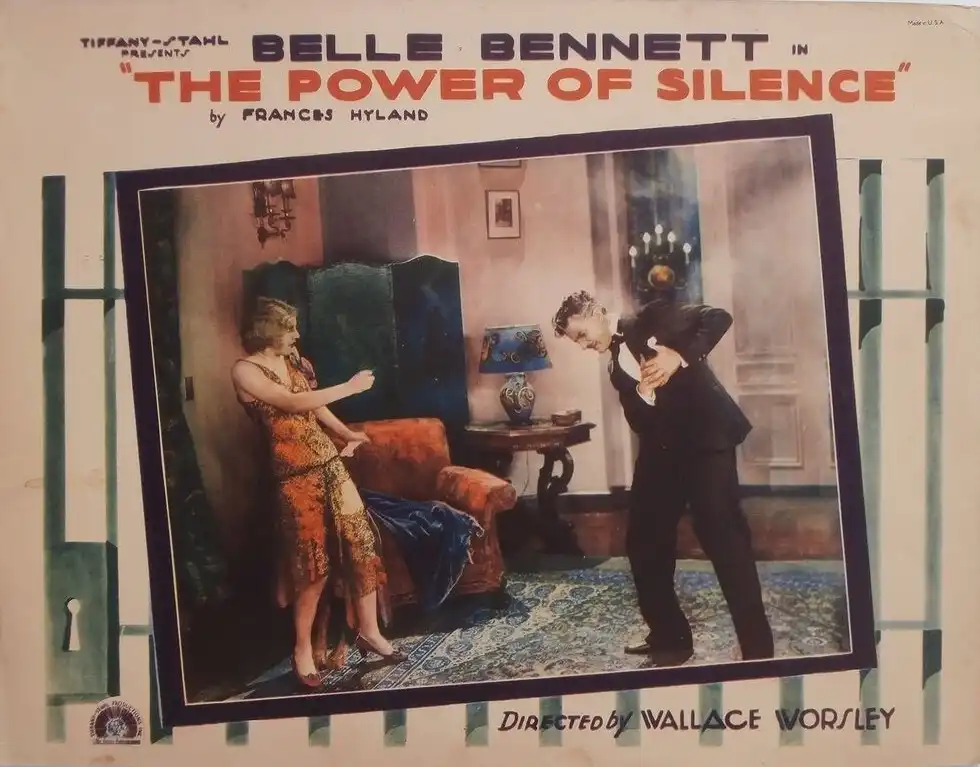
Anders Randolf, as the primary antagonist, is easily the most consistent performance. He knows exactly what kind of movie he’s in. His sneer is legendary. His mustache practically acts on its own, twitching with villainous glee. Every time he enters a scene, the film gets a jolt of energy. You just want to boo him, which is exactly what you want from a silent film villain. John St. Polis and Raymond Keane have smaller roles, and they mostly fade into the background, though St. Polis has a memorable moment where he dramatically rips up a paper.
Visually, it's a mixed bag too. The interior sets, particularly the grand mansion, are quite impressive for the era, full of heavy furniture and ornate details. But then you get to the exterior shots, and it’s a different story. The 'garden' scene where Belle Bennett’s character mourns her fate is clearly a painted backdrop, and the way the stage lights hit it just makes it look flat. There's this one shot where a birdcage is prominently displayed in the foreground of a tense conversation, completely irrelevant, just... there. It’s a strange choice, almost distracting.
The costumes are mostly fine, but there’s a distinct lack of consistency. Belle Bennett’s character is supposed to be impoverished for a good chunk of the film, but her 'poor' dress still looks like it was made by a very competent tailor with access to some decent fabric. It never quite sells the hardship. Meanwhile, Virginia Pearson, as the villainess, gets some truly outlandish gowns that are fantastic in their impracticality.
There are moments where the film tries to build suspense, but the editing often gives it away. When the villain is about to do something dastardly, the camera cuts to his face, then a close-up on his hand, then back to his face with a knowing smirk, all before the hero has even a hint of a clue. It’s like the movie is shouting "LOOK! HE'S THE BAD GUY!" in case you somehow missed it. This kind of telegraphing really undermines any tension they’re trying to build.
Still, for all its quirks and pacing issues, there’s a certain charm to The Power of Silence. It’s a window into a different era of filmmaking, full of earnest intentions and dramatic flourishes. You find yourself appreciating the small victories, like a genuinely well-composed shot or an intertitle that doesn't make you wince. It’s not a masterpiece, and it probably won't convert anyone new to silent cinema, but for those who already appreciate the form, it offers enough interesting missteps and surprising successes to make it a worthwhile watch. Just don’t expect to be on the edge of your seat the whole time. You might even find yourself laughing at the wrong parts, which, honestly, is part of the fun.
IMDb 6.4
1934
Community
Log in to comment.