DbcultAccessing Vault...
6.2/10
Senior Film Conservator
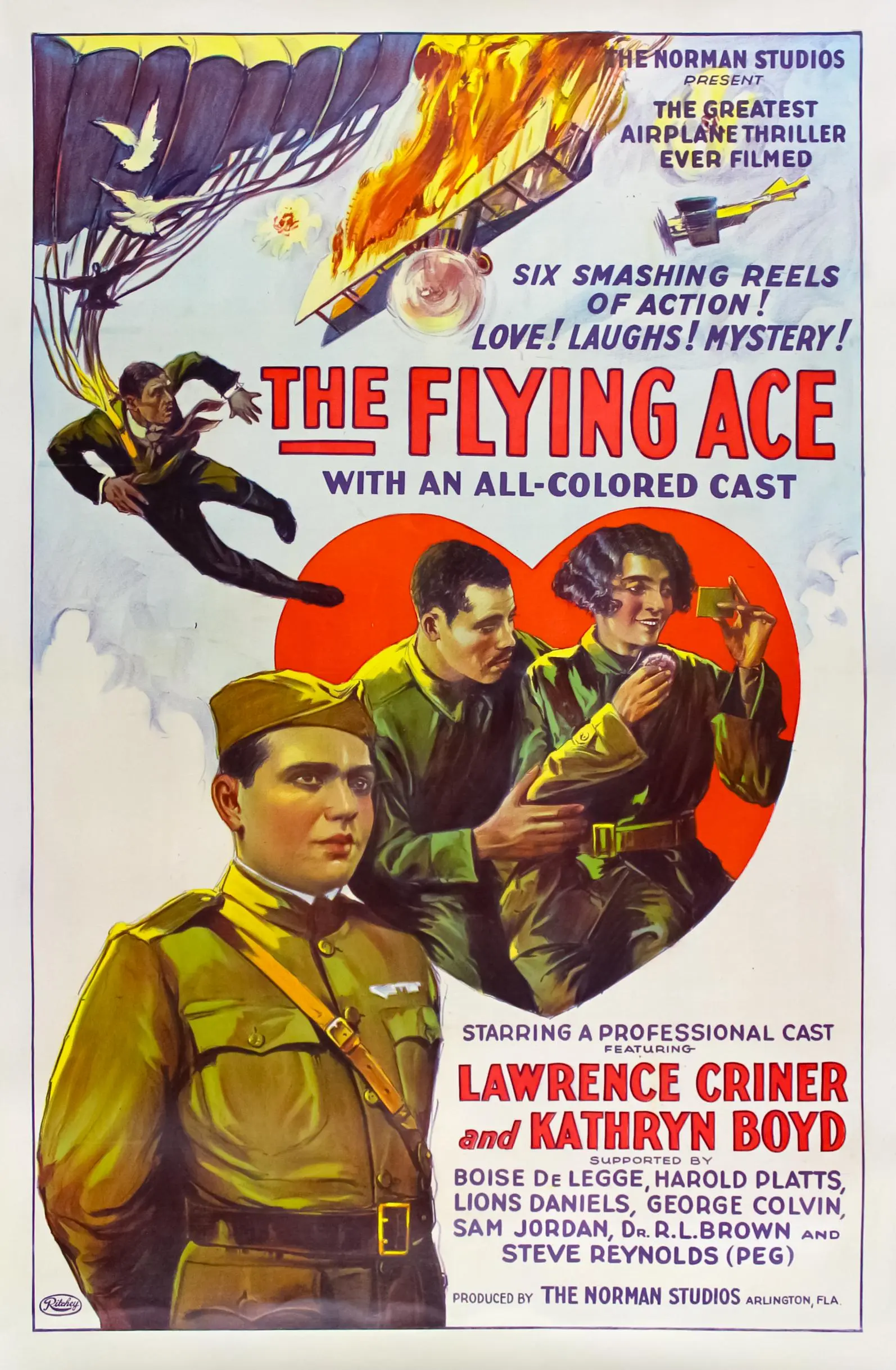
A definitive 6.2/10 rating for a film that redefined the boundaries of cult cinema. The Flying Ace remains a cornerstone of transgressive art.
Should you invest nearly an hour of your life into a silent film from 1926? Short answer: yes, but only if you value historical subversion over modern spectacle. This is not a film for those seeking the high-octane thrills of contemporary aviation cinema. It is, however, an essential watch for anyone interested in the evolution of Black identity on screen. It is for the historian; it is not for the blockbuster addict.
The Flying Ace occupies a unique space in the 'race film' industry of the early 20th century. Produced by the Norman Studios in Jacksonville, Florida, it was a direct challenge to the caricatures prevalent in Hollywood at the time. It works. But it’s flawed.
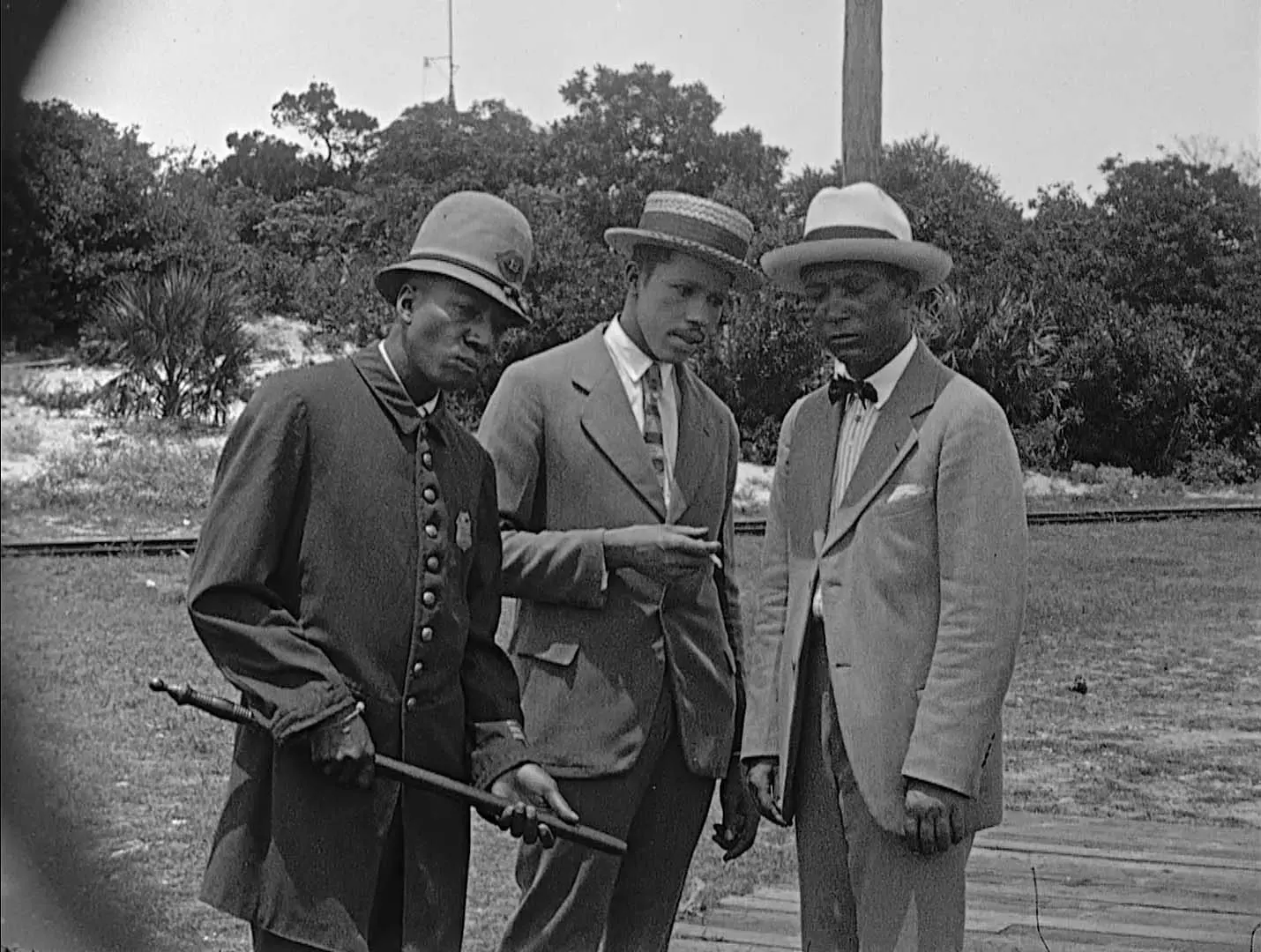
If you are looking for a technical marvel of 1920s cinematography, you might be disappointed. However, if you want to see a film that treats its Black characters with an inherent dignity that was nearly non-existent in mainstream 1920s cinema, it is mandatory viewing. It provides a window into a world where a Black hero could be a war veteran and a detective without the script making his race the central conflict.
1) This film works because it presents a Black protagonist, Captain Billy Stokes, as a figure of absolute competence and authority.
2) This film fails because its 'aerial' sequences are notoriously earthbound, lacking the kinetic energy of its contemporaries.
3) You should watch it if you want to understand the foundation of independent Black filmmaking in America.
The most striking observation about The Flying Ace is that the plane almost never leaves the ground. For a movie titled after a fighter pilot, the lack of actual flight is a surprising, and perhaps budget-mandated, choice. Richard E. Norman was a white filmmaker who specialized in films for Black audiences, and while he lacked the budget of a major studio, he understood the power of the hero's image.
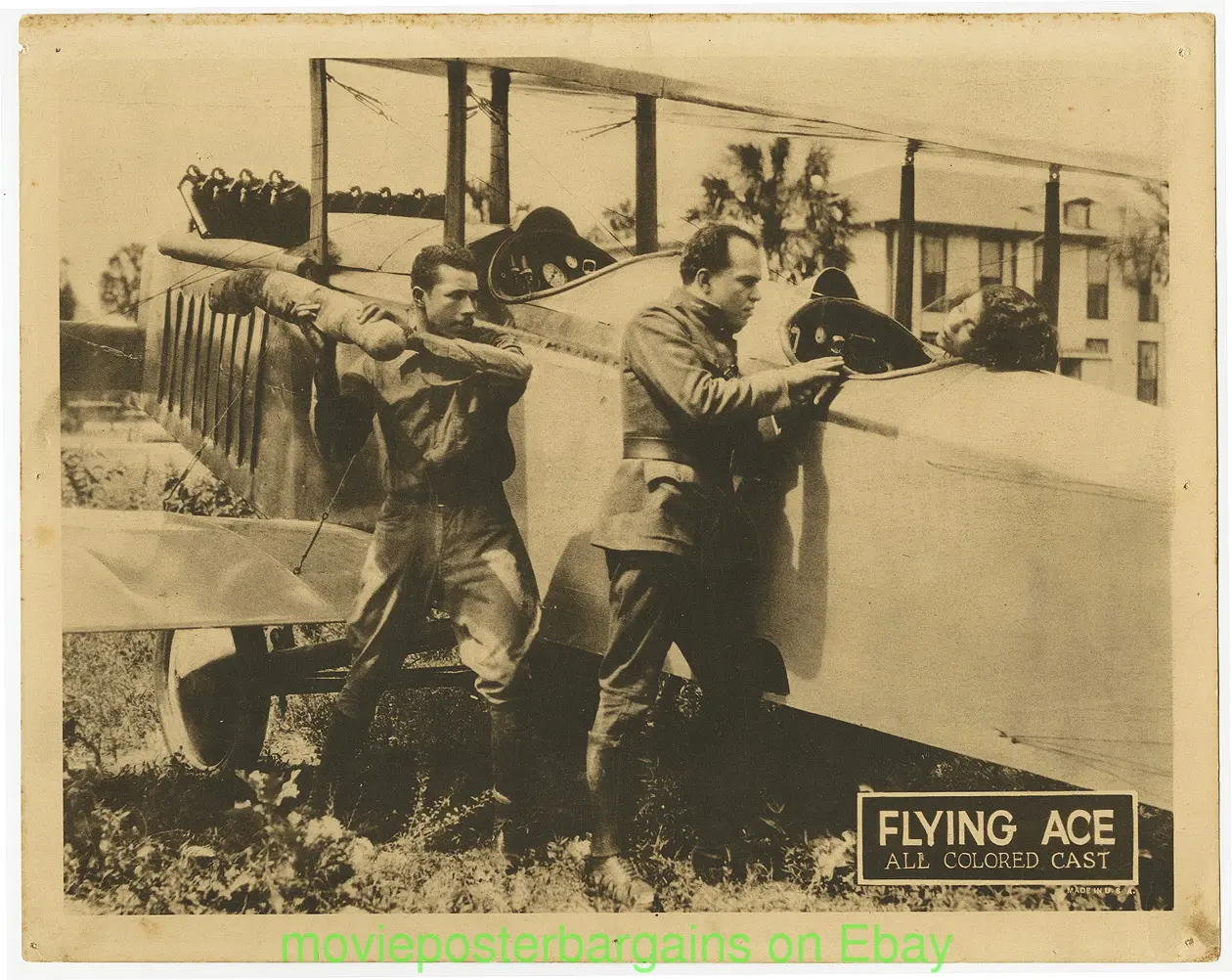
Captain Billy Stokes, played with a stiff but commanding presence by Laurence Criner, is the heart of the film. He doesn't just solve a crime; he restores order. In a scene where Stokes first arrives at the railroad station, his uniform is immaculate. He carries himself with a military precision that immediately sets the tone. This isn't the bumbling comedy found in films like Jes' Call Me Jim. This is a procedural.
The plot follows a standard detective trope: a stolen payroll, a missing employee, and a group of villains. But the execution is what matters. The pacing is deliberate, perhaps even a bit slow by today's standards. Yet, the focus on Stokes' deductive reasoning is refreshing. He uses his status as an 'Ace' as a mark of character rather than a source of stunts.
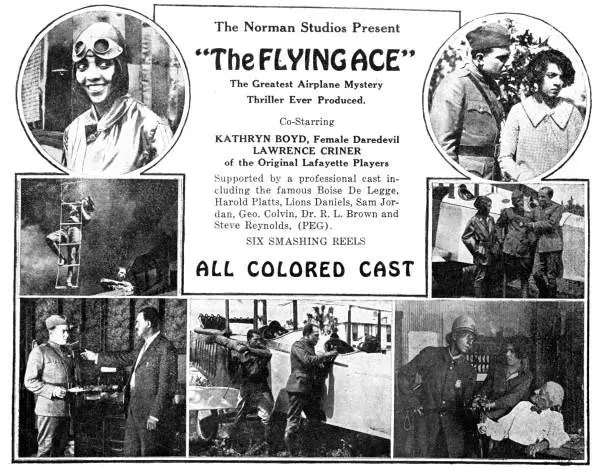
Kathryn Boyd, playing Ruth Sneed, provides a performance that is remarkably restrained for the silent era. Often, silent film acting leaned into the hyperbolic, but Boyd maintains a level of naturalism that grounds the stakes. Her chemistry with Criner is subtle. It’s a professional respect that blossoms into something more, handled with a light touch that avoids the melodrama of Scandal.
The supporting cast, including Sam Jordan and Steve Reynolds, fill out the world with varying degrees of success. Reynolds, in particular, provides the necessary tension as the antagonist. The conflict is clear, and the stakes—$25,000 in 1926 money—feel substantial. When the gang of thieves is finally cornered, the resolution feels earned, even if the action is somewhat static.
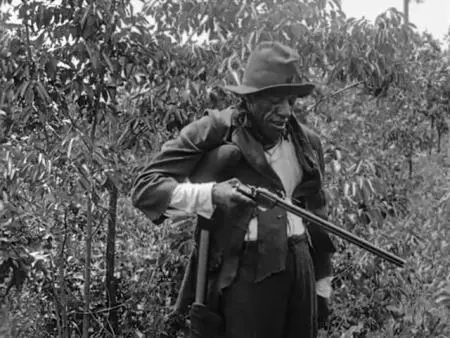
One cannot ignore the technical limitations. The cinematography is functional. It lacks the experimental flair of The Moonstone or the visual polish of Lady Hamilton. Most shots are wide or medium, capturing the action without much camera movement. This gives the film a stage-like quality, but the strength of the performances keeps it from feeling stagnant.
The true power of The Flying Ace lies in what it doesn't do. It doesn't use the 'clumsy sidekick' trope for cheap laughs. It doesn't present its characters as victims of their environment. Instead, it presents a middle-class, professional Black community. This was a radical act in 1926. While films like Guarding Old Glory focused on nationalistic fervor, Norman focused on the individual excellence of his characters.
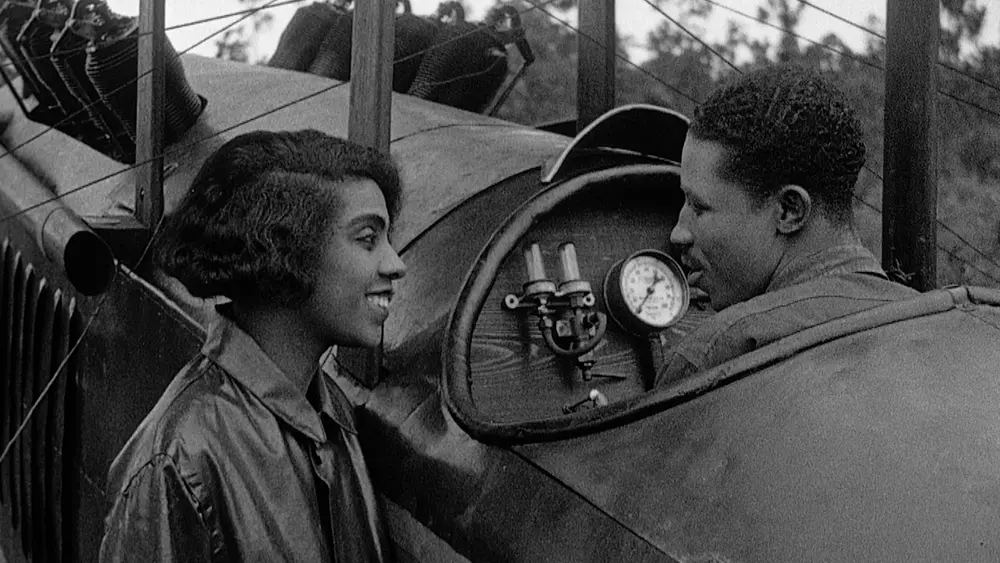
There is a specific moment when Stokes is examining the crime scene. He looks at a set of footprints with a magnifying glass. It’s a classic Sherlock Holmes beat. But seeing a Black man in 1926 occupy that role of the 'great detective' is a jarringly positive image for the time. It challenges the viewer’s expectations of what a 'race film' could be.
The film is a product of Jacksonville’s 'World’s Winter Film Capital' era. It shows. The locations are real, the trains are heavy, and the dust feels authentic. There is a tactile quality to the production that modern digital films lack. You can almost smell the coal smoke and the old leather of the satchel.
To answer this directly: yes, for its soul. No, for its stunts. The Flying Ace is a cultural milestone that happens to be a decent detective story. It is a film that demands your attention not because it is perfect, but because it was necessary. It stands as a testament to the ingenuity of independent filmmakers who worked with limited resources to provide a mirror to an underserved audience.
If you enjoy the period charm of The Perfect Flapper, you will appreciate the earnestness here. If you prefer the grit of Battling Mason, you will find the detective work compelling. It is a slow burn that pays off in historical dividends.
Pros:
The film is a rare surviving example of Norman Studios' work. The restoration quality available today is surprisingly good, preserving the expressions of the cast. It offers a unique perspective on post-WWI life for Black veterans. The detective plot is coherent and easy to follow.
Cons:
The pacing is very slow by modern standards. The lack of actual flying scenes feels like a bait-and-switch. Some of the secondary performances are a bit wooden. The technical aspects are primitive compared to big-budget 1926 releases like Percy.
The Flying Ace is a fascinating artifact. It is not a masterpiece of action, but it is a masterpiece of intent. Richard E. Norman and his cast created something that defied the logic of their era. It is a film that values intelligence over brawn and dignity over caricature. While it may not keep you on the edge of your seat, it will certainly hold your respect. It is a quiet, steady climb rather than a vertical takeoff. Watch it for the history, stay for the sincerity. It’s a solid 7/10 for its cultural weight alone.
IMDb 6.7
1916
Community
Log in to comment.