DbcultAccessing Vault...
Cult Review
Senior Film Conservator
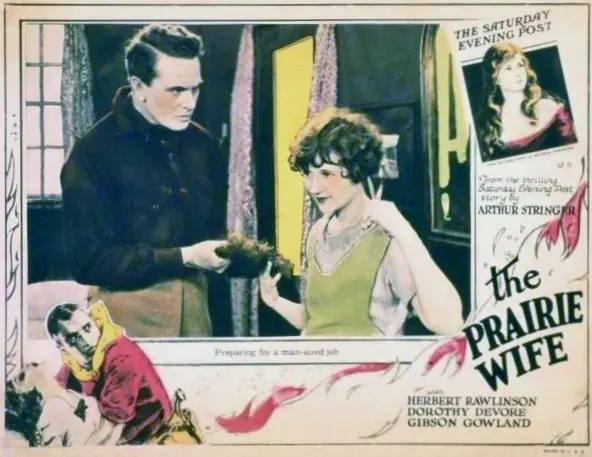
When the curtain lifts on The Prairie Wife, the audience is thrust into a world where opulence evaporates as quickly as a wisp of smoke, and the American plains become a crucible for redemption. The film opens with Chaddie Green, a society girl whose glittering veneer cracks under the weight of financial ruin. The narrative thrust is immediate: a transatlantic return that swaps champagne toasts for the stark, wind‑battered horizon of the Midwest. This juxtaposition sets the tonal palette for a story that oscillates between fragile hope and relentless hardship.
\nRupert Franklin’s Duncan MacKail is introduced not as a dashing hero, but as a pragmatic survivor clutching a parcel of grainland—the only currency that matters in the prairie economy. Their marriage, hastily sealed, feels less a romantic union than a strategic alliance, echoing the transactional relationships depicted in contemporaneous works such as Youth to Youth. The chemistry between Franklin and Frances Primm (Chaddie) is charged with a nervous energy that underscores their mutual desperation.
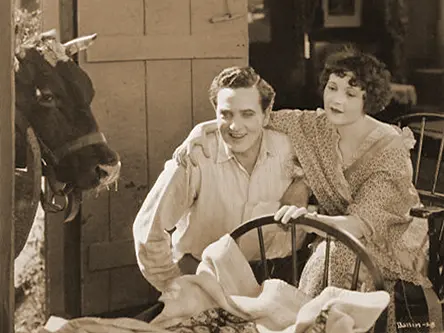
Enter Ollie, the Swedish caretaker whose stoic silence is as imposing as the endless wheat fields. Boris Karloff, before his iconic horror fame, imbues Ollie with a brooding presence that borders on menace. His interactions with Chaddie are laced with an unsettling tension, a cinematic device that foreshadows the tragedy awaiting him. The cinematographer exploits shadow and light, casting Ollie in silhouettes that seem to merge with the prairie’s dusk, an aesthetic choice reminiscent of the chiaroscuro in Pay Me!.
\nThe narrative’s pivot arrives when Chaddie, driven by compassion, rides fifteen miles to aid Percy Woodhouse, an Englishman whose ailment is both physical and symbolic of the immigrant’s alienation on the frontier. The scene where her horse bolts, forcing her to seek shelter beneath a weather‑worn wagon, is filmed with a kinetic camera that captures the frantic gallop and the sudden stillness of the night. This moment crystallizes Chaddie’s resilience, while simultaneously planting the seed of Duncan’s jealousy—a classic motif in silent melodrama.
Duncan’s reaction to Chaddie’s nocturnal escapade is visceral; his fury erupts like a prairie thunderstorm, shaking the fragile foundation of their marriage. His decision to abandon the homestead, only to return bearing Olga—a servant offered as a peace token—introduces a new dynamic. Olga, portrayed with a subtle allure by Dorothy Devore, becomes the catalyst for a love triangle that mirrors the emotional turbulence of Heart of Gold. The illicit romance between Olga and Percy unfolds with a quiet intensity, underscored by a lingering violin motif that haunts the viewer long after the scene fades.
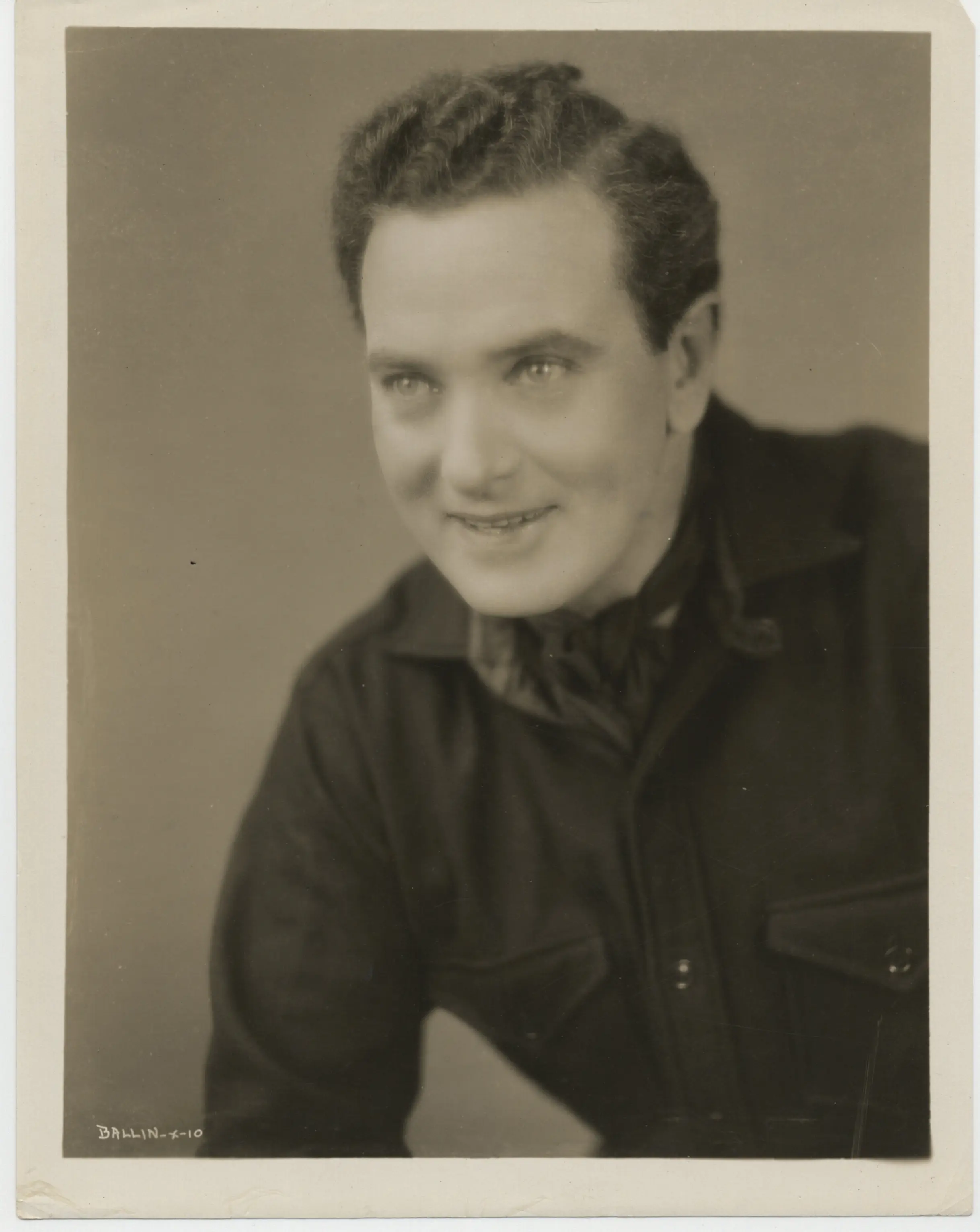
\nOllie’s suicide is the film’s darkest tableau. The director, Hugo Ballin, frames the act with a stark close‑up of the rope, the grainland stretching endlessly behind, suggesting that the prairie itself bears witness to the despair of those who cannot reconcile their inner demons with the unforgiving landscape. The confession note—an eerie revelation of Ollie’s murderous instincts—adds a psychological layer that predates the noir sensibilities later popularized by films like The Forbidden Room. Karloff’s performance, though brief, resonates with a raw vulnerability that hints at his future mastery of horror.
At its core, The Prairie Wife interrogates the notion of belonging in an environment that is simultaneously nurturing and hostile. The prairie is not merely a backdrop; it is an active participant, its vastness reflecting the characters’ internal voids and aspirations. The film’s use of natural lighting—sunset hues that bleed into the horizon—creates a visual metaphor for the fading hopes of its protagonists. This technique aligns with the visual poetry found in A Petticoat Pilot, where the sky serves as an emotional barometer.
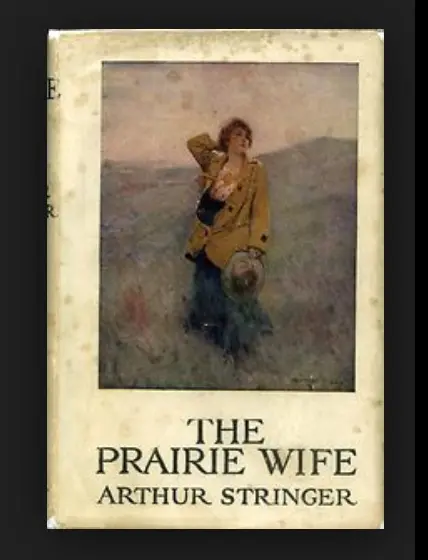
\nThe screenplay, penned by Katherine Hilliker and H.H. Caldwell, weaves a tapestry of interlocking motives without resorting to melodramatic excess. Dialogue cards are sparing yet potent; each intertitle carries weight, echoing the restrained prose of Arthur Stringer’s original story. The pacing—deliberately measured—allows the audience to savor the gradual erosion of trust and the slow bloom of familial contentment. By the film’s denouement, the arrival of a child symbolizes a rebirth, a testament to the perseverance of love amid the prairie’s relentless cycles.
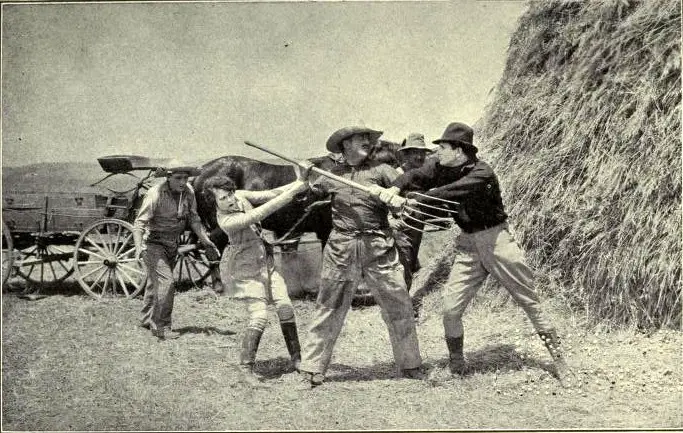
Frances Primm delivers a performance that balances aristocratic poise with earthy determination. Her expressive eyes convey a spectrum of emotions—from the stunned disbelief of financial ruin to the fierce protectiveness over her newborn. Rupert Franklin’s Duncan oscillates between stoic resolve and vulnerable jealousy, a duality that anchors the film’s emotional core. Notably, the supporting cast—Erich von Ritzau as the enigmatic Percy and Alphonse Martell as the ever‑watchful Olga—infuse the narrative with layers of intrigue, each character serving as a mirror to the protagonists’ hidden desires.
\nHugo Ballin’s direction showcases a deft command of visual rhythm. The camera often lingers on the swaying wheat, employing slow pans that evoke a sense of timelessness. In contrast, the sequences involving Ollie’s internal turmoil employ rapid cuts and stark close‑ups, a stylistic choice that heightens tension without dialogue. The film’s editing, overseen by Herbert Rawlinson, maintains a seamless flow, ensuring that the emotional beats land with precision.
\nWhen situated alongside other silent dramas of the mid‑1920s, The Prairie Wife stands out for its nuanced portrayal of gender dynamics. While Wild Waves and Angry Woman leans heavily into melodramatic spectacle, this film opts for subtle character arcs. Its exploration of marital strain and the quest for self‑sufficiency resonates with the thematic concerns of The Impossible Mrs. Bellew, yet it distinguishes itself through its prairie setting, which serves as a character in its own right.
\nAlthough The Prairie Wife has not achieved the cult status of some of its contemporaries, its influence persists in the way modern filmmakers approach rural narratives. The film’s emphasis on environmental determinism can be seen echoed in recent indie productions that examine the interplay between human frailty and the natural world. Moreover, the early appearance of Boris Karloff offers scholars a glimpse into the actor’s developmental trajectory before he became the face of cinematic terror.
\nIn sum, the film is a masterclass in silent storytelling, marrying visual poetry with a tightly woven plot. Its characters are neither caricatures nor archetypes; they are fully realized individuals navigating a landscape that demands both resilience and surrender. For cinephiles seeking an immersive journey into the silent era’s emotional depth, The Prairie Wife remains a compelling, often overlooked gem.
IMDb 6.5
1931
Community
Log in to comment.