DbcultAccessing Vault...
6/10
Senior Film Conservator
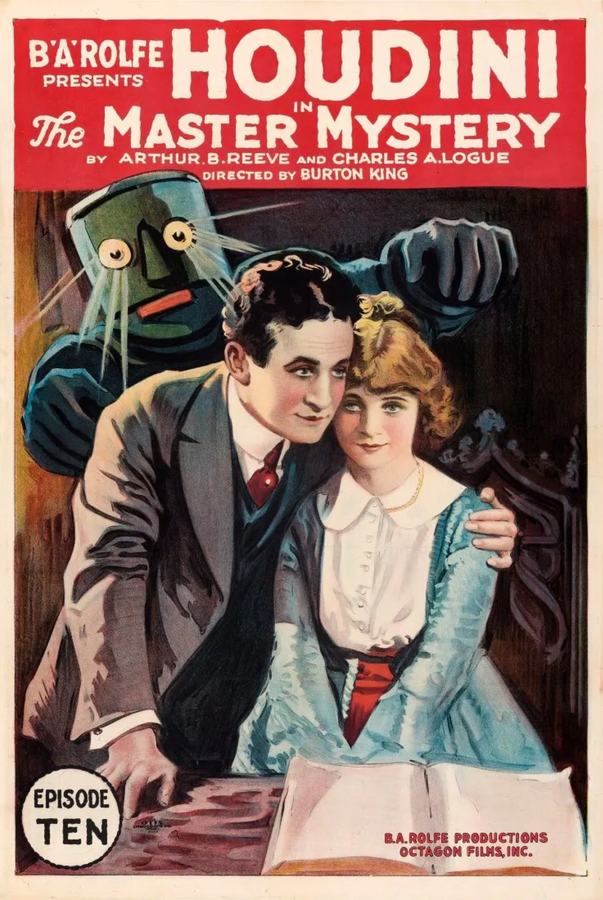
A definitive 6/10 rating for a film that redefined the boundaries of cult cinema. The Master Mystery remains a cornerstone of transgressive art.
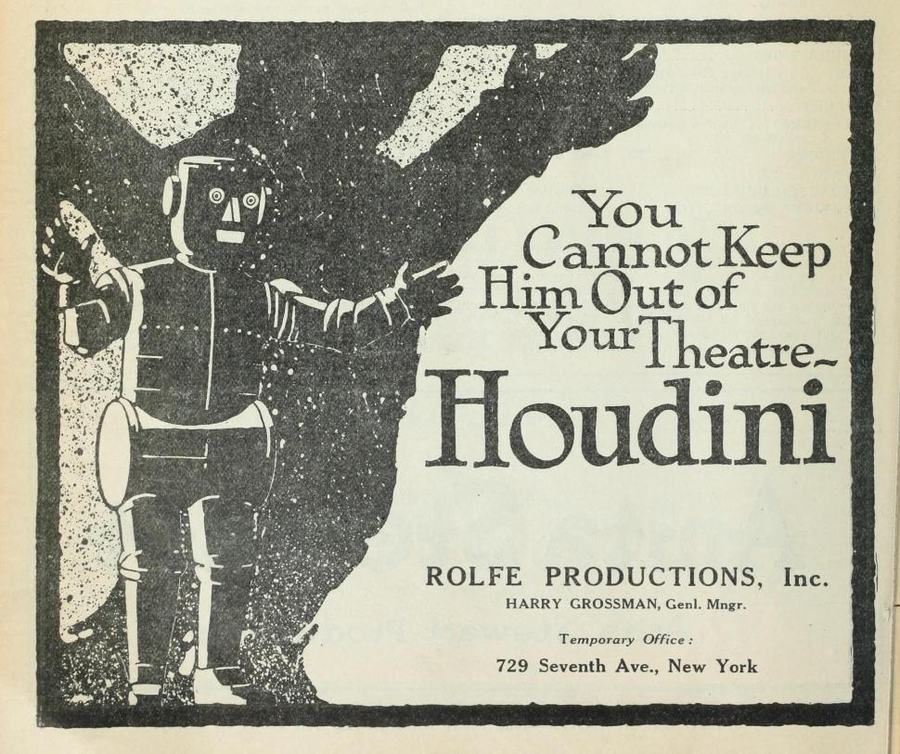
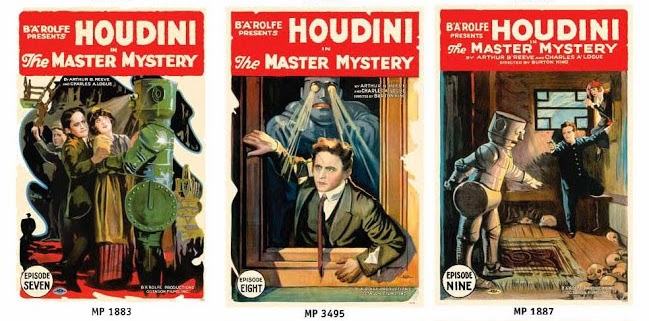
In the annals of early cinematic history, few films capture the zeitgeist of technological marvel and creeping paranoia quite like "The Master Mystery." Released in 1919, this serial masterpiece, featuring the legendary escape artist Harry Houdini in his starring role as Justice Department agent Quentin Locke, stands as a fascinating artifact of its era. It's a pulsating narrative that thrusts its protagonist into a high-stakes investigation against a formidable, clandestine cartel – a shadowy organization whose nefarious activities are not merely protected by human henchmen, but by a truly groundbreaking, terrifying mechanical construct known simply as "The Automaton." This metallic behemoth, a precursor to countless cinematic robots, embodies the era's fascination with burgeoning industrial power and the anxieties surrounding artificial intelligence, long before the term was even coined. The cartel's arsenal extends beyond this formidable guardian, encompassing a deadly chemical weapon, "The Madagascar Madness," a gas so potent it threatens widespread devastation. The film, penned by Charles Logue and Arthur B. Reeve, masterfully intertwines elements of detective fiction, science fiction, and action, creating a tapestry of suspense that captivated audiences week after week.
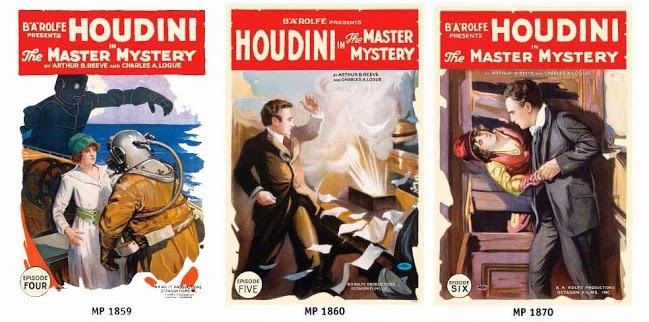
Harry Houdini, born Ehrich Weiss, was already a global phenomenon before he graced the silver screen. His reputation as an illusionist and an escape artist par excellence preceded him, and "The Master Mystery" shrewdly capitalizes on this persona. As Quentin Locke, William Pike – the character's given name, though everyone knows it’s Houdini – is not merely a government agent; he is a man of extraordinary resourcefulness, physical prowess, and an uncanny ability to extricate himself from seemingly inescapable predicaments. This meta-narrative layer significantly enhances the film's appeal, as audiences were eager to see their real-life hero apply his legendary skills to a fictionalized, yet equally perilous, world. His performance is a testament to silent film acting – a symphony of expressive gestures, intense gazes, and dynamic physicality that transcends the lack of spoken dialogue. Unlike the more subtle dramatic turns seen in films like Sleeping Fires, Houdini's approach is visceral, direct, and perfectly suited to the serial format's demand for constant thrills and cliffhangers. He is less about internal anguish and more about external action, a force of nature against a machine.
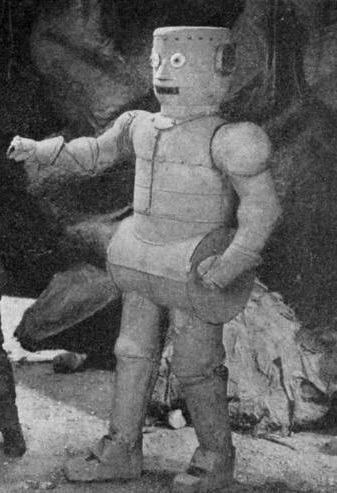
At the heart of the cartel's formidable defense system lies "The Automaton," a creation that, for its time, was nothing short of revolutionary. This mechanical guardian is not just a prop; it's a character, a silent, unfeeling antagonist that adds a layer of futuristic dread to the proceedings. Its very existence raises profound questions about technological advancement and its potential for misuse. In an era still grappling with the ramifications of the First World War's industrial-scale destruction, the idea of a soulless, powerful machine acting as an enforcer for a criminal enterprise would have resonated deeply. The Automaton serves as a constant, looming threat, a physical embodiment of the cartel's cold, calculating power. Its appearances are always impactful, often leading to Locke's most daring escapes. This early depiction of a robot in cinema predates many more famous examples, marking "The Master Mystery" as a significant milestone in the sci-fi genre. The terror it inspires is primal, a fear of the unknown and the unstoppable, a feeling perhaps echoed in the relentless pursuit seen in action-packed narratives like The Unknown, albeit with a human, rather than mechanical, antagonist.
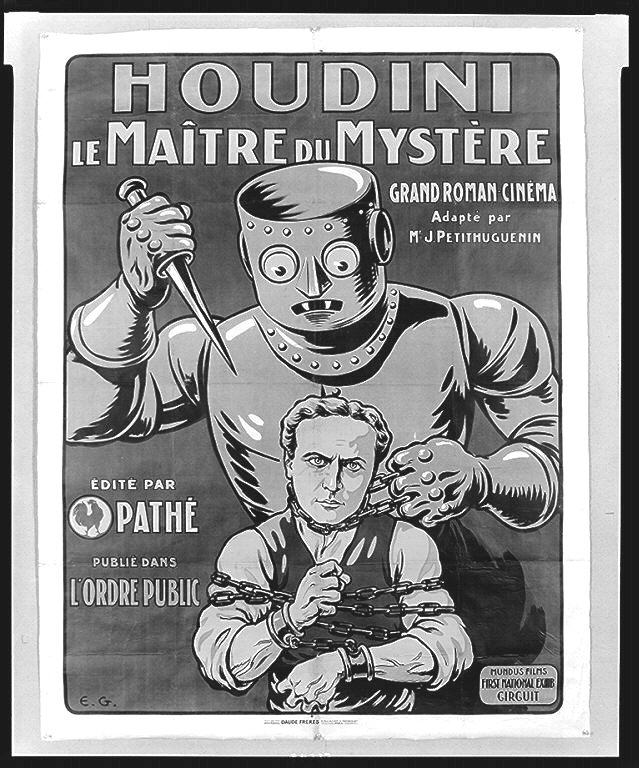
Beyond the metallic might of The Automaton, the cartel wields an even more insidious weapon: "The Madagascar Madness." This gas weapon is a chilling reflection of contemporary anxieties, emerging just years after the widespread and devastating use of chemical warfare in the trenches of Europe. The film taps into a very real, very recent trauma, transforming it into a terrifying plot device. The invisible, silent threat of a gas weapon is inherently more insidious than a physical one; it can spread unseen, indiscriminately, sowing panic and destruction without a visible assailant. This aspect of the plot elevates "The Master Mystery" beyond a simple detective story, imbuing it with a sense of global peril. Locke's mission isn't just to catch criminals; it's to prevent a catastrophe. The combination of advanced robotics and chemical weapons paints a picture of a villainous organization far ahead of its time, making the challenge for Locke all the more daunting. The psychological impact of such a weapon, even in a fictional context, would have been profoundly unsettling for audiences, reminiscent of the existential dread often explored in more serious dramas like The Vital Question, where societal threats loom large.
The intricate web of espionage, technological terror, and daring escapes is the brainchild of writers Charles Logue and Arthur B. Reeve. Their collaboration yielded a narrative that, despite its serial format, maintains a remarkable degree of coherence and escalating tension. They understood the mechanics of the thriller genre, crafting cliffhangers that ensured audience return and developing a central mystery compelling enough to sustain multiple episodes. The character of Quentin Locke, while undeniably shaped by Houdini's unique talents, is given a strong moral compass and an unwavering determination that makes him a sympathetic and heroic figure. The writers' ability to integrate cutting-edge (for the time) scientific concepts – robotics and chemical warfare – into a compelling crime drama demonstrates a forward-thinking approach to storytelling. This fusion of pulp adventure with nascent science fiction elements sets "The Master Mystery" apart from many of its contemporaries, even those with strong narrative drives like A Modern Monte Cristo, which relies more on classic revenge tropes.
While Houdini undeniably anchors the film, the supporting cast plays a crucial role in fleshing out the world of "The Master Mystery." Edna Britton provides a compelling female presence, often entangled in the cartel's schemes or aiding Locke in his endeavors. Jack Burns, Floyd Buckley, Charles E. Graham, and Sam Kim embody various facets of the criminal underworld or the forces attempting to assist Locke, each contributing to the narrative's rich tapestry. Marguerite Marsh and Ruth Stonehouse also add depth to the ensemble, portraying characters who are either victims of the cartel's machinations or instrumental in Locke's investigations. The effectiveness of a silent film often hinges on the actors' ability to convey emotion and intent without dialogue, and this cast largely succeeds in creating believable, engaging performances that complement Houdini's more flamboyant style. Their reactions, their fears, and their determination are all communicated through nuanced facial expressions and body language, a skill honed in the early days of cinema, much like the powerful non-verbal storytelling evident in Jim Bludso.
"The Master Mystery" is more than just a thrilling adventure; it's a commentary on the burgeoning industrial age and the ethical dilemmas it presented. The cartel represents unchecked corporate power, wielding advanced technology for nefarious gain, while Quentin Locke stands as the embodiment of justice and individual resolve against overwhelming odds. The film explores the theme of human ingenuity – both for creation (The Automaton) and destruction (The Madagascar Madness) – and the moral responsibility that comes with such power. It's a classic battle of good versus evil, but one imbued with contemporary anxieties. Locke's repeated escapes, often defying logic and physics, reinforce the idea of human spirit triumphing over seemingly insurmountable obstacles, a recurring motif in heroic narratives. This resilience in the face of daunting challenges can be seen as a parallel to the struggles depicted in films like Ashes of Hope, where characters must overcome profound adversity.
As a serial, "The Master Mystery" was designed to keep audiences returning week after week, a format that demanded constant innovation and escalating peril. Each episode concluded with a gripping cliffhanger, often leaving Locke in a seemingly impossible situation, only for him to ingeniously escape in the subsequent installment. This episodic structure, while common for the era, allowed for a gradual unfolding of the cartel's complex operations and the full reveal of The Automaton's capabilities. The production values, for 1919, are commendable, featuring elaborate sets, impressive special effects for its time (particularly involving the robot), and dynamic cinematography that maximized the visual impact of Houdini's stunts. It showcases the ambition of early filmmakers to push boundaries, not just in storytelling but in visual spectacle. This pioneering spirit in visual storytelling and grand narrative scope is a hallmark of early cinema, much like the ambitious historical epic Chûshingura, though vastly different in subject matter.
"The Master Mystery" holds a significant place in film history, not just as a vehicle for Harry Houdini's star power but as an early example of the science fiction thriller. Its depiction of a sophisticated robot and a chemical weapon foreshadowed many later cinematic tropes and anxieties. For modern viewers, it offers a fascinating window into the concerns and technological imagination of the early 20th century. It reminds us that fears about technology, corporate malfeasance, and the individual's struggle against powerful, unseen forces are not new, but deeply rooted in our collective consciousness. The film's influence can be subtly traced through subsequent adventure serials and even modern blockbusters that feature technologically advanced villains or resourceful, escape-artist heroes. While some elements might appear quaint to contemporary eyes, the sheer audacity of its premise and the magnetic presence of Houdini ensure its enduring appeal. It's a film that, much like the intricate mysteries presented in Der Fall Dombronowska...!, invites repeated viewing to fully appreciate its layers of intrigue. The meticulous plotting and the continuous escalation of stakes keep the audience engaged, making it a benchmark for serial storytelling. The narrative's relentless pace, a characteristic of the serial format, ensures that there is rarely a dull moment, with each chapter ending on a note of heightened suspense, compelling viewers to return for the next installment. This masterful manipulation of narrative tension is a craft that few films of the era perfected with such consistency.
The dynamic interplay between Locke and the forces arrayed against him, particularly the silent, menacing Automaton, creates a tension that transcends the limitations of silent cinema. The film’s commitment to visual storytelling, where every gesture and every set piece must convey meaning without dialogue, is a masterclass in the art form. The use of practical effects to bring The Automaton to life, while rudimentary by today's standards, was groundbreaking, creating a tangible threat that felt immediate and real. This dedication to tangible, impactful effects can be contrasted with the more psychological or character-driven narratives found in films like Anfisa, highlighting the diverse approaches to cinematic engagement even within the same era. "The Master Mystery" is a testament to the power of imagination and the nascent capabilities of film as a medium for grand adventure and speculative fiction. It's a film that asks us to suspend disbelief, to marvel at the impossible, and to root for the hero who, much like Houdini himself, always finds a way out. Its importance lies not just in its entertainment value, but in its role as a precursor to the countless thrillers and sci-fi epics that would follow, demonstrating how early filmmakers, with limited tools, could still craft narratives of immense scale and profound impact. The film, in essence, is a blueprint for the modern action-adventure genre, with its blend of high-stakes intrigue, technological menace, and a charismatic hero whose wits and physical prowess are his greatest weapons against a world determined to trap him. It’s a compelling piece of cinematic history that continues to intrigue and entertain, proving that true mystery and daring escapades are timeless. Its influence extends to how heroes are conceived and challenges overcome, making it a fascinating study for anyone interested in the evolution of cinematic heroism. Moreover, the portrayal of a powerful, shadowy cartel, operating with impunity and advanced weaponry, set a precedent for countless villainous organizations in later thrillers, showing that the core anxieties about unchecked power are indeed timeless. The film’s visual language, characterized by dramatic close-ups, dynamic chase sequences, and ingenious escape mechanisms, established a vocabulary for action cinema that continues to resonate today. It’s a must-see for anyone seeking to understand the foundational elements of the thriller genre and the enduring allure of a hero who defies all odds.
IMDb —
1930
Community
Log in to comment.