DbcultAccessing Vault...
Cult Review
Senior Film Conservator
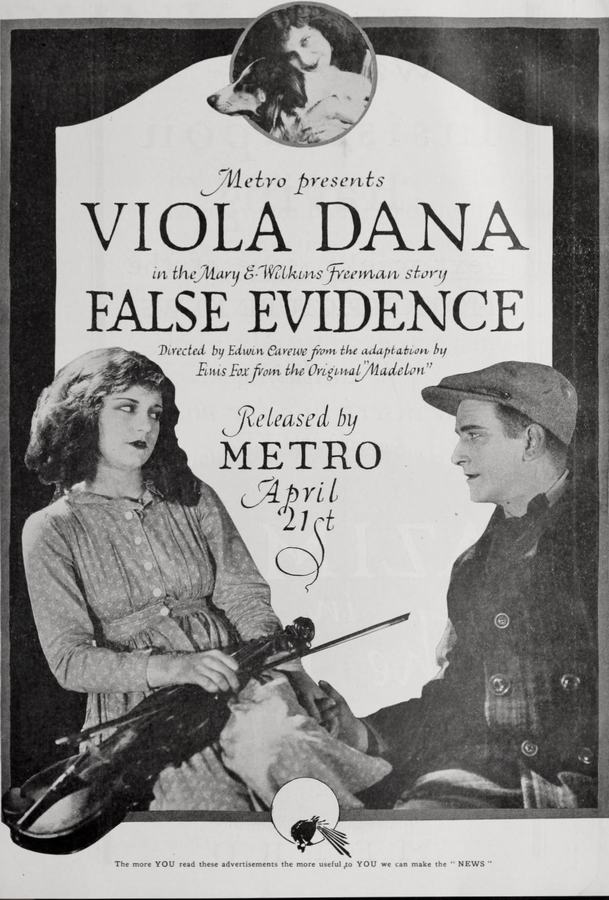
The first time we see the Pacific fog roll across the Redwood canopy in False Evidence, it behaves less like weather and more like a prosecuting barrister—curling around ankles, slipping into lungs, coaxing confessions no one has yet decided to make. 1919 audiences, reeling from the influenza years, would have felt that damp breath on their napes; a century later, the chill still clings.
Director Edward Sloman—never canonised beside Griffith or DeMille—understood that silence itself is a character. He lets the forest creak, drip, and moan for nearly twenty seconds before a single intertitle intrudes. In that hush, the social contract of Redwoods village is sealed: Sandy MacTavish, whisky-breathed laird of a failing mill, pledges his puling daughter to Lot Gordon’s purse. The betrothal ceremony, staged at twilight with kerosene lanterns bobbing like low stars, feels half pagan, half stock-market flotation.
Jump-cut a decade and a half. The child is now Viola Dana’s Madelon—petal-cheeked, lantern-jawed, eyes that flick from doe to hawk in a single frame. Dana, a Mack Sennett graduate who could flip from slapstick to heartbreak without dropping a stitch, gives the role a nervy volatility. Watch her fingers worrying the frayed cuff of a gingham dress; the gesture foreshadows every subsequent wound.
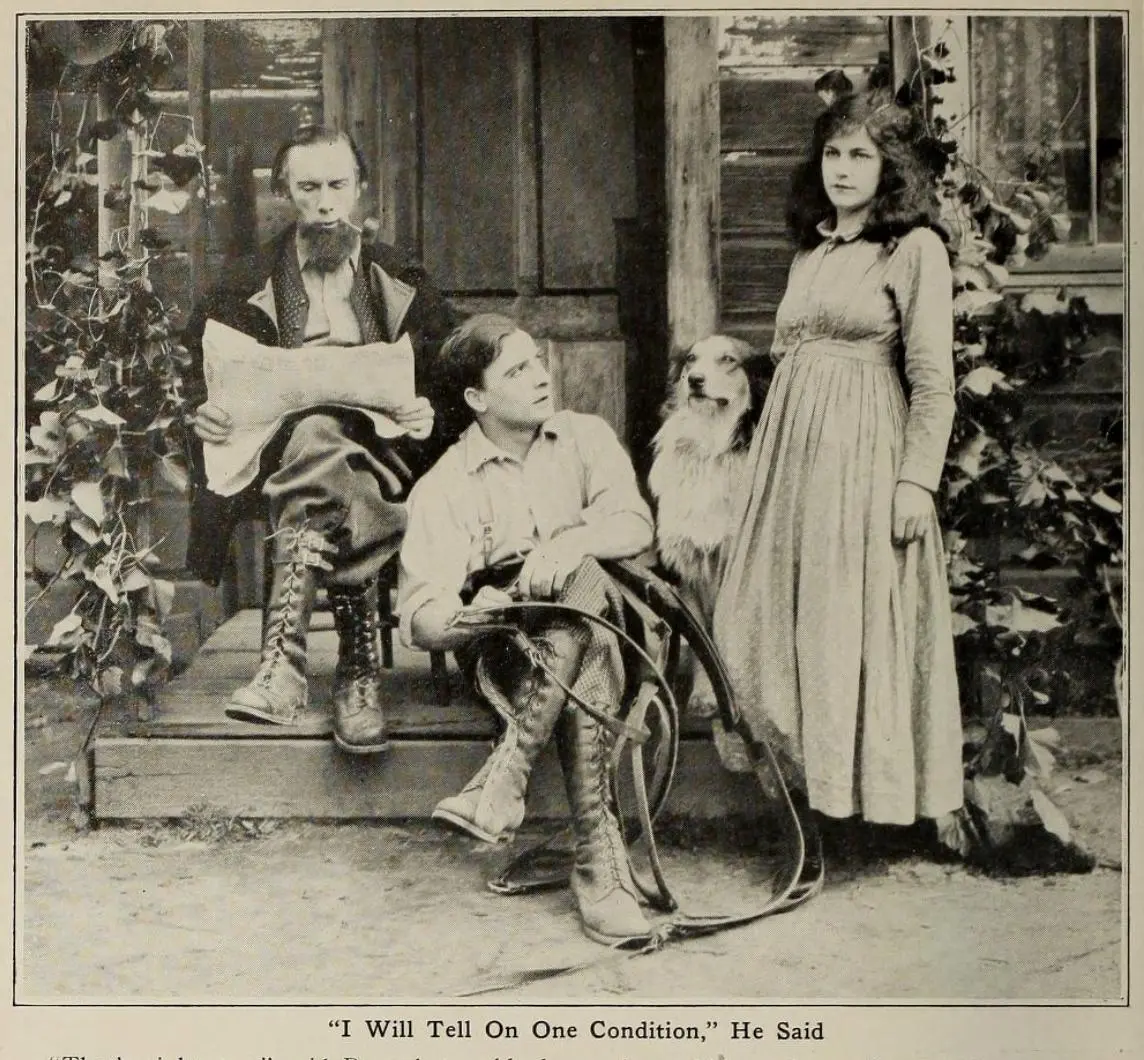
Enter Burr—Joe King in a performance so understated it feels modern. Where Lot (Wheeler Oakman) swaggers in calibrated three-piece arrogance, Burr drifts, hands sunk in pockets, eyes tracking Madelon like a man afraid of blinking. Their first shared close-up—lips parted, nostrils flared—could be swapped into a 1970s Malick film and not look out of place.
Freeman’s screenplay, adapted from a Saturday Evening Post potboiler, weaponises the word “honor” until it clangs like a broken bell. Sandy’s refusal to annul the infant contract is couched in clan rhetoric, but the subtext is sheer economic terror: one sawmill, three bad winters, and a stack of IOUs. The film quietly indicts frontier capitalism while wearing the petticoats of melodrama.
The midnight dance sequence—shot in a single lantern-lit long take—deserves film-studies ink. Couples reel contra-style while gossip ferments at the margins. Dorothy Fair (Peggy Pearce), the village flirt with a laugh like breaking glass, plants the seed that Burr is spoken for. Madelon’s exit is not a flounce but a full-throttle sprint, petticoats flashing like semaphore. The camera follows at knee-level, turning the forest floor into a looming lattice of roots and moral tripwires.
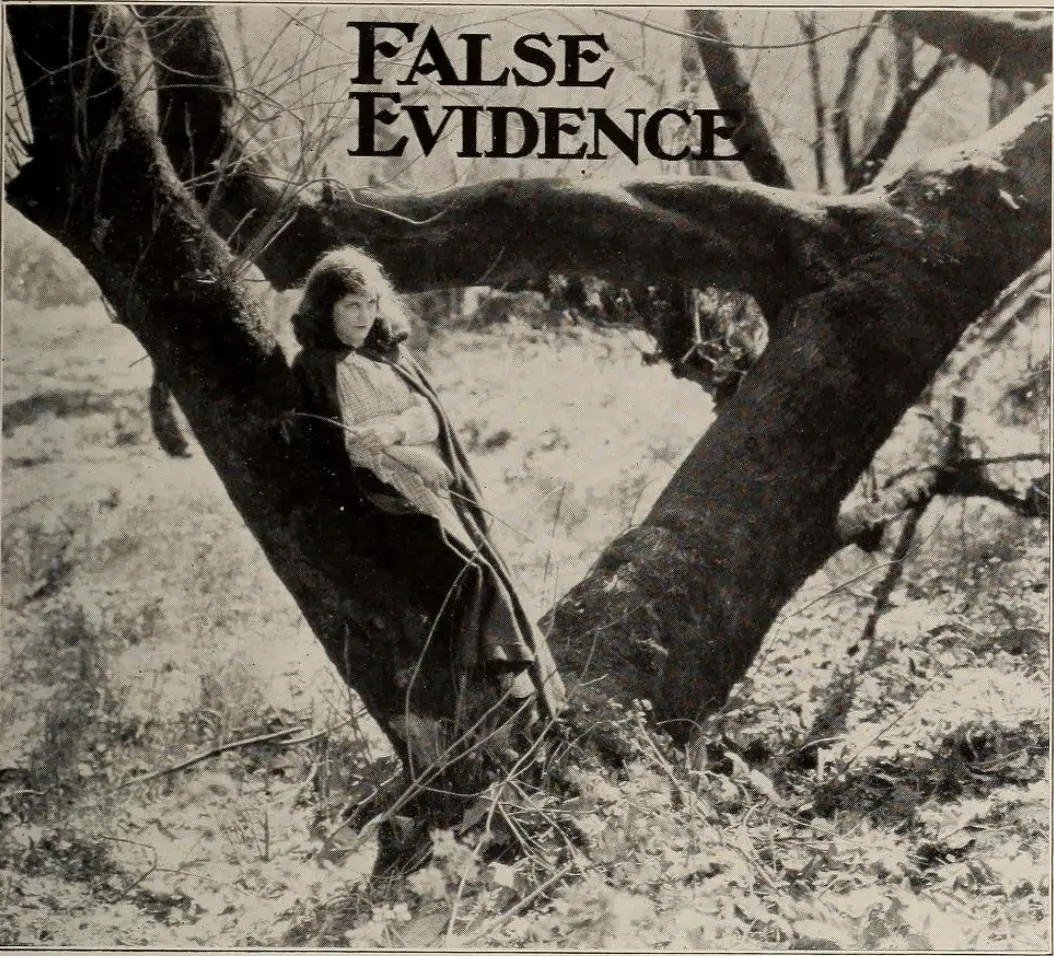
What happens next is a masterclass in chiaroscuro misdirection. Lot, masked by shadow and entitlement, grabs Madelon; she slashes, not in self-defence but in existential revolt against every hand that has ever tried to steer her. The stabbing is off-frame—we see only the arc of her arm, a sound like wet canvas ripping, then the staggered gasp as Lot collapses. Sloman understood the audience’s imagination is sharper than any prosthetic blade.
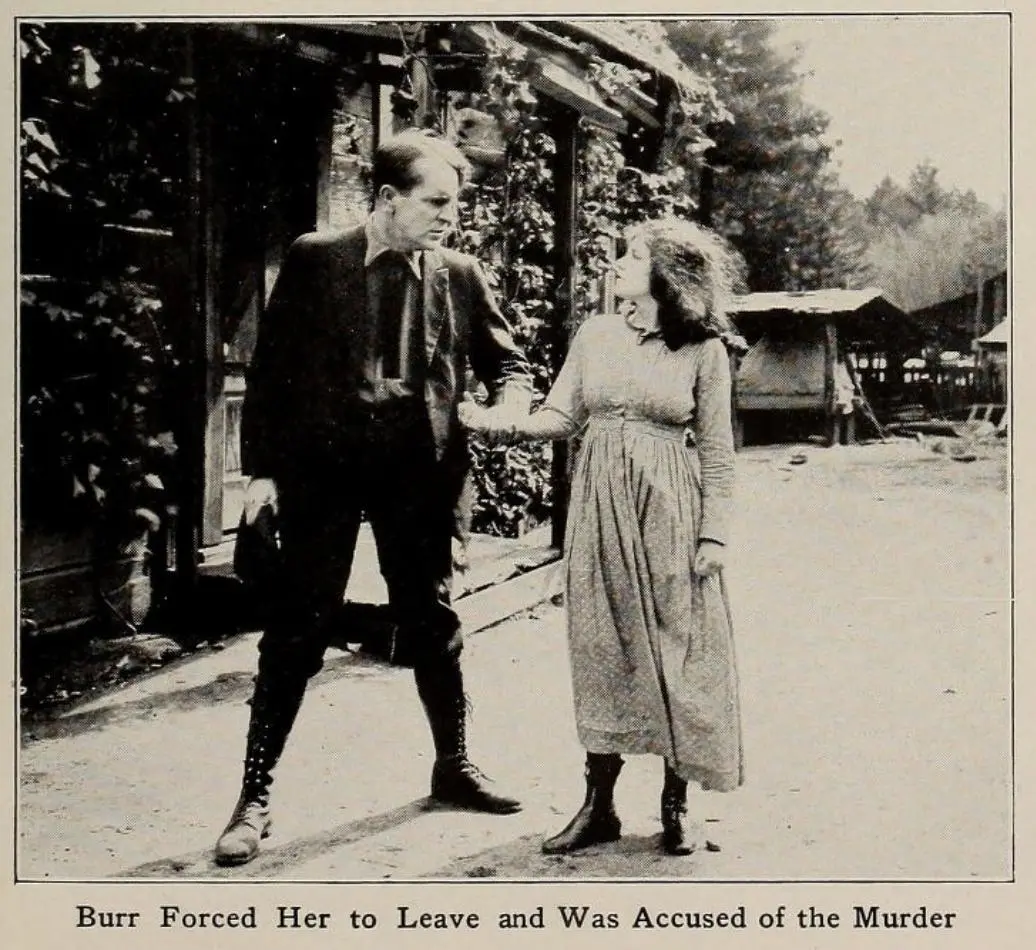
Burr’s assumption of guilt is filmed with a bleak economy: a single close-up of his eyes, a cut to the bloodied knife at his feet, a dissolve to the jailhouse. No courtroom histrionics; the lynch mob is already knitting itself outside the saloon. Here the film nods toward The Strength of Donald McKenzie, where communal hysteria trumps jurisprudence, but Sloman keeps the tension tighter, almost Hitchcockian a decade before Hitchcock coined the term.
Madelon’s Faustian bargain—marry Lot in exchange for a signed confession exonerating Burr—should feel contrived. Yet Dana plays it with such raw desperation that the scene transcends plot machinery. She kneels by Lot’s bedside, candlelight carving trenches in her face, and whispers, “Write it.” The pen scratches louder than any musical cue. Oakman’s smile is reptilian, but a twitch at the corner of his mouth hints at genuine ache; he wants the woman, not merely the conquest.
The interrupted lynching is staged at dawn, mist curling like cigar smoke. Burr stands on a wagon wheel, rope around his neck, when Madelon rides up, hair unspooling like burnt silk. She waves the parchment; the crowd parts in grudging silence. Sloman cuts to a low angle: the noose slackens, Burr collapses, the camera tilts up to the rising sun—a rare concession to hope.
But the film’s coup de grâce is the final act of God—or rather, of arboreal indifference. On the eve of the forced wedding, a storm snaps a 2,000-year-old redwood, crushing Lot beneath a cathedral of bark. The moment is filmed in miniature, yet the editing—intercutting Madelon’s horrified face, the falling timber, and a baptismal downpour—feels cataclysmic. Nature itself becomes divine jurisprudence, nullifying human contracts with splintered grandeur.
Sloman’s collaboration with cinematographer Jackson Rose yields a palette that anticipates two-strip Technicolor poetics. Kerosene flares smear the frame in molten orange, connoting both hearth and hell. The dance lanterns flicker canary-yellow, a false dawn of merriment before betrayal. And the nocturnal forest is drenched in tinting baths of sea-blue, a subaquatic limbo where guilt drifts like plankton.
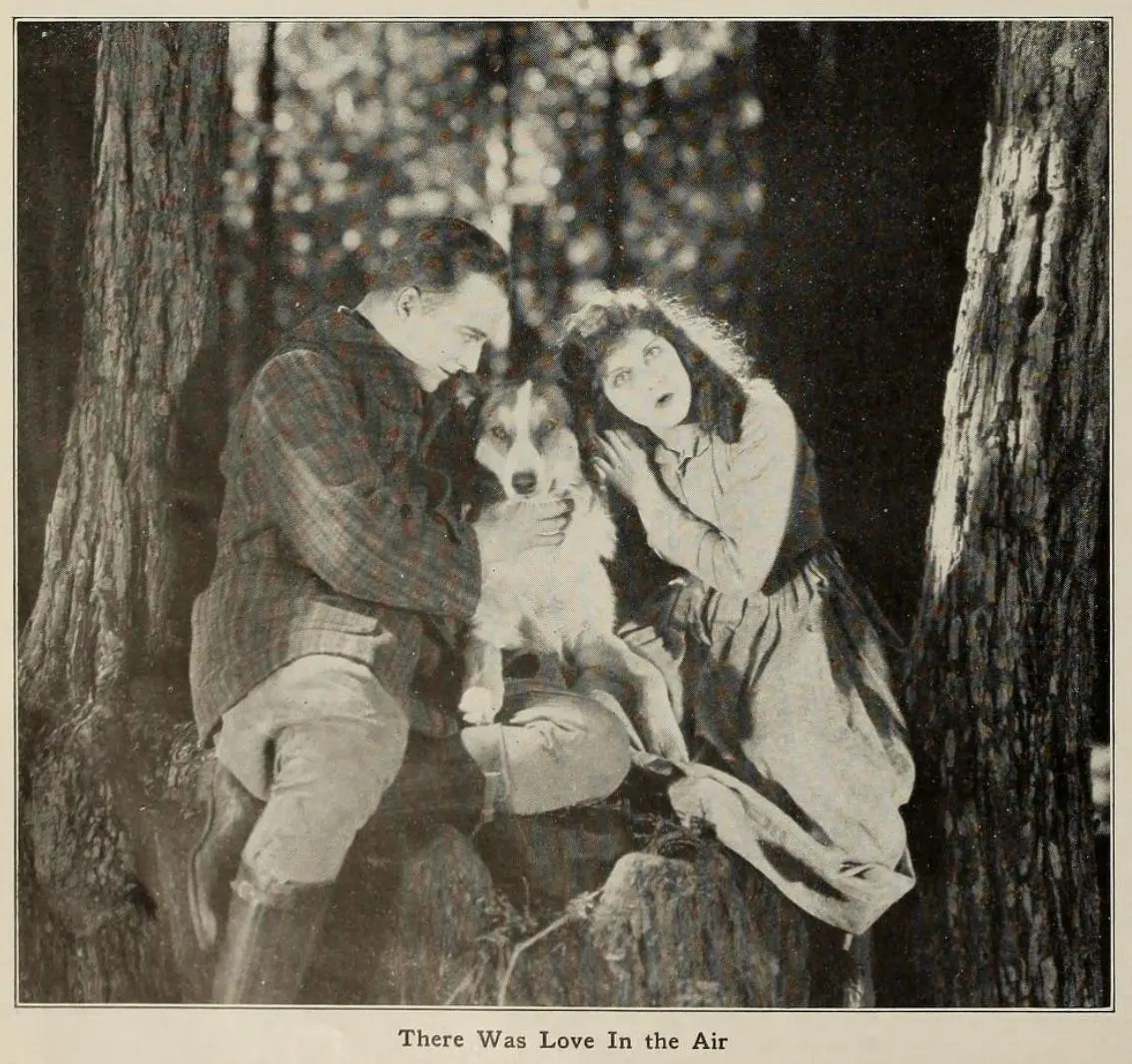
Compare this chromatic daring to the monochrome moral absolutes of Civilization or the expressionist chiaroscuro of The Vampires: Satanas. Sloman’s color language is subtler, more psychologically nuanced, a silent ancestor to the saturated moral ambiguity of Leave Her to Heaven (1945).
Viola Dana’s greatest asset is her capacity to tremble without seeming fragile. In the jailhouse confrontation, she presses her palm against the bars; the camera lingers on the sweat bead sliding across lifeline and heartline—an entire silent monologue in 12 frames. Joe King answers with eyes that refuse to moisten; his stoicism is more devastating than tears.
Wheeler Oakman, often typecast as urbane cad, shades Lot with a bruised narcissism. Listen to the timbre of his intertitle plea: “I would have given you galaxies, yet you draw blood for a kiss.” The line borders on purple, yet Oakman’s delivery—head cocked, voice imagined in baritone crackle—renders it a confession of cosmic entitlement.
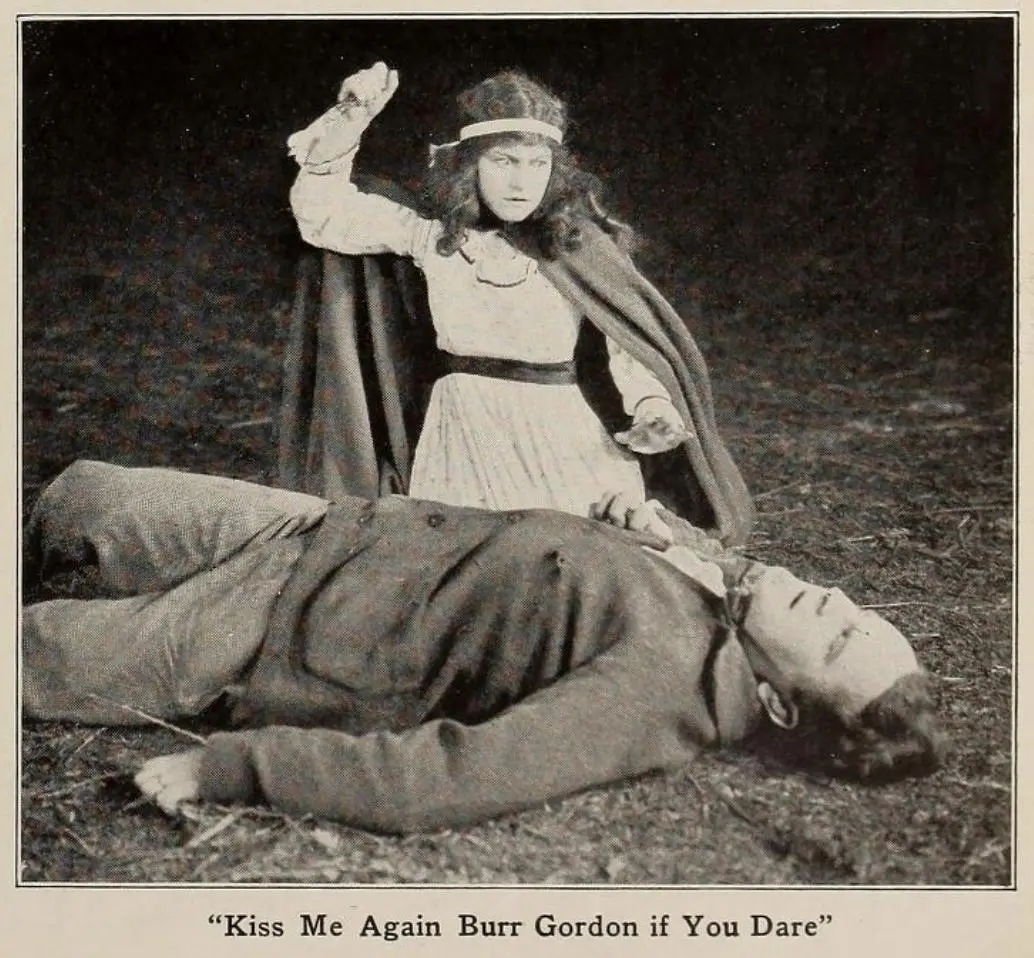
Modern viewers may bristle at the infant betrothal trope, yet the film’s heart beats with Madelon’s reclamation of narrative control. She wields the pen, the blade, and ultimately the weather itself. When she rides hell-for-leather to stop the lynching, the cross-cut editing aligns her with Lillian Gish’s hurricane-defying heroine in Way Down East, but Dana’s ferocity is earthier, more self-authored.
The final image—Madelon and Burr walking into the mist, backs to camera—echoes the closing shot of The Torture of Silence, yet where the earlier couple vanishes into existential blankness, here the forest exhales redemption. The Redwoods, indifferent witnesses, absorb their sin and sign the pardon.
If you curate a revival, pair the film with Max Richter’s On The Nature of Daylight for the love scenes, and deploy Julia Wolfe’s string surges during the lynch-mob sequence. The cognitive dissonance between 1919 innocence and post-millennial minimalism will detonate the hypocrisy of “honor” louder than any lecture.
Scholars often cite Seven Keys to Baldpate as the hinge between Victorian melodrama and noir cynicism; False Evidence deserves equal billing. Its motifs—mistaken identity, coerced marriage, the expendable male body—prefigure Hitchcock’s Blackmail and Lang’s Fury. Yet the film languishes in archive purgatory, available only in a 16mm print at MoMA and a blurry rip on shadow-library torrents.
That obscurity is criminal. In an era when every public-domain silent gets a 4K polish, the neglect of False Evidence feels like cultural deforestation. Restore the tints, digitise the orchestral cue sheets, let Dana’s tremulous defiance flicker again on 40-foot screens. The redwoods still stand; so should this film.
Until then, stream it on your laptop at 2 a.m., headphones clamped, volume loud enough to hear the imagined wind. When the final tree falls, you will swear your floorboards vibrate. That is the alchemy of silent cinema: it colonises your synapses and makes the absence of sound roar louder than Dolby thunder.
IMDb —
1933
Community
Log in to comment.