DbcultAccessing Vault...
6/10
Senior Film Conservator
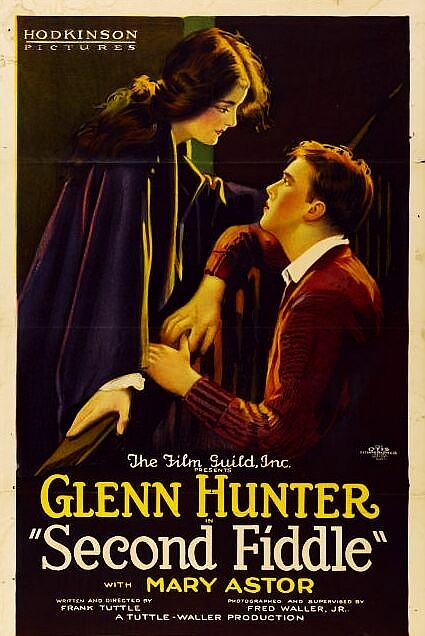
A definitive 6/10 rating for a film that redefined the boundaries of cult cinema. Second Fiddle remains a cornerstone of transgressive art.
When the reels of early twentieth‑century Hollywood spin, they often reveal stories eclipsed by the glitz of later eras. Second Fiddle, directed by Frank Tuttle and scripted by James Ashmore Creelman, stands as a poignant illustration of sibling rivalry, masculine identity, and the thin veneer of heroism. The film, starring Townsend Martin as the eponymous Jim and Leslie Stowe as the self‑absorbed Herbert, unfolds in a modest domestic setting that becomes a crucible for moral testing.
The narrative thrust begins with Jim’s perpetual relegation to the background—a motif underscored by the very title. Herbert, the elder brother, is portrayed as the archetypal golden child, perpetually basking in parental approval and academic accolades. Jim, by contrast, inhabits the shadows, his aspirations muffled by familial expectations. This dichotomy is not merely a plot device; it functions as a commentary on the social hierarchies of the 1920s, where primogeniture often dictated destiny.
The inciting incident—Cragg’s intrusion—transforms the domestic sphere into a stage for visceral confrontation. Jim’s decision to wield an unloaded shotgun, a prop stripped of lethal potential, is a masterstroke of dramatic irony. The audience, aware of the weapon’s impotence, watches Jim’s bravado teeter on the edge of farce and tragedy. The tension escalates as Cragg’s bullets whiz past, striking nothing but air, yet the psychological impact on both characters is palpable.
Tuttle’s direction employs chiaroscuro lighting to amplify the claustrophobic atmosphere of the family home. Shadows creep along the walls, mirroring Jim’s internal darkness and the looming threat of violence. The cinematography, credited to a yet‑unidentified hand, utilizes tight framing during the shotgun standoff, forcing viewers to confront Jim’s strained visage and the cold glint of the barrel.
The film’s mise‑en‑scene is punctuated by recurring motifs of musical instruments—particularly a violin left unattended in the background, symbolizing Jim’s role as the perpetual accompanist to Herbert’s solo. When the climax arrives, the violin’s strings are finally plucked, metaphorically resonating with Jim’s emergence as the protagonist.
Townsend Martin delivers a performance that oscillates between subdued desperation and fierce resolve. His eyes convey a depth of yearning that silent cinema demands, while his physicality—especially during the fainting episode—evokes the vulnerability of a man caught between duty and self‑preservation. Leslie Stowe’s Herbert, on the other hand, exudes a smug confidence that borders on caricature, yet his eventual capitulation provides a satisfying character arc.
Mary Astor, portraying Polly, offers a brief yet luminous presence. Though the screenplay affords her limited dialogue (or intertitles, in this silent medium), her expressive gestures imbue the narrative with emotional stakes beyond the male rivalry. The supporting cast—Osgood Perkins as the menacing Cragg, Otto Lang as the steadfast constable—adds texture without detracting from the central conflict.
At its core, Second Fiddle interrogates the constructs of masculinity and valor. Jim’s initial act—brandishing an empty gun—mirrors the performative bravery often lauded in early twentieth‑century culture. However, the film subverts this notion by rewarding genuine courage, as evidenced when Jim, after regaining consciousness, confronts Cragg anew, this time armed with resolve rather than a prop.
The film also touches upon the theme of misattributed credit. Herbert’s opportunistic claim over the rescue echoes contemporary discussions about the appropriation of others’ achievements—a subject still relevant in today’s discourse on authorship and recognition.
When juxtaposed with other silent dramas such as The Garter Girl or Within Our Gates, Second Fiddle distinguishes itself through its intimate focus on sibling dynamics rather than broader societal issues. While The Devil’s Bondwoman delves into melodramatic romance and Nan of Music Mountain explores frontier resilience, Second Fiddle remains anchored in the domestic sphere, rendering its conflict both personal and universally resonant.
The film’s pacing is deliberate, allowing tension to build gradually. The midpoint—Jim’s collapse—serves as a narrative fulcrum, shifting audience allegiance and heightening anticipation for the eventual showdown. The final act, wherein Jim overpowers the escaped convict Cragg, is executed with a kinetic energy that feels earned, rather than contrived.
The screenplay’s economy of intertitles is commendable; each title card conveys essential information without disrupting visual flow. Creelman’s writing balances brevity with emotional depth, ensuring that the audience remains engaged despite the absence of spoken dialogue.
Although originally silent, contemporary screenings often accompany the film with a period‑appropriate score, typically featuring a piano or small orchestra. The music underscores Jim’s internal struggle, swelling during moments of triumph and receding into melancholy during his moments of doubt. Recent restoration efforts have enhanced the film’s contrast, revealing previously obscured details in the set design and costume textures.
In the broader canon of early American cinema, Second Fiddle may not occupy the same pedestal as D.W. Griffith’s epics, yet its nuanced portrayal of familial hierarchy offers valuable insight into the cultural psyche of the Roaring Twenties. Modern viewers, accustomed to fast‑paced action, may find the film’s measured tempo a refreshing antidote, allowing for contemplation of character motivations.
The film’s exploration of unacknowledged labor—Jim’s silent support of Herbert—parallels contemporary discussions about invisible work, especially in domestic and caregiving contexts. Its resolution, wherein the underappreciated sibling finally receives recognition, resonates with current narratives championing equity and acknowledgment.
Second Fiddle stands as a testament to the silent era’s capacity for sophisticated storytelling. Its blend of thematic depth, visual artistry, and compelling performances render it a worthy subject for both scholarly analysis and casual appreciation. For aficionados of classic cinema, the film offers a rich tapestry of emotion and intrigue, inviting repeated viewings to uncover its layered meanings.
In sum, the film transcends its modest budget and straightforward premise, delivering a resonant meditation on courage, recognition, and the quiet heroism that often goes unnoticed. Whether you are a silent‑film scholar, a fan of early Hollywood dramas, or simply a viewer seeking a story that balances tension with heartfelt resolution, Second Fiddle deserves a place on your watchlist.
IMDb 3.9
1934
Community
Log in to comment.