Summary
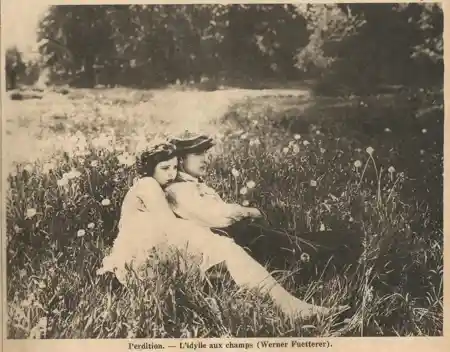
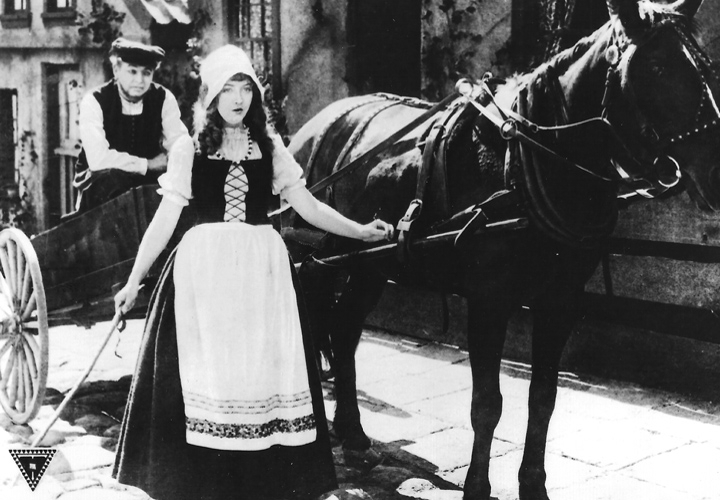
A Puritan town, winter-locked and candle-pale, becomes the stage for a crucible of whispered parturition: Dorothea, veiled in mourning crepe, bleeds not only grief for her drowned beloved but also the afterbirth of a clandestine daughter. To cauterize wagging tongues she swaddles the infant, still slick with secrecy, and passes the bundle to Martha—her friend whose spine is straight as a chapel rafter—who spirits the child to a rheum-eyed wet-nurse in the pine-thick hinterlands. Months calcify into years; Dorothea, now armored in the starched respectability of Deacon Hunt’s matrimonial ring, glides through Sabbath meetings like a swan whose feet churn damnation beneath the surface. Martha, betrothed to the kindly cooper John, carries the halo of assumed maternity until the viperous Sell Hawkins—memory sharpened by malice—recalls the moon-washed night he saw her hand off the babe. Before the congregation’s gimlet gaze he unfurls the accusation: fornication, bastardy, sin unshriven. Martha’s lips seal in a blood-oath of loyalty; Dorothea’s silence curdles into poisoned honey. The ecclesiastical noose tightens—until the child, bandaged from a tumble, is carried into the meetinghouse. One flicker of Dorothea’s unguarded anguish, one maternal gasp, splits the seam of her deceit; the assembly inhales the sour reek of exposed duplicity, and the candle of Martha’s scapegoat-martyrdom gutters into triumphant, searing light.
Synopsis
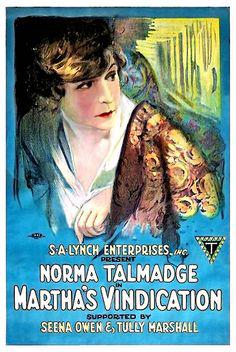
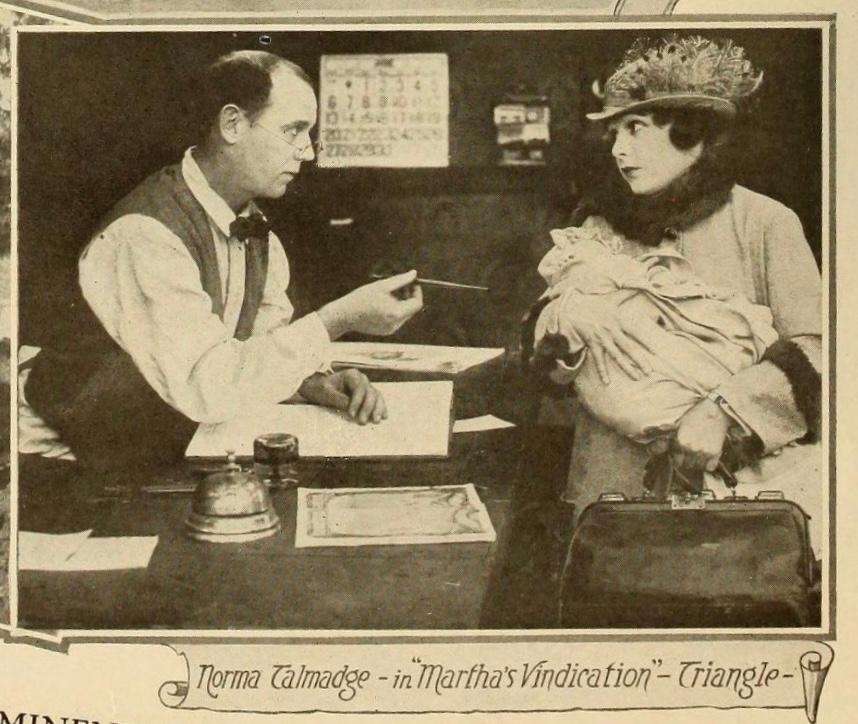
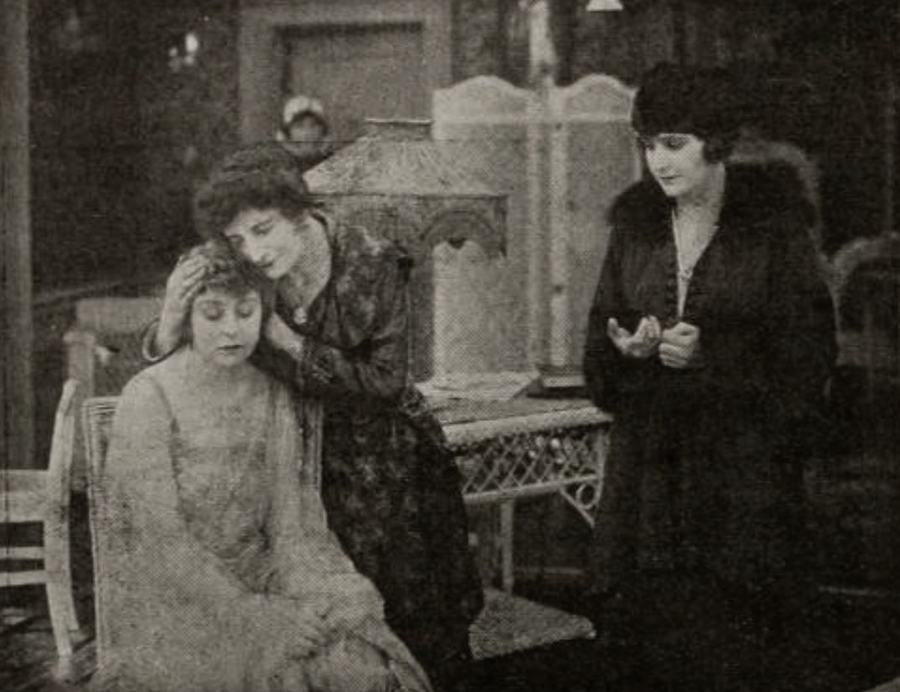
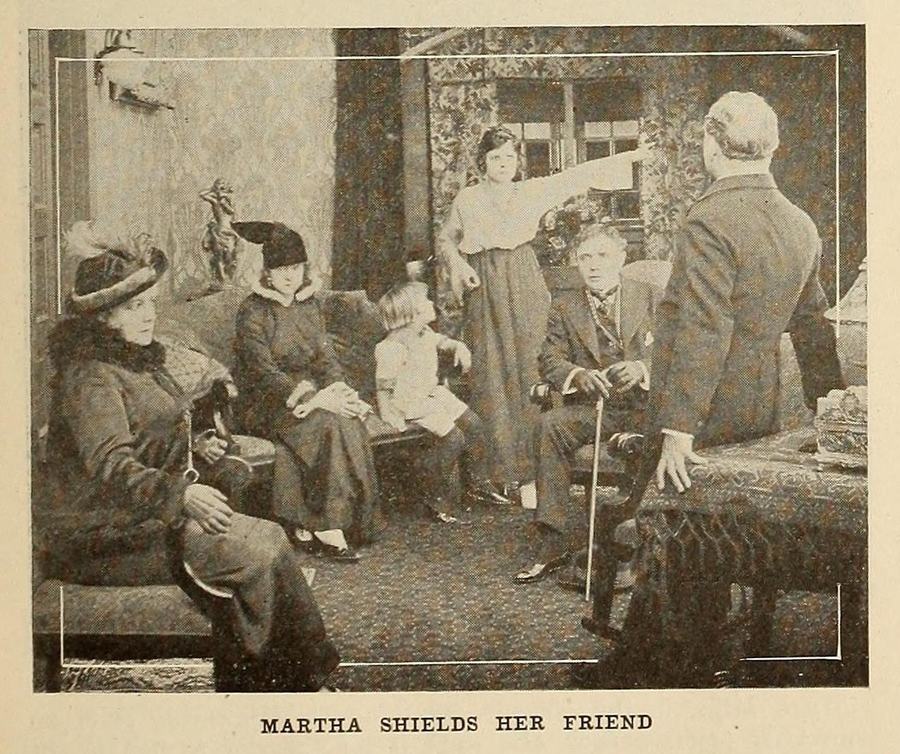
Following the death of her fiance and the birth of her baby, Dorothea, to avoid even the hint of a scandal, gives the child to her best friend Martha, who has arranged to have the infant raised by her old nurse. Soon, having kept her child a secret, Dorothea marries Deacon Hunt, while Martha becomes engaged to John. When unconscionable Sell Hawkins remembers having seen Martha bring the baby to the nurse, accuses her, before the church congregation, of being an unwed mother. Dorothea remains silent, and Martha, hoping to protect her friend, refuses to tell the truth about the child. Just as Martha's guilt seems assured, however, the child is brought to the church with an injury, and when a concerned Dorothea rushes to the infant, her actions and expression betray her own secret.
Review Excerpt
"
Martha’s Vindication is less a film than a frostbitten psalm—each frame an icicle dangling over the throat of its characters, each intertitle a crack in the frozen river we call conscience.
Director Tom Ricketts shot the picture in late 1914 on the frost-slick backlots of Santa Barbara, yet the resulting one-reeler feels exhumed from some 17th-century graveyard where the headstones are carved with verses from Leviticus. The narrative, penned by Ella Carter Woods, distills the Puritan terror o..."