DbcultAccessing Vault...
Cult Review
Senior Film Conservator
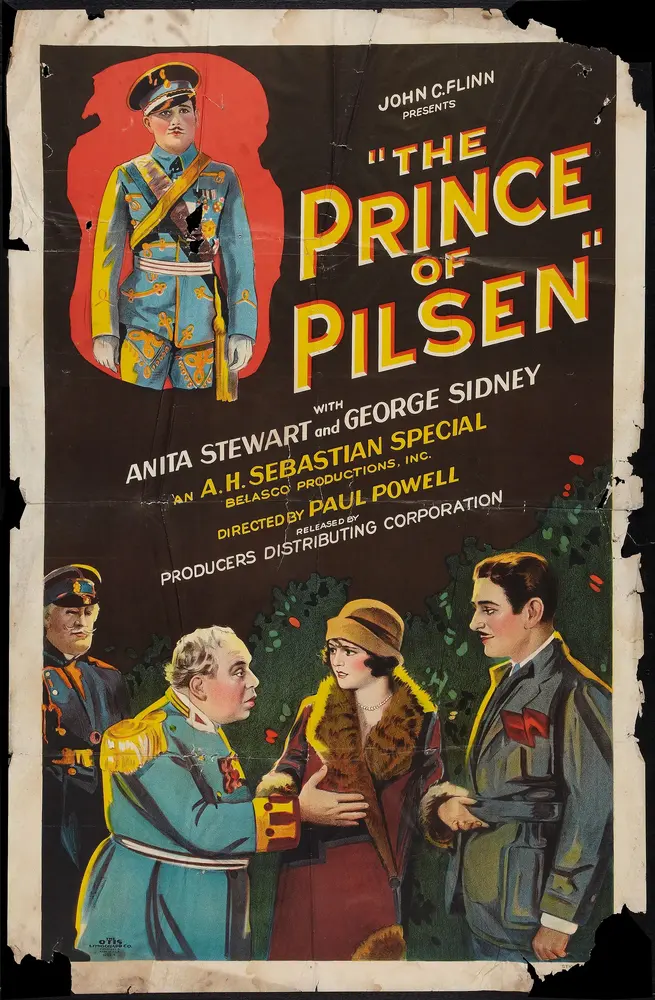
Is The Prince of Pilsen a must-watch for the modern cinephile? Short answer: Yes, but only if you have a high tolerance for the broad, theatrical slapstick of the mid-1920s and an interest in the evolution of the American 'fish-out-of-water' trope.
This film is specifically for those who enjoy the historical lineage of musical theater adaptations and silent comedy fans who appreciate character-driven humor over pure stunt-work. It is absolutely not for viewers who demand the frantic, high-octane pacing of a Buster Keaton chase or the psychological complexity of modern satire.
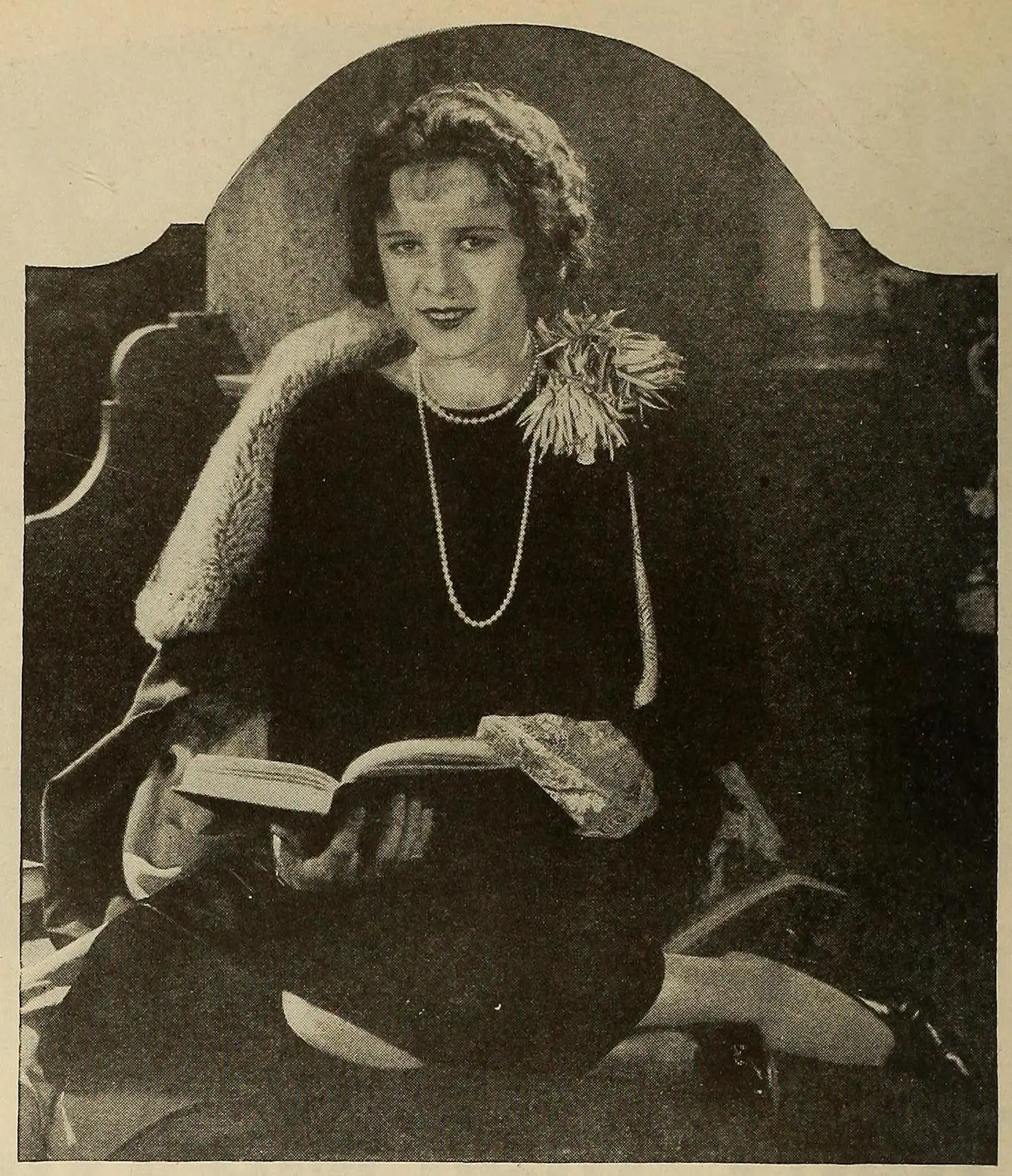
1) This film works because Otis Harlan possesses an innate ability to look both dignified and utterly ridiculous simultaneously, carrying the weight of the film on his expressive shoulders.
2) This film fails because the script relies too heavily on the 'mistaken identity' trope, which becomes exhausting and predictable by the middle of the second act.
3) You should watch it if you want to see a rare example of how the silent era attempted to translate the energy of a popular stage operetta without the benefit of its music.
To understand The Prince of Pilsen, one must understand the era in which it was released. In 1926, the United States was firmly in the grip of Prohibition. Casting a Cincinnati brewer as a hero was a subtle, perhaps even cheeky, nod to the audience's underlying frustrations with the dry laws of the time. Hans Wagner, played with a delightful, bumbling energy by Otis Harlan, represents the quintessential American of the decade: wealthy, loud, unrefined, but ultimately good-hearted.
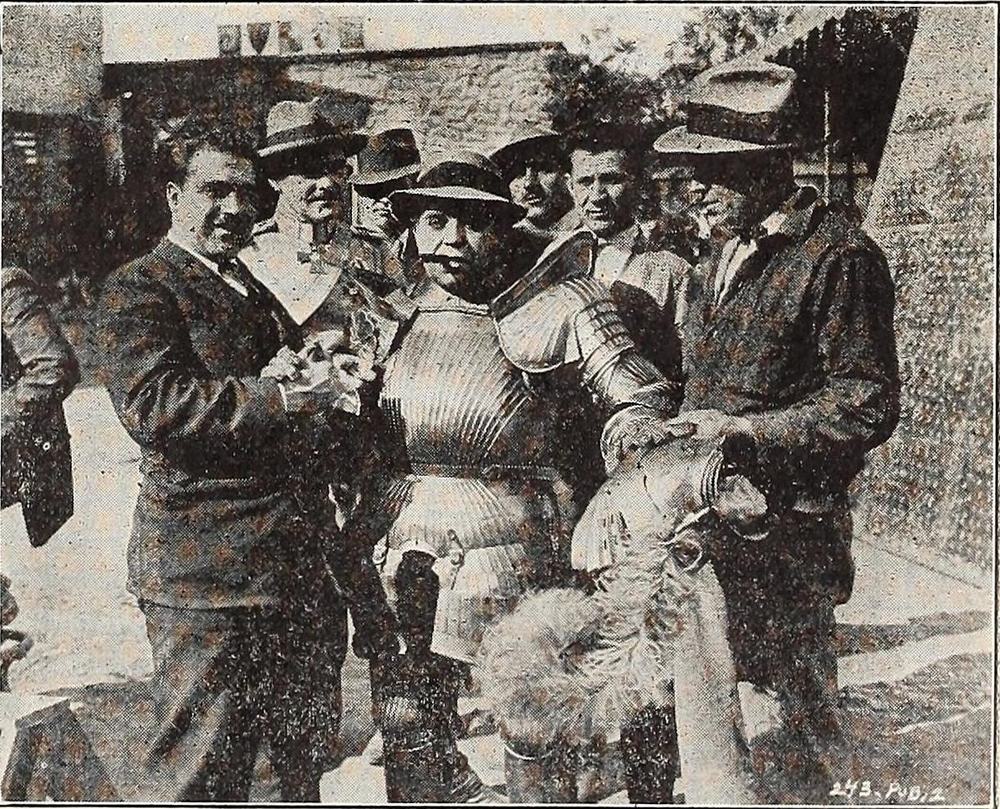
The film doesn't just mock the Europeans; it mocks the American desire for European validation. When Wagner is mistaken for the Prince, the film highlights the absurdity of social standing. The locals in Nice don't care about the man; they care about the title. This is a theme we see explored with much more gravity in films like The Moral Sinner, but here, it is played purely for laughs. It works. But it’s flawed.
The direction by Paul Powell is functional rather than revolutionary. He allows the camera to linger on Harlan’s facial contortions, which is a wise choice. Harlan’s performance is the anchor. Without his specific brand of physical comedy—the way he adjusts his hat when nervous or the exaggerated swagger he adopts when 'acting' royal—the film would likely have evaporated into the ether of forgotten cinema. It’s a performance that rivals the character work seen in Just Off Broadway, though with a significantly lighter touch.
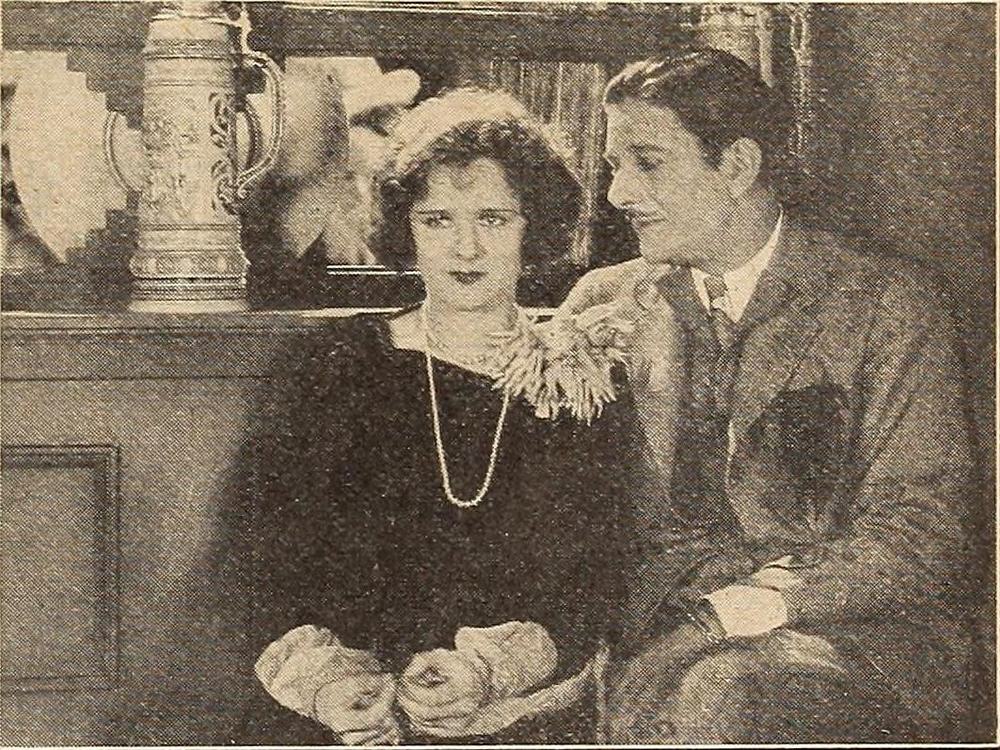
While Harlan is the star, the supporting cast provides a necessary, if somewhat thin, framework. George Sidney and Myrtle Stedman offer solid support, though their characters often feel like archetypes rather than flesh-and-blood people. Stedman, playing Nellie, is the typical silent-era ingenue—beautiful, dutiful, and slightly bland. Her romance feels secondary to the comedic antics of her father, which is a common pitfall of the operetta-to-film transition.
The film treats European royalty like a collection of dusty museum exhibits, waiting for an American to come along and knock them off their pedestals.
One of the most striking aspects of the film is its pacing. Unlike the visceral energy of The Human Tornado, The Prince of Pilsen takes its time. This is both a blessing and a curse. It allows for moments of genuine character comedy, such as a scene where Wagner attempts to navigate the complexities of a royal dinner service. His confusion over which fork to use is a cliché even by 1926 standards, yet Harlan makes it feel fresh through sheer commitment. However, the middle section of the film tends to sag as the misunderstanding is stretched to its breaking point.
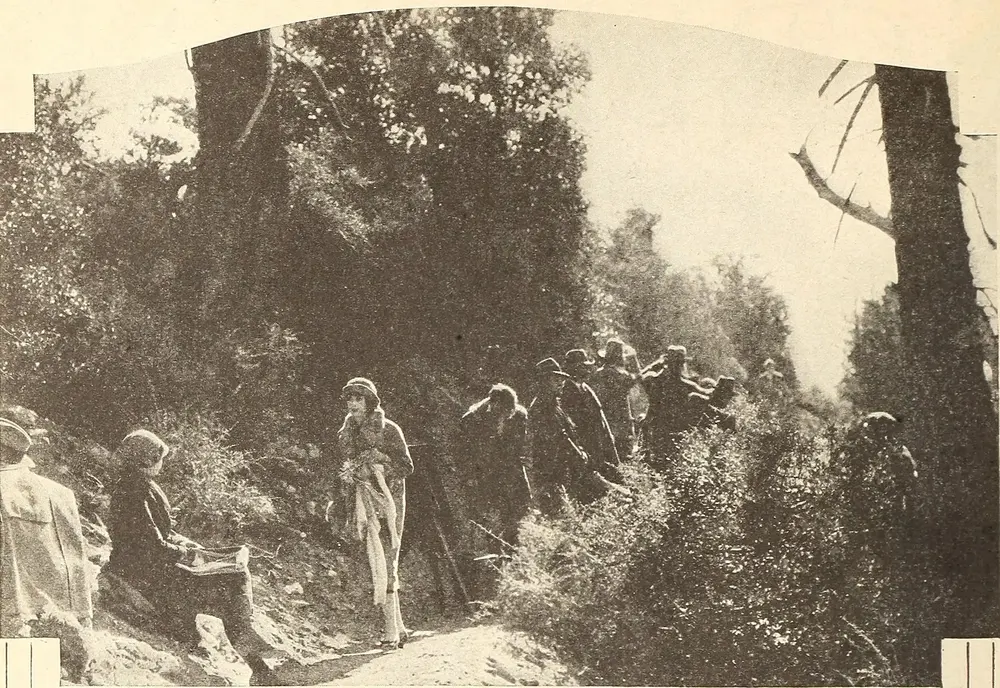
Visually, the film is a product of its time. The sets are grand, intended to evoke the luxury of the Riviera, but they often feel flat and stagelike. This is likely a hangover from the film's theatrical origins. Compared to the more adventurous cinematography found in The Island of the Lost, Powell’s work here is conservative. He relies on medium shots and wide tableaus, rarely moving the camera in a way that feels dynamic.
Yet, there is a charm in this simplicity. The lighting is bright and even, ensuring that every comedic beat is visible. The intertitles, written with a sharp wit by Malcolm Stuart Boylan, often provide the biggest laughs, bridging the gap between the silent action and the rhythmic dialogue of the original stage play. It’s a reminder that in the silent era, the writer of the cards was often as important as the director.
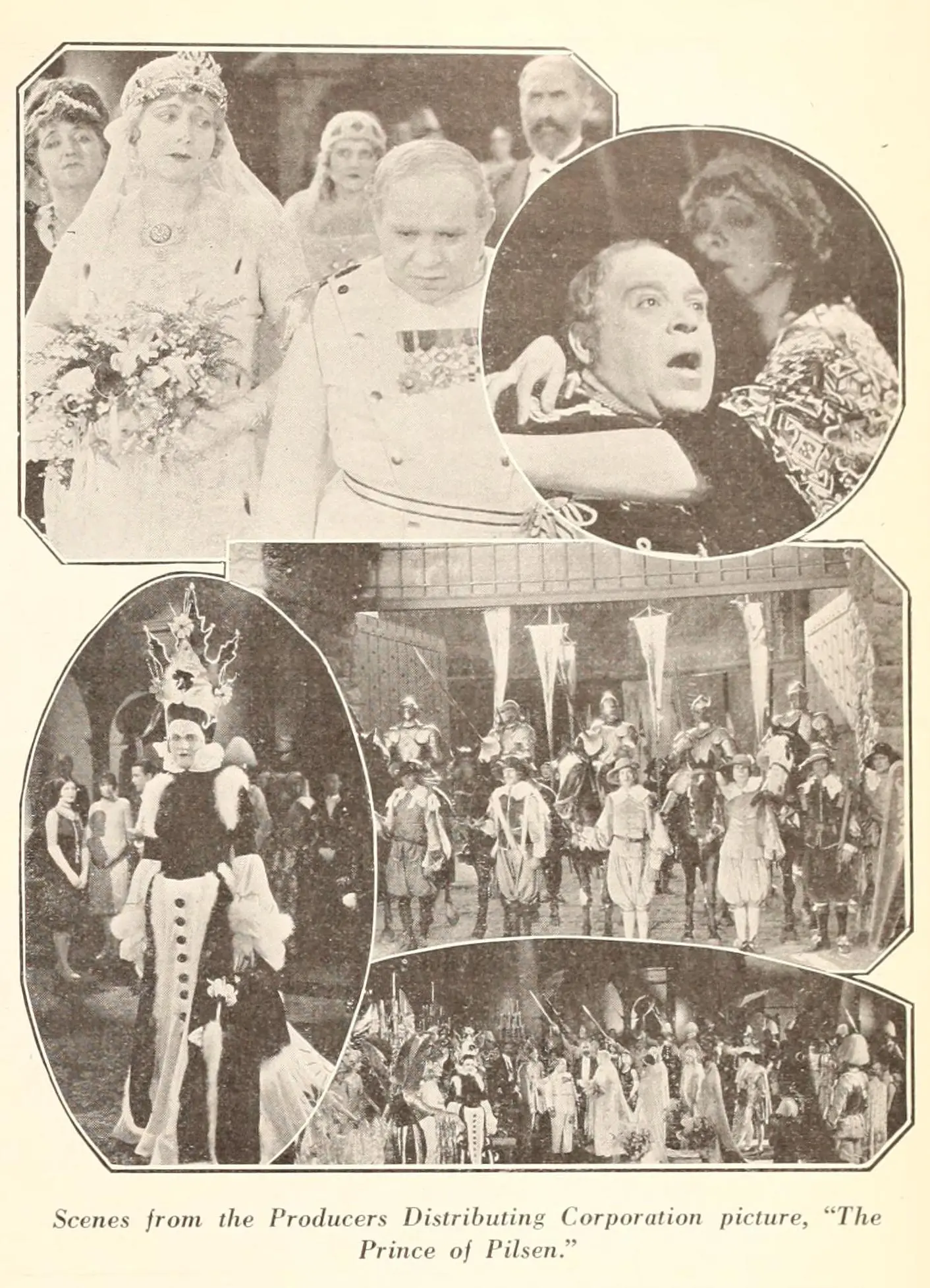
The Prince of Pilsen is a solid example of 1920s situational comedy. It uses a simple plot to highlight the cultural differences between America and Europe. While some jokes are dated, the lead performance by Otis Harlan remains entertaining. It is a good choice for those interested in the history of musical adaptations and those who enjoy lighthearted silent cinema.
Pros:
Cons:
The Prince of Pilsen is a frothy pint of cinema—light, bubbly, and ultimately satisfying, even if it lacks a deep, complex flavor. It doesn't attempt to reinvent the wheel, but it rolls along quite nicely on the strength of its cast. While it may not have the lasting impact of a Keaton or Chaplin feature, it remains a valuable piece of the silent era puzzle. If you find yourself in the mood for a low-stakes comedy that mocks the very idea of social standing, this is a brew worth sampling. It isn't a masterpiece, but it is a damn good time for those who know what they are getting into. It’s a reminder that sometimes, the best way to deal with the elite is simply to laugh at them.
IMDb —
1919
Community
Log in to comment.