DbcultAccessing Vault...
Cult Review
Senior Film Conservator
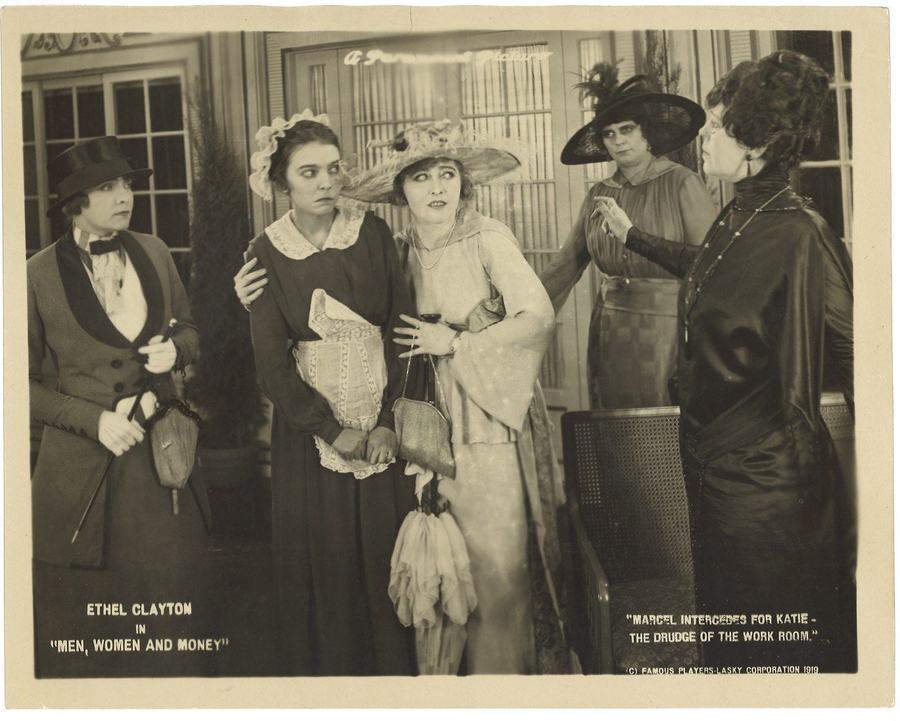
In the annals of silent cinema, where narratives often painted with broad strokes of melodrama and moral instruction, Men, Women, and Money (slug: men-women-and-money) emerges as a fascinating artifact. This film, a product of an era brimming with social commentary disguised as entertainment, delves into themes that resonate with surprising clarity even today: the corrupting influence of wealth, the perilous journey of innocence into urban sophistication, and the capricious hand of fate. It’s a compelling examination of human nature, stripped bare of dialogue, relying instead on the potent language of gesture, expression, and the often-exaggerated stylings typical of the period.
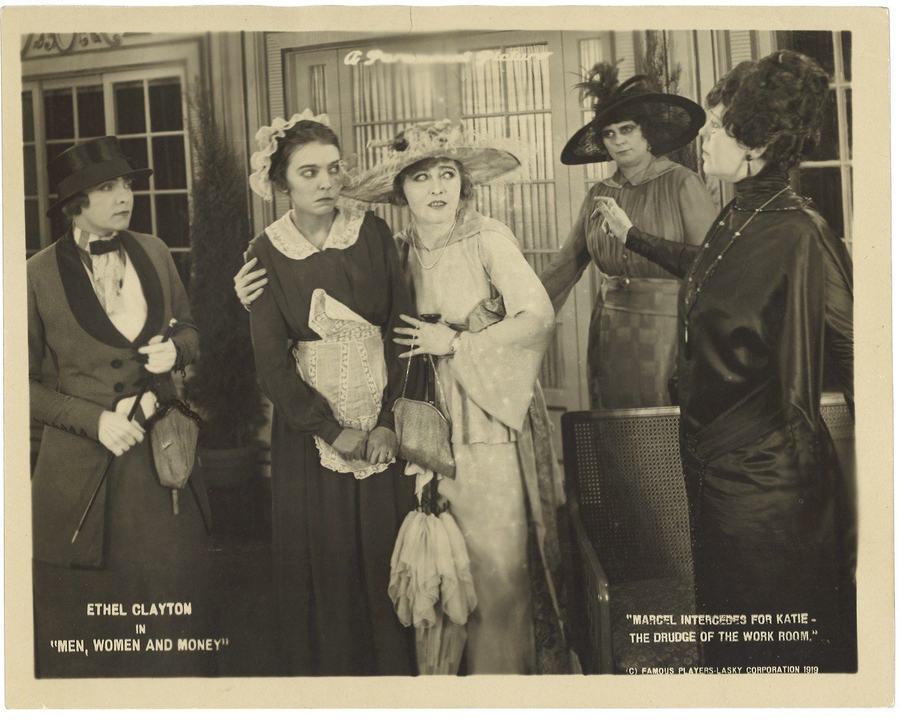
At its core, the narrative pivots around the journey of a guileless country girl, whose initial foray into the bustling, unforgiving metropolis serves as the catalyst for a series of transformative, often harrowing, experiences. Her rural upbringing, a cradle of simplicity and trust, ill-prepares her for the cynical machinations that await in the city's underbelly. The film masterfully sketches her descent, not into outright depravity, but into a state of profound vulnerability and destitution, orchestrated by a coterie of unscrupulous characters who view her as little more than a pawn in their self-serving schemes. These are not merely villains in the conventional sense, but rather embodiments of the city's inherent moral ambiguities, individuals whose pursuit of gain eclipses any sense of ethical restraint. Her eventual predicament – broke, stranded, and utterly alone – is a poignant testament to the city's capacity for both dazzling promise and devastating betrayal. Yet, in a narrative twist that, while perhaps convenient, speaks to the era’s penchant for optimistic resolution, a benevolent millionaire materializes, offering not just financial succor but a potential pathway to renewed hope and a fresh perspective on life’s intricate tapestry. This fortunate intervention, while a common trope, still carries a certain emotional weight, symbolizing the enduring belief in redemption and the unexpected kindness of strangers.
The success of a silent film hinges dramatically on the expressiveness of its performers, and Men, Women, and Money is graced with a cast capable of conveying nuanced emotions without uttering a single word. Zasu Pitts, whose career would later evolve to encompass distinctive comedic roles, here demonstrates a remarkable capacity for dramatic pathos. Her portrayal of the innocent country girl is imbued with a fragility and earnestness that makes her plight genuinely affecting. Pitts’s large, expressive eyes and subtle shifts in posture communicate a world of inner turmoil and burgeoning disillusionment, drawing the audience into her struggles with remarkable efficacy. Her performance is a masterclass in silent film acting, eschewing exaggerated gestures for a more understated, yet equally powerful, emotional resonance.
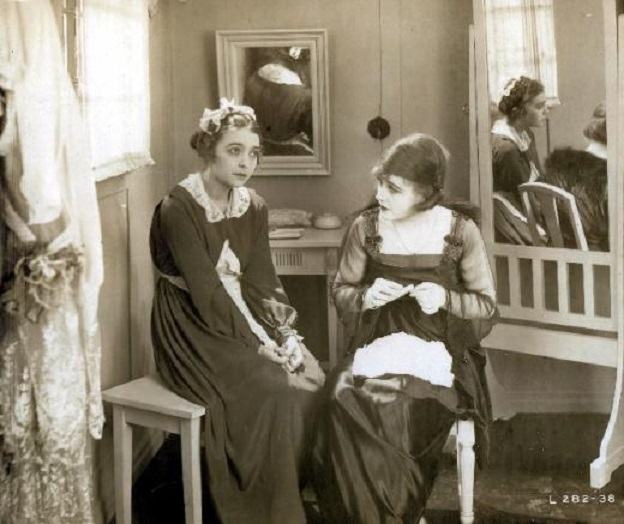
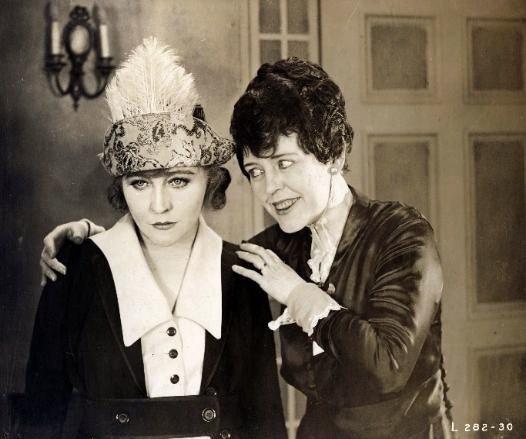
Opposite her, Lew Cody, often cast as the suave, sometimes duplicitous, leading man of the era, likely brought his characteristic charm and underlying menace to the role of one of the 'unscrupulous people.' Cody had a knack for embodying characters who were both alluring and dangerous, a duality that would have perfectly suited the urban predators of this narrative. The supporting cast, including Helen Dunbar, Leslie Stuart, and Winifred Greenwood, each played their part in constructing the intricate web of relationships and deceptions that ensnare the protagonist. Their collective performances, guided by the vision of the film's creators, coalesce to form a believable, if heightened, depiction of early 20th-century urban society. The ensemble works cohesively, each actor contributing to the overarching mood and thematic exploration, ensuring that the emotional beats of the story land with impact despite the absence of spoken dialogue.
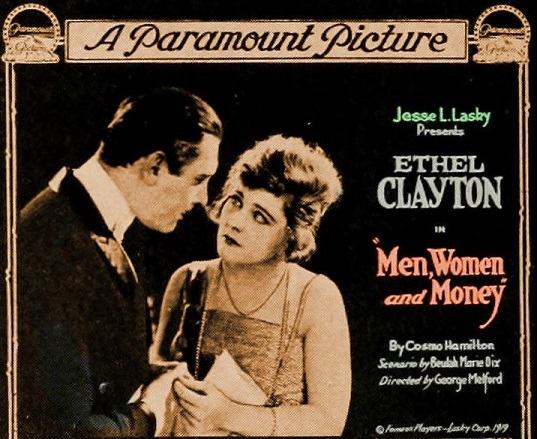
The creative backbone of the film rests with its writers, Beulah Marie Dix and Cosmo Hamilton. Dix, a prolific playwright and screenwriter, was known for her strong female characters and intricate plots, often exploring themes of morality and societal expectations. Hamilton, a British novelist and playwright, brought a sophisticated understanding of human foibles and social dynamics. Their collaboration likely produced a script that, while adhering to the conventions of silent cinema, offered a well-structured narrative with clear character arcs and thematic depth. The interplay of their distinct voices undoubtedly enriched the storytelling, providing a solid foundation upon which the actors and director could build a compelling visual experience. Their work here demonstrates a keen awareness of how to build tension and evoke empathy through purely visual means, a hallmark of excellent silent film writing.
At its heart, Men, Women, and Money is a cautionary tale, a cinematic mirror reflecting the anxieties of a society grappling with rapid urbanization and shifting moral landscapes. The stark contrast between the idyllic country life and the harsh realities of the city is a recurring motif in cinema, seen in films like Lena Rivers, where rural innocence similarly confronts urban complexities. Our protagonist's journey embodies the universal struggle of maintaining integrity in the face of temptation and adversity. The 'unscrupulous people' are not just individual villains but represent the systemic dangers of a burgeoning capitalist society where wealth often dictates morality. The film subtly questions the true cost of ambition and the fragility of virtue when confronted with desperation.
Furthermore, the sudden appearance of the benevolent millionaire introduces the theme of serendipity and the role of chance in shaping human destiny. Is it mere luck, or a divine intervention, that saves our heroine from utter ruin? This element of deus ex machina, while a common narrative device, also speaks to a deeper societal yearning for justice and the belief that good deeds, or at least good intentions, will eventually be rewarded. It offers a glimmer of hope, a counterpoint to the pervasive darkness of the city's moral decay. This narrative structure, where despair is alleviated by an unexpected benefactor, can be seen in other contemporary works like The Ransom, where external forces dramatically alter the protagonist's fate, highlighting the precariousness of life and the power of external influence.
The aesthetic of silent film, often dismissed by modern audiences as quaint or overly theatrical, possesses a unique power. The reliance on visual storytelling, exaggerated expressions, and evocative intertitles forces a particular kind of engagement from the viewer. Filmmakers of this era were masters of visual metaphor and symbolism, using lighting, set design, and camera angles to convey mood and character. While specific technical details of Men, Women, and Money might be lost to time, we can infer a commitment to crafting a compelling visual narrative. The contrast between the bright, open spaces of the country and the shadowed, claustrophobic alleys of the city would have been a crucial visual element, underscoring the protagonist's journey. The pacing, dictated by the rhythm of the intertitles and the actors' movements, would have been carefully orchestrated to build tension and emotional impact.
The absence of synchronous sound paradoxically amplifies other sensory experiences. The music, often played live in theaters, would have been integral to the film's emotional landscape, guiding the audience through moments of suspense, despair, and triumph. Without dialogue, every gesture, every flicker of expression, every movement of the camera becomes a word, a sentence, a paragraph in the visual lexicon of the film. This demands a heightened level of interpretive engagement from the audience, making the experience deeply personal and often more immersive than modern, sound-driven narratives. This immersive quality is something that films like Ingeborg Holm, renowned for its stark realism and emotional depth, also leveraged to great effect, proving that silence could speak volumes.
When considering Men, Women, and Money, it's impossible not to draw comparisons to other films of its era, or even later works, that explore similar themes. The journey of a naive individual facing urban corruption is a recurring narrative device. One might see echoes of its moral dilemmas in films like The House of Silence, which also delves into intricate webs of deceit and the consequences of moral compromise. The sheer vulnerability of the protagonist, thrust into an environment utterly alien to her, evokes a sense of shared human experience, a fear of the unknown that transcends specific historical contexts.
The film's exploration of class distinctions and the power dynamics between the wealthy and the impoverished also finds parallels in works such as Southern Pride, where societal structures and economic disparity often dictate individual fates. The millionaire's intervention, while a comforting resolution, also highlights the inherent inequality of a system where one's survival can hinge on the arbitrary generosity of another. This isn't just a story about individual choices, but about the broader societal forces that shape those choices and their outcomes. Even the romantic undertones, subtle as they may be, where a chance encounter leads to a potential new beginning, can be seen in other films of hope and new beginnings, like The Wine Girl, which similarly weaves narratives of resilience and unexpected turns of fortune.
Furthermore, the film's depiction of the city as both a place of opportunity and a den of iniquity is a theme that has permeated cinema for decades. From the dangerous allure captured in Lorelei of the Sea, where maritime dangers mirror urban perils, to the more straightforward moral quandaries of My Partner, the city acts as a crucible for character. Our protagonist's transformation, from wide-eyed ingenue to a woman scarred but potentially strengthened by her trials, resonates with the universal human experience of growth through adversity. The film, in its quiet way, argues that true character is forged not in comfort but in the crucible of hardship, a sentiment echoed in many tales of resilience, including those exploring the hidden depths of human spirit like The Man Who Wouldn't Tell, where secrets and survival intertwine.
The thematic threads of deception and the search for genuine connection are also strong. The 'unscrupulous people' are masters of illusion, their charm often a facade for their exploitative intentions. This struggle to discern true character from false appearances is a timeless one. It’s a theme explored in various forms, from the intricate plotting of The Crown Prince's Double, where identity and deception are central, to the more personal betrayals depicted in The Girl in His House. Ultimately, Men, Women, and Money uses these narrative elements not just for entertainment but to provoke thought about the forces that shape our lives and the choices we make, or have made for us.
In retrospect, Men, Women, and Money offers more than just a historical glimpse into early cinema; it provides a narrative that continues to resonate with contemporary audiences. The universal themes of vulnerability, exploitation, and the search for redemption are timeless. While the stylistic conventions of silent film might require a slight adjustment for modern viewers, the raw emotional power of Zasu Pitts's performance and the compelling narrative crafted by Dix and Hamilton shine through. It’s a testament to the enduring power of storytelling that a film from over a century ago can still evoke empathy and provoke reflection on the complexities of human existence.
This film serves as a valuable reminder of the foundations upon which modern cinema was built, demonstrating how early filmmakers, despite technological limitations, managed to craft narratives that were both entertaining and socially pertinent. The nuanced portrayal of characters, the exploration of moral ambiguities, and the ultimate message of hope against despair contribute to its lasting relevance. Much like the profound human drama found in His Mother's Boy or the intense character study in Hitting the High Spots, Men, Women, and Money stands as a significant piece of cinematic history, inviting us to ponder the eternal dance between innocence and experience, greed and generosity, and the unpredictable currents that guide our lives. Its quiet power continues to speak volumes, a testament to its craftsmanship and thematic depth.
IMDb —
1932
Community
Log in to comment.