DbcultAccessing Vault...
Cult Review
Senior Film Conservator
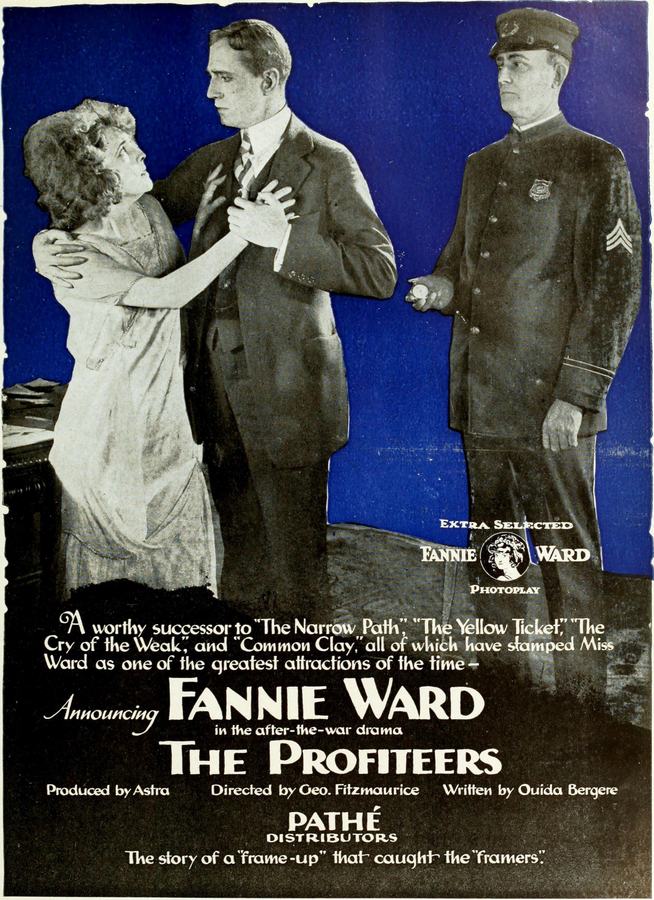
There's a certain raw, unvarnished power to the dramas of the early 20th century, a directness that often cuts through the layers of cinematic sophistication we've grown accustomed to. The Profiteers, a 1919 silent film, stands as a stark, compelling testament to this era, delivering a narrative that, despite its century-old vintage, feels remarkably resonant in its exploration of societal corruption and personal integrity. It’s a film that doesn't merely tell a story; it plunges the viewer into the ethical quagmire of a nation grappling with the aftershocks of war, where the avarice of a few threatened the well-being of many. This isn't just a historical curiosity; it's a vibrant piece of cinematic art that speaks volumes about human nature under duress, a veritable masterclass in silent-era melodrama.
At its heart, The Profiteers unfurls a tale of righteous indignation clashing with entrenched villainy. We are introduced to Richard Randall, portrayed with earnest conviction by John Miltern, a young lawyer whose patriotic fervor manifests as an unwavering commitment to social justice. Randall isn't merely a legal professional; he’s a moral compass, embarking on an arduous speaking tour, his voice a potent weapon against the insidious forces of food profiteering. This was a very real and pressing issue in post-World War I America, where unscrupulous individuals exploited shortages and public need for exorbitant gain. The film taps directly into this zeitgeist, making Randall's crusade not just a personal quest but a reflection of collective anxieties. His speeches, though unseen by modern audiences, are palpably felt through the reactions they provoke, particularly from the film’s antagonist.
Enter Everett Dearing, the shadowy, Machiavellian head of a vast food combine, brought to life with chilling effectiveness by Edwin Stevens. Dearing is not merely a businessman; he is the embodiment of unchecked corporate greed, a man who views human suffering as a mere byproduct of profit. His spies, a network of unseen eyes and ears, report Randall's burgeoning influence, recognizing the threat he poses to Dearing's illicit empire. The conflict is thus established: the individual's moral stand against the systemic corruption of power. It’s a classic David-and-Goliath scenario, but one painted with the nuanced brushstrokes of human vulnerability.
Dearing's response is not direct confrontation, but a serpentine plot of blackmail and manipulation, a testament to his insidious nature. He targets Tony Terle, a society idler played by Leslie Stuart, whose moral fiber appears as flimsy as his social standing. Terle, under Dearing’s coercive thumb, becomes Dearing’s unwitting, or perhaps unwilling, accomplice. The coercion of Terle is a particularly dark stroke, highlighting how vulnerability and past indiscretions can be exploited by the truly ruthless. It’s a narrative device that echoes the moral ambiguities found in other melodramas of the era, where social standing often masked a delicate house of cards.
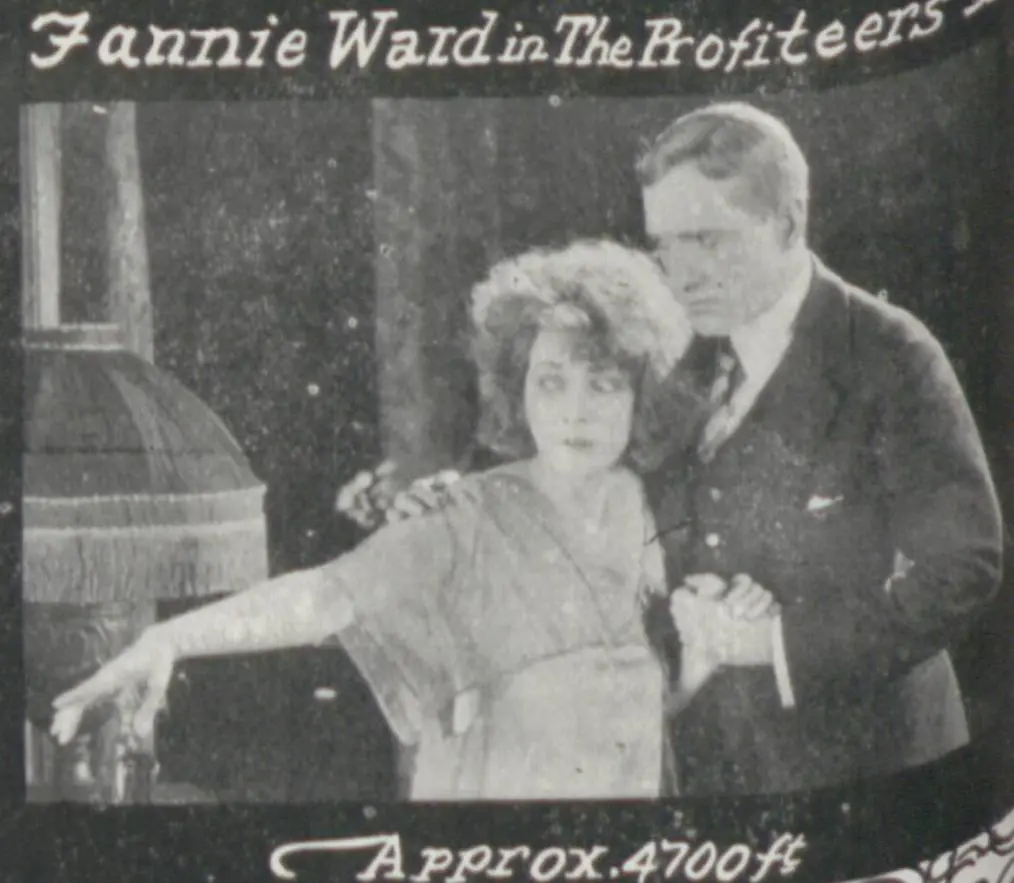
The plot thickens as Dearing, through Terle, orchestrates a vile scheme to compromise Beverly, played with remarkable pathos by the luminous Fannie Ward. A fabricated illness of Richard serves as the bait, luring Beverly to a secluded roadhouse. Here, the film builds an exquisite tension. Terle, under Dearing’s watchful eye and coercive hand, stages a compromising embrace, a moment captured by a strategically placed photographer. This single image becomes the fulcrum upon which Dearing intends to leverage Beverly. The threat is clear and devastating: publish the photograph alongside a lurid, fabricated story, and Randall’s reputation, his crusade, and his marriage would be irrevocably shattered. It’s a cruel twist, designed to attack Randall not on the merits of his arguments, but through the honor of his wife.
Beverly’s subsequent confrontation with Dearing in his office is the dramatic apex of the film. The stakes are astronomically high. While Terle, wracked with guilt and fear, hides in the shadows, Beverly, a woman of strength and conviction, struggles against Dearing. This scene, devoid of dialogue, relies entirely on the powerful performances of Ward and Stevens, their physical struggle conveying the desperate battle between innocence and malevolence. The climax is abrupt and shockingly violent: Dearing falls onto his desk, a paper spindle piercing his chest. It’s a visceral, almost poetic justice, a mundane office tool becoming an instrument of fate.
What follows is a testament to Randall's unwavering love and protective instinct. He gallantly takes the blame for Dearing's death, shielding Beverly from the legal and social ramifications. This act of self-sacrifice elevates his character further, solidifying him as a true hero. However, the narrative, ever keen on its twists, reveals a crucial detail: a doctor discovers that Dearing was, in fact, shot in the back. This revelation unravels Randall's confession, shifting the focus and intensifying the mystery. Terle, the terrified accomplice, flees, his conscience finally catching up to him. His subsequent capture and confession – revealing he shot Dearing with a silenced gun – ties all the loose ends, exposing the full extent of Dearing’s manipulative grip and Terle’s tragic complicity. The film concludes with the emotional reunion of Randall and Beverly, their bond strengthened, their integrity reaffirmed, having weathered the storm of scandal and murder.
At the core of The Profiteers’ emotional resonance is the captivating performance of Fannie Ward as Beverly Randall. Ward, a veteran of both stage and screen, brings a remarkable depth and vulnerability to her role. Her portrayal transcends the typical damsel-in-distress trope; Beverly is a woman of immense inner strength, her love for Richard unwavering, yet her terror and despair in the face of Dearing’s blackmail are palpable. Silent film acting demanded a particular kind of expressiveness, relying heavily on facial nuance, gesture, and body language to convey complex emotions without the aid of spoken dialogue. Ward masters this art, her eyes conveying volumes of fear, defiance, and heartbreak.
Consider her scenes with Edwin Stevens’ Dearing: the subtle flinch, the determined set of her jaw, the way her hands clench – every movement is meticulously crafted to communicate Beverly's internal struggle. Her performance in the climactic office scene is particularly powerful, a visceral depiction of a woman fighting not just for her reputation, but for her very soul and her husband's future. Ward's ability to elicit profound empathy from the audience solidifies her status as a silent film icon. Her presence alone elevates the film from a mere potboiler to a compelling character study, reminding us of her versatility seen in other features like Hands Up! where she also navigated complex dramatic scenarios with remarkable grace.
While Ward undeniably anchors the film, the strength of The Profiteers also lies in its robust supporting cast. John Miltern, as Richard Randall, embodies the upright, honorable hero with conviction. His earnestness is crucial; without it, Randall's self-sacrificing act might seem overly dramatic rather than genuinely noble. Miltern’s portrayal grounds the moral core of the story, providing a strong, sympathetic figure for the audience to rally behind. He projects an aura of unwavering principle, making his character's journey from public crusader to falsely accused murderer all the more impactful.
Edwin Stevens delivers a truly memorable performance as Everett Dearing. He crafts a villain who is not merely evil, but chillingly pragmatic and utterly ruthless. His Dearing is a man of quiet menace, whose power emanates not from bombast, but from cold calculation. The way he manipulates Terle and threatens Beverly is a masterclass in understated villainy, making his sudden, violent end feel earned, if not entirely expected. Stevens avoids caricature, painting a portrait of a man consumed by avarice, a stark contrast to the moral clarity of Randall.
Leslie Stuart's portrayal of Tony Terle is equally critical. Terle is a character torn between his dissolute lifestyle and a nascent sense of morality. Stuart effectively conveys Terle’s weakness, his susceptibility to Dearing’s blackmail, but also his underlying remorse. His fear and guilt are palpable, especially in his confession, which provides the final, crucial piece of the puzzle. Terle isn't a purely evil character; he's a flawed individual caught in a web far beyond his control, a testament to the film's nuanced characterizations. This kind of morally ambiguous character was a staple of early cinema, adding layers of complexity that transcended simple good-vs-evil narratives, much like the intricate plots seen in films such as The Mystery Girl, where characters often harbored hidden motives.
The narrative strength of The Profiteers owes a substantial debt to its writer, Ouida Bergère. A prolific and highly regarded screenwriter of the silent era, Bergère possessed a keen understanding of dramatic structure and character development. Her script for The Profiteers is a masterclass in building suspense, introducing compelling moral dilemmas, and delivering satisfying, albeit shocking, plot twists. The way she crafts the escalating tension, from Randall's initial crusade to Beverly's blackmail and Dearing's demise, is testament to her skill.
Bergère's ability to infuse social commentary into a gripping melodrama is particularly noteworthy. She doesn't preach; instead, she weaves the dangers of profiteering into the very fabric of the personal drama, making the abstract concept of economic injustice intensely personal for the characters. Her focus on character motivation and consequence, rather than relying solely on spectacle, ensures that the film remains emotionally engaging. Her work here showcases a maturity and sophistication often overlooked in early cinema, rivaling the intricate storytelling found in works like The Marble Heart, which also explored complex human relationships and moral quandaries.
The Profiteers, despite its age, grapples with themes that remain remarkably pertinent. The struggle against unchecked corporate greed and economic exploitation is a timeless battle. Randall's crusade against food profiteers resonates with contemporary concerns about fair pricing, supply chain ethics, and the responsibility of corporations. The film serves as a powerful reminder that the pursuit of profit, when unfettered by moral considerations, can lead to devastating consequences for individuals and society at large.
Beyond the socio-economic commentary, the film delves into the sanctity of marriage and the sacrifices made for love. Beverly’s willingness to confront Dearing, and Richard’s readiness to take the blame for a crime he didn’t commit, underscore the profound bond between them. It’s a testament to loyalty and mutual protection, a theme central to many melodramas but executed here with a genuine emotional core. The film poses questions about reputation, truth, and the lengths to which individuals will go to protect their loved ones and their principles. This exploration of personal sacrifice in the face of societal pressures finds echoes in many other dramatic works of the period, from the lighthearted yet principled stand of Just Peggy to the more intense moral dilemmas of The Sign Invisible.
The dramatic irony inherent in Dearing's death – initially appearing as Beverly's accidental act, then Randall's noble lie, and finally Terle's desperate confession – showcases a sophisticated understanding of narrative suspense. It keeps the audience engaged, constantly shifting their perceptions and expectations. This layered approach to mystery and revelation is a hallmark of compelling storytelling, proving that silent cinema was far from simplistic in its narrative ambitions.
Viewing The Profiteers today offers a fascinating window into the craft of early filmmaking. The reliance on intertitles, while sometimes jarring for modern viewers accustomed to constant dialogue, forces a different kind of engagement. It encourages a deeper focus on visual storytelling, on the actors' expressions, and on the careful composition of each shot. The pacing, often deliberate, allows moments of emotional intensity to truly breathe, building suspense through lingering gazes and subtle shifts in posture.
The film’s aesthetic, typical of its era, might lack the dynamic camera movements and intricate editing of later periods, but it compensates with a clarity of purpose. Each scene serves a distinct narrative function, pushing the plot forward or deepening character understanding. The sets, though perhaps modest by today's standards, effectively convey the different social strata, from the opulence of Dearing’s office to the more modest confines of Randall’s home. The film is a valuable artifact, not just for its story, but for what it reveals about the nascent art form of cinema itself. It stands tall among its contemporaries, much like the compelling narrative found within The Mystery of the Rocks of Kador, showcasing the evolving techniques of storytelling on screen.
The Profiteers may not be as widely known as some other silent classics, but its contribution to the genre of social melodrama is undeniable. It showcases the power of cinema not just as entertainment, but as a vehicle for social commentary and moral reflection. The film’s ability to tackle complex issues like economic injustice, blackmail, and murder within a compelling human drama speaks to its enduring quality. It's a reminder that truly great stories, regardless of the technological advancements of their medium, resonate because they speak to universal truths about human struggle, morality, and the unwavering quest for justice.
For those interested in the evolution of cinema, in powerful female performances, or in stories that hold a mirror to societal failings, The Profiteers is an essential viewing experience. It's a film that lingers, prompting reflection on the ethical choices we face, both individually and collectively. The strong performances, particularly from Fannie Ward, coupled with Ouida Bergère's tightly woven script, ensure that this century-old drama remains a vibrant and thought-provoking piece of cinematic history, much like the intricate character studies in Gretchen the Greenhorn or the suspenseful twists of The Master Cracksman. It’s a testament to the fact that some narratives, much like timeless art, transcend their immediate context to speak to every generation.
The Profiteers offers a compelling journey into the heart of early 20th-century American anxieties, proving that the silent screen was anything but quiet in its powerful storytelling.
IMDb 4.8
1923
Community
Log in to comment.