DbcultAccessing Vault...
5.8/10
Senior Film Conservator
A definitive 5.8/10 rating for a film that redefined the boundaries of cult cinema. Wild Beauty remains a cornerstone of transgressive art.
Is Wild Beauty worth watching today? Short answer: Yes, but with significant caveats that demand a specific viewing mindset. This silent-era drama, anchored by the remarkable equine performer Rex, offers a fascinating glimpse into early cinematic storytelling, showcasing both its enduring charm and its inherent limitations. It works. But it’s flawed.
This film works because of its raw, unadorned emotional core and the undeniable star power of its equine lead, Rex, whose presence often overshadows his human co-stars. It fails because its narrative predictability and reliance on melodramatic tropes can feel dated to a contemporary audience, often lacking the nuance modern viewers expect.
You should watch it if you appreciate the foundational elements of cinema, are a dedicated fan of silent-era storytelling, or have a particular affection for horse-centric dramas where the animal often outshines its human counterparts. Conversely, if you require intricate character development, subtle dialogue, or plot twists that defy expectation, Wild Beauty will likely fall short of your modern cinematic desires.
At its core, Wild Beauty is a quintessential tale of good versus evil, set against the backdrop of post-World War I America and the sprawling, romanticized landscape of a family ranch. The narrative, while straightforward, carries the emotional weight characteristic of its era: a returning soldier, a damsel in distress, a noble steed, and a clear-cut villain.
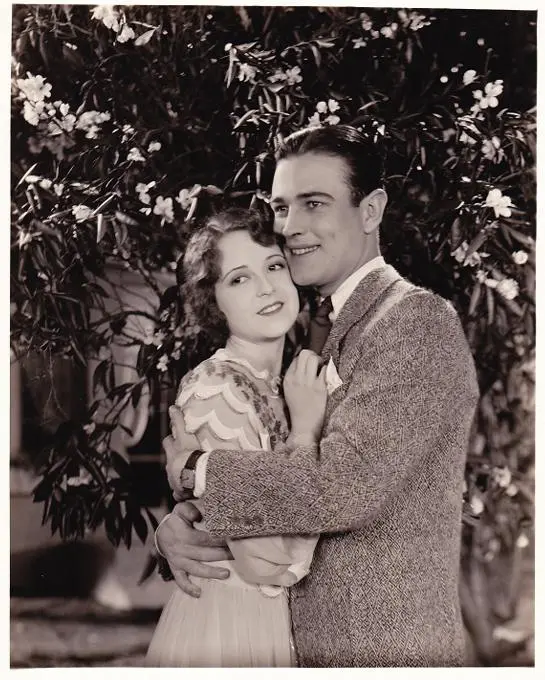
The soldier, played by William Bailey, embodies a stoic heroism, a man seemingly more comfortable communicating through action than words – a necessity in silent film, of course, but one that also defines his character. His bond with Thunderhoof, the black horse he saves from the ravages of war, is the film's most potent emotional anchor. It’s a relationship built on mutual respect and survival, a silent pact forged in the crucible of conflict.
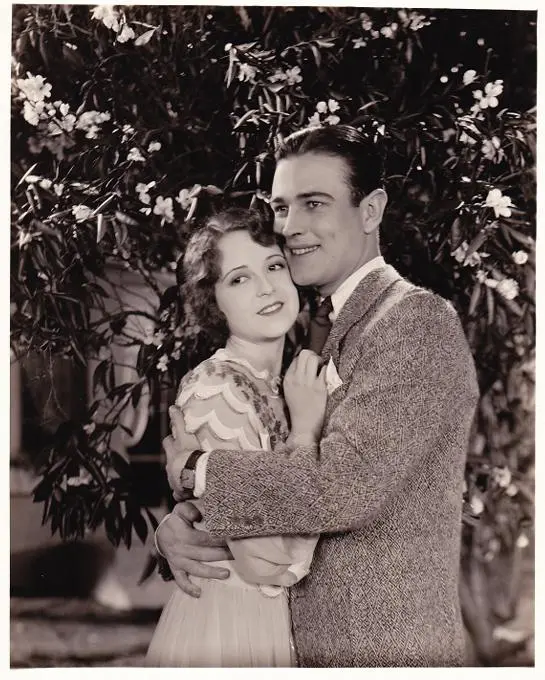
The motivation for the climactic race is equally classic: the threat of losing the family ranch belonging to the girl he loves, portrayed by June Marlowe. This plot device, while simple, effectively raises the stakes and provides a clear objective for our hero. It taps into universal themes of home, heritage, and the fight to preserve what is dear.
However, the antagonists, led by Scott Seaton, are almost comically one-dimensional. They are presented as purely avaricious, driven by a desire to seize the ranch through any means necessary, including rigging a horse race. While this simplicity serves the clear moral lines of the story, it does little for dramatic complexity. Their capture of a wild horse to compete against Thunderhoof is a clever twist, adding a layer of untamed, raw power to the opposition, but their motivations remain shallow.
The film’s reliance on these archetypes is both its strength and its weakness. For those familiar with silent cinema, it’s a comforting return to foundational storytelling. For others, it might feel like a narrative paint-by-numbers, lacking the contemporary demands for moral ambiguity or complex character arcs. It’s a film that asks you to accept its premise and enjoy the ride, rather than dissect its psychological depth.
In Wild Beauty, the term 'performance' must extend beyond the human actors to include its true star: Rex, the horse. Rex is not merely an animal prop; he is an active participant, a character whose expressions and movements convey as much, if not more, emotion than his human counterparts. His presence on screen is captivating, a testament to animal training and the unique connection captured by the filmmakers.
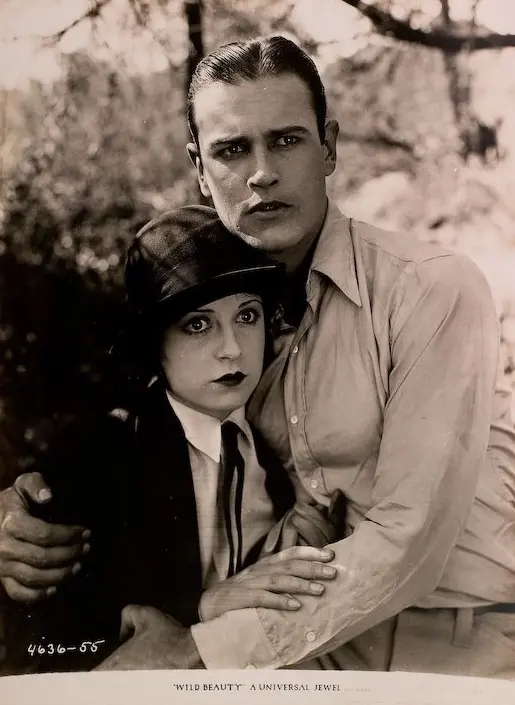
William Bailey, as the returning soldier, delivers a performance marked by a stoic earnestness. In a silent film, much depends on physical presence and facial expressions, and Bailey conveys his character's quiet strength and determination effectively. His interactions with Thunderhoof feel genuine, a bond truly earned rather than simply portrayed. There’s a scene where he’s grooming Thunderhoof, a moment of quiet communion that speaks volumes without a single intertitle card.
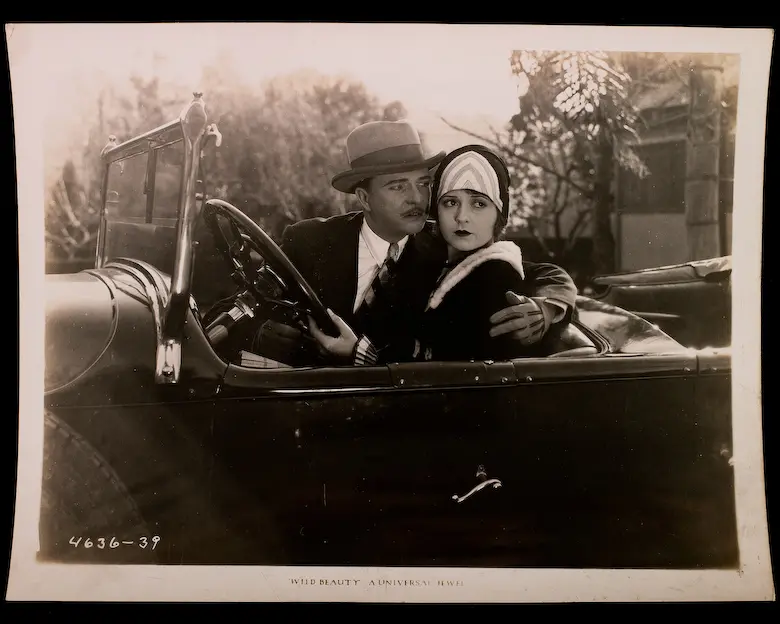
June Marlowe, as the love interest, embodies the classic silent-era heroine. Her portrayal is one of delicate beauty and vulnerability, often in need of rescue, yet possessing an underlying resilience. Her expressions of concern and hope are clear, if sometimes leaning into the broad strokes of melodrama typical of the period. She’s the emotional heartbeat the soldier fights for.
The supporting cast, including Scott Seaton as the primary antagonist, fulfill their roles with conviction. Seaton’s villainy is unsubtle, conveyed through exaggerated gestures and menacing glances, leaving no doubt about his nefarious intentions. This directness, while lacking modern subtlety, was crucial for audience comprehension in the absence of dialogue. It’s a performance designed to elicit boos, and in that, it succeeds.
I'd argue Rex is the true protagonist of Wild Beauty. His scenes, from the battlefield rescue to the training montages and the climactic race, are imbued with a raw energy and intelligence that is simply riveting. The camera often lingers on his powerful physique and expressive eyes, allowing the audience to project emotion onto him, making him incredibly relatable despite his species. This is not just a horse; this is a character.
Edward J. Meagher’s direction, alongside his writing team, demonstrates a clear understanding of silent film’s strengths: visual storytelling, grand gestures, and the power of spectacle. The film’s direction is straightforward, focusing on clarity of narrative and emotional impact rather than experimental techniques.
The cinematography, while not groundbreaking by today's standards, is effective in capturing the expansive beauty of the ranch landscapes and the kinetic energy of the horse racing. There are sweeping shots that establish the setting, contrasting the idyllic rural life with the looming threat of the villains. The use of natural light adds to the authenticity of the outdoor scenes.
Crucially, the directors know how to frame Rex. The camera loves this horse, capturing his power and grace. During the race sequences, the editing picks up, creating a sense of speed and urgency that still resonates. Close-ups on the horses' straining muscles and the determined faces of the jockeys (or riders) heighten the drama. One particular shot, focusing on Thunderhoof's eyes during a moment of distress, is surprisingly effective, conveying fear and determination without a single word.
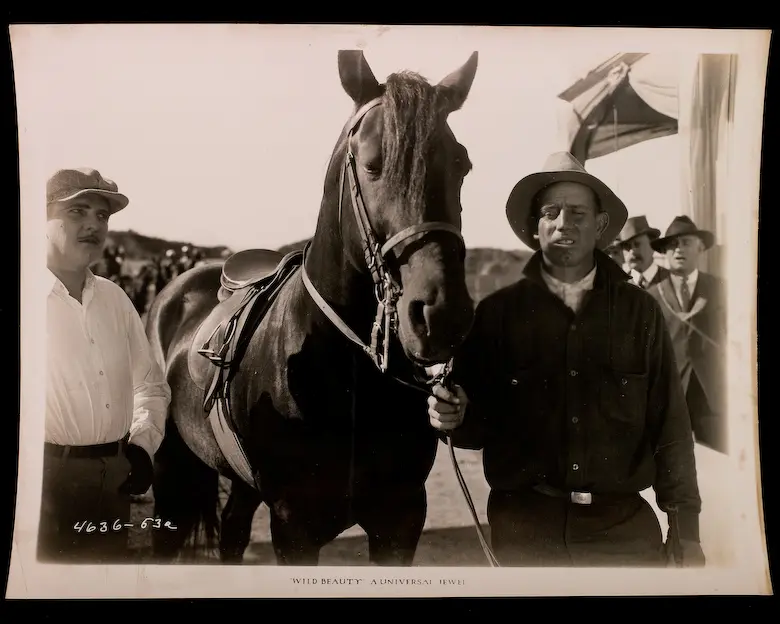
The staging of the final race is a highlight. It’s dynamic, well-shot, and maintains a palpable tension throughout. The filmmakers successfully convey the stakes involved, making the audience genuinely root for Thunderhoof. Considering the technical limitations of the era, the execution of these action sequences is commendable, relying on practical effects and skilled animal handling.
The film also makes good use of establishing shots to convey mood and setting. The grandeur of the ranch, the starkness of any implied WWI flashbacks (though minimal in the provided plot, typical for a veteran character), and the hustle of the race-day crowd are all visually articulated. This visual fluency is paramount in silent cinema, and Wild Beauty largely succeeds in speaking through its images.
The pacing of Wild Beauty is deliberately measured, characteristic of early cinema, yet punctuated by moments of genuine excitement. The film takes its time establishing the characters and their predicament, allowing the audience to settle into its rhythm. This slower build-up can be a challenge for modern viewers accustomed to rapid-fire editing, but it also allows for a deeper appreciation of the visual storytelling.
The tone is predominantly melodramatic, a blend of earnest romance, high-stakes drama, and thrilling action. The emotional beats are broad and clearly telegraphed, leaving little room for ambiguity. This clarity was essential for silent film audiences, ensuring that every plot point and emotional shift was understood. The villains are clearly villainous, the heroes unambiguously heroic.
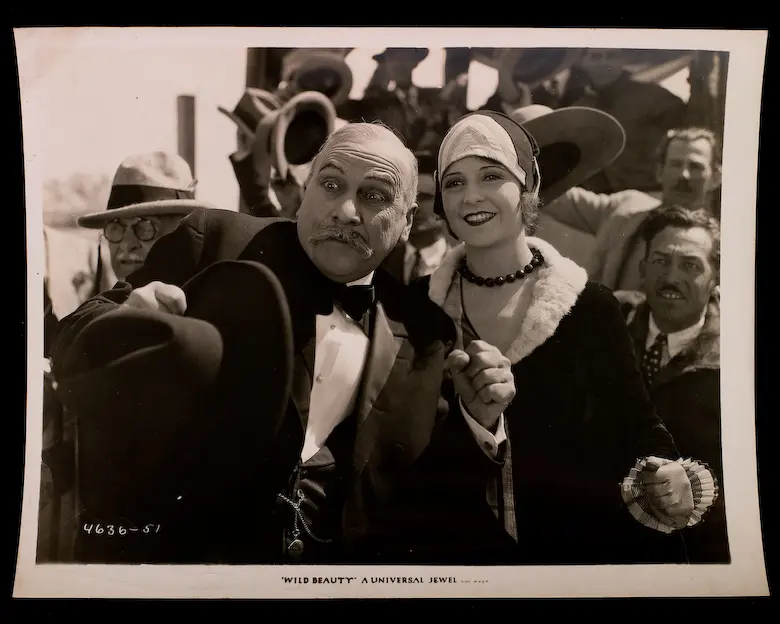
However, this commitment to melodrama occasionally tips into the simplistic. The struggle between the soldier and the crooks, while providing a clear conflict, lacks the moral complexities that might resonate more deeply today. It’s a film that functions on clear binaries, which can feel refreshing in its directness, or somewhat naive depending on one's perspective.
The film’s tone is ultimately one of hope and perseverance, underscored by the inspiring figure of Thunderhoof. Even amidst the threats to the ranch and the soldier's past trauma, there's an unwavering belief in the power of good to triumph. This optimistic outlook, while perhaps a product of its time, still holds a certain appeal.
The transitions between scenes are generally smooth, using dissolves and cuts to guide the narrative flow. The use of intertitles is judicious, providing necessary dialogue and exposition without overwhelming the visual narrative. The film understands that in silent cinema, less is often more when it comes to text, allowing the images to do the heavy lifting.
For those with an interest in cinematic history or a fondness for classic animal stories, Wild Beauty is absolutely worth a watch. It's a prime example of silent-era filmmaking, showcasing the techniques and narrative styles that laid the groundwork for future generations of cinema.
However, if your primary cinematic diet consists of modern, fast-paced, and narratively complex films, you might find its pacing challenging and its plot overly simplistic. It requires a willingness to engage with a different mode of storytelling.
It's a valuable historical document, offering insight into the entertainment values and moral sensibilities of the 1920s. The performance of Rex alone makes it a compelling viewing experience, transcending the limitations of its era.
An unconventional observation about Wild Beauty is how it inadvertently highlights the evolving definition of 'performance' in cinema. Rex, the horse, with his raw, uncoached presence, genuinely commands the screen more effectively than some of his human co-stars. His instinctual reactions and majestic physicality are so compelling that they force a re-evaluation of what constitutes 'acting' in the nascent years of film, suggesting that authenticity, even from an animal, could trump human theatricality. It makes you wonder if early audiences were more captivated by the sheer, untamed force of nature on screen than by the often exaggerated human emotions.
Wild Beauty is more than just a relic; it’s a vibrant, if imperfect, piece of cinematic history. Its enduring appeal lies squarely with Rex, the four-legged star whose raw power and emotive presence elevate what might otherwise be a fairly standard melodrama. The film functions as a compelling example of silent-era storytelling, demonstrating how filmmakers conveyed high stakes and deep emotion without a single spoken word. It’s a testament to the universal language of action and visual metaphor.
While its predictable narrative and archetypal characters might not satisfy the modern palate for complexity, its charm is undeniable. The suspense of the final race, the earnestness of its hero, and the sheer majesty of its equine lead combine to create an experience that, while demanding a specific kind of engagement, ultimately rewards the patient viewer.
It’s a film that reminds us of cinema’s roots, where spectacle and clear-cut morality often trumped nuance. For fans of early film, animal dramas, or simply those curious about the origins of Hollywood storytelling, Wild Beauty is a journey worth taking. Just don't expect the narrative twists of The Wolf Man or the character depth of The Old Nest. Expect a horse. A very good horse.
IMDb —
1927
Community
Log in to comment.