DbcultAccessing Vault...
Cult Review
Senior Film Conservator
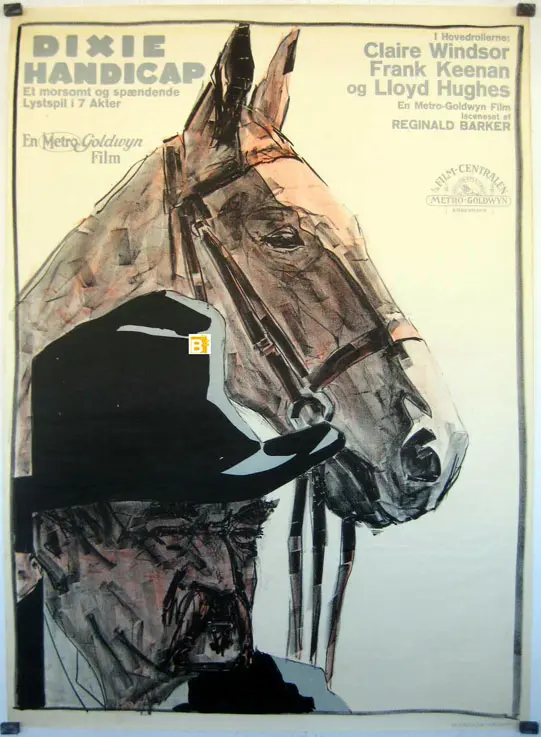
The 1924 production of The Dixie Handicap stands as a monumental artifact of silent cinema, a period piece that captures the intersection of socio-economic disintegration and the visceral thrill of the turf. Directed with a keen eye for melodrama and kinetic energy, the film navigates the treacherous waters of Southern honor and the crushing weight of paternal expectation. It is a narrative that refuses to shy away from the darker impulses of its protagonist, Judge Roberts, played with a searing, weathered intensity by Frank Keenan.
At the heart of this celluloid tapestry is the Judge’s tragic hubris. His refusal to acknowledge his penury is not merely a personal failing but a symptomatic reflection of a class in terminal decline. Unlike the more optimistic portrayals of Southern life found in A Gentleman from Mississippi, Barker’s film leans into the grit. The Judge’s decision to sell his estate piece by piece to maintain Virginia’s (Claire Windsor) lifestyle is a slow-motion suicide of status. The visual storytelling here is sublime; the sprawling Kentucky vistas, once symbols of dominion, become claustrophobic reminders of what has been lost.
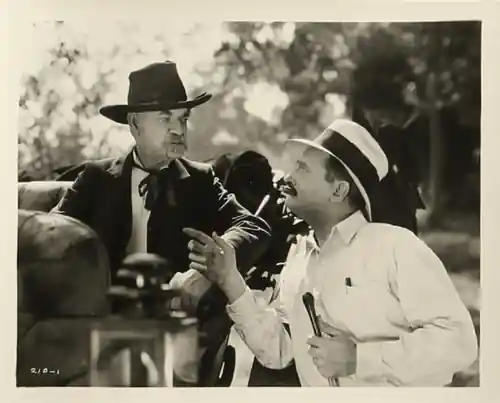
Keenan’s performance is a masterclass in silent-era subtlety. His face, a roadmap of aristocratic anxiety, conveys the exhaustion of a man living a lie. When he stands amidst the remnants of his property, he evokes a sense of isolation comparable to the thematic loneliness explored in Robinson Crusoe Hours, though his island is one of social fabrication rather than geographic distance. The tension between his public persona and his private destitution provides the film’s primary engine of conflict, driving the audience toward an inevitable reckoning.
The introduction of the horse, Dixie, serves as the film’s metaphysical pivot. In many ways, the horse is the true protagonist, representing the uncorrupted potential of the Roberts bloodline. The training sequences, featuring Lloyd Hughes as Johnny Sheridan, are imbued with a sense of pastoral reverence. Sheridan is the antithesis of the Judge; where Roberts is defined by his masks, Sheridan is defined by his labor and his authentic connection to the earth and the animals he tends. This dynamic echoes the blue-collar sincerity found in The Whistle, highlighting a shift in the 1920s toward valuing character over inherited wealth.
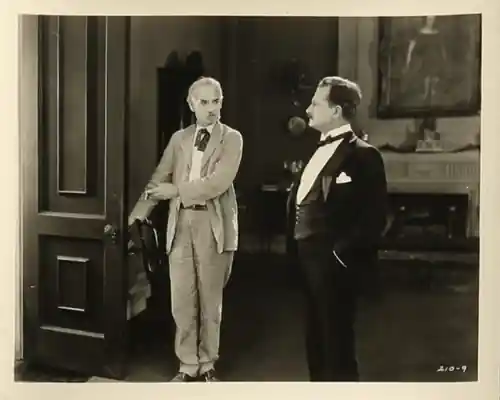
“The cinematography during the racing sequences is surprisingly modern for 1924,” one might observe. The camera captures the thundering hooves with a rhythmic urgency that mirrors the Judge’s internal panic. When Dixie is injured at the Belmont Stakes, the film shifts from a sporting drama into a harrowing survivalist narrative. The recovery of the horse in Kentucky is filmed with an almost religious devotion, treating the animal's healing as a precursor to the Judge’s moral resurrection.
The villainy in The Dixie Handicap is not cartoonish but rather grounded in the predatory nature of capital. The superintendent of the adjoining stable, who attempts to trade financial relief for Virginia’s hand in marriage, represents the cold, transactional reality that threatens the Judge’s romanticized world. This subplot elevates the film beyond a simple sports story, transforming it into a critique of how women were often used as currency in aristocratic negotiations—a theme also touched upon in The Career of Katherine Bush.
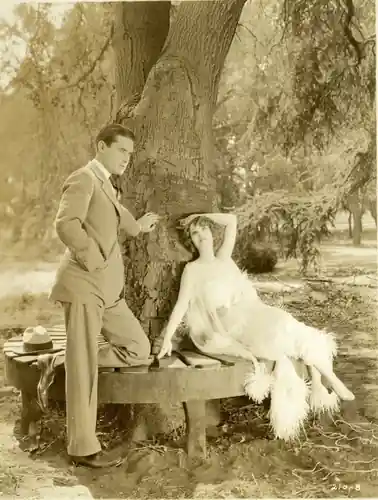
Virginia’s willingness to sacrifice her happiness for her father is a moment of profound pathos. Claire Windsor brings a luminous, fragile dignity to the role, ensuring that Virginia is never merely a damsel in distress but a woman of agency making a terrible choice. The Judge’s subsequent decision to sell Dixie and send Virginia away is his most noble and most destructive act. It is a rejection of the Faustian bargain, yet it leaves him utterly hollow, leading to the film’s most visceral sequence: his descent into the life of a 'drunken derelict.'
The middle act of the film is surprisingly bleak. We witness the Judge lose his home, his dignity, and his political standing. The transition from a respected jurist to a man of the streets is handled with a stark realism that predates the social consciousness of the 1930s. This transformation is as jarring as the tonal shifts in The Little Fool or the rugged hardships depicted in The Alaskan. The Judge becomes a ghost haunting the very town he once presided over, a stark reminder of the volatility of the American Dream.
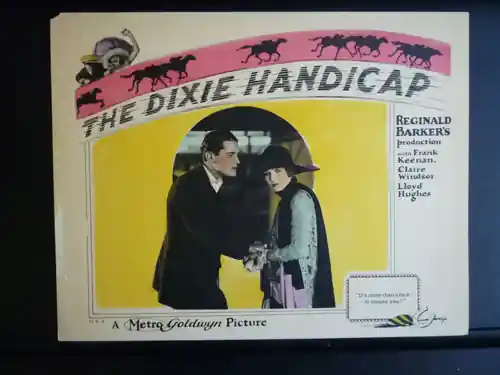
This period of dereliction is essential for the film’s emotional payoff. Without the mud of the gutter, the glory of the winner’s circle would lack its resonance. The Judge’s redemption is not handed to him; it is earned through the loyalty of Johnny Sheridan and the sheer, unyielding will of a horse that refuses to stay broken. It is a narrative of second chances that feels earned rather than manufactured.
The finale at the Kentucky Derby is a tour de force of silent editing. The stakes are multifaceted: the $50,000 purse is not just money; it is the key to reclaiming a stolen legacy. The return of Virginia, now aware of the depths of her father’s poverty, adds an extra layer of urgency to the race. As Dixie thunders down the stretch, the film synthesizes all its thematic threads—the love of a daughter, the loyalty of a friend, and the redemption of a fallen patriarch.
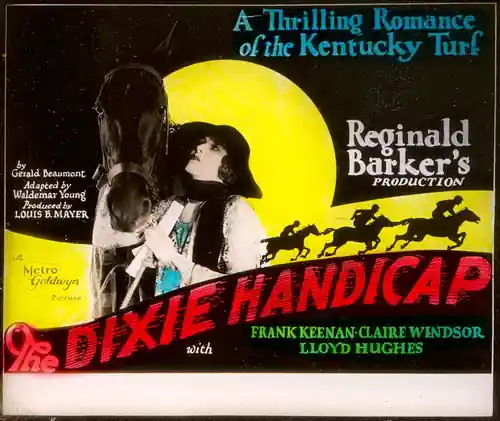
The resolution, while satisfyingly conventional, is handled with a grace that avoids the saccharine. The restoration of the estate and the impending marriage between Virginia and the 'bashful' Johnny Sheridan provides a closure that feels like a healing of the land itself. It is a return to order, but a new order—one based on merit and genuine affection rather than the brittle lies of the past. This sense of a hard-won happy ending is reminiscent of the emotional arcs in Her Five-Foot Highness or Golden Dreams.
Technically, the film is a marvel of its era. The use of natural light in the Kentucky sequences provides a soft, elegiac quality that contrasts sharply with the harsh, shadowy interiors of the Judge’s eventual poverty. The pacing is deliberate, allowing the character beats to breathe before the high-octane racing sequences take over. The writers, Waldemar Young and Gerald Beaumont, crafted a script that balances the intricacies of Southern social strata with the universal appeal of an underdog story.
In the broader context of 1920s cinema, The Dixie Handicap fits within a tradition of exploring the American South as a place of both mythic beauty and deep-seated trauma. It shares a certain DNA with The Halfbreed in its interest in social outcasts and the rigid structures that define them. Yet, it remains uniquely focused on the specific intersection of the equestrian world and the legal/political class.
To watch The Dixie Handicap today is to witness the power of visual storytelling before the advent of synchronized sound. It relies on the eloquence of gesture and the rhythm of the edit to convey complex emotional states. The film is a reminder that the themes of pride, sacrifice, and redemption are timeless. Whether it is the Judge’s silent agony as he watches his daughter sail away or the ecstatic joy of the winner’s circle, the film communicates with a clarity that transcends its age.
For those interested in the evolution of the sports drama, this film is essential viewing. It sets the template for the 'comeback' narrative that would become a staple of American cinema. It is as rugged as The Bargain and as emotionally resonant as Her First Kiss. Ultimately, it is a testament to the idea that while fortune may be fleeting, character—much like a champion Thoroughbred—reveals itself most clearly when the handicap is greatest.
Cast Highlights: Frank Keenan as the Judge delivers a career-defining performance, while Claire Windsor’s Virginia provides the film’s moral and aesthetic center. The supporting cast, including Lloyd Hughes and Otis Harlan, fill out the world with a vividness that makes the Kentucky setting feel alive and breathing.
IMDb —
1923
Community
Log in to comment.