DbcultAccessing Vault...
6.5/10
Senior Film Conservator
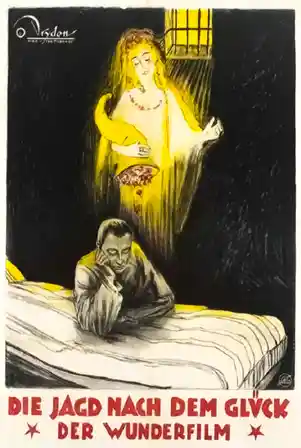
A definitive 6.5/10 rating for a film that redefined the boundaries of cult cinema. The Pursuit of Happiness remains a cornerstone of transgressive art.
So, The Pursuit of Happiness from 1925, it’s not exactly a Netflix recommendation for everyone. This one is really for the folks who dig into silent films, especially those quirky European ones that feel more like visual poems than straight-up stories.
If you love piecing together meaning from gestures and shadows, you'll probably find a lot to appreciate. But if you need clear dialogue, fast pacing, or a plot you can explain in a sentence, this might just feel like a long, quiet stare.
The film opens with Catherine Hessling, and honestly, her face just pulls you right in. There’s a certain delicate sadness, even when she’s doing something silly, that feels very authentic to the era. Her eyes really do most of the talking, as they should in a silent picture.
It’s not a film that rushes. Things sort of *happen*, and then they keep happening. You get these long takes of her just existing, dreaming, maybe looking out a window. Sometimes you almost feel the director, Carl Koch, just letting the camera roll, waiting for something interesting to emerge from her expressions.
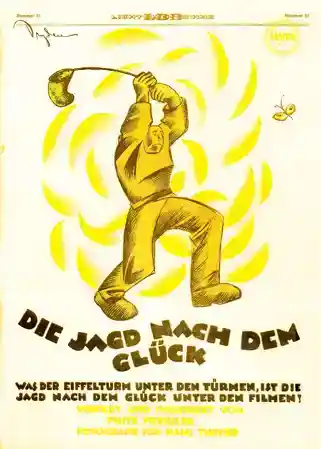
There's this one moment where her character tries to balance a stack of tiny hats, and it goes on for what feels like ages. It’s not a crucial plot point, but it's strangely endearing. It’s almost like a little doodle in the middle of a story, a whimsical aside.
The whole thing feels very dreamlike, which makes sense when you see Berthold Bartosch is listed among the writers. He was a pioneer in animation, and you can sense that influence, even if there aren't overt animated sequences. The way light plays sometimes, it has this almost painted quality.
The 'plot' isn't really a plot in the modern sense. It’s more a series of vignettes about a young woman trying to find some joy, some purpose, in her simple life. She wanders, she observes, she reacts. Sometimes, it’s not even clear *what* she’s reacting to, but Hessling makes it feel important.
There’s a scene where she’s just walking through a market. The crowds are sparse, which is a common thing in films of this budget, but here it adds to this slightly detached, almost lonely feeling. Like she's an observer in her own life, even when she's right in the middle of it.
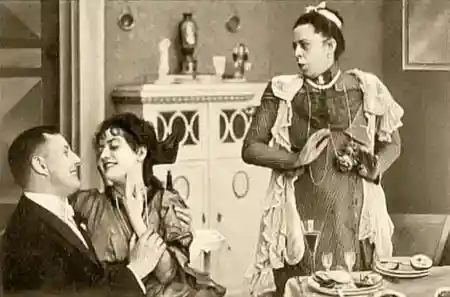
And speaking of observations, keep an eye out for Jean Renoir. He’s in it! He doesn't have a huge role, just a small part, but it's neat to see him pop up. He plays a rather stern-looking gentleman, very different from the later films he directed. It’s a tiny detail, but it makes you smile if you know his work.
The movie doesn't really build to a big climax. It just sort of… resolves. Or maybe it doesn't even resolve, it just stops. It leaves you with this quiet, contemplative feeling, like you’ve been allowed to peek into someone’s memories rather than watch a structured narrative unfold.
Is it a masterpiece? Probably not in the way we usually define it. Is it interesting? Absolutely. It’s a snapshot of a different time, a different way of telling stories, and a wonderful showcase for Hessling’s subtle acting. It sticks with you in its own quiet way, if you let it.
IMDb 6.1
1927
Community
Log in to comment.