DbcultAccessing Vault...
5.8/10
Senior Film Conservator
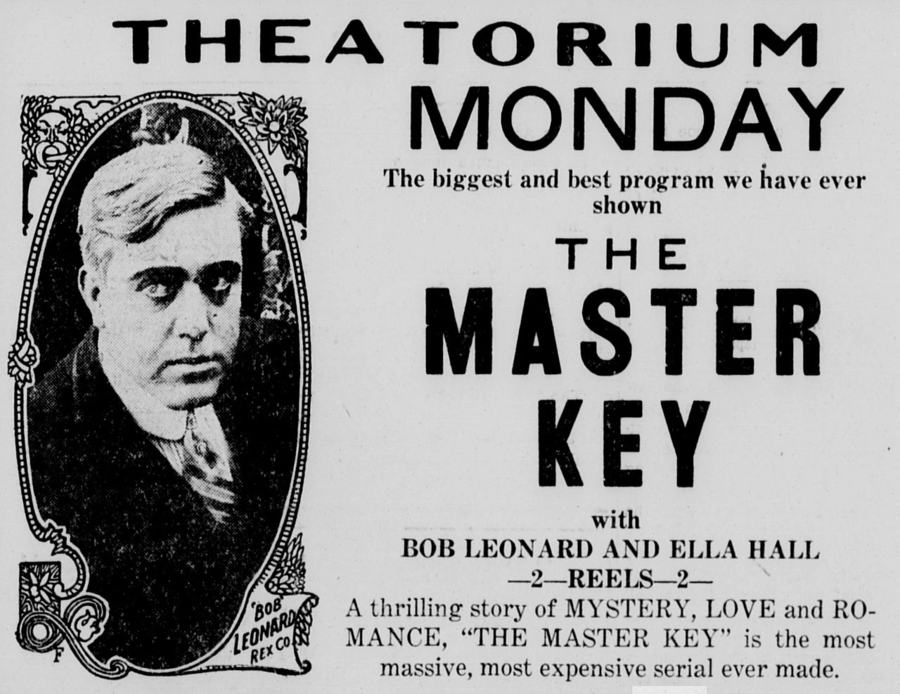
A definitive 5.8/10 rating for a film that redefined the boundaries of cult cinema. The Master Key remains a cornerstone of transgressive art.
In the nascent years of the 20th century, the cinematic landscape was a wild, untamed frontier, much like the gold-rich gulches depicted in The Master Key (1914). Directed by and starring Robert Z. Leonard, this fifteen-episode serial represents a monumental achievement in early narrative construction. While modern audiences might view the silent era through a lens of simplistic melodrama, Leonard’s work demands a more sophisticated appraisal. It is a work that bridges the gap between the primitive shorts of the previous decade and the burgeoning epic sensibilities found in contemporary works like The Battle of Gettysburg. The film is not merely a sequence of thrills; it is a psychological study of how the promise of unearned wealth can erode the foundations of human empathy.
The initial episodes, particularly 'Gold Madness,' establish a tone of claustrophobic paranoia. James Gallon’s betrayal of Wilkerson is not portrayed with the mustache-twirling villainy of a stage play, but rather as a desperate, sweating act of survival. This moral ambiguity sets the stage for a redemption arc that spans continents and years. The visual language employed here—heavy on shadows and frantic movement—mirrors the internal chaos of a man haunted by the ghost of his own conscience. It is a thematic cousin to the gritty urban realism seen in Traffic in Souls, yet it maintains a sense of high-adventure escapism that was essential for the audiences of 1914.
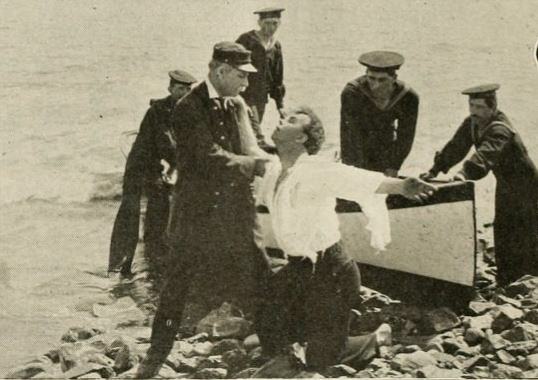
Central to the narrative’s momentum is the titular 'Master Key.' In a stroke of screenwriting genius that predates the sophisticated plot devices of Hitchcock, the key serves multiple functions: it is a physical object, a map of coordinates, and a symbol of paternal protection. The decision to hide the mine’s plans within a Japanese idol—which is then lost at sea—elevates the story from a mere western to a global adventure. This peripatetic structure allows the film to explore diverse settings, from the rugged mines of California to the exoticized, if somewhat problematic, depictions of India. In this regard, it shares the globe-trotting ambition of A Prisoner in the Harem, utilizing the 'Other' as a backdrop for Western heroism.
The transition from the frontier to the urban sprawl of San Francisco in Episode 5 introduces a new layer of peril. The 'cylindrical trap room' in Chinatown is a masterpiece of early production design, creating a sense of environmental danger that rivals the natural hazards of the desert. Here, the film flirts with the 'Yellow Peril' tropes common to the era, yet it balances this with the introduction of the beggar who becomes Ruth’s ally in India. This nuanced (for the time) portrayal of cross-cultural gratitude provides a refreshing counterpoint to the xenophobia often found in early cinema. The film’s ability to weave these disparate elements into a cohesive whole is a testament to the collaborative vision of Leonard and writer John Fleming Wilson.
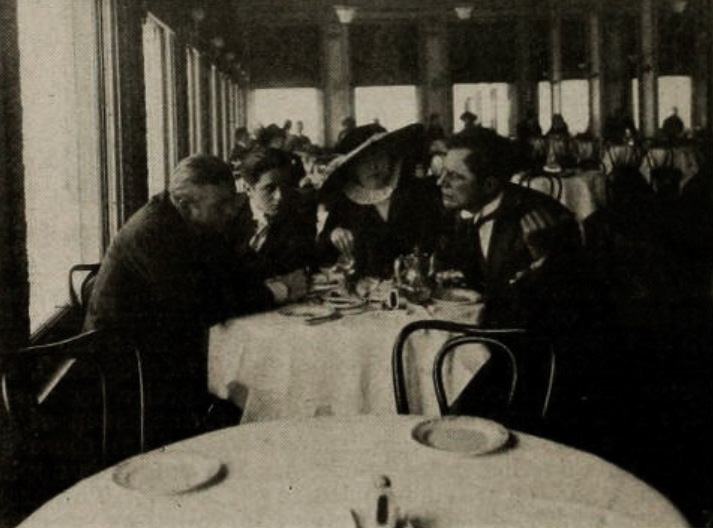
Ella Hall’s portrayal of Ruth Gallon is a revelation. While she often finds herself in the crosshairs of villains like the mercenary Mrs. Darnell and the treacherous Drake, she is far from a passive victim. Her journey from a protected daughter to a woman fighting for her inheritance reflects the shifting social tides of the 1910s, a theme also explored in A Militant Suffragette. Ruth’s resilience in the face of kidnapping, shipwreck, and international intrigue provides the emotional anchor for the series. Her relationship with John Dore (played by Allan Forrest) is built on mutual respect and shared danger, moving away from the purely decorative romances of earlier films like Red and White Roses.
The chemistry between Hall and Forrest is palpable, even through the flickering grain of century-old celluloid. Dore, as the steadfast engineer, embodies the era’s faith in technical progress and moral rectitude. His willingness to sacrifice his own safety—most notably in the spectacular bridge explosion and subsequent canyon plunge—solidifies his role as the quintessential silent hero. Yet, it is Ruth’s intuition and empathy that often save the day, particularly when she befriends the beggar in India. This duality of strength makes The Master Key a more progressive text than it is often credited for being.
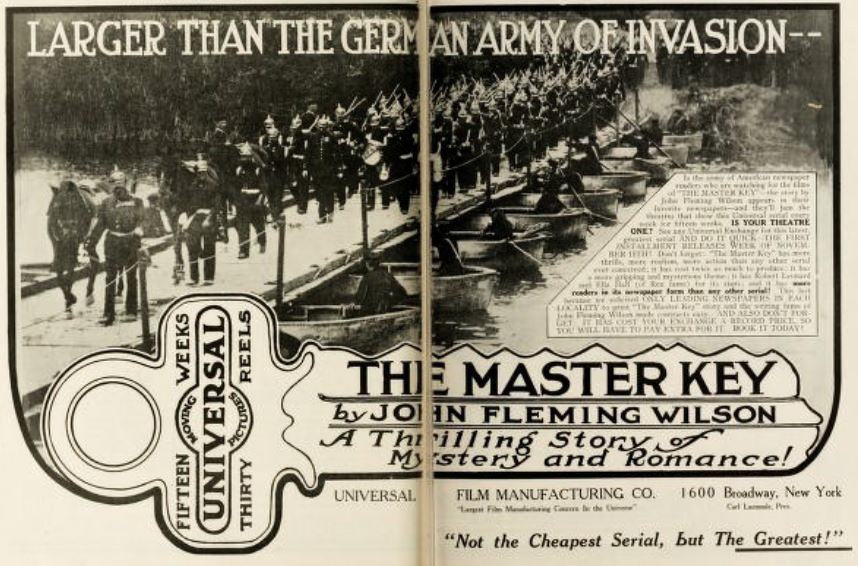
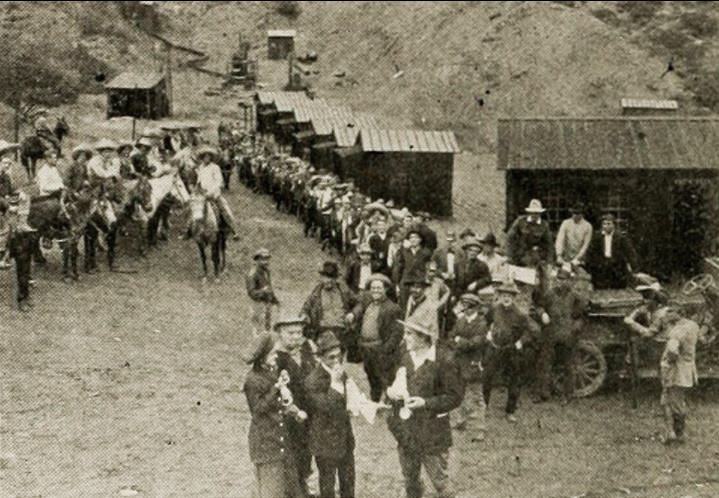
From a technical standpoint, the serial is a tour de force. The stunt work in Episode 4, involving a runaway truck and a blazing bridge, is a precursor to the high-octane action of modern blockbusters. One cannot help but compare the visceral impact of these scenes to the historical reconstructions in The Romance of the Utah Pioneers. The use of real locations—the rugged California hills, the San Francisco waterfront, and the deep-sea diving sequences—lends the film an authenticity that studio-bound productions lacked. The underwater photography, though rudimentary by today’s standards, must have been utterly transfixing for audiences in 1914, offering a glimpse into a world rarely seen on screen.
The editing, too, shows a sophisticated understanding of cross-cutting and suspense. The way the narrative jumps between Wilkerson’s machinations and Ruth’s plight creates a relentless pace that is the hallmark of the successful serial. This rhythmic editing is reminiscent of the tension found in Robbery Under Arms, where the environment is as much a character as the protagonists. Leonard’s direction ensures that despite the labyrinthine plot, the audience never loses sight of the emotional stakes. Every explosion, every chase, and every secret meeting is tethered to the central theme of a daughter’s legacy and a father’s guilt.
No melodrama is complete without its antagonists, and The Master Key provides a triumvirate of villainy that is both entertaining and genuinely menacing. Harry Wilkerson (Harry Carter) is a fascinating foil to James Gallon. He is the physical manifestation of Gallon’s past sins, a 'ghost' that refuses to stay buried. His descent from a wronged partner to a murderous conspirator is a chilling portrayal of how obsession can warp the soul. In many ways, his trajectory mirrors the tragic downfalls found in silent adaptations of Hamlet, though his motivations are far more base.
Complementing Wilkerson is Mrs. Darnell (Jean Hathaway), a character who anticipates the 'femme fatale' of later film noir. Her cold, calculating nature and her ability to manipulate both men and situations make her a formidable opponent for Ruth. The inclusion of such a strong female antagonist adds a layer of complexity to the film’s gender dynamics. Drake (Mack V. Wright), the confidence man, rounds out the trio, providing the 'brains' to Wilkerson’s 'brawn.' Together, they represent a multifaceted threat that requires both Ruth’s intuition and Dore’s strength to overcome. Their eventual downfall—Wilkerson’s death in a premature explosion—is a classic example of poetic justice, a theme that resonates through the moralistic cinema of the time, such as Home, Sweet Home.
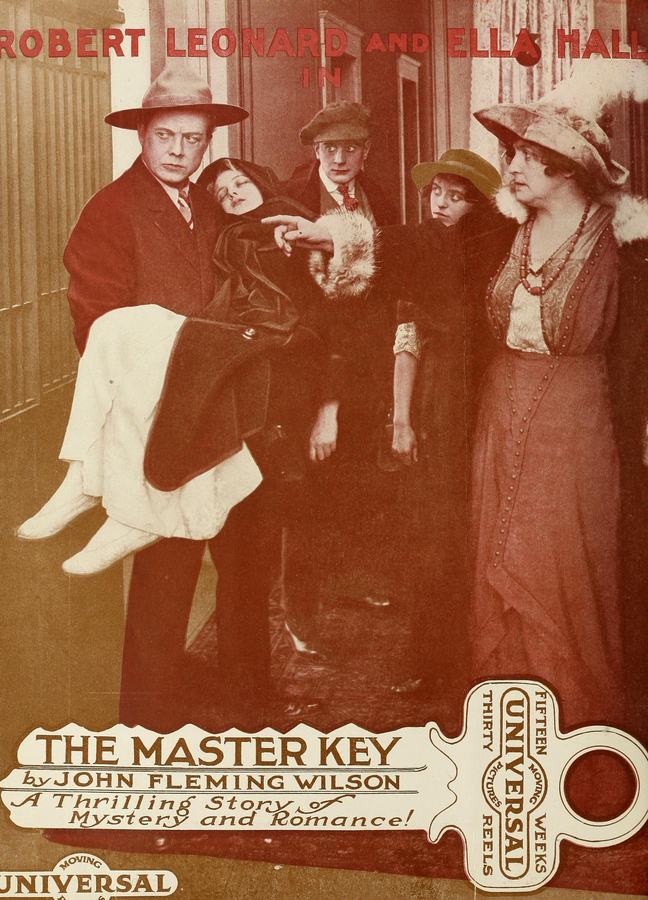
As the final episode concludes with the restoration of the mine and the union of John and Ruth, one is left with a profound sense of the film’s scope. The Master Key is more than just a relic of a bygone era; it is a foundational text that helped define the grammar of the adventure serial. It balances the epic scale of Judith of Bethulia with the intimate character drama of A Lady of Quality. It reminds us that at its core, cinema has always been about the quest—whether for gold, for love, or for the truth.
For the modern cinephile, watching The Master Key is an exercise in archaeological appreciation. It requires looking past the occasional over-the-top gesture to see the genuine artistry beneath. The film’s exploration of guilt, the corrupting influence of wealth, and the enduring power of paternal love remains as relevant today as it was in 1914. Like the sea chest at the bottom of the Pacific, the film holds within it a treasure trove of cinematic history, waiting for the right viewer to turn the key and unlock its secrets. It stands alongside other early masterworks like Das schwarze Los as a testament to the universal language of visual storytelling—a language that Leonard and his cast spoke with breathtaking fluency.
IMDb —
1919
Community
Log in to comment.