DbcultAccessing Vault...
Cult Review
Senior Film Conservator
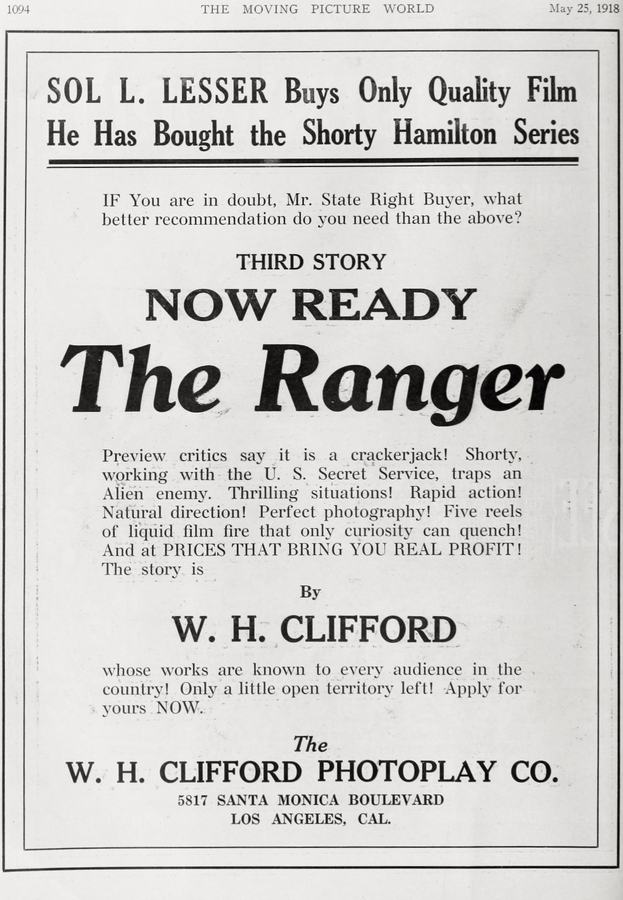
Stepping back into the cinematic annals of 1916, one encounters The Ranger, a film that, despite its relative obscurity today, offers an invaluable temporal window into the simmering anxieties of a nation teetering on the brink of global conflict. America, though not yet officially embroiled in the Great War, was already a crucible of fervent debate, suspicion, and a palpable undercurrent of nationalistic fervor. It's within this charged atmosphere that William H. Clifford's narrative, a stark portrayal of burgeoning German propaganda and the shadowy operations of so-called 'enemy aliens' across the volatile Mexican border, finds its potent resonance. The very premise of the film – a dedicated Texas Ranger, Shorty, tasked with rooting out disloyalty and sedition – speaks volumes about the domestic concerns that paralleled the colossal conflagration engulfing Europe.
The early 20th century, particularly during the tumultuous years leading up to and during World War I, was a period rife with nationalistic fervor and profound suspicion towards anything perceived as 'foreign influence.' German-American communities, once a celebrated part of the American mosaic, found themselves under intense scrutiny, and the U.S.-Mexico border, always a locus of complex interactions, became a stage for imagined and real clandestine activities. The Ranger captures this zeitgeist with an almost documentary-like urgency, albeit filtered through the lens of dramatic fiction. It wasn't merely about distant battlefields; the war was, for many, already at home, manifesting in whispers, coded messages, and the perceived threat of subversion. This film serves as a fascinating cultural artifact, revealing how these abstract fears were concretized into a thrilling, albeit simplistic, narrative designed to galvanize public sentiment.
Shorty, portrayed by the eponymous Shorty Hamilton, is not merely a character; he is an archetype. He embodies the rugged individualism and unyielding commitment to justice often associated with the Texas Rangers. His mission is clear, unambiguous: to trace the intricate web of German operations, to identify the agents provocateurs, and to decisively quell any movement designed to arouse disloyalty. This isn't a nuanced spy thriller with morally ambiguous characters; it's a straightforward tale of good versus perceived evil, a cinematic clarion call for vigilance. Hamilton's portrayal, typical of the era's silent film acting, relies heavily on physical presence and broad gestures, effectively conveying determination and a sense of duty that transcends mere dialogue. He is the steadfast sentinel, the unflinching bulwark against a creeping menace.
William H. Clifford, the film's writer, crafts a narrative that, while perhaps lacking the intricate psychological depth of later espionage dramas, is remarkably effective for its time. He understands the power of direct storytelling, of presenting a clear conflict and a heroic figure to resolve it. The plot, as described, is a functional framework upon which to hang a series of suspenseful encounters and patriotic declarations. It leverages the public's existing anxieties, transforming them into a tangible threat that can be confronted and defeated. One might draw parallels to the direct messaging found in other war-era films, though Civilization, released in the same year, famously offered a more pacifist, allegorical counter-narrative, highlighting the diverse ways cinema engaged with the war's impending shadow. While Civilization sought to critique the very notion of warfare, The Ranger aimed to fortify national resolve.
The ensemble cast, including William Colvin, Mattie Connolly, Kenneth Nordyke, and Charles Arling, contribute to the film's texture, each playing their part in the unfolding drama. While specific details of their individual roles are sparse in historical records, their collective presence would have been crucial in fleshing out the world Shorty inhabits. Connolly, likely playing a female lead or an innocent caught in the crossfire, would have provided a human element, perhaps a vulnerability for Shorty to protect or a source of crucial information. Arling and Nordyke, perhaps portraying allies or antagonists, would have served to advance the plot's various twists and turns. The nuanced art of silent film acting, often misunderstood today, required actors to convey complex emotions and intentions through exaggerated facial expressions and body language, a skill that these seasoned performers would have honed over years on stage and screen. Their contributions, though perhaps secondary to Hamilton's central role, would have been vital in establishing the stakes and the human cost of the espionage activities.
Visually, one can imagine The Ranger making effective use of the vast, arid landscapes of the Mexican border, creating an atmospheric backdrop for clandestine meetings and thrilling pursuits. The cinematography of the era, while lacking the sophisticated techniques of modern filmmaking, was adept at capturing dramatic vistas and intense close-ups to heighten emotional impact. The dusty trails, the remote outposts, the shadows cast by the desert sun – all would have contributed to a sense of isolation and danger, underscoring the formidable challenge faced by Shorty. The film's visual grammar would have been clear and direct, relying on intertitles to bridge narrative gaps and provide crucial exposition, a common practice in silent cinema. This directness, while sometimes perceived as simplistic, allowed for a universal appeal, transcending language barriers to a certain extent, and focusing on the raw power of visual storytelling.
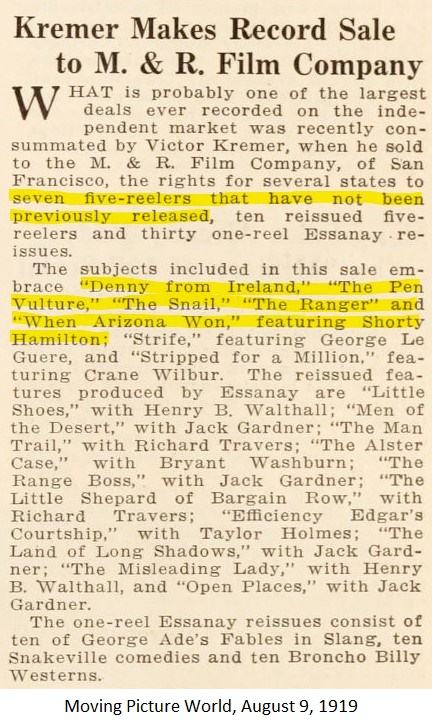
The thematic underpinnings of The Ranger are deeply rooted in the concept of national security and the preservation of internal order. It's a film that champions loyalty and condemns sedition, reflecting a societal anxiety about the cohesion of the nation state. In an era before widespread radio or television, cinema played a powerful role in shaping public opinion and reinforcing national identity. Films like The Ranger were more than mere entertainment; they were instruments of cultural messaging, designed to rally support for government policies and to foster a sense of collective vigilance. This can be seen in other contemporary works, such as the patriotic narratives of The Land of the Rising Sun, though that film focused on a different global power. The common thread was the use of cinema to explore and define national character and perceived threats.
While the film's portrayal of 'enemy aliens' might strike a modern viewer as overly simplistic or even xenophobic, it's crucial to contextualize it within its historical moment. The fear of espionage and sabotage was very real, and the concept of 'fifth columnists' was gaining traction. This doesn't excuse potential prejudices, but it helps us understand the psychological landscape that birthed such narratives. Films like The Ranger, in their earnest attempt to depict a clear threat, often simplified complex geopolitical realities into easily digestible good-versus-evil dichotomies. It’s a stark contrast to the more nuanced and often experimental approaches seen in European cinema of the same period, such as the introspective German film Engelein, which explored personal drama rather than overt political intrigue.
The pacing of The Ranger, like many silent films, would have been dictated by the rhythm of the intertitles and the dramatic beats of the action sequences. Early cinema often featured a rapid succession of scenes, interspersed with explanatory text, creating a dynamic, almost breathless flow that kept audiences engaged. The tension would build through visual cues – a suspicious figure lurking in the shadows, a frantic chase across the desert, a tense confrontation. While we might not have the elaborate special effects of a modern blockbuster, the raw energy and directness of these early thrillers can still be remarkably compelling. The stakes, though perhaps presented without the psychological depth we expect today, were always clear: the security of the nation and the triumph of justice.
Comparing The Ranger to other adventure or mystery films of its era provides further insight. While it shares a sense of urgency and danger with films like Paws of the Bear, which also delved into international intrigue, The Ranger is more overtly concerned with the domestic impact of foreign threats. It's less about a grand international conspiracy and more about the insidious erosion of national loyalty from within. Even lighthearted fare like Playing Dead, though comedic, often touched upon themes of mistaken identity and hidden motives, suggesting a pervasive cultural fascination with what lay beneath the surface. The public's appetite for stories of hidden enemies and heroic defenders was clearly immense.
The legacy of The Ranger, like many silent films, lies not just in its individual artistic merit but in its contribution to the evolving language of cinema. It demonstrates how early filmmakers grappled with complex political themes, translating them into accessible entertainment for a mass audience. It also reminds us of the power of archetypes – the stoic hero, the cunning villain, the threatened homeland – which continue to resonate in storytelling today. While it might not possess the timeless comedic brilliance of a Tillie's Punctured Romance or the grand epic scope of a later historical drama, its historical significance as a product of its time is undeniable. It's a testament to how cinema, even in its nascent stages, was already capable of reflecting and shaping public discourse.
Furthermore, the film's focus on the Texas Rangers highlights their iconic status in American folklore and law enforcement history. Their reputation for courage and unwavering justice made them ideal protagonists in narratives designed to inspire confidence and patriotism. Shorty, as a Ranger, isn't just a detective; he's a symbol of American resilience and the determination to protect its borders and its values. This symbolic weight adds another layer to the film's appeal, tapping into a deep-seated respect for law and order, particularly in a period of perceived national vulnerability. It's a narrative strategy that continues to be employed in various forms of media, from Westerns to modern action films, where the lone hero or dedicated unit stands against overwhelming odds.
In conclusion, The Ranger stands as a compelling, if unpolished, gem from the silent era. It's a film that speaks directly to the fears and aspirations of 1916 America, offering a thrilling narrative of espionage, patriotism, and the relentless pursuit of justice. It may not be as artistically revered as some of its contemporaries, nor as widely seen, but its value as a historical document and an example of early genre filmmaking is immense. It reminds us that even in the absence of spoken dialogue, the power of visual storytelling, compelling characters, and resonant themes can create a powerful and lasting impression. To watch The Ranger today is to embark on a journey not just into a forgotten film, but into a pivotal moment in American history, seen through the flickering, sepia-toned lens of early cinema. It's a rare glimpse into a world grappling with its place on the global stage, fighting shadows both real and imagined, with a dedicated Ranger leading the charge against the forces of disloyalty.
IMDb —
1915
Community
Log in to comment.