DbcultAccessing Vault...
4.5/10
Senior Film Conservator
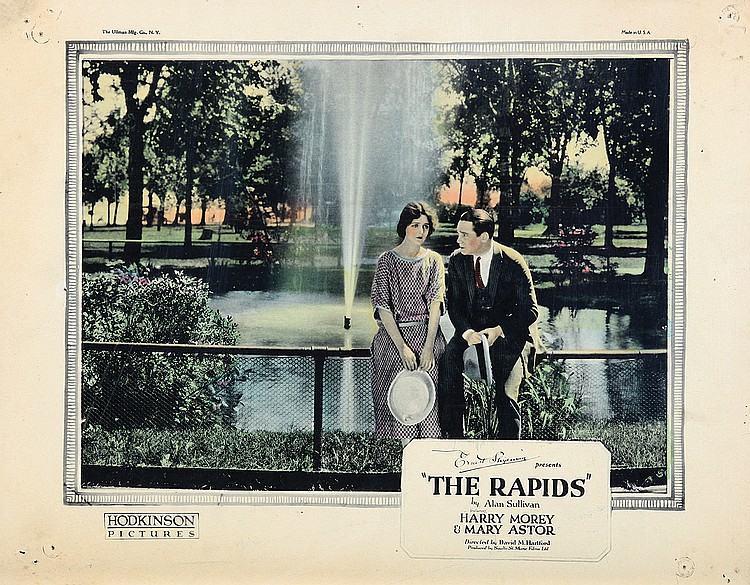
A definitive 4.5/10 rating for a film that redefined the boundaries of cult cinema. The Rapids remains a cornerstone of transgressive art.
From the very first frame, The Rapids plunges its audience into a narrative as formidable and untamed as the natural phenomenon from which it draws its title. This isn't merely a story; it's an epic poem rendered in celluloid, a grand exploration of human aspiration colliding with the unyielding forces of nature, finance, and the unpredictable currents of the heart. What unfolds is a saga that transcends its era, offering a timeless reflection on the cost of dreams, the fragility of trust, and the profound awakenings that define our existence. It's a cinematic experience that grips you with the tenacity of the rapids themselves, pulling you into its depths with an irresistible force.
At its core stands Robert Fisher Clarke, portrayed with compelling intensity by John Webb Dillion. Clarke is no ordinary man; he is an archetype of the visionary, an engineering genius whose mind teems with blueprints for a better world. His initial appearance, a figure of quiet determination stepping off a train at a desolate way station, immediately signals a deviation from the mundane. His destination is not the bustling metropolis of Chicago, but the thunderous Sault Ste. Marie rapids, a place many would view as a formidable obstacle, but which Clarke perceives as an untapped wellspring of power and potential. Dillion imbues Clarke with a captivating blend of idealism and steely resolve, making his character's almost spiritual connection to the rapids palpable. He doesn't just see water; he sees energy, industry, and the genesis of a model town, a testament to human ingenuity and harmonious living. This singular focus, this almost monomaniacal pursuit of an industrial idyll, sets the stage for a dramatic confrontation between man and the myriad forces that conspire against his grandest designs.
Clarke’s vision is not merely practical; it is poetic. He dreams of a symbiotic relationship between man and nature, where the immense, raw power of the rapids is harnessed not for exploitation, but for the betterment of a community. This aspiration is beautifully articulated through the narrative, giving the film a philosophical depth that elevates it beyond a mere industrial drama. The early scenes depicting his initial success in garnering financial support are imbued with a sense of hopeful momentum. Charles Wellesley and Frank Andrews, as the initial backers, convey the cautious optimism and eventual enthusiasm that Clarke's compelling blueprint inspires. It’s a powerful illustration of how a truly revolutionary idea can capture the imagination, even of hardened financiers. The film subtly suggests that Clarke’s charisma is not just in his engineering prowess, but in his ability to articulate a future so compelling that it momentarily eclipses the inherent risks.
However, the narrative soon shifts from the exhilaration of creation to the insidious machinations of betrayal. The conflict among certain financiers, subtly hinted at through the shifting allegiances and veiled conversations, becomes the true antagonist. This isn't a clear-cut villain, but a more insidious, amorphous force of corporate greed and personal ambition, mirroring the treacherous undercurrents of the rapids themselves. Harry T. Morey, potentially as one of the dissenting financiers, adds a layer of calculated menace, demonstrating how quickly collaborative ventures can devolve into internecine struggles. This aspect of the plot resonates with the timeless struggle against unseen forces, reminiscent of the societal pressures faced in films like Jóia Maldita, where the pursuit of a grand objective often clashes with the darker facets of human nature and the corrupting influence of power. The erosion of Clarke’s dream, therefore, feels less like a personal failure and more like an inevitable consequence of venturing into a world where altruism is often a vulnerability.
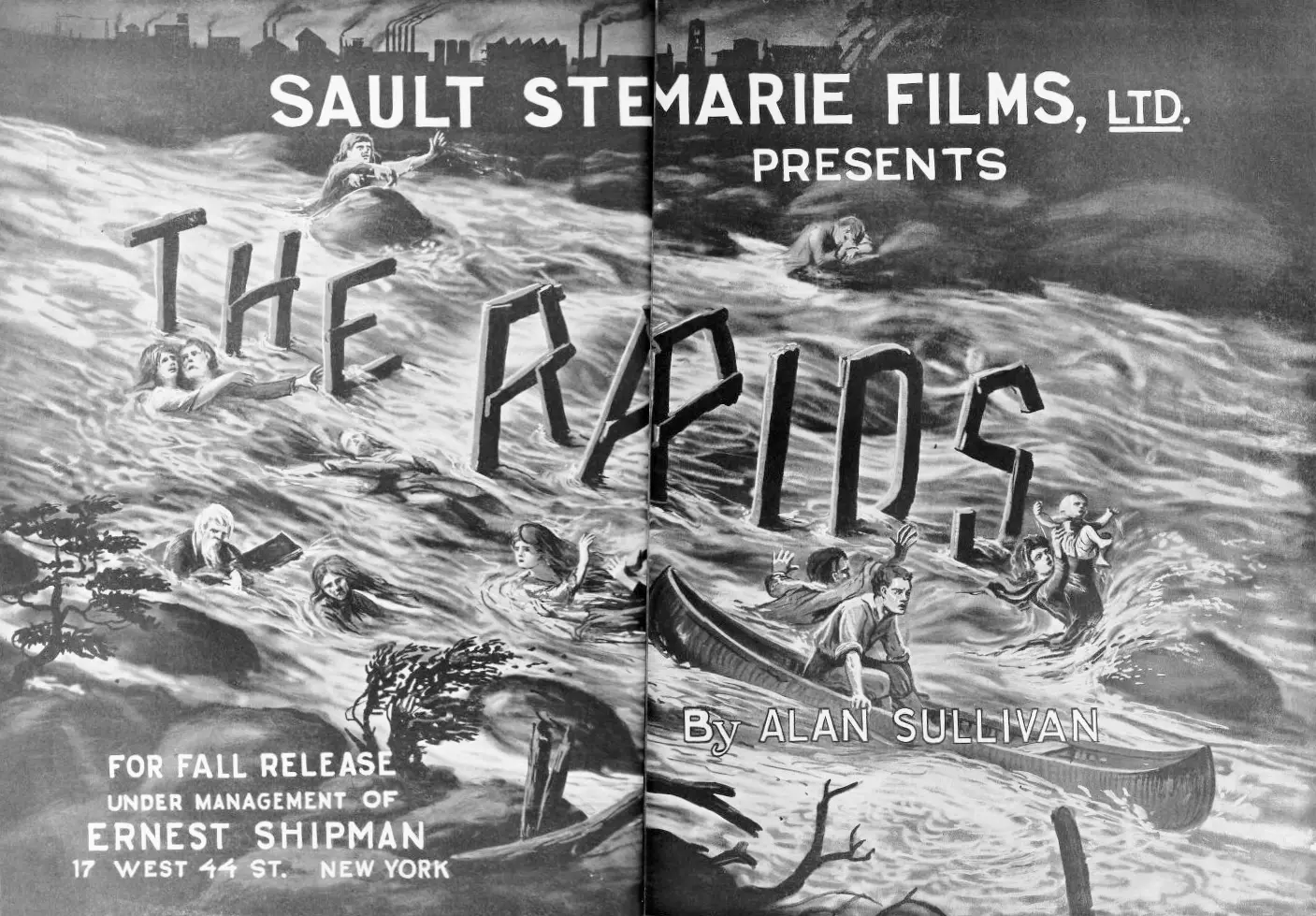
Amidst the industrial grandiosity and financial intrigue, The Rapids weaves a deeply human story of love, devotion, and the unexpected twists of the heart. Elsie Worden, portrayed with understated elegance by Nanci Price, initially seems destined to be Clarke’s partner in life, much as he is the architect of her community’s future. Their connection is one of mutual respect and shared ideals, with Clarke proposing marriage as his grand project begins to crumble around him. It is a gesture born of despair, perhaps, but also a testament to his desire for a stable, loving anchor in a chaotic world. Price’s performance captures Elsie’s initial admiration for Clarke's vision and intellect, making her subsequent emotional journey all the more compelling.
The introduction of Jim Belding, a young engineer in Clarke's employ, played by Walter Miller, subtly introduces a different kind of energy into Elsie’s world. Miller brings a youthful earnestness and quiet strength to Belding, creating a stark contrast to Clarke's more intense, visionary persona. The love triangle here is not one of overt conflict or melodrama, but rather a gradual, almost subconscious unfolding of true affection. The catalyst for Elsie’s profound realization is harrowing: Jim Belding’s accident in the treacherous rapids. This moment, fraught with peril and raw emotion, strips away the veneer of societal expectations and intellectual admiration, revealing the visceral truth of her feelings. It's a powerful narrative device, forcing Elsie to confront the true object of her love in a crucible of fear and desperation. This emotional awakening is handled with remarkable sensitivity, allowing the audience to witness Elsie’s internal struggle and ultimate clarity.
Clarke’s reaction to this revelation is perhaps one of the film’s most poignant moments. Rather than succumbing to bitterness or anger, he accepts his fate with a dignity that speaks volumes about his character. His dreams shattered, his heart broken, he chooses grace. This noble resignation elevates Clarke from a mere tragic figure to one of profound philosophical depth. It is a testament to the film's nuanced writing, credited to Kenneth O'Hara, Faith Green, and Alan Sullivan, that such a complex emotional landscape is navigated with such authenticity. The writers eschew simplistic resolutions, opting instead for a bittersweet ending that resonates with the complexities of real life. This graceful acceptance of a love lost, while his industrial dream also crumbles, positions Clarke as a figure of immense moral fortitude, a man who, despite his colossal failures, retains his essential humanity.
The film culminates in Clarke’s departure from the rapids, a scene imbued with a melancholic beauty. He leaves behind the grand industrial project, the love he thought was his, and the community he had envisioned. His only companion on this solitary journey is little Sue, a child he had rescued from the very rapids that had been the crucible of his dreams and his heartbreak. Mary Astor, even in a child role, brings a quiet presence to Sue, symbolizing perhaps the innocence and hope that Clarke clings to amidst his profound losses. This final image of Clarke, walking away with Sue, is not one of utter defeat, but of resilient endurance. It suggests that even when grand ambitions are thwarted and personal happiness eludes us, there remains a capacity for compassion and a quiet continuation of life. It’s an ending that doesn’t offer easy answers but rather a profound meditation on the cycles of life, loss, and the enduring human spirit.
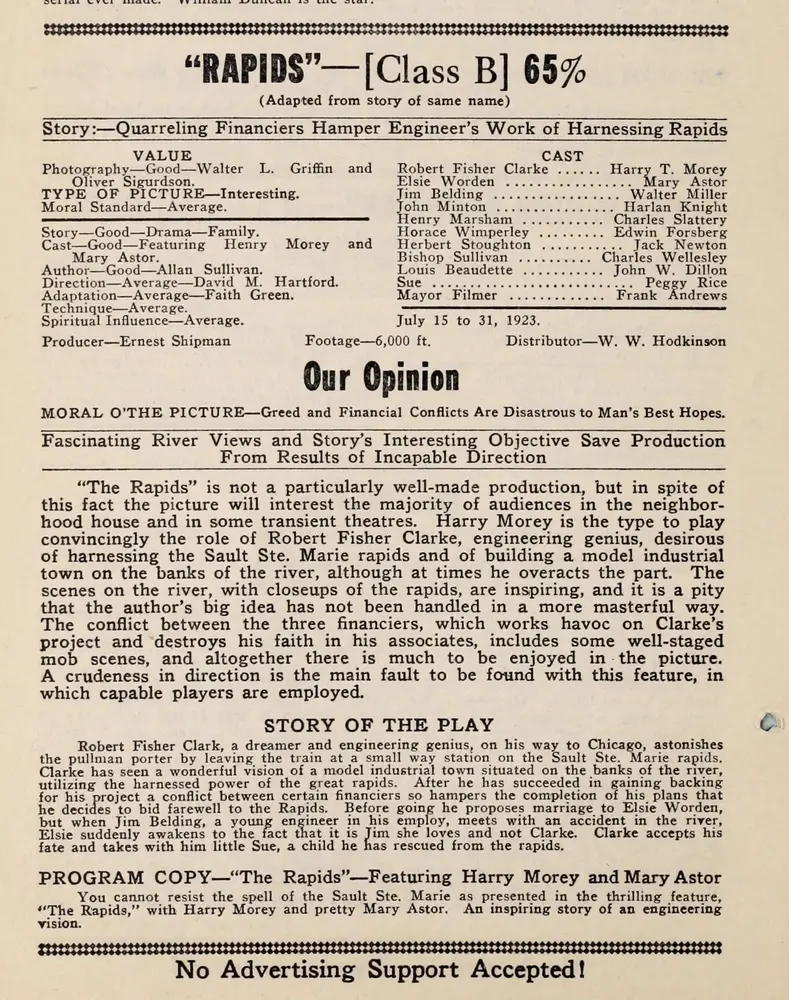
The performances across the board are commendable, each actor contributing to the rich tapestry of the narrative. Edwin Forsberg and Charles Slattery lend solid support, grounding the more dramatic elements with believable portrayals of townsfolk or minor characters involved in the project. Harlan Knight adds a touch of gravitas, while Jack Newton’s presence, however brief, feels significant. The ensemble works seamlessly to create a believable world, a testament to the directorial vision that allows each character, no matter how small, to leave an impression. The film's strength lies not just in its central figures but in the collective humanity it portrays, making the grand story feel deeply personal and relatable.
In an era when many films focused on simpler narratives, The Rapids dares to tackle complex themes: the relentless march of industrial progress, the inherent risks of financial ventures, and the intricate, often painful, dance of human relationships. It’s a film that asks profound questions about what constitutes success and failure, and whether the pursuit of a grand vision is worth the personal cost. The Sault Ste. Marie rapids themselves serve as a potent metaphor throughout the film – beautiful yet dangerous, a source of immense power but also a force that can sweep away dreams and lives. This duality is masterfully woven into the narrative, making the setting an active participant in the story rather than a mere backdrop.
The narrative pacing, meticulously crafted by O'Hara, Green, and Sullivan, allows for a gradual build-up of tension, both in the industrial plotline and the romantic subplot. There’s a deliberate rhythm to the storytelling, much like the ebb and flow of a river, which draws the viewer deeper into the emotional heart of the film. It avoids the episodic feel that some contemporary works, such as A Temporary Vagabond or even the more comedic Gertie on Tour, might possess, opting instead for a cohesive, unfolding drama. This steady progression ensures that each emotional beat, each plot twist, lands with maximum impact, contributing to a sense of inevitability that is both tragic and deeply moving.
Comparing it to other films of its time, The Rapids stands out for its ambitious scope and its refusal to shy away from a bittersweet conclusion. Unlike the more conventional romantic resolutions often found in films like Marry Me, or the clear-cut heroics of adventure tales such as The Lion Man, this film offers a more nuanced portrayal of life's complexities. Clarke’s journey is not one of triumphant conquest but of profound self-discovery through loss. The film's willingness to embrace this ambiguity, to present a protagonist who, despite his genius and good intentions, cannot control the forces around him, makes it remarkably sophisticated for its period.
Ultimately, The Rapids is a powerful testament to the human spirit's capacity for both grand ambition and quiet resilience. It’s a film that lingers in the mind long after the credits roll, prompting reflection on our own dreams, the obstacles we face, and the unexpected turns our hearts can take. It’s a cinematic masterpiece that deserves to be rediscovered, a poignant reminder that even in the face of colossal failure, there can be profound dignity and an enduring, albeit altered, path forward. The film doesn't just tell a story; it evokes a feeling, a sense of the vast, untamable forces at play in the world, both natural and human. It’s a compelling piece of storytelling that cements its place as a significant work, offering both a historical glimpse into industrial ambition and a timeless exploration of the human condition. Its currents of drama, romance, and philosophical inquiry converge to create a truly unforgettable experience, proving that some stories, like the rapids themselves, possess an eternal, captivating flow.

IMDb 6.4
1932
Community
Log in to comment.