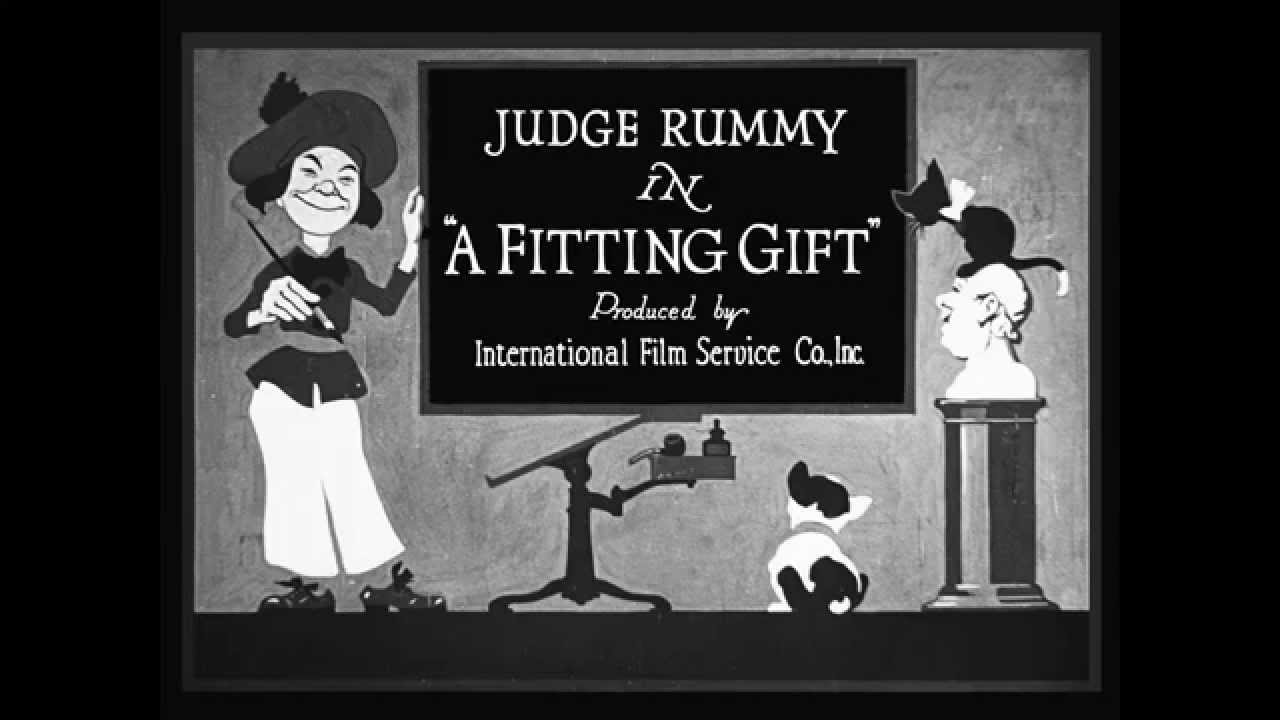
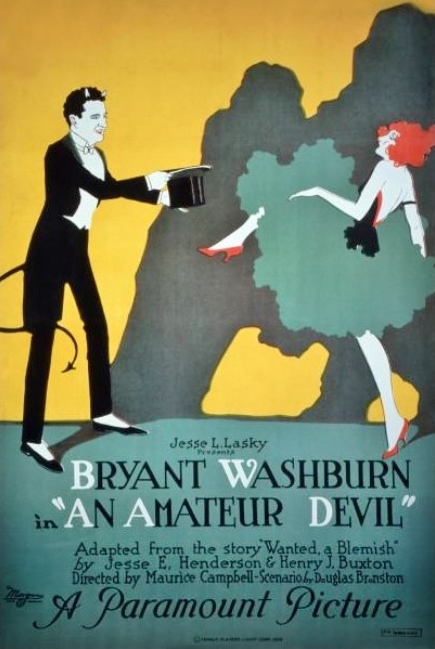
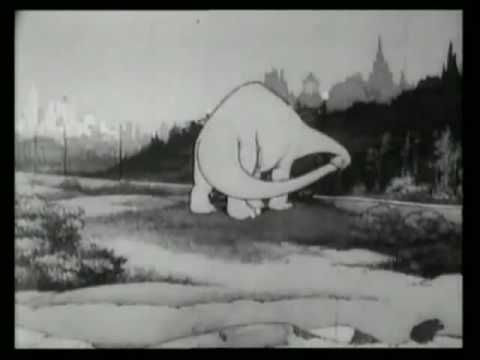
Fragment from an unreleased film that was presumably produced between 1918 and 1921. In it, Gertie the dinosaur encounters the modern era.

United States
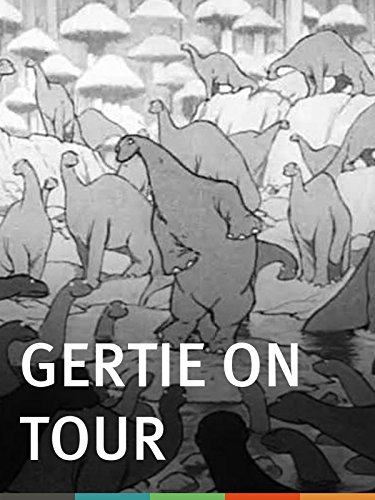
::selection{background:#EAB308;color:#000}h2{color:#C2410C;border-bottom:2px solid #0E7490;padding-bottom:.3em;margin-top:1.4em}h3{color:#EAB308}a{color:#0E7490;text-decoration:underline} Fragments from the Fault-Line of Time There is a moment—six or seven gelatinous seconds—where the emulsion buckles and Gertie’s si...
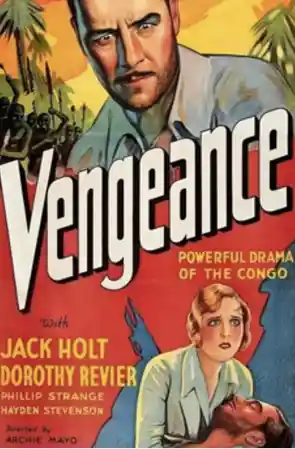
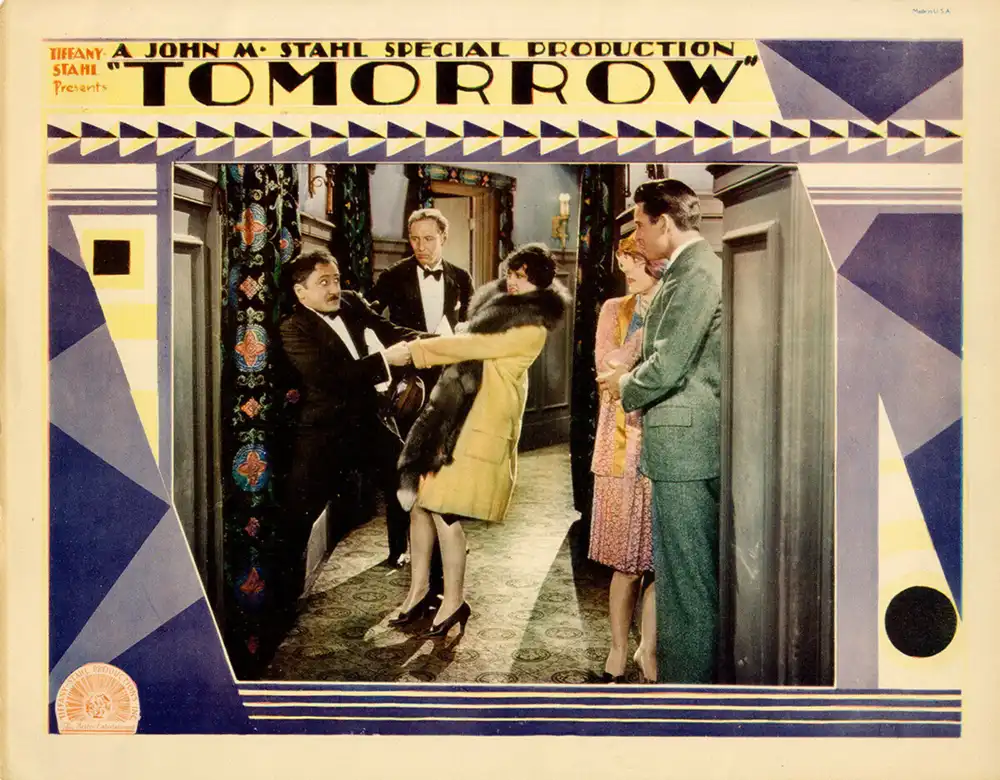
Comparing the cinematic DNA and archive impact of two defining moments in cult history.
Winsor McCay
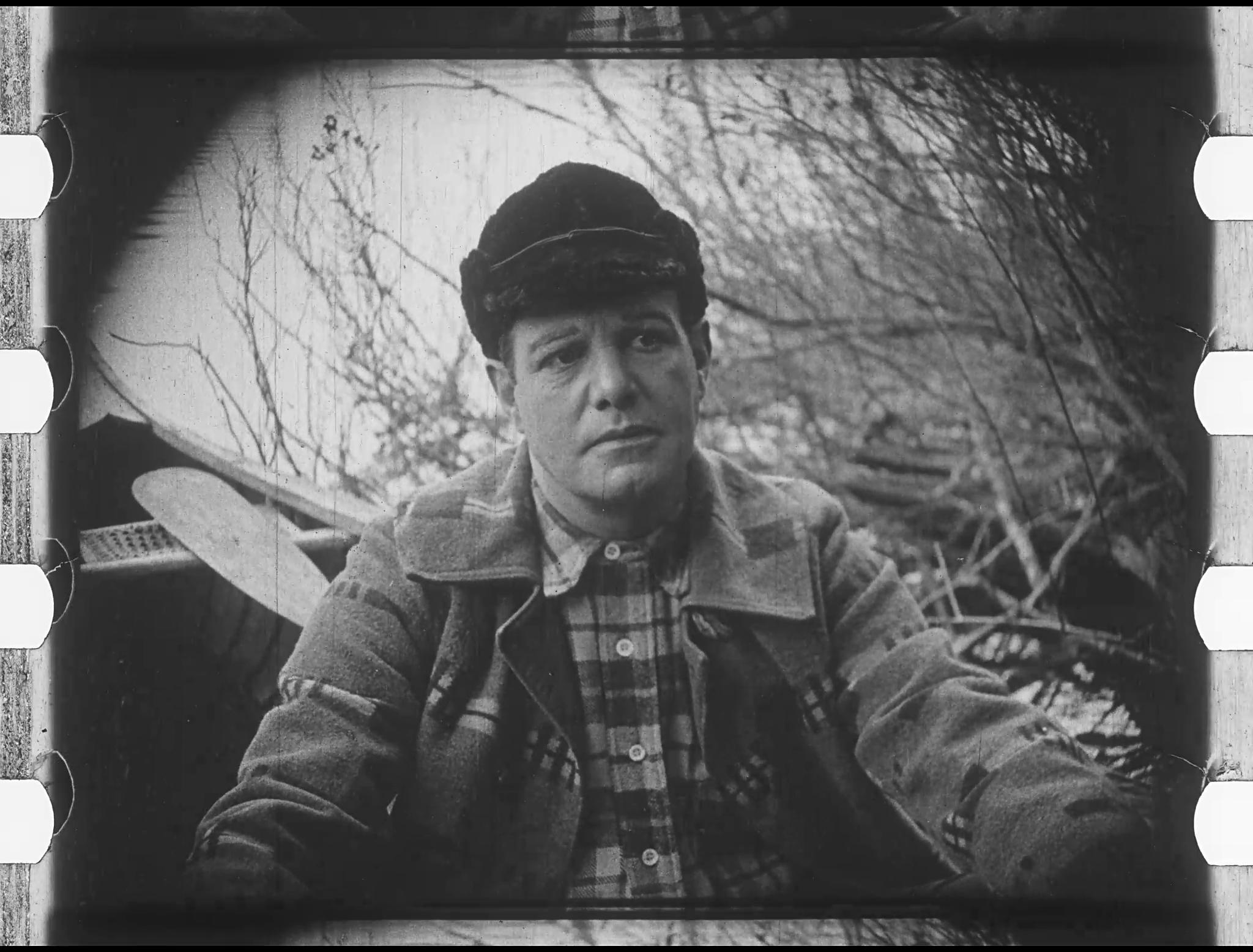
Edgar Jones
Community
Log in to comment.
" ::selection{background:#EAB308;color:#000}h2{color:#C2410C;border-bottom:2px solid #0E7490;padding-bottom:.3em;margin-top:1.4em}h3{color:#EAB308}a{color:#0E7490;text-decoration:underline} Fragments from the Fault-Line of Time There is a moment—six or seven gelatinous seconds—where the emulsion buckles and Gertie’s silhouette bleeds into the asphalt like spilled ink. Most viewers assume the damage is incidental; I argue it is McCay’s signature, a deliberate laceration that lets the nineteenth c..."
Family, Short, Comedy
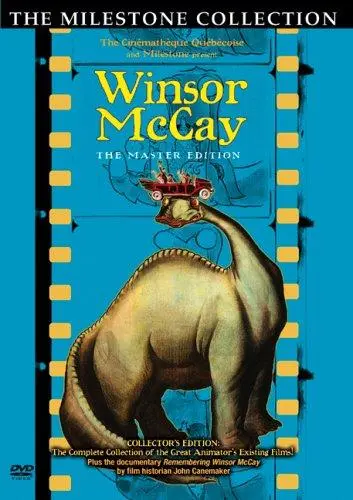
product
Deep dive into the cult classic
Discover similar cinematic experiences
A Directorial Spotlight on Winsor McCay