DbcultAccessing Vault...
4.8/10
Senior Film Conservator
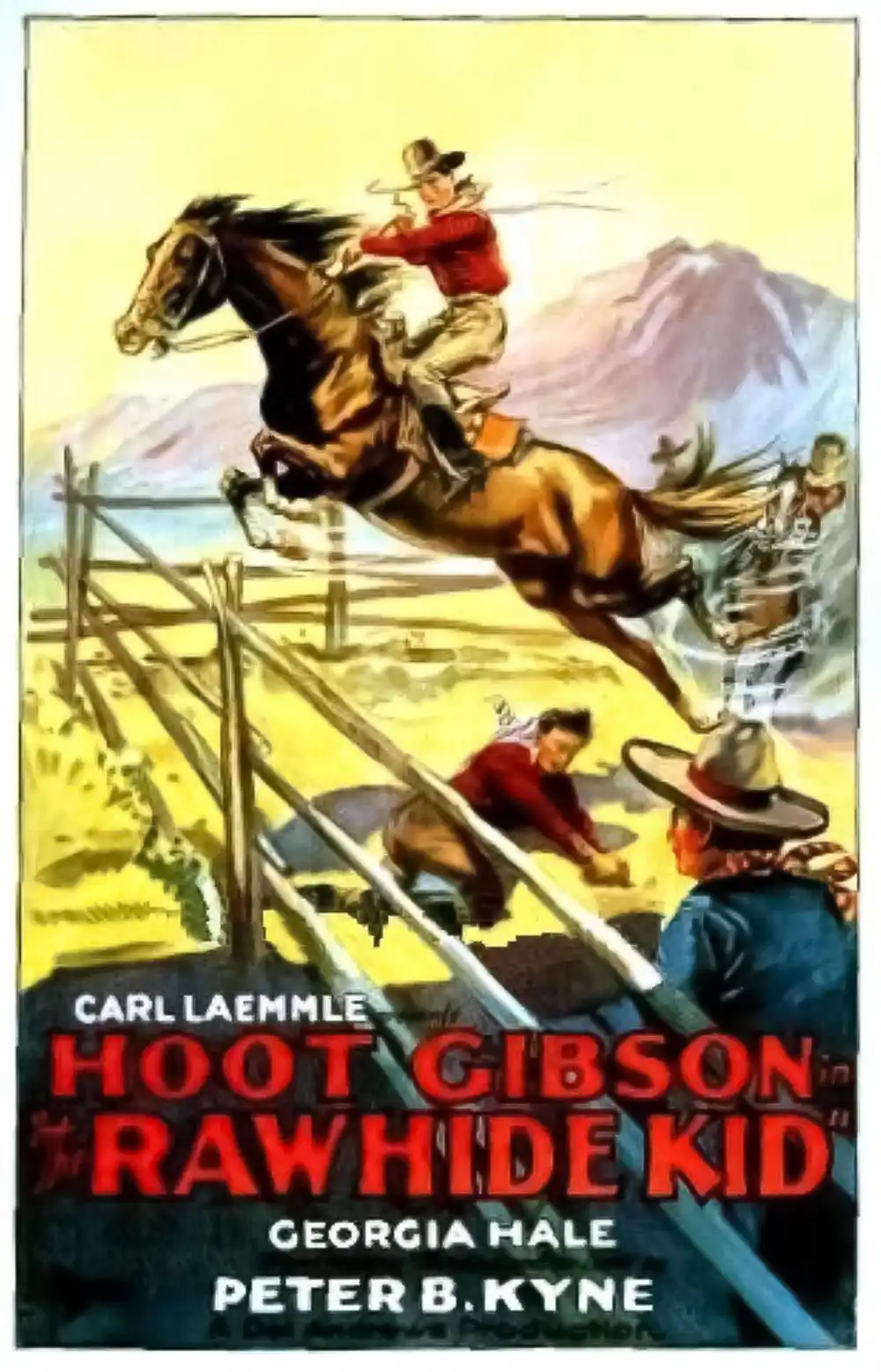
A definitive 4.8/10 rating for a film that redefined the boundaries of cult cinema. The Rawhide Kid remains a cornerstone of transgressive art.
Look, if you're not already into silent Westerns, The Rawhide Kid isn't going to convert you. This 1928 Hoot Gibson vehicle is firmly for those of us who find ourselves drawn to the strange, earnest heart of these old films, especially ones with a bit of a social conscience peeking through. If you need rapid-fire edits and complex plots, you'll be bored stiff. But if you appreciate a historical curiosity that tries to say something beyond just cowboys and bad guys, and you don't mind a few clunky moments, then yeah, it's worth a watch.
Hoot Gibson as Dennis O'Hara has this easy charm, a kind of unassuming presence that really grounds the film even when things get a bit melodramatic. He's not the most expressive silent actor, but he makes up for it with a sort of quiet decency. His big 'hero' moments aren't always about bravado; sometimes it's just a quick, determined look.
The core of the story revolves around the Silverberg family – a Jewish peddler, Simon, and his daughter, Jessica. They're trying to make a living, and of course, they run afoul of the local villain, J. Francis Jackson, who wants their land. This setup immediately makes the film a little more interesting than your average Western of the period. It’s not just about cattle rustling or a stolen gold shipment; it’s about bigotry and exploitation.
Georgia Hale, who many will remember from other notable silent films, plays Jessica. She brings a real earnestness to the role. There's a moment when she's trying to explain her family's plight to Dennis, and her expressions just carry so much of the weight of their struggle. You really feel for her, even through the sometimes exaggerated silent film gestures.
The portrayal of the Silverberg family itself, well, it skirts the edge of stereotype in a way that feels very much of its time. But the film, to its credit, doesn't quite lean into outright caricature. William H. Strauss as Simon, the peddler, has this weary dignity that really sells his predicament. He's not a punchline; he's a man trying to protect his family.
Pacing is definitely a thing here. There are stretches where the intertitles feel like they're just catching us up on a conversation we missed, rather than enhancing the on-screen action. And one scene of Hoot just riding across the plains goes on for a beat too long, almost like they needed to fill time before the next plot point kicked in.
Frank Hagney as J. Francis Jackson is your standard sneering bad guy, all bluster and handlebar mustache twirling. He's effective enough at being despicable, but you never really believe he's *that* much of a threat beyond being a general nuisance. His henchmen are pretty interchangeable, too, mostly just there to get punched.
The big fistfight near the end... it's exactly what you'd expect from a silent Western brawl – lots of swinging, not always connecting, but it's got a certain energy. You can almost feel the stunt coordinator saying, 'Alright, more flailing!' It's charming in its clumsiness.
One small detail I kept noticing: Hoot's cowboy hat seems to have a life of its own in some shots, always perfectly angled, never quite falling off even in a dust-up. It's the kind of consistency you sometimes get in these older films, where a prop becomes almost a character.
Some of the outdoor photography is genuinely lovely, capturing the dusty expanse of the Western landscape. Then there are other moments, particularly in interior sets, where the artificiality really stands out. The transition can be a little jarring. Like you're watching a grand epic one minute, then a stage play the next.
There's a scene of lighthearted banter between Dennis and Jessica that feels a little forced right after a genuinely tense moment involving her father. The tonal shift is abrupt; the film hasn't quite earned the comedic relief yet, and it makes you almost question the seriousness of the previous threat.
What I think sticks with you from The Rawhide Kid isn't its cinematic brilliance, but its quiet attempt at something more. It’s a simple story, told simply, but it carries a little extra weight because of who its heroes are. It's a reminder that even in the seemingly straightforward world of silent Westerns, filmmakers were sometimes trying to tackle bigger ideas, even if the execution was a bit rough around the edges.
It’s not a film you’ll talk about for weeks, but it leaves a pleasant, slightly nostalgic impression. A good choice for a quiet afternoon if you’ve exhausted the usual suspects and want to see Hoot Gibson being a decent, unassuming hero.
IMDb 6.1
1927
Community
Log in to comment.