DbcultAccessing Vault...
Cult Review
Senior Film Conservator
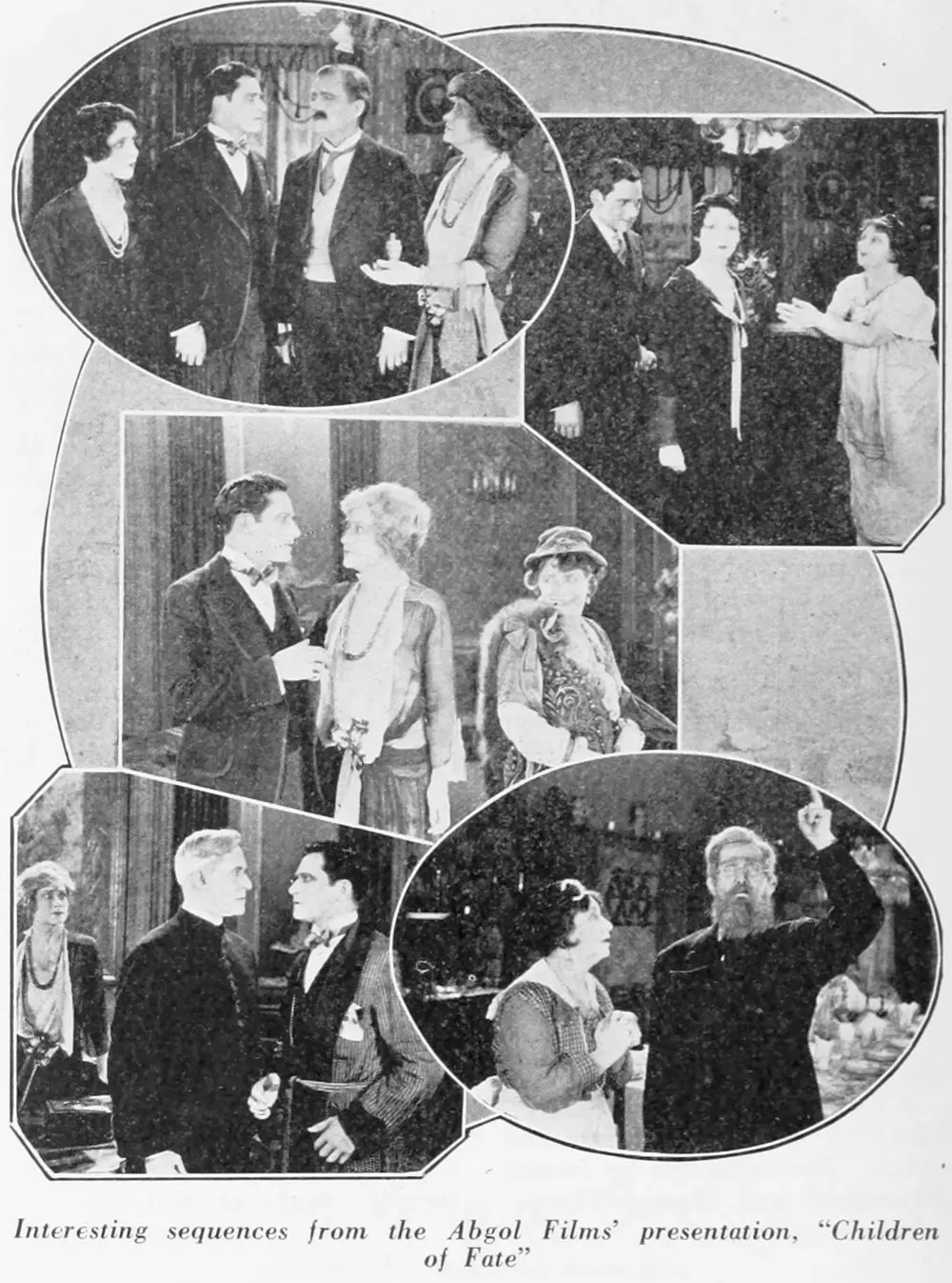
Is Children of Fate a must-watch for the modern cinephile? Short answer: No, unless you are a dedicated scholar of early ethnic representation or a silent film completist. While it offers a fascinating window into 1917 cultural anxieties, its narrative reliance on convenient coincidences makes it a tough sit for those accustomed to modern storytelling.
This film is for historians of Jewish cinema and fans of early 20th-century melodrama. It is definitely not for anyone looking for nuanced character development or a challenge to the status quo of its era.
1) This film works because it captures the genuine, palpable tension of immigrant communities struggling to balance ancient traditions with the shifting social landscape of early America.
2) This film fails because it utilizes a 'deus ex machina' adoption twist that completely undermines the very conflict it spent an hour building.
3) You should watch it if you want to see how early cinema used 'bloodline' as a shortcut for moral and social acceptance.
Ivan Abramson was not a subtle filmmaker. Known for his moralistic and often sensationalist dramas, his work in Children of Fate is a prime example of the 'Yiddish theater' influence on mainstream silent cinema. The film operates on high-octane emotion. Every gesture is grand, every rejection is a tragedy of Shakespearean proportions, and every reconciliation is bathed in a forced, almost saccharine light.
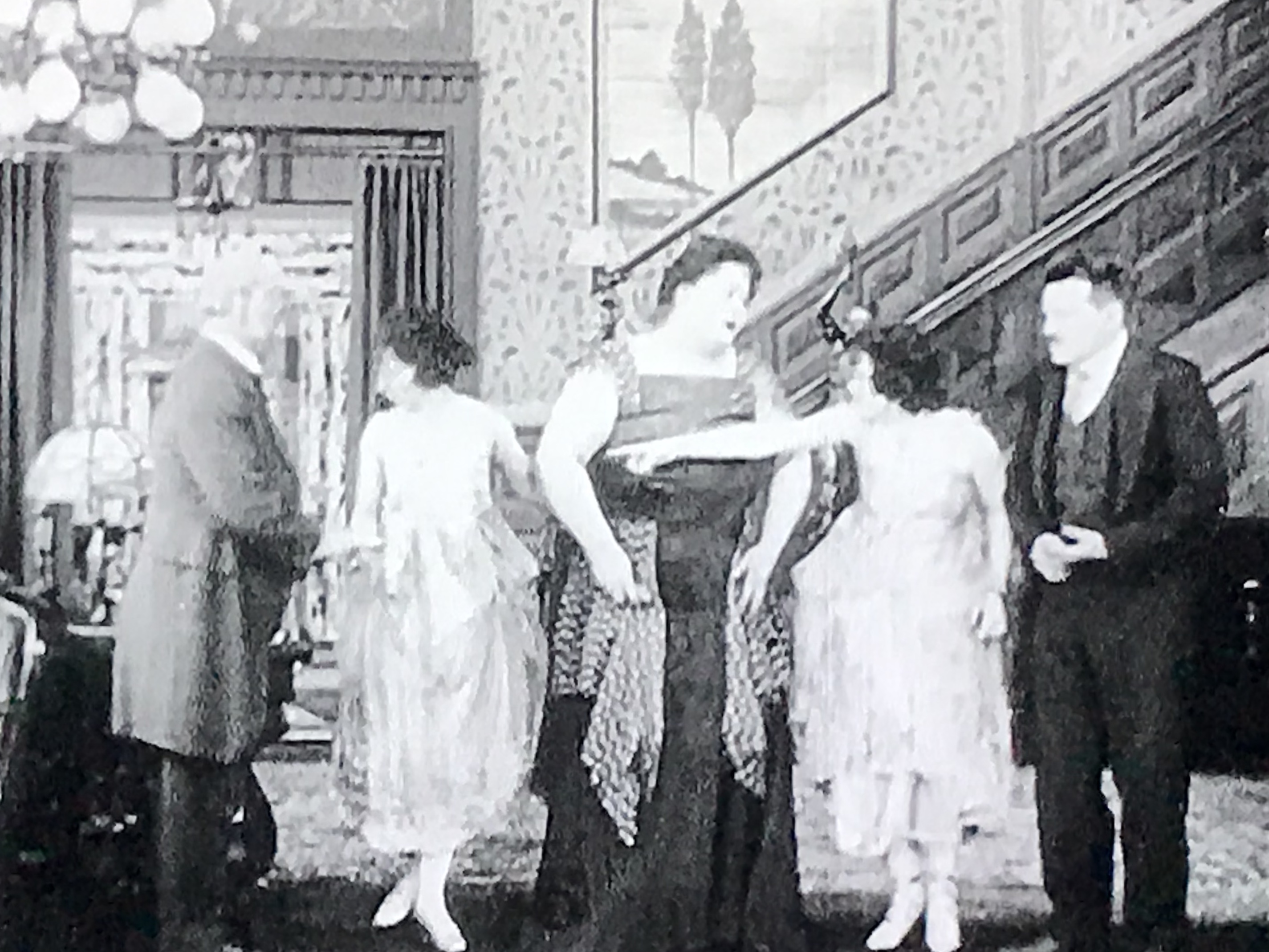
Comparing this to other films of the same year, such as Blue Jeans, one can see a clear divide in technical ambition. While Blue Jeans experimented with more dynamic action sequences, Children of Fate remains largely static, favoring theatrical blocking that keeps the actors on a single plane of action. This isn't necessarily a flaw, but it does highlight the film's roots in stage tradition. The rabbi’s house feels less like a home and more like a set designed for a sermon.
The acting, particularly by Joseph Schoengold, is a relic of its time. Schoengold plays the rabbi with a rigid, uncompromising intensity that borders on villainy. When he orders his daughter from the house, the scene is played with a brutality that feels earned, yet the film's eventual pivot back to a happy ending feels like it betrays the weight of that earlier cruelty. It’s a soap opera in a synagogue.
The most debatable aspect of Children of Fate is its resolution. The conflict is built on the rabbi's refusal to accept a son-in-law of a different creed. This is a real, poignant conflict that many families faced (and still face). However, instead of the characters learning to bridge the gap of faith or the father learning the value of his daughter’s happiness over dogma, the film simply 'reveals' that the violinist was Jewish all along. He was adopted.
This is, frankly, a coward’s way out. It suggests that the only way for peace to exist is if the 'Other' is actually 'One of Us.' It reinforces tribalism rather than challenging it. In modern cinema, this would be laughed out of the writers' room, but in 1917, it was a standard trope. We see similar narrative shortcuts in films like The Song of the Soul, where biological destiny often trumps environmental circumstances.
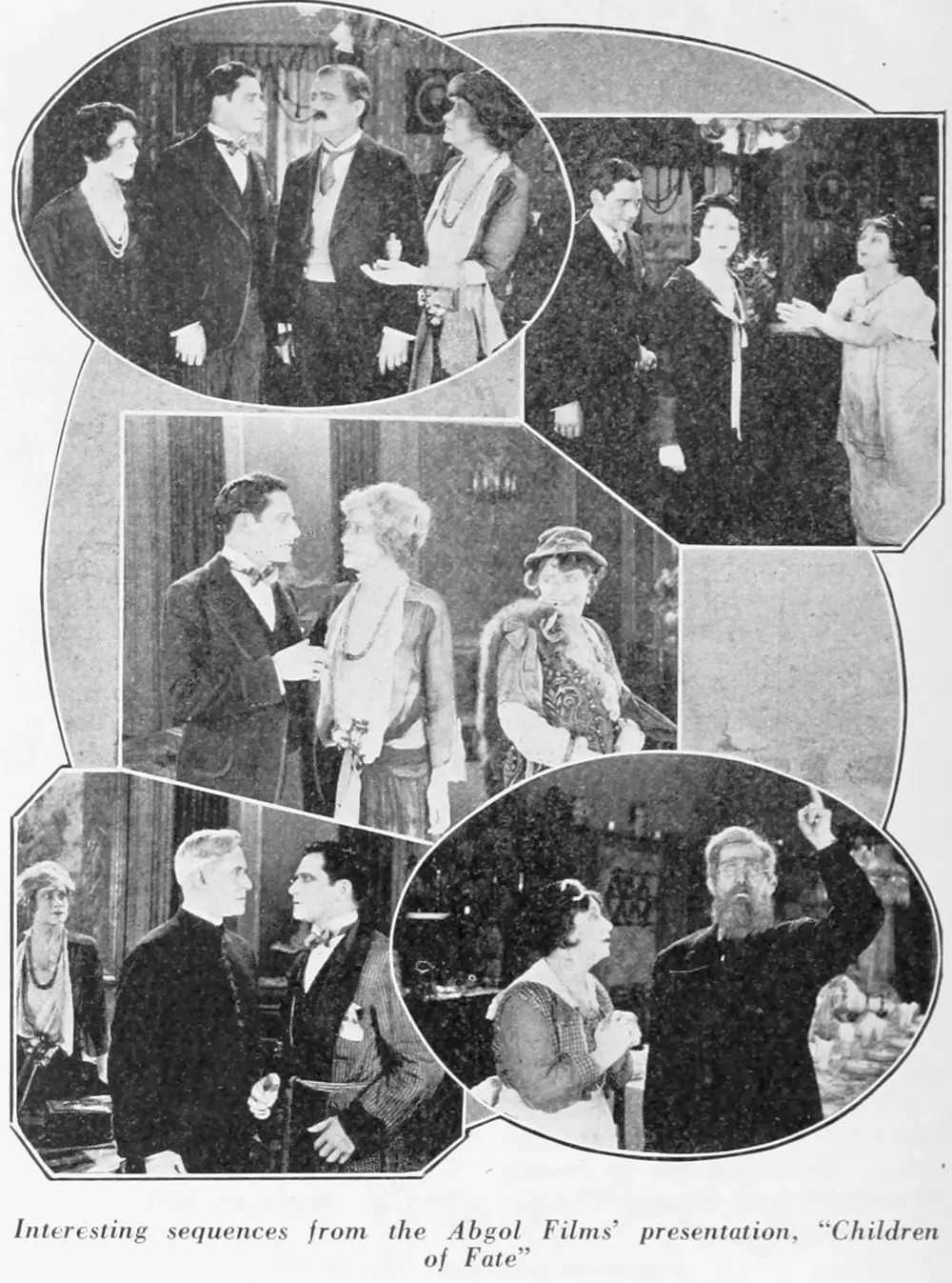
One surprising observation is how the film treats the 'wealthy suitor.' In many melodramas of this era, the wealthy rival is a mustache-twirling villain. Here, he is more of a plot device—a symbol of the rabbi's misplaced priorities. The real antagonist is the rabbi’s own pride, a theme that resonates more strongly than the romantic subplot itself.
From a technical standpoint, the cinematography is functional but uninspired. There are few close-ups to convey interiority, leaving the audience to interpret the characters' feelings through broad body language. This lack of visual intimacy makes it difficult to connect with the daughter’s plight on a personal level. We see her suffering, but we don't feel it.
The pacing is surprisingly brisk, a hallmark of Abramson’s style. He doesn't linger on the scenery or the atmosphere; he moves from one emotional beat to the next with the efficiency of a clockmaker. However, this efficiency comes at the cost of nuance. The transition from the rabbi’s total rejection of his daughter to the final 'all is forgiven' scene happens so quickly it induces whiplash. It makes the rabbi’s earlier conviction look like a temporary tantrum rather than a deeply held religious belief.
When compared to more stylistically adventurous films like Fiskebyn or even the later The Third Degree, Children of Fate feels dated. It lacks the atmospheric depth that European directors were beginning to experiment with during the late 1910s. It is a film that is purely functional, designed to deliver a moral lesson and a happy ending to a specific demographic.
If you are looking for a casual weekend movie, the answer is no. Children of Fate is a difficult find and even more difficult to enjoy without the context of its time. However, if you are a student of film history, it is a fascinating case study in early American 'creed' dramas. It illustrates the transition from theater to film and the way early immigrant filmmakers navigated the complex waters of identity and assimilation.
Pros:
- Strong central performance by Joseph Schoengold.
- Provides a rare look at religious tension in 1917 cinema.
- Efficient storytelling that doesn't overstay its welcome.
Cons:
- The plot relies on an absurdly convenient twist.
- Visually uninspired compared to its contemporaries like The Kentuckians.
- The moral resolution is intellectually dishonest.
Children of Fate is a fascinating failure. It attempts to tackle the weighty themes of faith, family, and social standing but retreats into the safety of melodrama the moment things get too complicated. It’s a film that is afraid of its own questions. While it lacks the artistic merit of Mad Love or the social bite of Slaves of Pride, it remains a valuable artifact for those willing to dig through the dust of cinema history. It works as a lesson. But it’s flawed as a story.
IMDb 5.8
1920
Community
Log in to comment.