DbcultAccessing Vault...
Cult Review
Senior Film Conservator
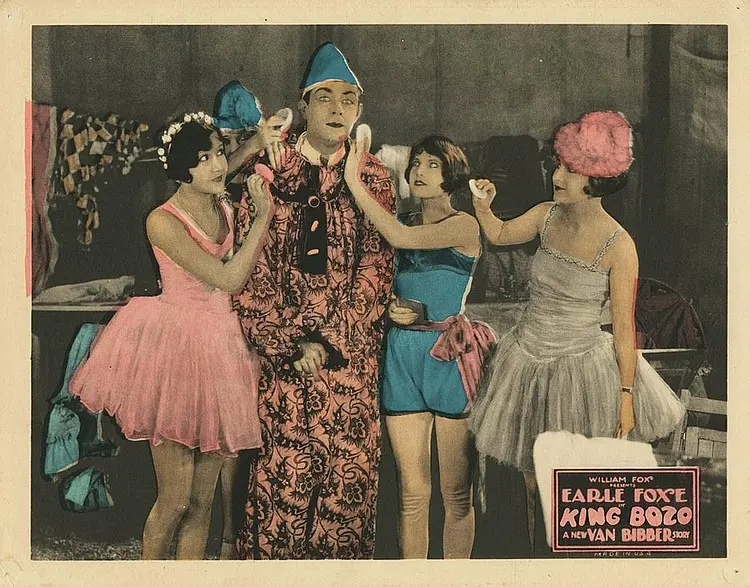
Is King Bozo a forgotten masterpiece of the silent era or a frantic relic of a bygone comedy style? Short answer: It is a fascinating, high-energy artifact that rewards fans of physical comedy but may exhaust those seeking a tight narrative.
This film is for enthusiasts of 1920s slapstick and those who appreciate the sheer athletic prowess of early cinema performers. It is NOT for viewers who demand character development or a plot that moves beyond a series of escalating stunts.
1) This film works because the sheer kinetic energy of the acrobatic troupe provides a visual spectacle that remains impressive even by modern standards of stunt work.
2) This film fails because the central character of Van Bibber, played by Earle Foxe, often feels like a spectator in his own movie, overshadowed by the chaotic 'cyclone' of the children.
3) You should watch it if you want to see how early 20th-century cinema utilized child performers as professional athletes rather than just sentimental props.
The character of Van Bibber, created by Richard Harding Davis, was originally a symbol of New York’s gilded age sophistication. In King Bozo, however, the writers Sidney Lanfield and J. Walter Ruben strip away the character's comfort. By placing him in Europe as a reluctant guardian, the film creates a classic fish-out-of-water scenario. But instead of cultural clashes, we get physical ones.
The 'young army of acrobats' is the true star here. Unlike the more grounded dramas of the era, such as The Forbidden City, King Bozo leans entirely into the absurd. There is a specific scene in a Parisian hotel where the boys decide to use the chandeliers as trapezes. It is a moment of pure, unadulterated circus energy that defies the logic of the setting. It works. But it’s flawed.
The direction is frantic. Sidney Lanfield, who would later go on to direct more polished comedies, seems obsessed with keeping the frame in constant motion. This creates a pacing that feels modern in its restlessness but can occasionally lead to visual fatigue. Compared to the more deliberate pacing of The Life of Moses, King Bozo feels like a sugar rush.
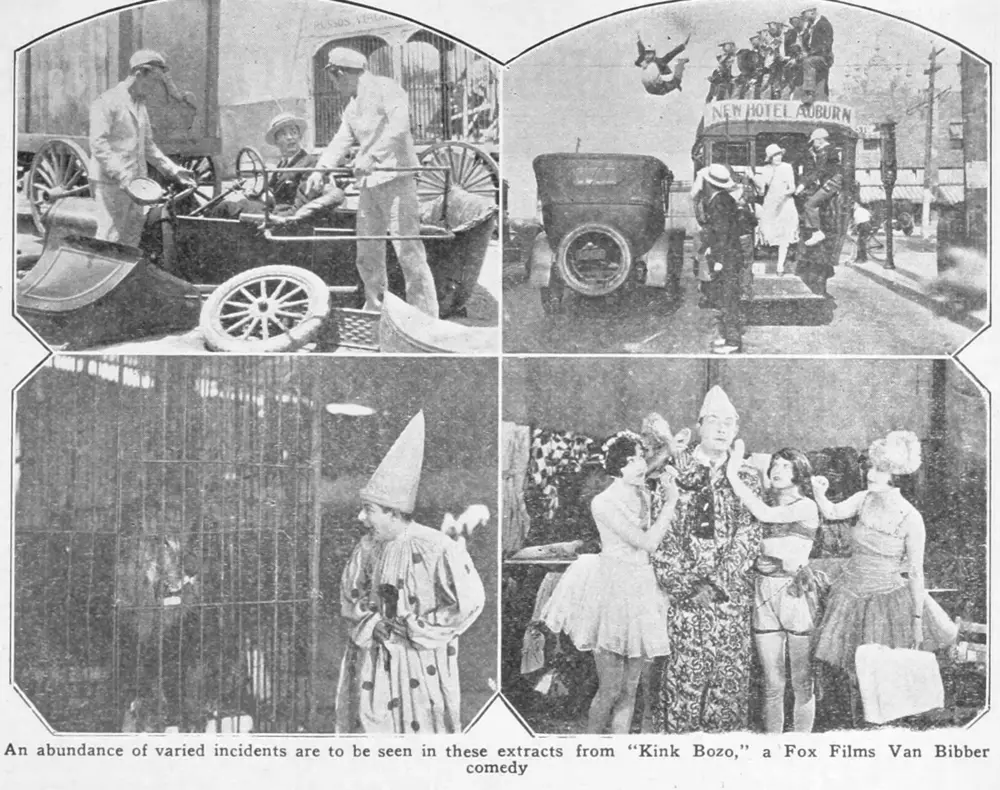
One cannot discuss this film without mentioning Joe Bonomo. Bonomo was the quintessential strongman of the silent era, and his presence adds a layer of genuine physical threat and capability to the proceedings. While Earle Foxe handles the 'gentlemanly' frustration, Bonomo provides the muscular anchor the film needs. His interactions with the acrobatic boys provide a contrast in scale that is visually arresting.
In one sequence, Bonomo has to physically restrain three of the boys at once while they are in mid-tumble. The technical execution of this stunt, shot without modern safety wires or digital trickery, is a testament to the era's dedication to practical effects. It’s far more visceral than the staged boxing in The Knockout, offering a raw look at human strength.
If you are looking for a historical curiosity that showcases the 'cyclone' style of comedy, yes. King Bozo is a prime example of how 1920s cinema could turn a simple travelogue into a high-stakes stunt show. It lacks the emotional depth of something like The Rise of Susan, but it makes up for it with sheer audacity.
The film’s portrayal of Europe is also worth noting. It isn't the romanticized version seen in His Temporary Wife. Instead, it is a series of obstacle courses. Every landmark is just another thing for the boys to climb. This irreverence toward 'high culture' is a classic American trope of the time, and King Bozo leans into it with a smirk.
The cinematography by the uncredited cameramen (typical for the era's shorter features) is surprisingly stable given the chaos on screen. They manage to capture the multi-layered action of the acrobats without losing the central focus on Van Bibber’s exasperation. The lighting is flat, standard for mid-20s comedy, but it serves the purpose of ensuring every somersault is visible.
The tone, however, is where the film might polarize modern audiences. It is relentlessly loud in its visual language. There are no quiet moments of reflection. If you compare it to the western sensibilities of Born to the West, which allows for landscape and silence, King Bozo feels like a claustrophobic riot. It is an exhausting watch, but intentionally so.
Pros:
- Exceptional physical choreography that predates modern action cinema.
- Joe Bonomo’s charismatic and powerful screen presence.
- A unique, albeit chaotic, take on the European travel narrative.
Cons:
- Earle Foxe is somewhat underutilized as the lead.
- The repetitive nature of the gags can become tiresome by the third act.
- Minimal character arc for the supporting cast.
King Bozo is a fascinating example of the 'Van Bibber' series taking a sharp turn into pure physical spectacle. While it lacks the narrative cohesion of more famous silent comedies, its value lies in its documentation of high-level acrobatic performance integrated into a fictional narrative. It is a loud, messy, and impressive piece of 1924 cinema. It doesn't just invite you to watch; it demands you keep up. If you can handle the 'cyclone,' it's a trip worth taking.
IMDb 7.2
1929
Community
Log in to comment.