DbcultAccessing Vault...
Cult Review
Senior Film Conservator
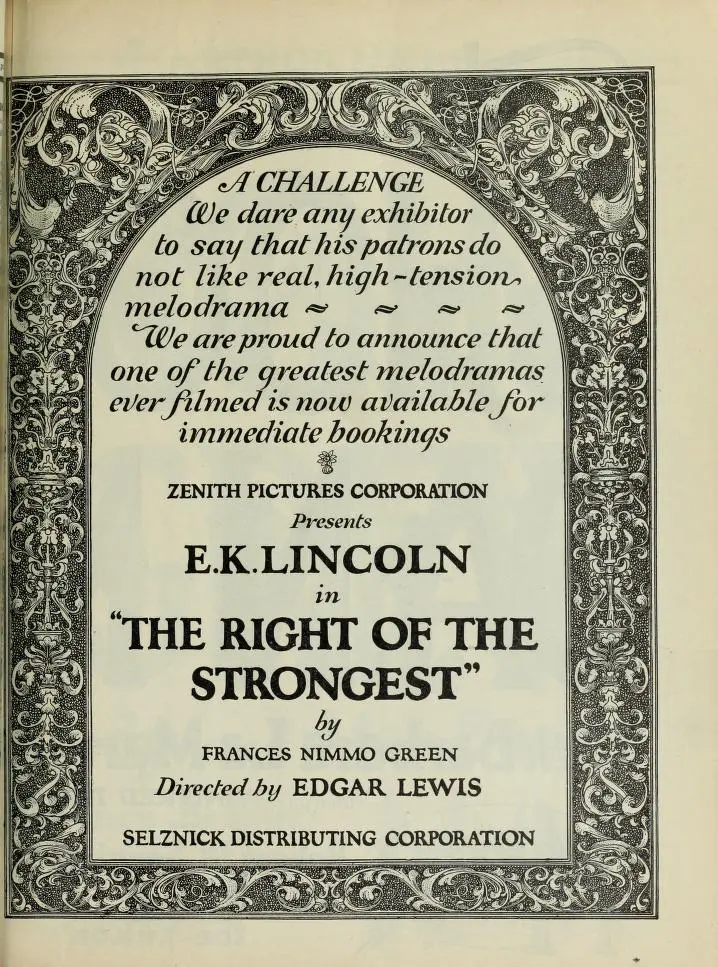
The Right of the Strongest, a gripping drama from 1923, presents a complex exploration of power, corruption, and redemption, set against the backdrop of a valley long occupied by squatters. This thought-provoking film masterfully navigates the intricate relationships between the valley's inhabitants, two enigmatic strangers, and the looming threat of industrialization.
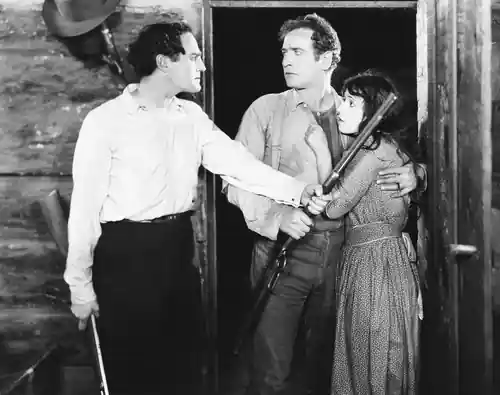
The film's narrative unfolds with the arrival of Engineer John Marshall, whose mysterious mission sparks hostility among the natives. Marshall's presence is met with suspicion, as the squatters perceive him as a threat to their way of life. Unbeknownst to the audience, Marshall's true intentions are rooted in a desire to facilitate the construction of a dam, which will provide power for a nearby industrial town. This revelation sets the stage for a clash between the valley's inhabitants and the forces of industrialization.
District Schoolteacher Mary Elizabeth Dale, a kind-hearted and determined individual, arrives in the valley, unaware of the dark history surrounding her family's past. Her father's brutal lynching by bootleggers, who suspected him of being a revenue agent, serves as a poignant reminder of the valley's troubled past. As Mary becomes increasingly entangled in the conflict, her connection to the land and its people deepens, ultimately informing her decision to support Marshall's mission.
The film's central conflict revolves around the valley's inhabitants' resistance to Marshall's plans, which they perceive as an attempt to exploit them. Tensions escalate as the squatters, fueled by a sense of injustice and mistrust, attempt to lynch Marshall. It is during this chaotic sequence of events that Mary's intervention proves pivotal, as she persuades Marshall to convince his company to offer fair compensation for the land. This pivotal moment serves as a turning point in the narrative, as the valley's residents begin to see the value in cooperation.
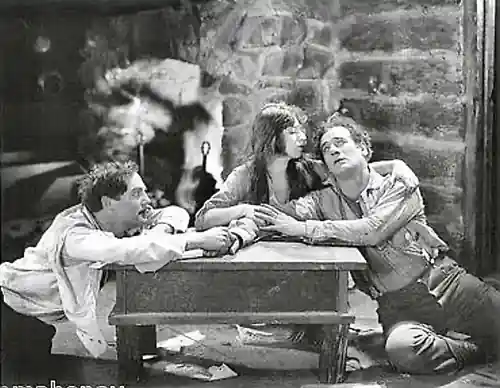
The film's climax is marked by a tragic confrontation, resulting in the deaths of two villainous men and an innocent boy. These events serve as a sobering reminder of the consequences of unchecked aggression and the importance of finding peaceful resolutions. Ultimately, the valley's inhabitants, chastened by the loss of life, accept Marshall's generous offer and agree to relocate, marking a new era of cooperation and understanding.
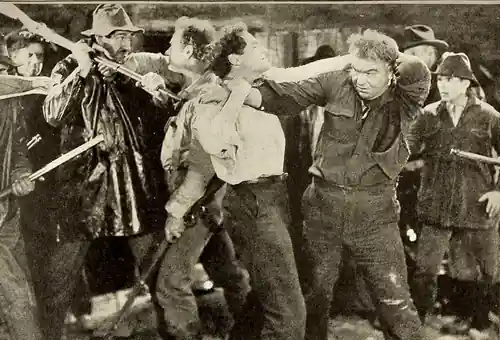
The Right of the Strongest draws comparisons to other films of its era, such as The Day of Faith and The Long Chance, which also explore themes of power, morality, and redemption. However, this film stands out for its nuanced portrayal of complex relationships and its thought-provoking exploration of the human condition.
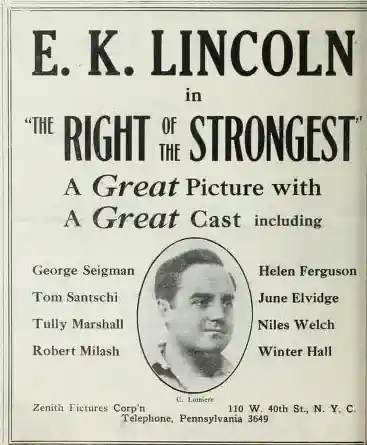
In terms of cinematography and production, The Right of the Strongest demonstrates a mastery of the silent film medium. The use of lighting, composition, and camera angles serves to heighten the tension and emotional impact of key scenes. The performances of the cast, including June Elvidge and James Gibson, add depth and nuance to the narrative, bringing the characters to life in a way that feels authentic and engaging.
In conclusion, The Right of the Strongest is a gripping drama that masterfully explores the complexities of power, corruption, and redemption. Through its thought-provoking narrative, nuanced characterizations, and mastery of the silent film medium, this film offers a compelling viewing experience that lingers long after the credits roll. For fans of classic cinema, this film is an absolute must-see, offering a unique blend of entertainment and social commentary that continues to resonate today.
IMDb —
1936
Community
Log in to comment.