DbcultAccessing Vault...
6.6/10
Senior Film Conservator
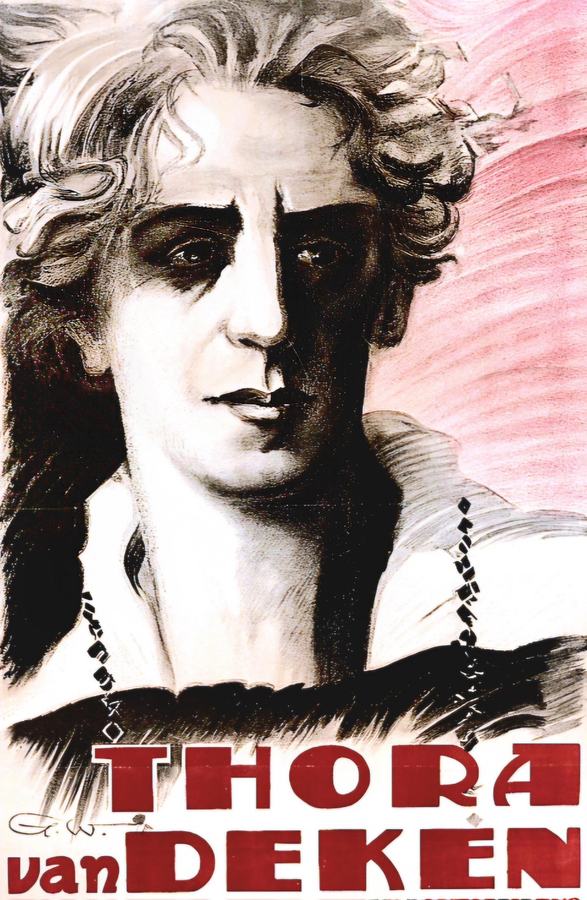
A definitive 6.6/10 rating for a film that redefined the boundaries of cult cinema. Thora van Deken remains a cornerstone of transgressive art.
The film Thora van Deken is a cinematic tour-de-force that masterfully weaves together themes of female empowerment, class, and the oppressive nature of traditional social hierarchies. Set against the backdrop of a society governed by patriarchal norms, the narrative follows a recently divorced woman as she navigates the treacherous landscape of inheritance and familial obligation. With its richly nuanced characters and thought-provoking storyline, this film is a must-see for anyone interested in exploring the complexities of the human experience.
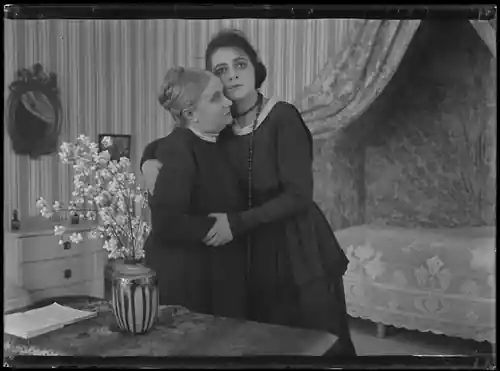
One of the most striking aspects of Thora van Deken is its unflinching portrayal of the societal constraints that govern the lives of women. Through the protagonist's journey, the film sheds light on the ways in which women are marginalized and disenfranchised, forced to navigate a system that is inherently stacked against them. This is particularly evident in the character's relationship with her late ex-husband's family, who seek to undermine her authority and control her daughter's inheritance. As the narrative unfolds, it becomes clear that the protagonist's actions are not merely a response to her personal circumstances, but rather a desperate attempt to reclaim her agency and secure her daughter's future in a society that seems determined to deny them both.
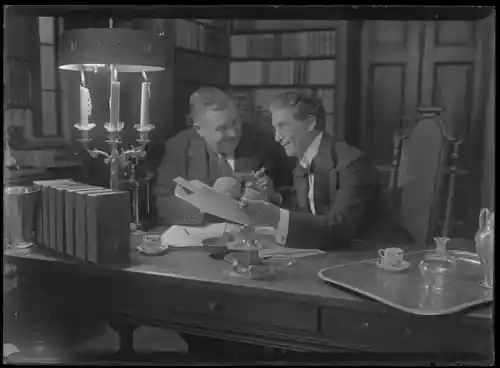
The film's exploration of themes such as class and social hierarchy is equally thought-provoking. Through its portrayal of the upper echelons of society, Thora van Deken reveals the intricate web of relationships and obligations that govern the lives of the wealthy and privileged. As the protagonist navigates this complex landscape, she is forced to confront the harsh realities of her own position within the social hierarchy, and the ways in which her actions are perceived and judged by those around her. This is particularly evident in her relationships with the other characters, who embody the contradictions and hypocrisies of the era's social mores.
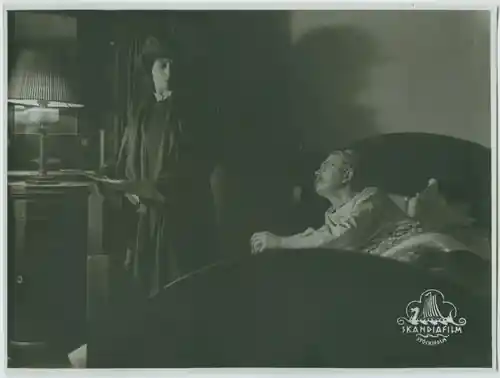
In terms of its cinematic craftsmanship, Thora van Deken is a masterclass in atmospheric tension and visual storytelling. The film's use of lighting and composition is particularly noteworthy, creating a sense of claustrophobia and unease that perfectly captures the protagonist's emotional state. As the narrative unfolds, the film's visual palette becomes increasingly expressionistic, reflecting the protagonist's growing desperation and despair. This is particularly evident in the film's use of shadows and silhouettes, which creates a sense of depth and dimensionality that draws the viewer into the world of the film.
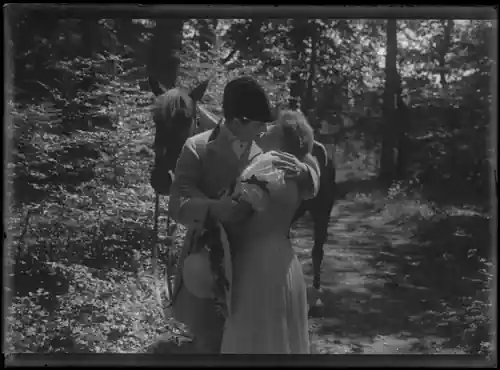
When compared to other films of the era, Thora van Deken stands out for its unflinching portrayal of the societal constraints that govern women's lives. Films such as The Perils of Divorce and A Daughter of the Wolf also explore themes of female empowerment and social hierarchy, but Thora van Deken is unique in its nuanced and thought-provoking portrayal of these issues. Similarly, films such as An American Live Wire and Assunta Spina feature strong female protagonists, but Thora van Deken is notable for its exploration of the complexities and challenges that women face in their daily lives.

In conclusion, Thora van Deken is a film that will linger in the viewer's mind long after the credits have rolled. With its thought-provoking storyline, nuanced characters, and masterful cinematic craftsmanship, this film is a must-see for anyone interested in exploring the complexities of the human experience. As a work of cinematic art, Thora van Deken is a testament to the power of film to challenge our assumptions and spark our imagination, inviting us to contemplate the consequences of our actions and the far-reaching implications for those around us.
The cast of Thora van Deken delivers performances that are equally impressive, bringing depth and nuance to their respective characters. Sigurd Wallén, Nils Jacobsson, and Pauline Brunius are particularly noteworthy, delivering performances that are both captivating and emotionally resonant. The chemistry between the actors is palpable, and their interactions are fraught with tension and complexity, reflecting the intricate web of relationships and obligations that govern their lives.
The screenplay, written by John W. Brunius, Henrik Pontoppidan, and Sam Ask, is a masterful adaptation of Pontoppidan's original work, Lille Rødhætte. The writers have done an outstanding job of capturing the essence of the original story, while also infusing it with their own unique perspective and vision. The result is a screenplay that is both faithful to the source material and freshly innovative, offering a unique and compelling cinematic experience that will linger in the viewer's mind long after the credits have rolled.
Overall, Thora van Deken is a film that is not to be missed. With its thought-provoking storyline, nuanced characters, and masterful cinematic craftsmanship, this film is a must-see for anyone interested in exploring the complexities of the human experience. As a work of cinematic art, Thora van Deken is a testament to the power of film to challenge our assumptions and spark our imagination, inviting us to contemplate the consequences of our actions and the far-reaching implications for those around us. Whether you are a fan of classic cinema or simply looking for a film that will challenge and inspire you, Thora van Deken is an unforgettable experience that will linger in your mind long after the credits have rolled.

IMDb —
1934
Community
Log in to comment.