DbcultAccessing Vault...
4.8/10
Senior Film Conservator
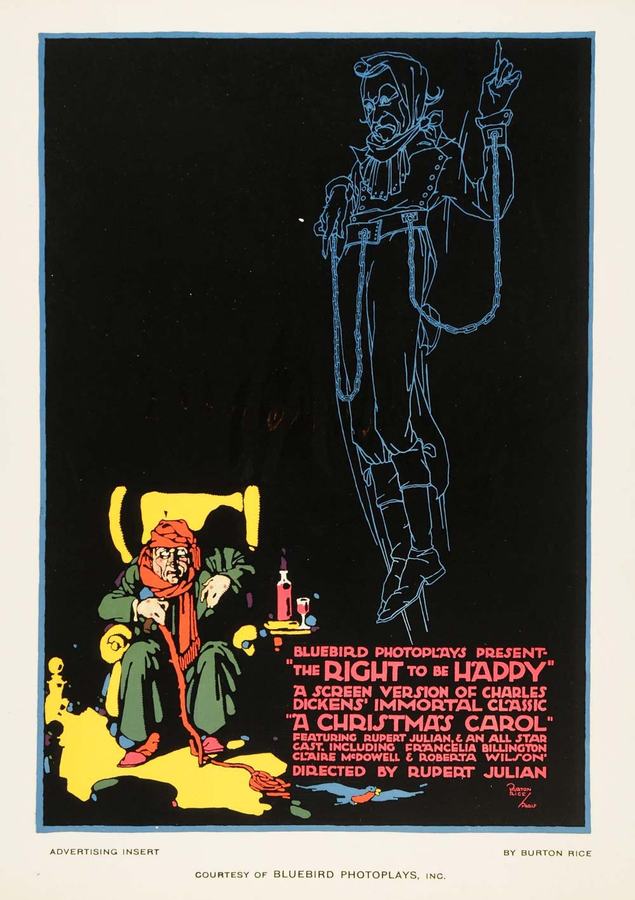
A definitive 4.8/10 rating for a film that redefined the boundaries of cult cinema. The Right to Be Happy remains a cornerstone of transgressive art.
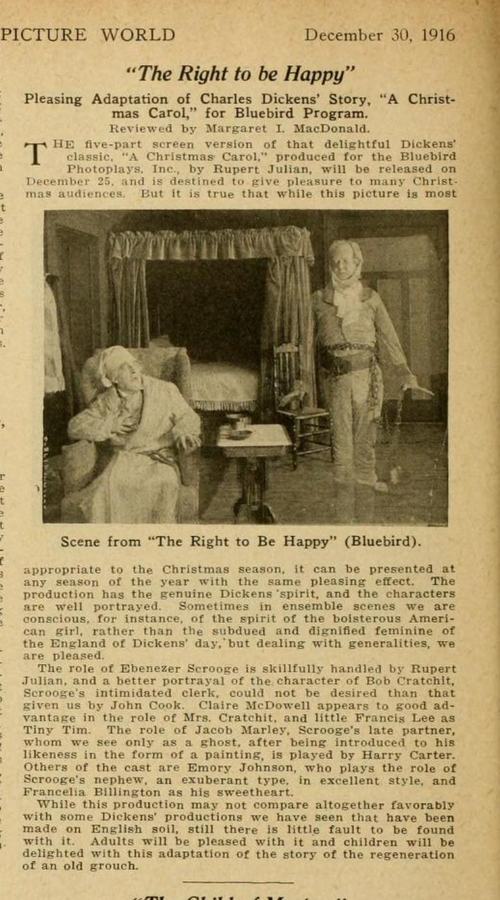
In the annals of cinematic history, certain narratives possess an inherent timelessness, their essence transcending the technological limitations of their era to deliver profound moral truths. The Right to Be Happy, an early 20th-century interpretation of Charles Dickens' immortal novella 'A Christmas Carol,' stands as a testament to this enduring power. Conceived by the prolific writer Elliott J. Clawson, this film doesn't merely retell a familiar ghost story; it endeavors to capture the very soul of Dickens' work, translating its allegorical weight into a nascent visual language. At its core, the film is a poignant exploration of avarice, isolation, and the transformative potential of empathy, delivered with a directness characteristic of its pioneering cinematic period.
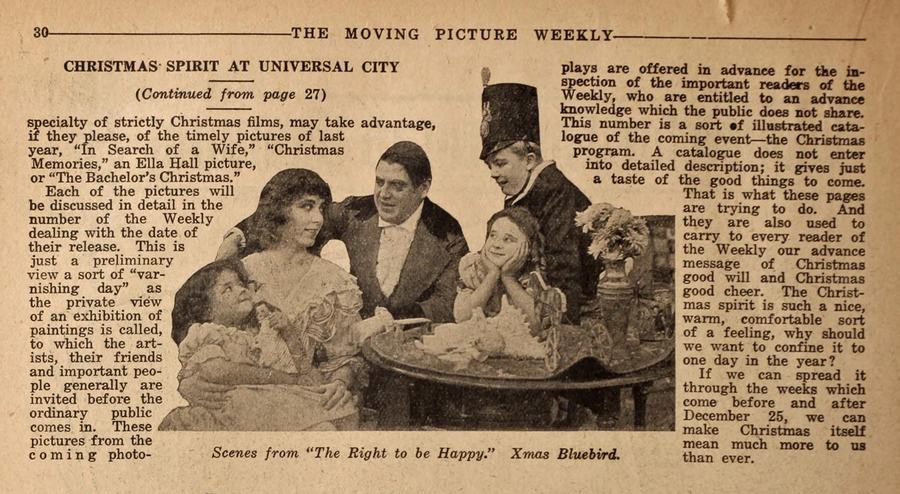
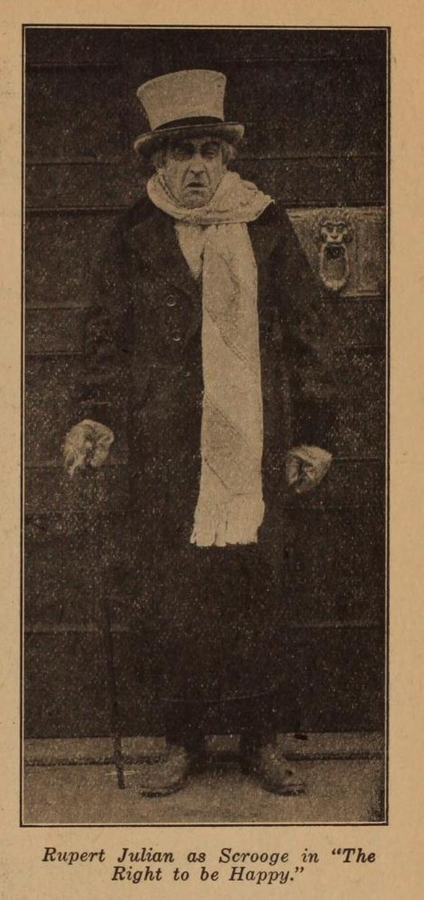
The narrative, as universally recognized, centers on Ebeneezer Scrooge, a character whose name has become synonymous with stinginess and misanthropy. Portrayed with a compelling blend of severity and eventual vulnerability by Richard L'Estrange, Scrooge is introduced as a man utterly devoid of warmth, his existence meticulously calibrated to maximize profit and minimize human interaction. L'Estrange, through subtle gestures and an expressive countenance – crucial tools in the silent film era – conveys the depth of Scrooge's ingrained bitterness. His hunched posture, sharp glances, and the way he clutches his ledger books as if they were life rafts in a sea of sentimentality paint a vivid picture of a soul ossified by decades of unchecked greed. The film masterfully establishes his character not just through his interactions, or lack thereof, with his long-suffering clerk Bob Cratchit (played by Tom Figee, whose quiet resignation is palpable), but also through the stark contrast he presents against the backdrop of bustling, festive London streets. His disdain for Christmas is not merely an opinion; it's an existential stance, a rejection of communal joy and generosity.
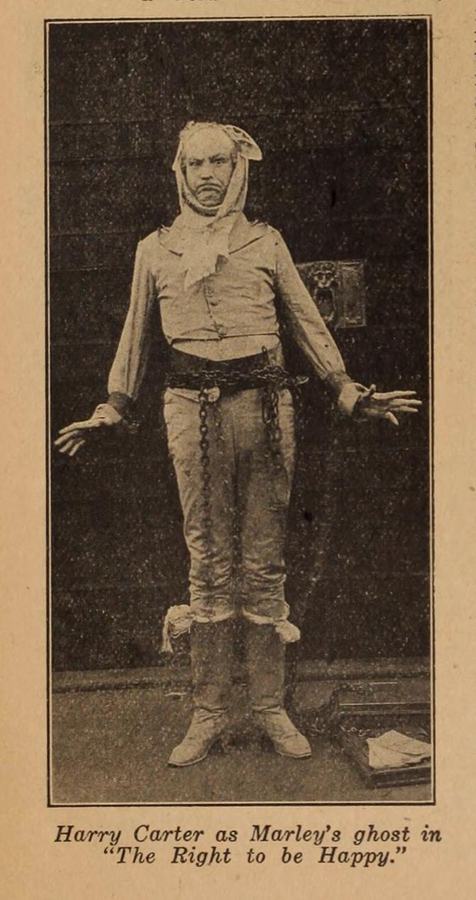
The catalyst for Scrooge's spiritual reckoning arrives in the spectral form of his deceased business partner, Jacob Marley, embodied with an eerie gravitas by George Hupp. Marley's appearance, laden with the clanking chains of his earthly transgressions, is a chilling spectacle, a visual metaphor for the burdens of unrepentant self-interest. Hupp's portrayal, though brief, is impactful, serving as a terrifying premonition for Scrooge. The scene, relying on early special effects, effectively conveys the supernatural intrusion into Scrooge's otherwise mundane, self-contained world. Marley's desperate warning, articulated through title cards, is not just a threat but a plea, an attempt by a damned soul to save a living one from a similar, agonizing fate. This initial encounter shatters Scrooge's complacent worldview, opening a fissure in his hardened psyche through which the subsequent spiritual interventions can penetrate.
The first of these spectral guides is the Ghost of Christmas Past, a gentle yet firm entity who transports Scrooge through the forgotten landscapes of his own history. This journey is crucial, not just for Scrooge, but for the audience to understand the origins of his profound alienation. We witness the poignant isolation of young Ebeneezer, left alone at school during holidays, a scene that evokes a deep sense of pathos. The film then contrasts this loneliness with the vibrant warmth of Mr. Fezziwig's Christmas party, a joyous tableau of generosity and community that highlights what Scrooge has lost. The performance of Claire McDowell as Belle, Scrooge's former fiancée, is particularly moving. Her heartbreak as she realizes Scrooge's heart has been consumed by avarice, valuing money over love, is portrayed with a quiet dignity that underscores the profound tragedy of his choice. These glimpses into a more tender, hopeful past serve as vital emotional anchors, reminding Scrooge of the human connection he once cherished and subsequently abandoned. The film's ability to convey such complex emotional arcs with the limited tools of silent cinema is truly commendable, relying heavily on the actors' facial expressions and the careful staging of scenes.
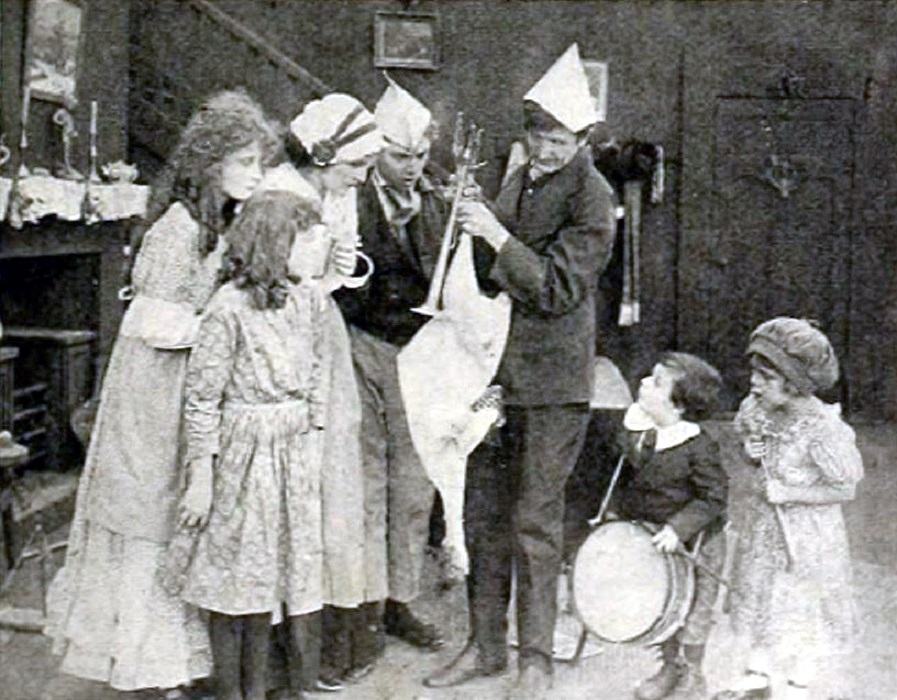
Following this journey through personal memory, Scrooge is confronted by the magnificent and benevolent Ghost of Christmas Present. This spirit, radiating warmth and abundance, offers a stark contrast to Scrooge's own miserly existence. The focus here shifts from the personal past to the communal present, particularly the lives of the impoverished. The film dedicates significant screen time to the Cratchit family, whose enduring love and resilience shine brightly amidst their destitution. Francelia Billington and Irma Sorter, as Mrs. Cratchit and Martha, respectively, convey the quiet strength and unwavering affection that bind the family together, even as they grapple with profound hardship. The plight of Tiny Tim, portrayed by Frankie Lee, is central to this segment, eliciting both sympathy and a growing sense of responsibility in Scrooge. The film doesn't shy away from depicting the harsh realities of poverty, a theme often explored in early cinema as a reflection of societal concerns. One might draw parallels here with the raw, empathetic portrayal of immigrant struggles in films like Charlie Chaplin's The Immigrant, where the daily grind and the search for dignity amidst adversity are similarly foregrounded. Both films, despite their differing narratives, underscore the human spirit's capacity for hope and resilience in the face of overwhelming odds. The Ghost of Christmas Present also unveils the allegorical figures of Ignorance and Want, a powerful visual indictment of societal neglect that resonates with a timeless urgency, reminding audiences of the collective responsibility towards the less fortunate.
The final and most terrifying of the visitations comes from the Ghost of Christmas Yet to Come, a silent, shrouded figure whose ominous presence casts a long shadow over Scrooge's future. This segment is arguably the most impactful, as it confronts Scrooge with the chilling consequences of his unrepentant life. The film masterfully builds suspense through the spirit's muteness, forcing Scrooge to interpret the grim tableaux presented before him. We witness scenes of his unmourned death, his possessions being callously plundered, and the utter indifference of those around him. This vision of a lonely, ignominious end is a stark, unvarnished mirror held up to Scrooge's soul. The most devastating revelation, however, is the Cratchit family's profound grief over the death of Tiny Tim, a loss directly attributable to Scrooge's lack of charity. This sequence, rendered with heartbreaking sincerity, finally cracks the impenetrable shell around Scrooge's heart. The terror is not merely of death, but of a life utterly devoid of meaning, love, or legacy. It is here that L'Estrange delivers his most powerful performance, conveying Scrooge's desperation, his fervent pleas for a chance at redemption, and his visceral fear of the desolate future awaiting him. The emotional climax is palpable, a raw display of a man utterly broken yet simultaneously reborn, desperate to alter the course of his destiny.
The thematic resonance of The Right to Be Happy extends far beyond its holiday setting. It is a profound meditation on the nature of wealth, not merely as a measure of monetary accumulation, but as a reflection of one's spiritual generosity. The film, like Dickens' novella, argues compellingly that true riches lie in human connection, empathy, and charitable action. The transformation of Scrooge from a bitter miser to a benevolent benefactor is a powerful testament to the human capacity for change and the redemptive power of self-awareness. Elliott J. Clawson's adaptation, even in its early cinematic form, captures this essence with remarkable clarity. While other films of the era, such as The Magic Skin, explored the Faustian bargains and moral decay that can accompany unchecked desire, The Right to Be Happy offers a hopeful counter-narrative: that even the most hardened heart can find salvation. The film’s enduring appeal lies in its universal message, a call to compassion that transcends cultural and temporal boundaries.
Beyond the central performance of Richard L'Estrange, the supporting cast contributes significantly to the film's emotional fabric. The quiet dignity of Bob Cratchit, the stoic love of Mrs. Cratchit, and the innocent vulnerability of Tiny Tim all serve to underscore the moral arguments being made. Actors like Emory Johnson, John Cook, and Wadsworth Harris, among others, despite the often broad acting styles of the silent era, manage to infuse their characters with genuine human qualities. The directorial choices, though not explicitly attributed in the provided information, demonstrate a keen understanding of visual storytelling. The use of dissolves, close-ups (when employed), and the careful arrangement of actors within the frame all work to convey narrative and emotional depth without spoken dialogue. The film's pacing, while perhaps deliberate by modern standards, allows the audience to fully absorb each scene's emotional weight, particularly during the ghostly visitations. Its place among early cinematic adaptations of literary classics is secure, serving as a foundational piece in the ongoing legacy of 'A Christmas Carol' on screen. The film, in its simplicity, manages to capture the grandeur of Dickens' prose, translating complex social commentary into accessible visual parables. It reminds us that stories of personal and communal reckoning are not confined to the page but can powerfully resonate through the nascent art of moving pictures.
The legacy of The Right to Be Happy is multifaceted. It stands as an important historical document, showcasing early filmmaking techniques and acting styles. More importantly, it reaffirms the timeless power of Dickens' narrative, proving its adaptability and universal appeal across different mediums. In an era marked by rapid industrialization and stark social inequalities, the film's message of charity and social responsibility was, and remains, profoundly relevant. It is a cinematic experience that, despite its age, continues to stir the conscience and uplift the spirit, reminding us all of the profound joy that comes from embracing our shared humanity and the transformative potential inherent in every individual to choose kindness over callousness. The film doesn't just ask us to observe Scrooge's transformation; it invites us to partake in it, to reflect on our own lives, and to consider the true meaning of happiness.
IMDb 5.9
1926
Community
Log in to comment.