DbcultAccessing Vault...
Cult Review
Senior Film Conservator
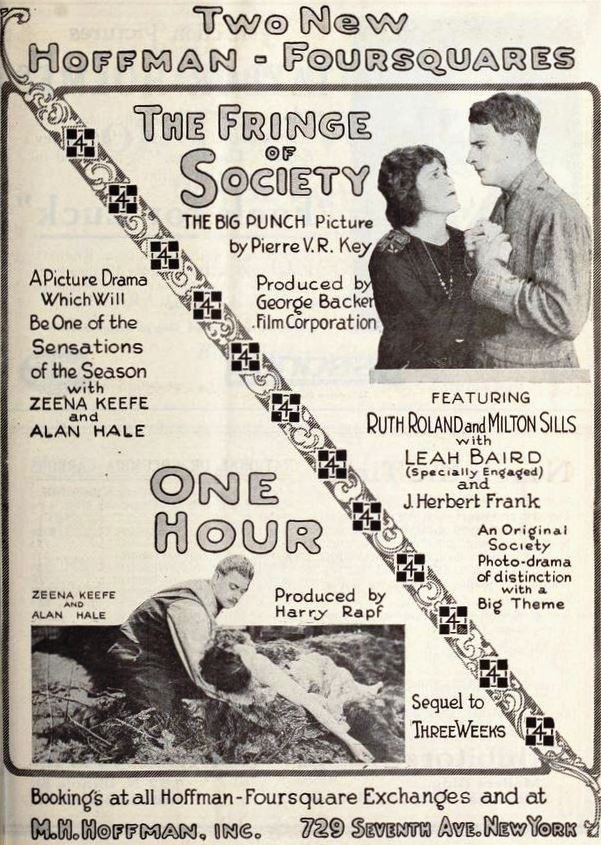
The camera prowls across a skyline of wet asphalt and gaslamp halos, drinking in Chicago circa 1923—an epoch when every basement speakeasy exhaled jazz and contraband Scotch. Martin Drake’s moral crusade arrives like a sermon printed on grainy newsprint, his face a chiaroscuro of conviction and craving. Pierre V. R. Key’s screenplay treats Prohibition not as textbook amendment but as private battlefield, the publisher’s ink-pot pitched against his own bloodstream. The film’s first act is an intoxicating ballet of glances: Drake slamming a silver flask into a locked drawer, Esther’s gloved fingers brushing his lapel, Medford’s eyes devouring her reflection in the mirror of a mahogany bar. In this triangular duel, liquor is both weapon and witness.
Silent-era heroines too often quivered like leaves; Roland refuses to tremble. When Medford corners her against a velvet settee, her pupils flare—two struck matches—before she drives a knee toward his silk-clad groin, the gesture so swift the intertitle need only read: “No.” Later, framed in Medford’s doorway, she is a monochrome column of resolve, the fox-fur collar a regal ruff. Roland’s acting palette is micro-gesture: the way fingertips flutter to the throat when false accusation wounds, the almost imperceptible sag of shoulder when she believes her marriage has capsized. Compare her to the martyred sister in Her Sister: both suffer male slander, yet Esther fights narrative destiny with every sinew.
Sills, square-jawed yet capable of tremulous ruin, plays Drake as if Hamlet wore a fedora. His descent into whiskey perdition is shot in expressionist shards: tilted camera, spinning room, a glass that warps his reflection into Medford’s smirk. The sequence where he wakes in a gutter, rain diluting news sheets bearing his own editorials, is silent cinema at its most self-lacerating. Sills lets silence scream; pupils dilated, he claws at wet paper as though trying to erase his identity. The restoration arc—rescued by Tip, redeemed by love—could have slid into melodrama, yet Sills grounds it in physical exhaustion: every step up the stairwell toward Medford’s flat feels like climbing out of his own grave.
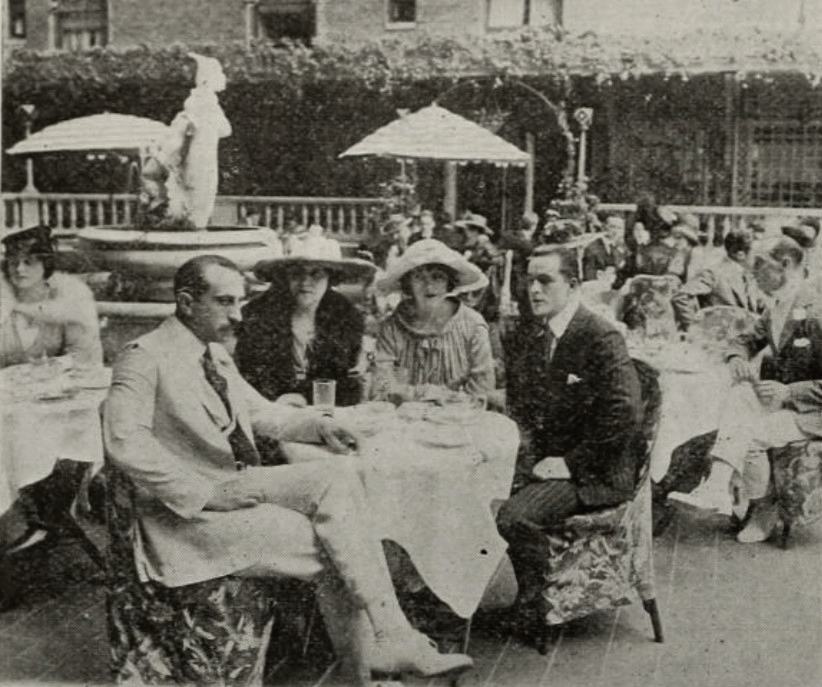
Where Drake embodies the paper’s conscience, Tip is its circulation pulse. Larkin, a stunt-trained veteran, vaults fire escapes, swings from warehouse chains, and still manages to type the exposé that will dynamite Medford’s empire—all within a reel change. His newsroom flirtation with a cigarette-girl (Ollie Kirby) gifts the narrative a spark of proletarian levity, a wink reminding us that cities survive on banter as much as virtue.
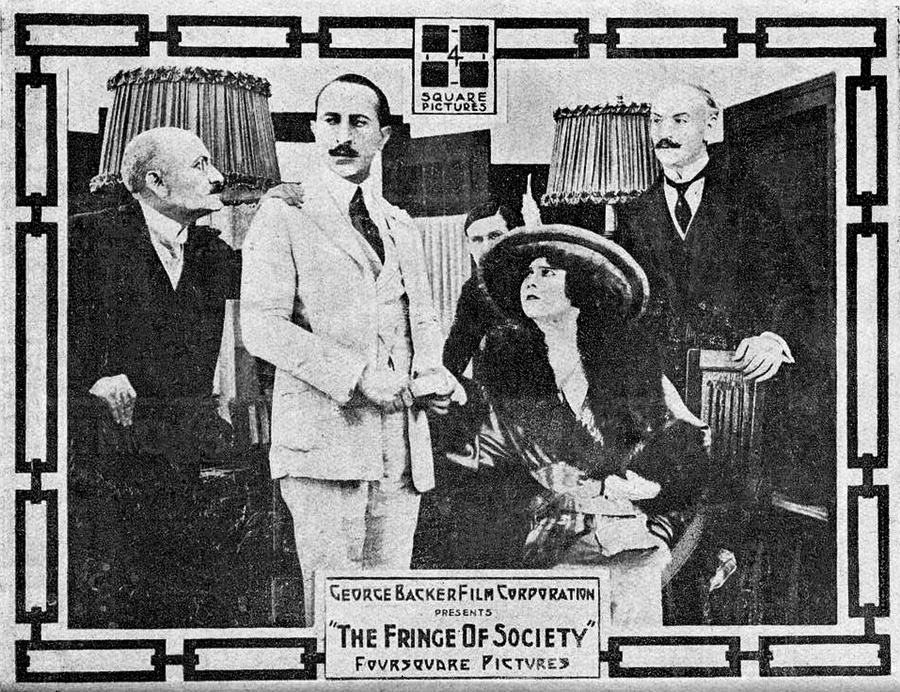
Cortez, later Hollywood’s urbane heavy, here debuts a predator wrapped in ballroom refinement. His Medford lounges in satin robes, orchid in lapel, yet the eyes are pure fiduciary shark. Watch the way he fingers Esther’s photo—nail grazing the glossy cheek—before issuing kidnap orders; the gesture is ownership disguised as affection. The climactic brawl lets Cortez discard civility: teeth bared, hair mussed, he becomes the brute that was always under the tuxedo.
Cinematographer Jules Cronjager treats chiaroscuro like a bartender mixing poison and perfume. Warehouse kidnapping scenes drape Sills in venetian-blind shadows, bars of darkness literalizing captivity. Conversely, the newsroom bustles under over-exposed klieg lights—truth’s harsh glare. When Drake finally hurls a bottle into a crucible of flame (echoing the temperance agitators’ street pyres), the color-tinted nitrate flares amber, a brief, ecstatic sunrise in a black-and-white world.
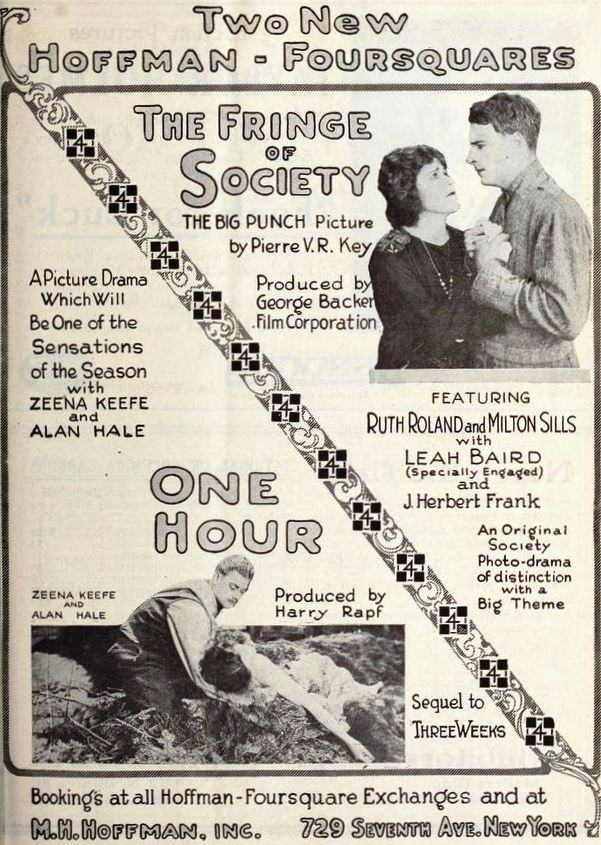
Unlike Hop – The Devil’s Brew or The House of Temperley, which sermonize with moral sledgehammers, The Fringe of Society confesses that reformers can be secret sinners. Drake’s editorial thunderbolts against “the demon rum” coincide with his own night-crawling forays into back-alley gin joints. The film neither exonerates nor crucifies him; instead, it posits addiction as national malaise, legislation as band-aid on a hemorrhaging psyche. The irony is delicious: a publisher who can outlaw the nation’s thirst cannot cork his own.
Medford’s assault on Esther is framed through a keyhole shot—voyeurism weaponized. Yet the film flips that gaze: Esther seizes narrative agency, marching into Medford’s den to negotiate, refusing victim status. Compare this to the sister-sacrifice in Her Greatest Love, where female virtue is terminal currency. Here, virtue is vocal, argumentative, and ultimately vindicated by her own testimony rather than male rescue alone.
Silent-era thrillers often stapled on action as afterthought; director T. Hayes Hunter integrates it into character arc. Tip’s warehouse infiltration unfolds in real time: a rope-swing across a skylight, a lantern hurled into a pyramid of crates, sparks ricocheting like gossip. The camera hangs from a pulley, providing a vertiginous top-shot as Drake, slack-bodied from drink, is slung over Tip’s shoulder—salvation as athletic ballet. Contemporary trade papers crowed that Larkin performed the swing sans double; whether myth or mettle, the kineticism still jolts.
America Preparing mythologizes national virtue; Midinettes romanticizes Parisian rag-trade drudgery. Both are competent, yet neither marries social critique to noir propulsion as fleetly as Fringe. Even The Pillory, with its scarlet-letter angst, lacks the urban velocity that this film drips like absinthe on cobblestones.
Surviving prints circulate without definitive score, inviting modern accompanists to improvise. I screened a 16-mm transfer at the Boone Cinema Society with a three-piece outfit wielding accordion, brush-snare, and muted trumpet. The waltz that scored Drake’s binge spiraled into dissonant klezmer; during the final brawl, drums mimicked typewriter hammers—an aural echo of Tip’s front-page coup. Silence, in this context, becomes possibility rather than absence.
Like most independent Producers Security Corporation titles, complete elements languish in vault purgatory. The Library of Congress holds a 7780-foot composite print, flecked with emulsion scuffs that resemble cigarette burns. Yet even in battered state, the film’s thematic vertebrae stand: addiction, suspicion, redemption, the uneasy tryst between private sin and public morality. Archives list it under the alternate title Shadows of the City, but The Fringe of Society better captures its thesis—that society’s margin is merely the space where secrets curdle.
Seek this film not for immaculate print clarity but for its jittery, lived-in urgency, the way it anticipates post-code noir by a dozen years. Watch Ruth Roland tilt her chin in defiant profile; watch Milton Sills wrestle with the bottle like Jacob with the angel; note how the villain’s defeat arrives not via courtroom gavel but newsroom ink—an ancestor to every latter-day expose from All the President’s Men to Spotlight. In an age when media barons again peddle virtue while nursing private vices, The Fringe of Society feels less antiquated than prophetic, its shadows still lengthening across our digital boulevards.
IMDb 6.4
1936
Community
Log in to comment.