DbcultAccessing Vault...
Cult Review
Senior Film Conservator
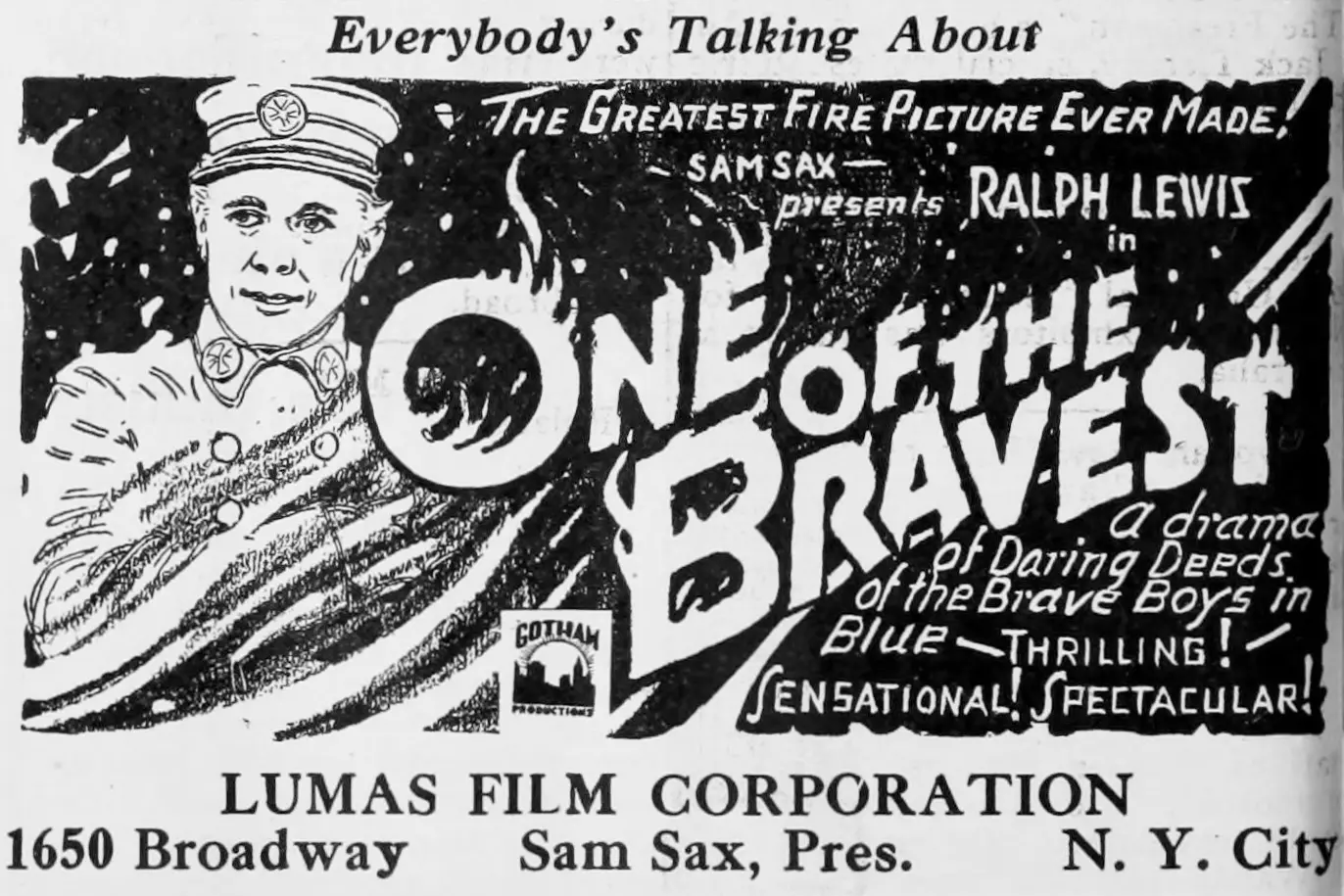
In the silent film era, 'One of the Bravest' (1925) emerges as a thought-provoking narrative that probes the depths of paternal conflict, cultural identity, and personal integrity. Directed by a visionary filmmaker, this movie presents a compelling tableau of an Irish father's struggles, oscillating between traditional values and the evolving dynamics of family relationships.
The story centers around an Irish firefighter, a man of unyielding courage and conviction, whose life is turned upside down when his son announces his marriage to a Jewish woman. This union sparks a vehement objection from the father, not merely due to the cultural differences but also because of his own biases and prejudices. The situation worsens when he begins to question his son's bravery and moral fiber, labeling him a coward and, more severely, a thief. These accusations are not merely a reflection of the father's disappointment but also a manifestation of his own fears and insecurities about the changing world around him.
As the plot navigates through the complexities of family dynamics, it draws striking parallels with other films that explore similar themes of cultural identity, familial conflict, and personal growth. For instance, 'Youth to Youth' presents a similar exploration of intergenerational relationships, albeit with a different cultural context. Similarly, 'Pay Me!' delves into the challenges of moral integrity in the face of adversity, echoing some of the thematic concerns of 'One of the Bravest'.
The film's character development is noteworthy, particularly in its portrayal of the father, played by Sidney Franklin. His performance brings to life the turmoil and transformation of a man grappling with the loss of authority and the challenge of understanding his son's choices. The supporting cast, including Mary Gordon and Jack Kenny, add depth to the narrative, their characters serving as foils to the father's perspectives and contributing to the rich tapestry of the story.
One of the most striking aspects of 'One of the Bravest' is its thematic resonance with contemporary audiences. The film's exploration of cultural clashes and generational divides speaks to universal experiences, making it a timeless piece of cinema. The cinematography and direction are equally impressive, capturing the emotional intensity of the characters and the stark contrasts of the narrative with a deft touch.
In comparison to other films of its era, such as 'Heart of Gold' and 'Madeleine de Verchères', 'One of the Bravest' stands out for its nuanced portrayal of familial relationships and its unflinching look at the challenges of cultural integration. While films like 'Tin Knights in a Hallroom' and 'Once a Plumber' may share some thematic similarities, 'One of the Bravest' distinguishes itself through its emotional depth and narrative complexity.
The film's score, though silent, speaks volumes through its pacing and editing, effectively conveying the tension and emotional depth of the narrative. This, combined with the performances, makes for a viewing experience that is both engaging and thought-provoking.
In conclusion, 'One of the Bravest' is a masterful exploration of the human condition, delving into themes of family, culture, and personal integrity with sensitivity and depth. It is a testament to the power of cinema to capture the complexities of human relationships and to inspire reflection on our own values and biases. For those interested in exploring the nuances of silent cinema and the early 20th-century cultural landscape, this film offers a compelling and insightful perspective.
Ultimately, 'One of the Bravest' stands as a poignant reminder of the enduring power of storytelling and the importance of empathy and understanding in bridging the gaps between generations and cultures. It is a film that not only entertains but also educates, offering a window into the past while speaking to universal themes that remain relevant today.
IMDb —
1914
Community
Log in to comment.