DbcultAccessing Vault...
6.3/10
Senior Film Conservator
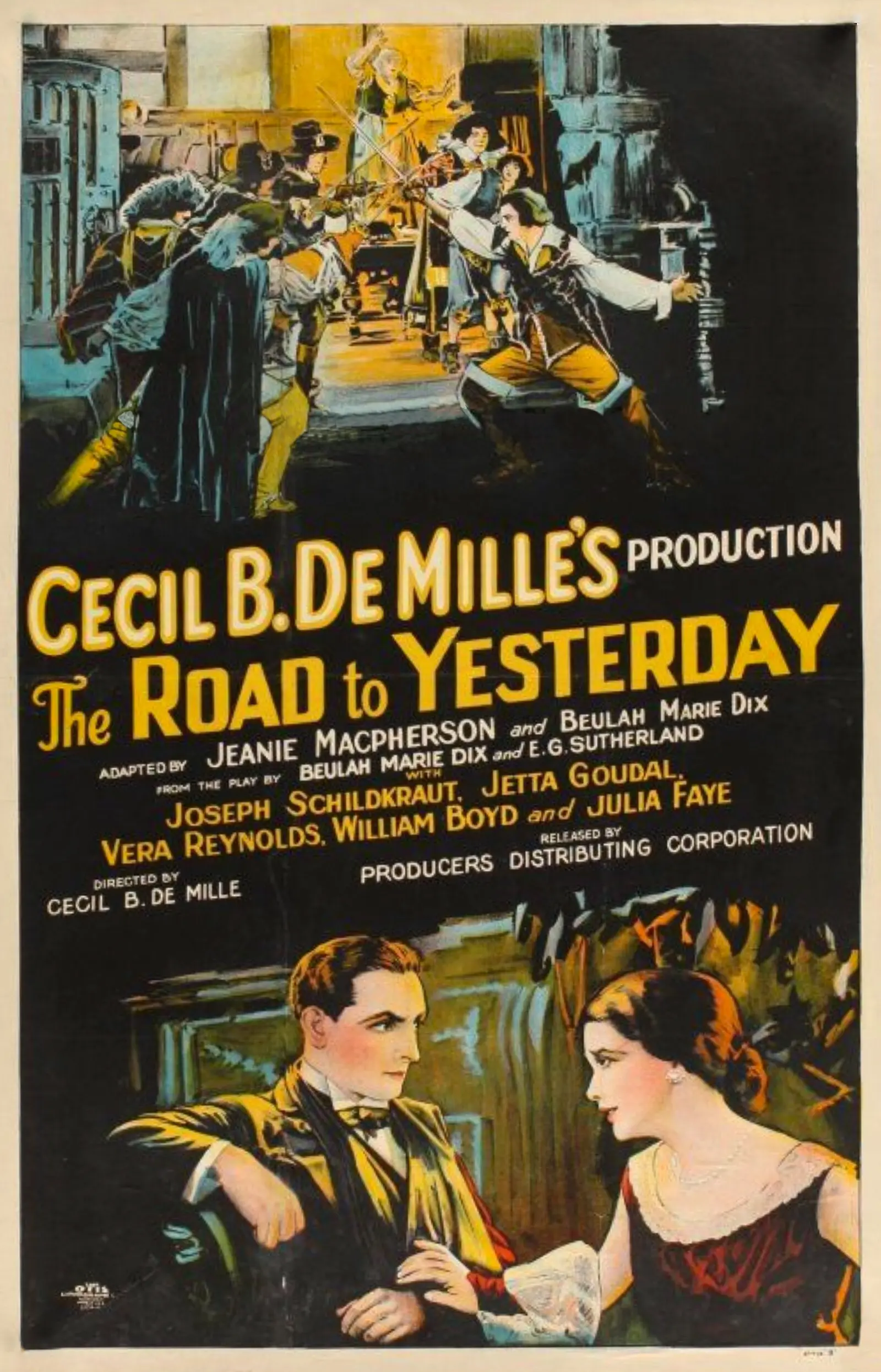
A definitive 6.3/10 rating for a film that redefined the boundaries of cult cinema. The Road to Yesterday remains a cornerstone of transgressive art.
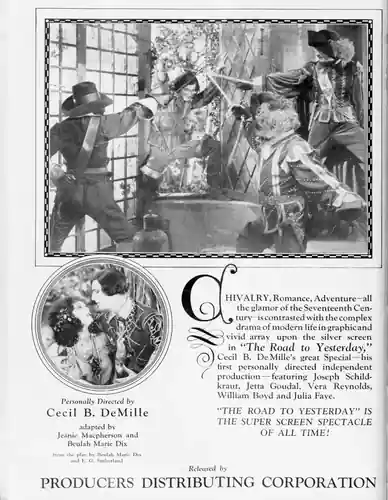
The atmospheric backdrop of The Road to Yesterday (The Road to Yesterday) is both enchanting and haunting, as it weaves through the lives of Frank Coghlan Jr. and his wife, played by a cast that includes Josephine Norman and William Boyd. This 1937 production, written by Beulah Marie Dix, Jeanie Macpherson, Howard Hawks, and Evelyn Greenleaf Sutherland, is a poignant exploration of love, loss, and the indelible marks left by our past.
The narrative unfolds with a delicate balance of romance and drama, capturing the essence of a relationship that has grown stale and distant. Frank, a well-known actor, and his wife, who is often overshadowed by his fame, find themselves caught in a web of unresolved emotions and hidden truths. The film delves into their past, revealing fragments of lost love and unfulfilled dreams that continue to haunt them in the present. This intricate tapestry of memories serves as a catalyst for their journey towards self-realization and a deeper understanding of each other.
The cinematography by Eric R. Drew is remarkable, with scenes that evoke a sense of nostalgia and melancholy. The use of sepia tones and soft lighting adds a layer of depth to the storytelling, enhancing the emotional resonance of the film. The performances by the cast are noteworthy, with Josephine Norman delivering a nuanced portrayal of a woman struggling with her identity and desire for connection. William Boyd, as Frank, brings a sense of charisma and vulnerability, making the audience empathize with his character's emotional turmoil.
One of the standout features of The Road to Yesterday is its exploration of the concept of past lives and how they shape our present. This theme is not just a gimmick but a profound examination of how our actions and choices in the past can have lasting effects on our relationships and personal growth. The film invites viewers to reflect on their own lives and the ways in which the past continues to influence their present.
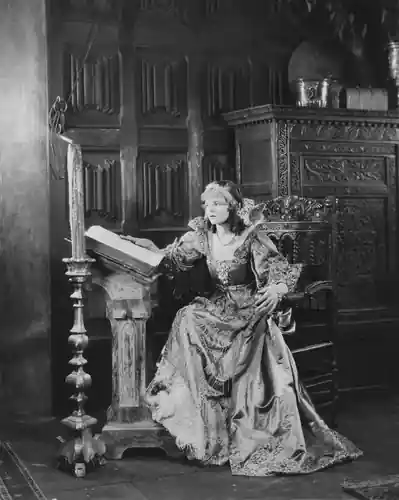
The film's pacing is deliberate, allowing the audience to immerse themselves fully in the characters' experiences. The script, with its rich dialogue and subtle subtext, creates a sense of intimacy and authenticity. The performances are complemented by a musical score that enhances the emotional journey, with moments of tender melody and somber reflection.
Comparatively, The Red Circle (The Red Circle) and Sally of the Sawdust (Sally of the Sawdust) both offer insights into the complexities of relationships, but The Road to Yesterday stands out for its deeper exploration of the psychological and emotional underpinnings of love and loss. It shares thematic similarities with films like Why Divorce? (Why Divorce?) and His First Car (His First Car), which also delve into the intricacies of modern relationships, yet it approaches these themes with a more introspective and profoundly personal touch.
The film's conclusion is bittersweet, offering both a sense of closure and a lingering sense of what could have been. The final scenes are particularly poignant, with the characters standing at a crossroads, aware of the choices they have made and the paths they could have taken. The visual and emotional impact of these moments is significant, leaving a lasting impression on the audience.
In terms of its place in the film industry, The Road to Yesterday is a testament to the artistry of the early 1930s, a time when storytelling was as much about emotional depth as it was about cinematic innovation. The film's ability to blend romance with introspection sets it apart from its contemporaries and makes it a valuable piece of cinematic history.
The Road to Yesterday (The Road to Yesterday) is a film that demands to be seen. It is not just a story of a couple's journey but a broader exploration of the human condition, inviting viewers to reflect on their own lives and the enduring impact of our past. It is a film that will linger in the memory, a reminder of the complexities of love and the power of self-discovery.
IMDb —
1920
Community
Log in to comment.