DbcultAccessing Vault...
5.4/10
Senior Film Conservator
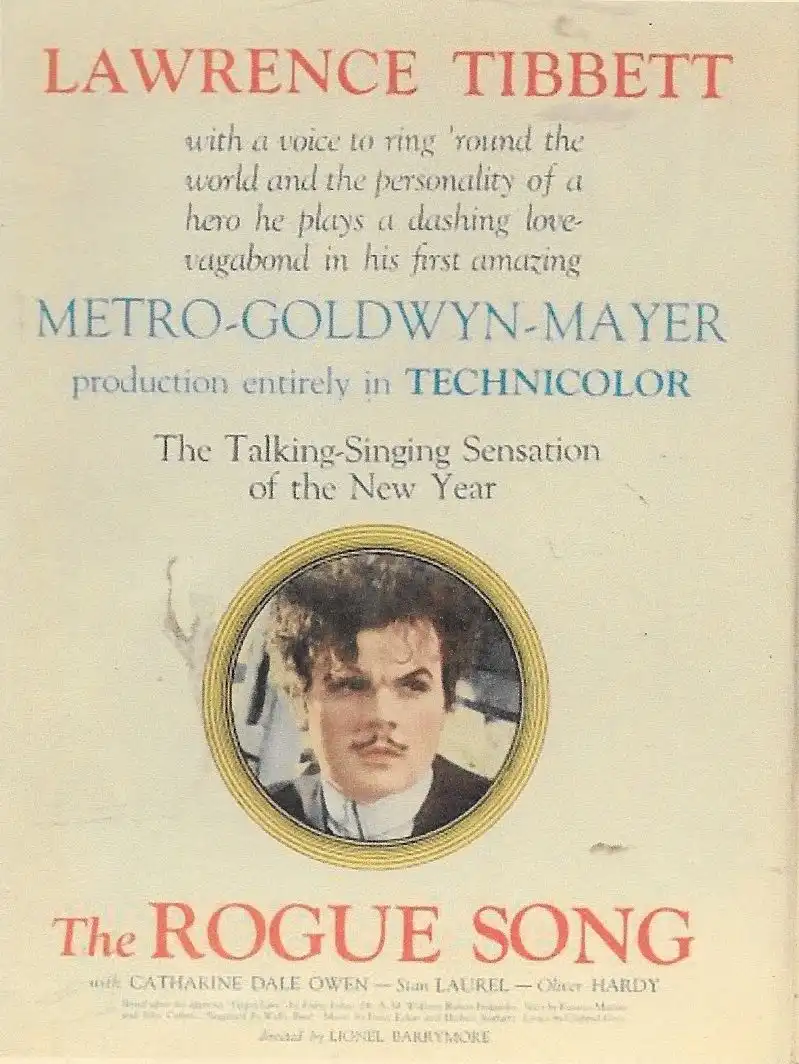
A definitive 5.4/10 rating for a film that redefined the boundaries of cult cinema. The Rogue Song remains a cornerstone of transgressive art.
Alright, let’s talk about The Rogue Song. If you’re into early cinema, especially that chaotic leap into sound and color, this one’s a must-see. It’s got this incredible, almost raw energy that you just don't find anymore. However, if you're looking for subtle acting or modern pacing, well, you might find yourself checking your watch.
It’s a loud, big-hearted spectacle for folks who appreciate film history and don’t mind a bit of theatrical flair. If you need tight plots and quiet moments, you'll probably bounce off it pretty hard. There's a lot going on, and not all of it makes perfect sense, but that's part of its charm.
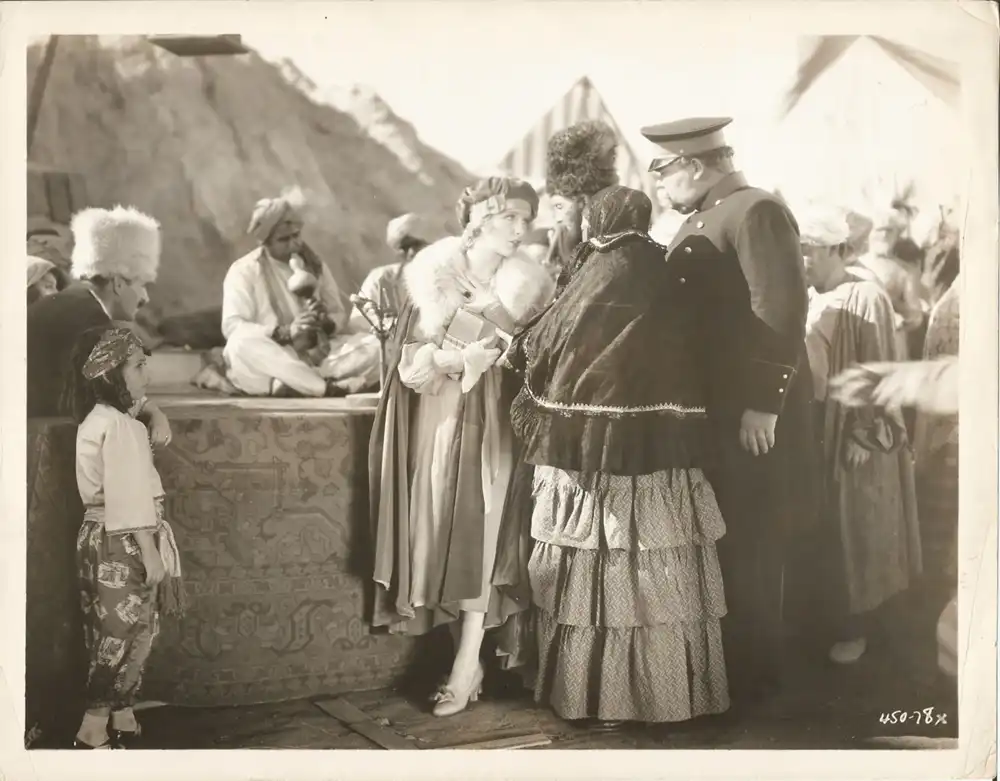
The story throws us into Tsarist Russia, where Lawrence Tibbett plays Yegor, a bandit chief with a voice that could crack mountains. He’s got this intense, almost animalistic charm. You really feel the stage presence he brought to the screen; it's *huge*.
He falls head over heels for Princess Vera, played by Catherine Dale Owen. She's all refined and proper, which makes their romance feel like a collision of worlds. Their initial meeting, with him just *taking* her attention, it’s quite something. You can almost feel the screen trying to contain the force of Tibbett's singing.
There are these moments where he just belts out a tune, and you remember why these early sound films were such a big deal. It wasn’t just talking; it was *singing* loud enough to fill a theater. It’s less about a nuanced performance and more about the sheer power of it all.
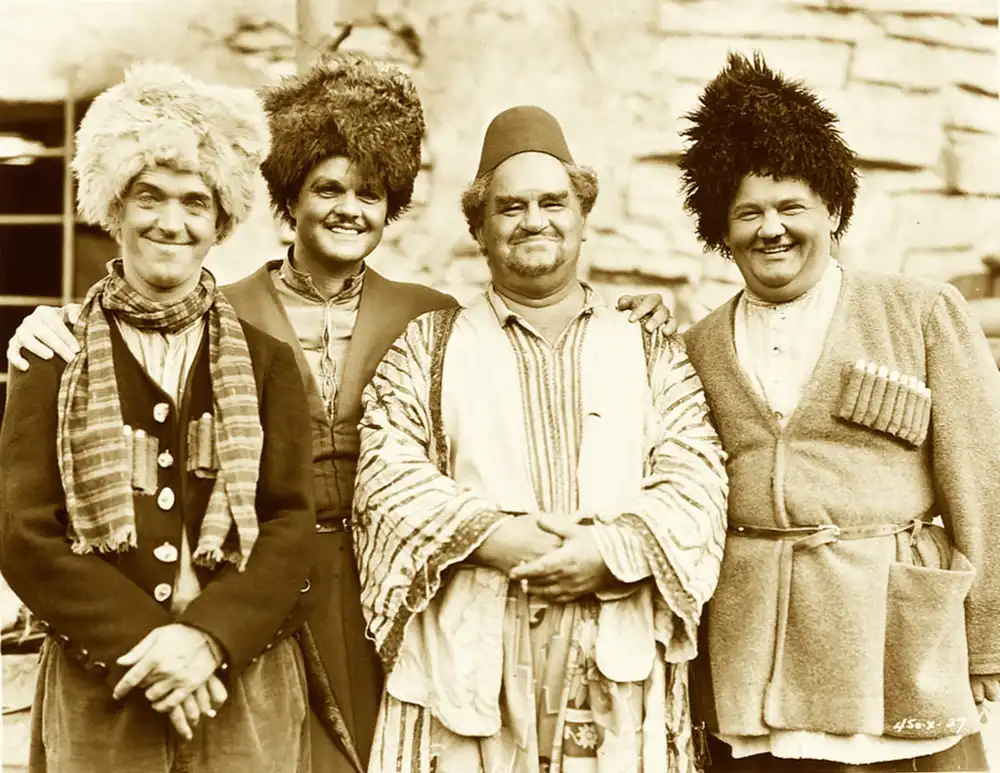
And then there’s Laurel & Hardy. Their appearance here, as members of Yegor's gang, is honestly one of the film’s most delightful oddities. They don’t really fit, but also, they completely do. It's like someone just dropped them in for a bit of slapstick, and it works!
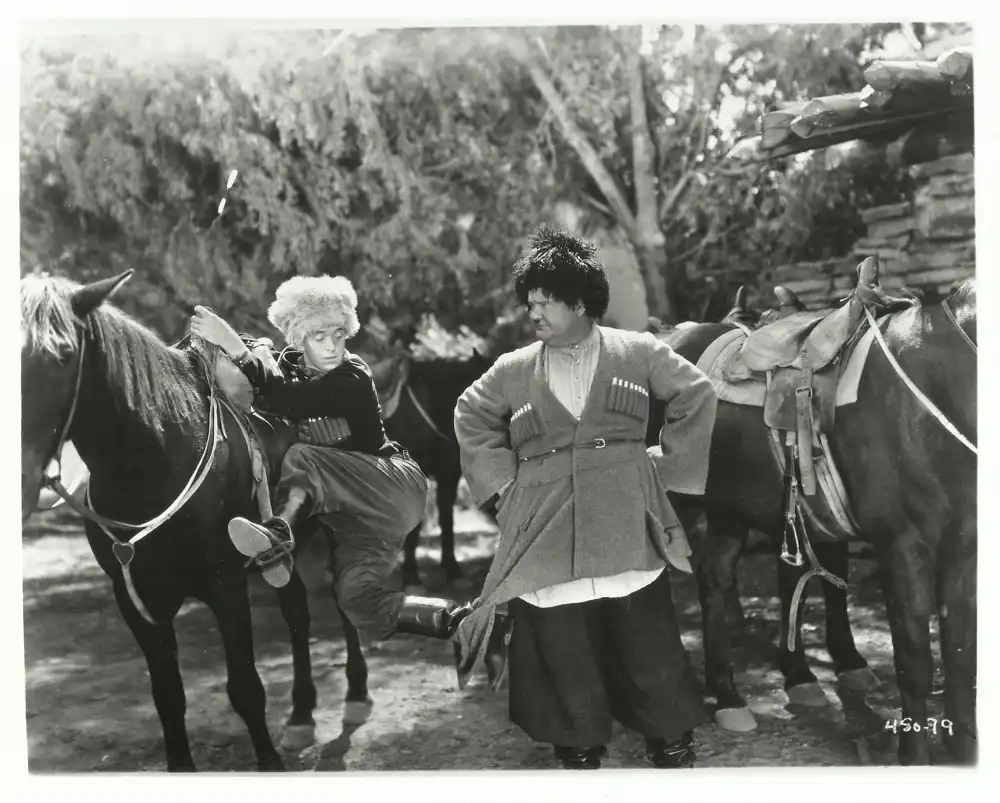
Oliver Hardy, in particular, gets some fantastic bits. There’s a scene where he’s trying to steal a chicken, and the sheer *frustration* on his face is just gold. You see him and Stan Laurel just doing their thing, tripping over each other, getting into scrapes. It feels like a little mini-movie tucked inside a much grander one.
It's a welcome breather from the operatic melodrama. You get swept up in the romance, and then suddenly, there's Hardy trying to hide behind a ridiculously small bush. 😂 It’s such a strange mix, but I kind of love it for that.
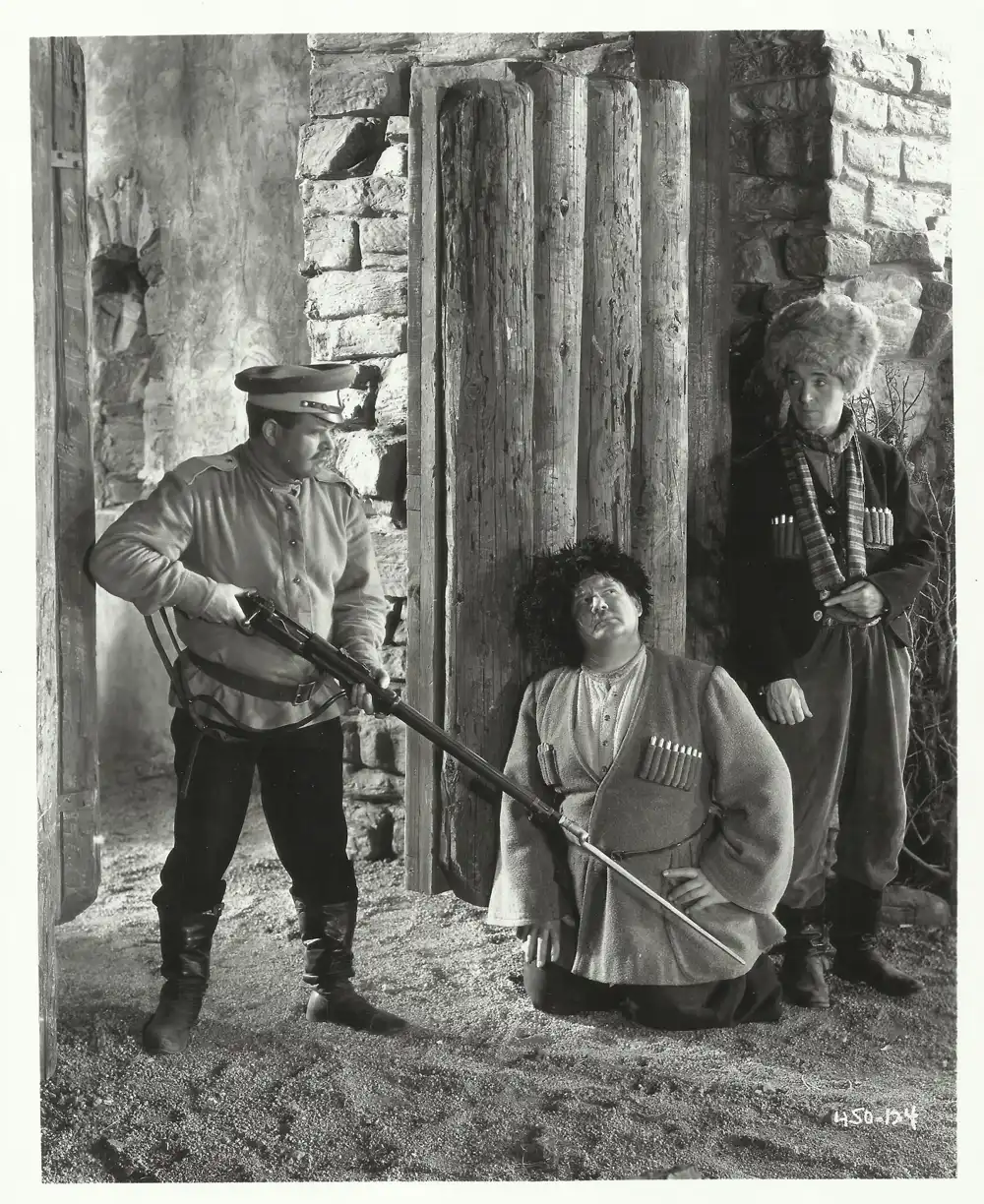
Being MGM's first all-talkie, all-color film, it's a technical marvel for its time. The Technicolor, while a bit muted and sometimes a little off by today's standards, gives everything this dreamy, painterly quality. The reds in the costumes, the deep greens of the mountains, they really pop.
The sound, though... ah, the sound. It's an early talkie, so expect some stiffness. Dialogue can feel a bit staged, like everyone's waiting for their cue in a theater. The microphones were probably huge and unforgiving.
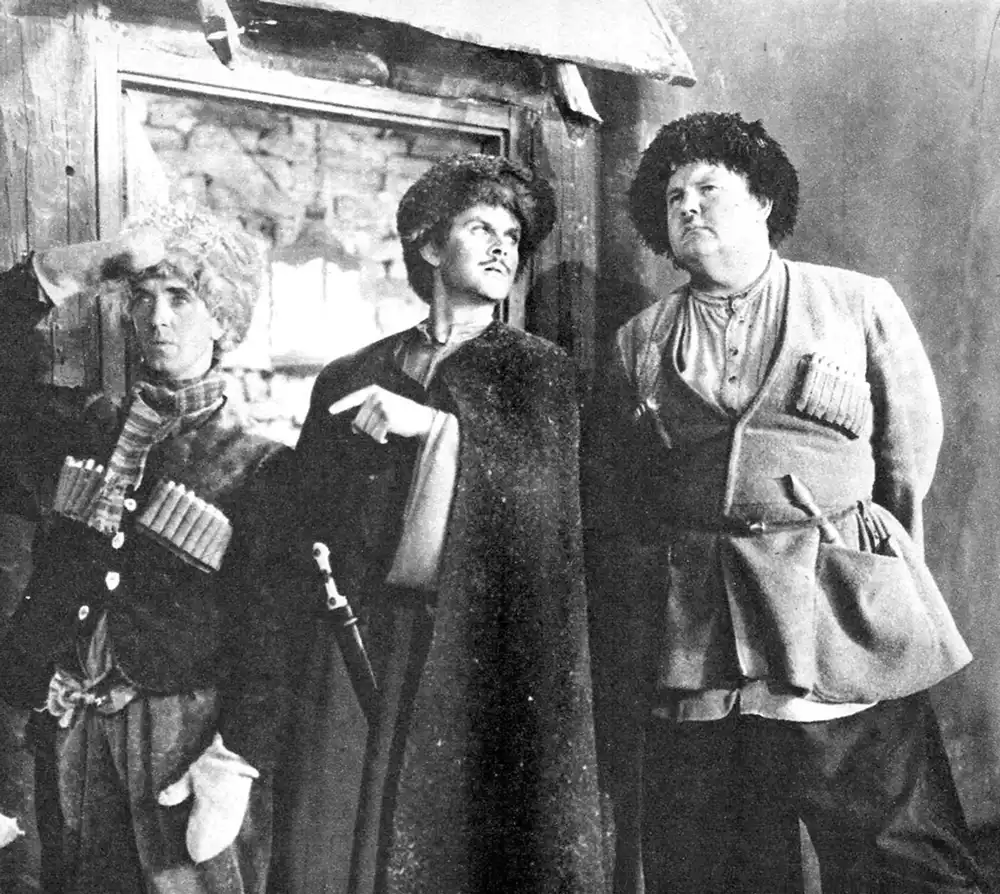
You can almost hear the *effort* involved in making everyone audible. Sometimes a line feels rushed, sometimes it drags. It's not seamless, not by a long shot, but that’s part of the fun of watching these old films.
Honestly, The Rogue Song is a trip. It’s got this wild, untamed energy, like a grand experiment in cinema. It’s not perfect, far from it. Some scenes go on a bit too long, and you might wonder why certain characters are even there. But it’s a vital piece of film history, a fascinating look at movies learning to talk and sing and show off color all at once.
It’s a bold, slightly awkward, and utterly unforgettable experience. Worth watching, if only to see how far films have come, and to appreciate the sheer audacity of these early filmmakers.
IMDb —
1920
Community
Log in to comment.