DbcultAccessing Vault...
Cult Review
Senior Film Conservator

There are films that shout, demanding attention with grand narratives and explosive spectacle. Then there are films that whisper, inviting introspection, revealing profound truths in the quietude of everyday existence. Front! unequivocally belongs to the latter category, a cinematic meditation on the often-overlooked gears that turn the world. This isn't a tale of heroes or villains, of sweeping romances or harrowing adventures. Instead, it’s a meticulous, almost reverential, examination of one man's unwavering commitment to his duties within the humble confines of a rural hotel, a testament to the essential dignity found in diligent service.
At the heart of this understated masterpiece is George Davis, whose portrayal of the unnamed handyman is nothing short of transcendent. Davis doesn't merely play a character; he embodies a force of nature, a silent, ubiquitous presence that stitches together the very fabric of the hotel's operation. From the moment he appears, whether tidying a lobby, carrying luggage, or meticulously manicuring the grounds, his movements are imbued with a purposeful grace. There's a subtle choreography to his actions, a rhythm born of countless repetitions, yet each task feels imbued with a fresh, almost ceremonial, significance. His face, often unreadable, occasionally betrays a fleeting glimpse of weariness or quiet satisfaction, allowing us to project our own understanding onto his inner world without the need for expositional dialogue. This isn't a performance reliant on overt emotional displays, but rather on the profound impact of presence and persistent effort, a masterclass in cinematic restraint and character development through action.
The film invites us to consider the anonymous labor that underpins so much of our comfort and convenience. Davis's handyman is not a figure seeking recognition; his reward is in the completion of the task itself, the smooth functioning of the establishment. He is the quiet orchestrator behind the scenes, ensuring that the guests' experience remains seamless, oblivious to the intricate web of effort holding it all together. This portrayal resonates deeply, forcing us to acknowledge the countless unsung individuals in our own lives whose daily dedication, though often invisible, makes our world habitable. It's a powerful reminder that true value often lies not in grand gestures, but in consistent, reliable contribution.
The rural hotel itself emerges as a character of considerable depth, a microcosm of society where transient lives intersect briefly before moving on. Its creaking floorboards, sun-drenched verandas, and well-worn furnishings tell stories of generations of guests and the silent witnesses who served them. The hotel is a living entity, constantly adapting to the ebb and flow of human traffic, yet fundamentally unchanging in its core purpose. It represents a timeless space, a sanctuary for travelers, and a crucible for the quiet drama of daily work. The camera lingers on details – the polished wood, the neatly folded linens, the freshly mown grass – imbuing these mundane elements with an almost poetic significance, suggesting that beauty and meaning can be found in the most ordinary of settings.
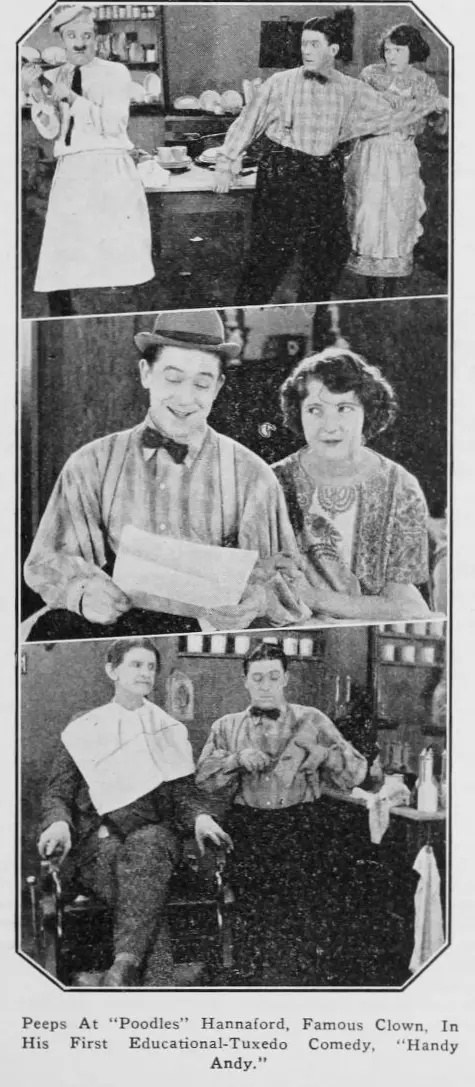
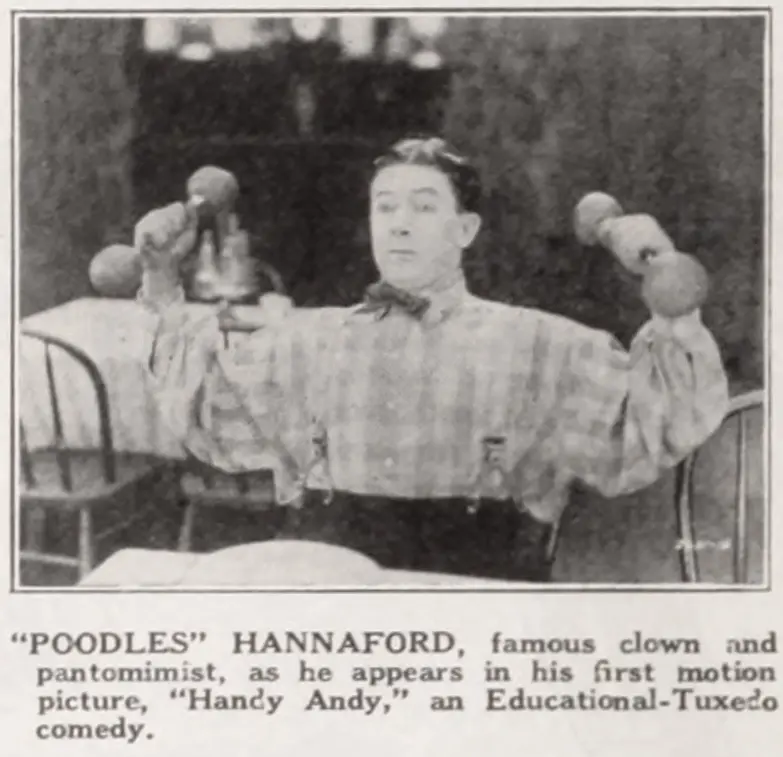
In this self-contained world, the supporting cast members, including Molly Malone, Poodles Hanneford, and Si Jenks, contribute to the tapestry of hotel life. While their roles might be secondary to Davis's central figure, each actor brings a distinct flavor to the establishment. Malone might embody the hotel's gentle charm, perhaps a desk clerk or a cook, whose interactions, however brief, add warmth to the often-impersonal nature of hospitality. Hanneford, with a name suggesting a certain theatricality, could be a more eccentric guest or an occasional entertainer, injecting moments of levity or unexpected drama. Jenks, perhaps a local regular or another staff member, grounds the narrative in the community, providing a sense of place and continuity. Their presence, however fleeting, highlights the collaborative effort required to run such an establishment, showcasing the varied human elements that coalesce around the handyman's steadfast labor.
Thematically, Front! delves into the philosophical underpinnings of labor and service. It challenges the conventional cinematic obsession with extraordinary events, instead finding profundity in the ordinary. The film posits that true fulfillment can be found not in the pursuit of external validation, but in the mastery of one's craft and the consistent application of effort. It's a powerful counter-narrative to the modern glorification of instant gratification and celebrity, reminding us of the enduring value of diligence and humility. The handyman's endless cycle of tasks becomes a metaphor for life itself – a continuous process of doing, maintaining, and adapting, finding meaning in the repetition and the small victories of a job well done.
The cinematography in Front! is deliberately unadorned, favoring a naturalistic approach that allows the audience to observe rather than be led. The camera often maintains a respectful distance, capturing the full scope of Davis's movements within the hotel's spaces. There are no flashy edits or dramatic angles; instead, the visual storytelling relies on sustained shots that allow the scenes to unfold organically, mirroring the unhurried pace of rural life. This observational style, while seemingly simple, is incredibly effective, drawing the viewer into a meditative state where the subtle nuances of daily routines become fascinating. The natural lighting, often capturing the warm glow of morning or the soft shadows of evening, further enhances the film's authentic, lived-in feel, making the hotel a place that feels deeply real and inviting.
When considering the film's stylistic choices, one might draw parallels to the early documentary movements, particularly the ethos present in works like Kino-Pravda No. 13: Yesterday, Today, Tomorrow. A Film Poem Dedicated to the October Revolution. While the latter was overtly political and aimed at shaping public consciousness through the depiction of Soviet life, Front! shares its commitment to capturing the 'truth' of everyday existence, albeit through a more intimate and apolitical lens. Both films, in their own ways, elevate the ordinary, finding heroism not in grand historical figures but in the relentless, often unseen, labor of common people. However, where Vertov's work is a symphony of montage and ideological fervor, Front! is a quiet, contemplative solo performance, a gentle hum rather than a rallying cry.
The film's pacing is deliberately measured, allowing for a deep immersion into the rhythm of the handyman's day. There's a subtle tension, not of impending conflict, but of the ever-present demands of the hotel. This understated dramatic current, the constant need for attention to detail and readiness for the next task, could be subtly compared to the psychological undercurrents explored in a film like The Danger Game, though in a vastly different register. While 'The Danger Game' might hinge on explicit threats or high stakes, 'Front!' suggests a more existential 'danger' – the risk of oversight, the quiet battle against entropy, the constant vigilance required to maintain order in a world prone to disarray. It’s a tension born from responsibility, not from external forces.
Contrasting the intimate, grounded world of Front! with the expansive globetrotting of a film like Around the World in 80 Days highlights its unique strength. While the latter dazzles with exotic locales and thrilling escapades, 'Front!' finds its adventure in the meticulousness of daily tasks, its vastness in the depth of a single individual's experience. It reminds us that discovery isn't solely reserved for grand journeys across continents, but can be found in the profound understanding of a small, self-contained world. The film is a powerful argument for the beauty inherent in the local, the immediate, and the deeply personal.
The film's exploration of rural life also invites comparisons to other narratives steeped in specific geographical or cultural milieus, such as White Oak or Little Sunset, if those films similarly delved into the minutiae of a particular landscape or community. In 'Front!', the rural setting is not merely a backdrop but an active participant, shaping the pace of life, the nature of the work, and the character of its inhabitants. It implies a sense of timelessness, a world less affected by the rapid changes of urban centers, where tradition and consistent effort hold sway. This sense of rootedness is palpable throughout the film, contributing significantly to its serene yet compelling atmosphere.
The enduring relevance of Front! lies in its universal message. In an age increasingly defined by automation and the desire for instant gratification, the film serves as a poignant reminder of the irreplaceable value of human labor, dedication, and the quiet satisfaction derived from a job well done. It's a celebration of the unsung heroes who keep our world functioning, the anonymous artisans whose efforts often go unnoticed. The film's gentle pace and observational style encourage a slower, more thoughtful engagement, a rare commodity in today's fast-paced media landscape. It doesn't preach, but rather invites contemplation, allowing the viewer to draw their own conclusions about the meaning of work, purpose, and community.
This is not a film that demands to be seen with a sense of urgency, but one that rewards patience and careful attention. Its power is cumulative, building subtly with each sweep of the broom, each perfectly mown lawn, each guest attended. It's a film that lingers long after the credits roll, prompting reflections on our own contributions, the hidden labor in our lives, and the quiet dignity of those who serve. It's a testament to the fact that some of the most profound cinematic experiences don't require grand narratives, but simply a keen eye for the beauty and meaning embedded in the everyday.
Ultimately, Front! stands as a quiet triumph, a film that elevates the mundane to the level of art. It's a powerful argument for the idea that every role, no matter how seemingly small, contributes to the larger symphony of existence. George Davis's performance is a masterclass in understated acting, his character becoming an archetype for the countless individuals who tirelessly maintain the delicate balance of our world. It's a film that resonates with a deep, human truth, reminding us to look closer, to appreciate the unseen, and to find beauty in the persistent rhythm of life's quiet work. Its legacy is not in box office numbers or critical accolades alone, but in its ability to gently shift our perspective, making us more attuned to the quiet heroism that surrounds us every day, making it a truly timeless piece of cinema.

IMDb 4
1928
Community
Log in to comment.