DbcultAccessing Vault...
Cult Review
Senior Film Conservator
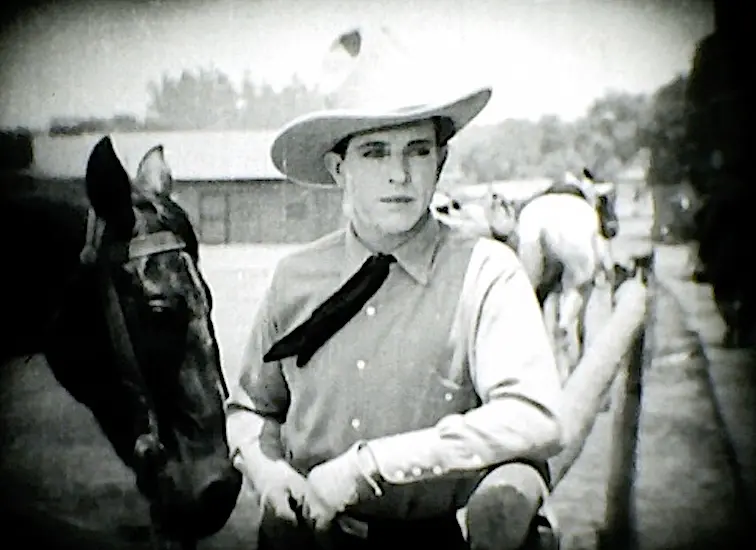
Is The Rustlin' Kid worth watching today? Short answer: yes, but with significant caveats that demand a particular kind of viewer. This 1926 silent Western, starring Fred Humes, offers a fascinating, if sometimes quaint, glimpse into the nascent stages of a genre that would come to define American cinema. It's a film for the historically curious, for those who appreciate the foundational bricks of Hollywood, rather than seeking a polished, contemporary narrative experience.
This film works because it offers a fascinating glimpse into the nascent stages of the Western genre, showcasing storytelling conventions that would become foundational. It fails because its pacing and acting style, typical of its era, can feel jarringly simplistic to modern sensibilities. You should watch it if you are a silent film enthusiast, a Western historian, or someone deeply interested in the evolution of cinematic storytelling, particularly how basic plot devices like mistaken identity were employed before the advent of sound.
The narrative thrust of The Rustlin' Kid is built upon a delightful, albeit predictable, series of misunderstandings. Our protagonist, Ted Hilton, finds himself in a classic Western bind: broke and desperate. His deceased uncle's will presents a peculiar escape route – a hefty fortune, contingent on his marriage to a certain Jane Bond. The very name, in Ted's mind, conjures images of a severe, parchment-skinned spinster, a prospect he finds so abhorrent he indignantly rejects the inheritance, choosing penury over an imagined marital purgatory.
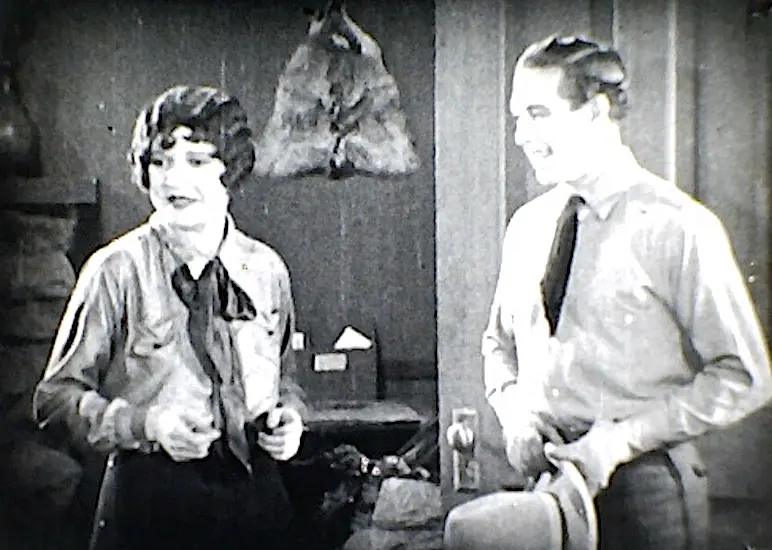
This initial rejection sets the stage for the film's core comedic and romantic engine. Almost immediately, Ted's idealism is tested by reality. He performs a genuinely heroic act, saving a child from a runaway buckboard, only to discover the grateful driver is none other than the attractive and vivacious Jane Bond herself. Crucially, she introduces herself as 'Suzie Smith,' a clever ruse that allows the film to milk maximum dramatic irony from their subsequent interactions.
Ted, completely taken by 'Suzie,' confides his bizarre inheritance dilemma, lamenting the fate that would bind him to the supposedly 'awful cluck' Jane Bond. 'Suzie,' playing along with a mischievous glint, agrees wholeheartedly. This central conceit, while simple, is surprisingly effective, relying on the audience's shared knowledge to create a sense of knowing anticipation. It’s a trope as old as Shakespeare, yet it still manages to charm.
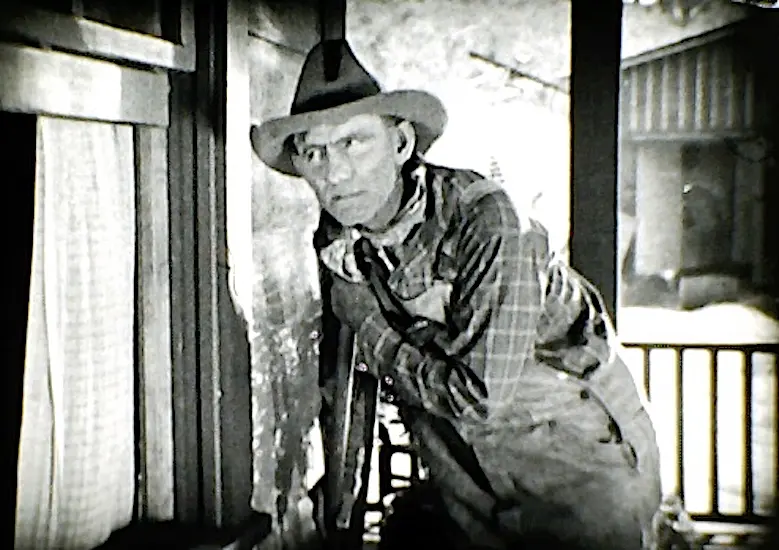
The plot then introduces a more traditional Western element: villainy. Jane's foreman, Joe Sage, is revealed as a treacherous character, leading an outlaw crew. They see an opportunity in Jane's substantial cattle money and attempt to recruit Ted, offering him a slice of the loot to steal it. Here, Ted's true character shines through. He's no common thief. He thwarts their plan, escapes, and rides to warn the real Jane Bond, encountering 'Suzie' (Jane) just as she's cleverly hidden the money behind a picture. The subsequent arrival of Sage, the accusation of theft, and the sudden disappearance of the money propel the film into its action-packed climax, culminating in a satisfying, if somewhat convoluted, resolution involving a surprising reveal.
Fred Humes, a lesser-known but prolific cowboy star of the silent era, carries The Rustlin' Kid with a natural, understated charisma. His Ted Hilton is not the brooding, complex anti-hero of later Westerns, nor the impossibly stoic figure of some of his contemporaries. Instead, Humes portrays Ted with an earnestness that makes his initial indignation believable and his subsequent heroism feel earned.
Humes' acting, typical of the period, relies heavily on physical expression and broad gestures, yet he manages to convey Ted's internal conflict and burgeoning affection for 'Suzie' without resorting to caricature. One particular scene, where he first encounters 'Suzie' and his rigid assumptions about Jane Bond visibly soften, is a testament to his ability to communicate nuance through silent performance. It's a subtle shift, a softening of his posture and a widening of his eyes, that speaks volumes.
Compared to more iconic silent Western stars like Tom Mix or William S. Hart, Humes' style is perhaps less flamboyant, but no less effective for the material at hand. He embodies the 'everyman hero' of the frontier, a man who, despite being down on his luck, retains a strong moral compass. This grounded portrayal helps to anchor the more farcical elements of the plot, making Ted a character the audience can genuinely root for. His physical prowess during the final fight sequence, though choreographed simply by today's standards, is convincing and energetic, showcasing the athleticism expected of a silent cowboy star.
While the director is uncredited in many records, the visual storytelling in The Rustlin' Kid, penned by Betty Mauff, is remarkably clear and efficient for its time. Silent films, by necessity, relied heavily on visual cues, title cards, and the innate understanding of cinematic language. This film excels at establishing its settings and character motivations with minimal fuss. The shots of Mesaville, though undoubtedly studio sets, convey a sense of a bustling frontier town, while the open plains evoke the vastness and danger of the American West.
The cinematography, while not groundbreaking, is competent, utilizing standard medium shots and close-ups to highlight key emotional beats. There's a particular sequence during the buckboard chase where the camera maintains a consistent, dynamic view, effectively conveying the urgency and danger of the runaway vehicle. This kind of practical, in-camera action was a hallmark of the era, and it still holds a raw appeal.
Pacing is another strength. Despite the absence of spoken dialogue, the narrative moves with a briskness that prevents any scene from overstaying its welcome. The film understands the need to keep the audience engaged through continuous action or plot development. The transition from Ted's initial dilemma to his encounter with 'Suzie' and then to the introduction of the outlaw threat feels organic and well-managed. This contrasts sharply with some contemporary silent films, which could often drag, especially in their dramatic exposition. The editing, while straightforward, is purposeful, ensuring that each cut advances the story without confusion.
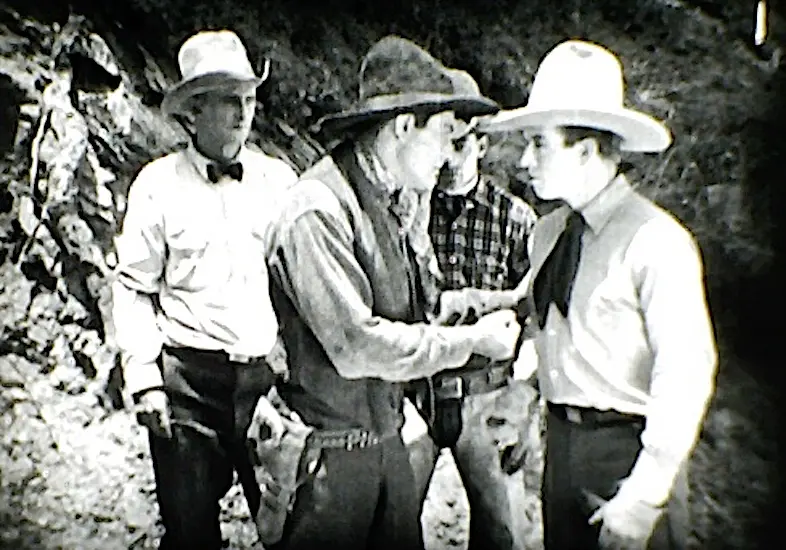
At its heart, The Rustlin' Kid explores classic Western themes: honor, justice, and the triumph of good over evil. But it adds a layer of romantic comedy through the mistaken identity trope, a refreshing twist on the often-gritty Western formula. The film subtly critiques societal judgments based on reputation, as Ted's initial disdain for 'Jane Bond' is proven utterly wrong by the vibrant woman he meets. This theme of looking beyond superficial labels is surprisingly resonant, even today.
The film also touches upon the idea of personal integrity. Ted, despite his dire financial straits, never truly wavers in his moral compass. When offered an easy path to wealth through crime, he rejects it outright, choosing the harder, more honorable route. This steadfastness is a quintessential trait of the Western hero, and Humes embodies it convincingly. It’s a simple message, but a powerful one.
For those interested in the evolution of the Western, comparing The Rustlin' Kid to films like Beauty and the Bandit or The Chickasha Bone Crusher from the same period reveals common narrative threads and character archetypes that were being cemented. These films were not just entertainment; they were myth-making machines, shaping the American self-image through tales of rugged individualism and frontier justice.
Yes, The Rustlin' Kid is absolutely worth watching today, but with a specific mindset. It's not a film to casually put on for a modern blockbuster experience. Instead, approach it as a historical artifact, a charming relic from a bygone era of filmmaking. It offers valuable insights into the storytelling techniques and popular entertainment of the 1920s.
For silent film aficionados, it's a delightful watch, showcasing competent acting and clear narrative progression without the need for dialogue. For Western genre historians, it's a foundational text, illustrating the early conventions of the genre before the talkies transformed everything. If you enjoy delving into cinema history, understanding how stories were told before sound, or simply appreciate the earnest simplicity of early Hollywood, then this film will reward your patience.
However, if you're accustomed to fast-paced, dialogue-heavy, and visually complex modern cinema, The Rustlin' Kid might test your patience. The silent acting conventions, the reliance on title cards, and the straightforward plot might feel slow or even simplistic. It is decidedly not for viewers seeking contemporary thrills or deep psychological character studies. It works. But it’s flawed.
The Rustlin' Kid is more than just a dusty artifact; it's a vibrant snapshot of early Western cinema, brimming with the earnest charm and straightforward storytelling that defined the genre's formative years. While its silent film conventions might initially deter some, those willing to engage with its historical context will find a surprisingly engaging tale of mistaken identity, unexpected romance, and frontier justice. Fred Humes delivers a commendable performance, cementing his place as a solid, if unsung, cowboy hero. It's not a film that will redefine your understanding of cinema, but it will certainly deepen your appreciation for where it all began. Consider it a delightful, if sometimes quaint, journey back to the roots of the American Western. It's a film that deserves to be seen, not just remembered, for its foundational role in shaping the cinematic West.
IMDb 6.3
1925
Community
Log in to comment.