DbcultAccessing Vault...
5.8/10
Senior Film Conservator
A definitive 5.8/10 rating for a film that redefined the boundaries of cult cinema. The Sacred Order remains a cornerstone of transgressive art.
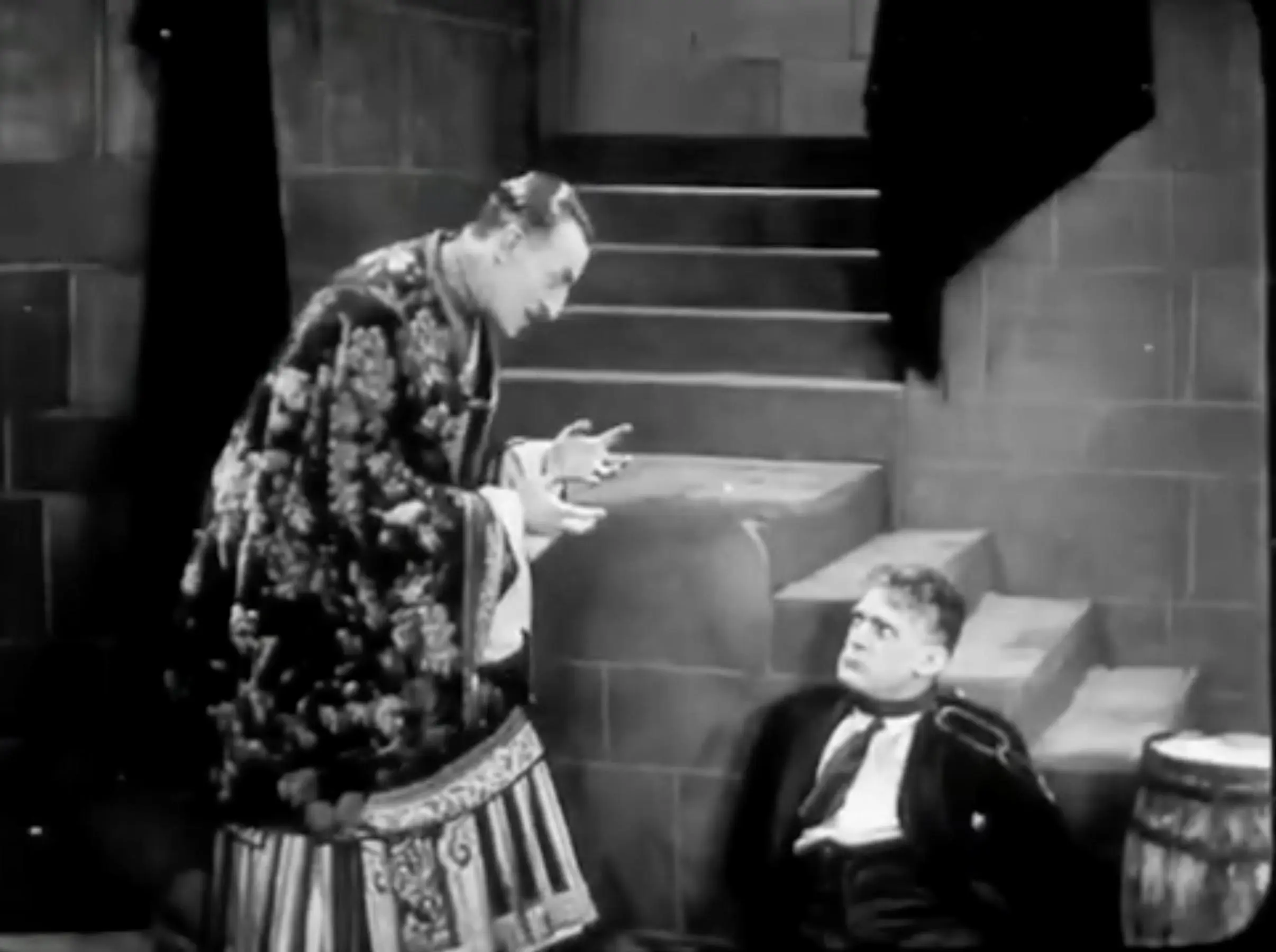
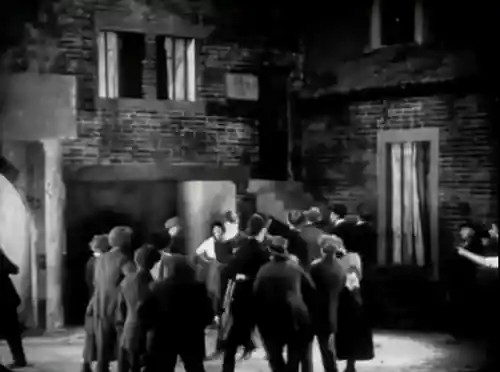
The Sacred Order unfurls as a chiaroscuro tableau, each frame drenched in an atmospheric tension that harks back to the serials of the early 1930s. Director A.E. Coleby orchestrates a visual rhythm that oscillates between the claustrophobic corridors of Fu‑Manchu's stronghold and the expansive, mist‑laden streets where the Si‑Fan mobilise. The cinematography, though constrained by the era’s technical limitations, employs a deft contrast of deep blacks and the occasional glint of the Order’s eerie glow, rendering the set a character in its own right. This interplay of light and shadow is not merely aesthetic; it mirrors the moral ambiguity that pervades the narrative, where allegiance shifts like the flicker of a candle in a storm.
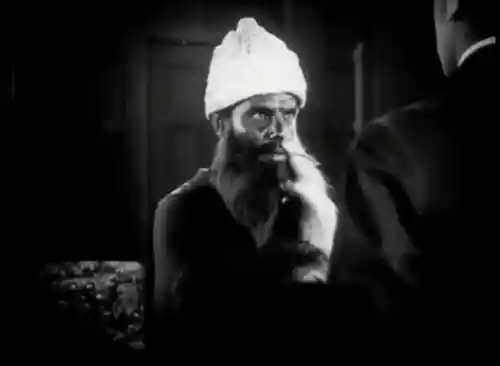
Joan Clarkson, embodying the indomitable Lady Elaine, delivers a performance that transcends the script’s occasional melodrama. Her eyes, often narrowed in calculated resolve, convey a silent narrative of sacrifice that words fail to capture. Humberton Wright’s Nayland Smith, a paragon of stoic bravery, balances the archetype of the British detective with a subtle vulnerability that surfaces in moments of quiet contemplation. The supporting cast—H. Manning as the inscrutable Si‑Fan leader, H. Agar Lyons as the treacherous lieutenant—injects a layer of gravitas, each line delivered with a measured cadence that enhances the film’s gravitas.
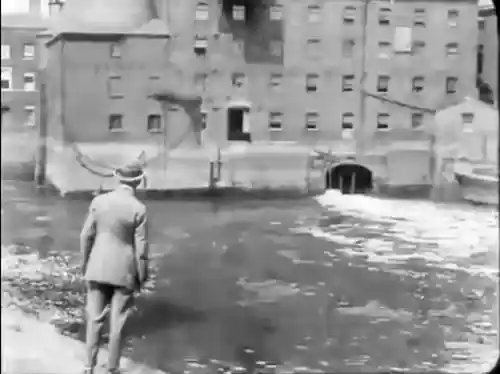
The plot’s architecture is a masterclass in serial storytelling. The theft of the Sacred Order serves as both a MacGuffin and a thematic fulcrum, symbolising the fragile equilibrium between power and morality. The Si‑Fan’s intervention is not merely an external force; it represents an ideological counterweight to Fu‑Manchu’s nihilistic ambition. The film interrogates the notion of destiny versus agency—Smith’s audacious act of theft is a catalyst that forces characters to confront their predetermined roles. This thematic inquiry aligns with contemporary explorations of agency in classic cinema, reminiscent of the moral quandaries presented in The Only Road and Forbidden.
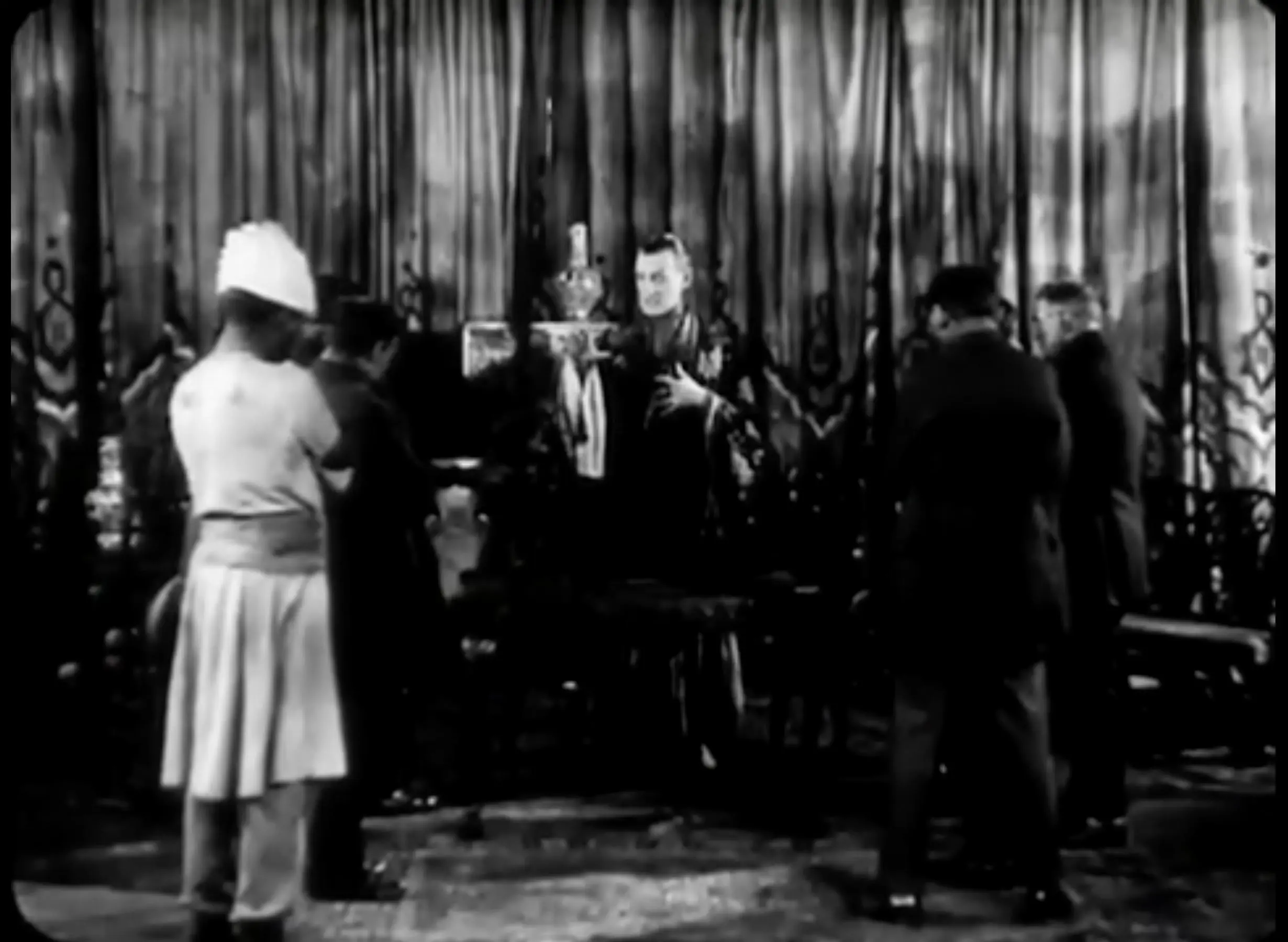
While the film’s palette is ostensibly monochrome, Coleby introduces strategic splashes of colour through set design—most notably the Sacred Order’s phosphorescent aura, rendered in a spectral hue that hints at the film’s underlying supernatural undertones. Costumes are meticulously crafted; the Si‑Fan’s robes, dyed in muted sea‑blue tones, contrast starkly with Fu‑Manchu’s opulent, gold‑embellished attire, visually delineating the dichotomy between oppression and resistance. These visual decisions are not incidental; they echo the colour theory employed in The High Horse, where colour delineates moral polarity.
The auditory texture of The Sacred Order is a tapestry woven from low, rumbling brass and intermittent percussive stabs that punctuate moments of heightened tension. The leitmotif associated with the Sacred Order—a haunting, minor‑key melody—recurs with increasing intensity, signalling the encroaching doom that envelops Fu‑Manchu. This musical strategy anticipates the auditory motifs later popularised in serials such as Girls Don't Gamble, where music functions as an emotional barometer.
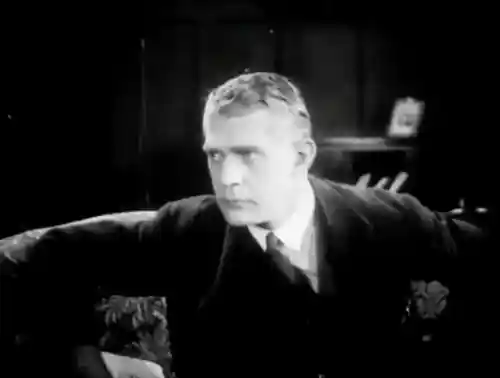
The film’s pacing is a delicate equilibrium between methodical exposition and rapid, kinetic action sequences. The opening act, replete with dialogue‑heavy scenes, establishes the stakes and character motivations. As the narrative progresses, editing becomes increasingly brisk; cross‑cuts between the Si‑Fan’s coordinated assault and Fu‑Manchu’s frantic attempts to reclaim the Order generate a palpable sense of urgency. The climax—a meticulously choreographed battle within the Order’s inner sanctum—exemplifies Coleby’s deft hand at sustaining suspense while delivering a cathartic release.
When situated alongside contemporaneous serials, The Sacred Order distinguishes itself through its thematic depth and visual ambition. While The Rainbow Trail offers a straightforward adventure narrative, The Sacred Order delves into the psychological ramifications of power theft, presenting a nuanced portrait of villainy that transcends caricature. Its exploration of cultural otherness, albeit filtered through the lens of 1930s Orientalism, invites discourse on representation—a conversation echoed in modern critiques of Autour de la roue.
The Sacred Order’s influence reverberates through subsequent genre entries that grapple with the concept of a singular, world‑altering artifact. Its narrative template—heroic theft, secret societies, ultimate showdown—can be traced to later cinematic endeavors, including the espionage thrillers of the Cold War era. Moreover, the film’s daring portrayal of a female protagonist who actively participates in the climactic conflict predates the more overt feminist narratives seen in later decades, positioning Joan Clarkson as an early exemplar of empowered screenwomen.
The production design merits commendation for its intricate set pieces. The inner sanctum of the Sacred Order is a labyrinth of stone arches, flickering torches, and enigmatic glyphs—each element meticulously constructed to evoke an atmosphere of ancient dread. Practical effects, particularly the Order’s explosive climax, employ a combination of pyrotechnics and clever camera angles to simulate a cascade of luminous shards, a technique that, while rudimentary by today’s standards, showcases the ingenuity of early special‑effects artisans.
Contemporary reviews lauded the serial’s audacious narrative turn, praising its departure from formulaic rescues in favour of a morally complex resolution. Modern scholars have revisited the film, interpreting the Sacred Order as an allegory for colonial anxieties—a tangible embodiment of the West’s fear of Eastern mysticism. This interpretive framework aligns with analyses of The Conscience of John David, where symbolism operates as a conduit for sociopolitical commentary.
The Sacred Order stands as a testament to the creative ambition of early serial filmmaking. Its synthesis of compelling performances, atmospheric visuals, and a narrative that interrogates power dynamics renders it a work of enduring relevance. For aficionados of classic cinema, the film offers a richly textured experience that rewards repeated viewings, each revealing new layers of meaning beneath its glossy surface. Whether approached as a historical artifact or as a narrative triumph, The Sacred Order commands attention, inviting viewers to contemplate the delicate balance between destiny and agency, darkness and redemption.
IMDb —
1924
Community
Log in to comment.