DbcultAccessing Vault...
Cult Review
Senior Film Conservator
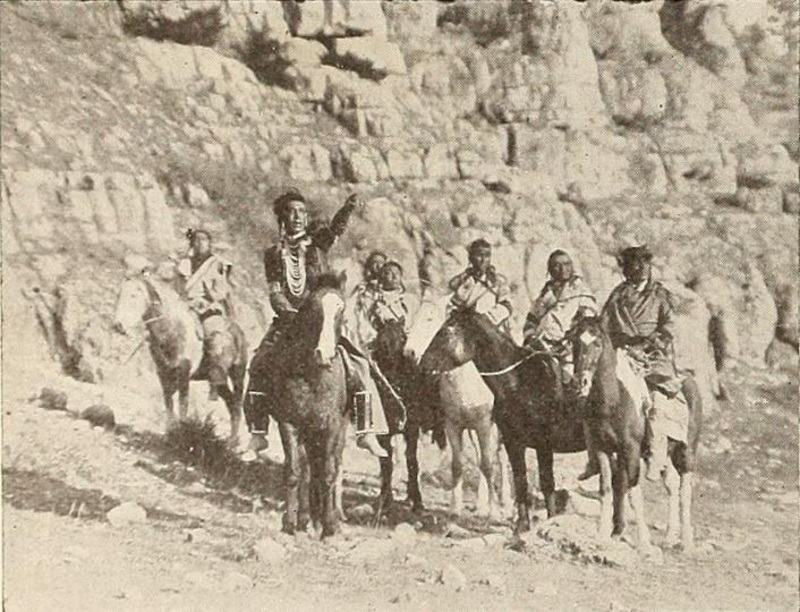
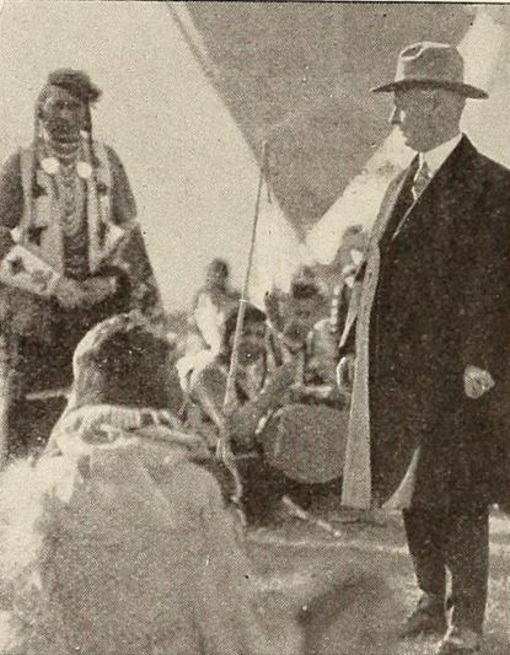
In an era brimming with cinematic spectacles and narrative contrivances, there emerges a rare breed of film that dares to simply observe, to patiently bear witness to the raw, unadorned tapestry of human existence. Paul Powell’s Indian Life stands as a profound testament to this philosophy, a documentary that transcends mere exposition to become an immersive cultural experience. It is an extraordinary foray into the Cheyenne and Crow reservations, spanning the vast, undulating landscapes of Montana, South Dakota, and Wyoming. This isn't just a film; it's a window, painstakingly crafted, into worlds often misunderstood, frequently overlooked, and perpetually resilient. Powell, a figure often associated with the dramatic narratives of the silent era, here pivots with remarkable sensitivity to the documentary form, offering a gaze that feels both intimate and respectful, a critical balance often elusive in ethnographic cinema.
The film doesn't arrive with a thunderous pronouncement or a didactic agenda. Instead, it unfolds with the quiet dignity of the lives it portrays. We are granted access, not as intrusive spectators, but as contemplative observers, invited to witness the intricate dance of daily routines, the sacred rituals, and the communal bonds that define life on these reservations. The camera becomes an extension of the observer's eye, capturing the subtle nuances of expression, the practiced grace of ancestral crafts, and the quiet wisdom etched into the faces of elders. It’s a powerful antidote to the often-superficial portrayals of indigenous cultures, opting instead for a textured realism that honors the complexity and depth of these communities. The landscapes themselves become characters, vast and imposing, yet intimately connected to the spiritual and practical lives of the Cheyenne and Crow people. The sweeping plains, the distant mountains, the winding rivers – each element is imbued with a significance that transcends mere scenery, speaking volumes about the enduring relationship between the people and their ancestral lands.
One cannot help but draw a thematic parallel, however distant in form, to films that explore stark human conditions and the perseverance of spirit against formidable backdrops. While Barranca trágica might depict a different kind of struggle, its raw depiction of life lived on the edge, shaped by environmental and social forces, resonates with the underlying strength we perceive in 'Indian Life'. There's a shared sense of an unyielding human spirit confronting the realities of existence, albeit from vastly different cultural and geographical vantage points. Powell's approach is less about overt tragedy and more about sustained endurance, a quiet affirmation of life in all its multifaceted forms.
The film’s strength lies in its unhurried pace, allowing moments to breathe, to linger, and to imprint themselves upon the viewer's consciousness. There are no dramatic crescendos or manufactured conflicts. Instead, we are presented with a series of vignettes that, when woven together, form a comprehensive and deeply respectful mosaic. We see children at play, elders sharing stories, families engaged in traditional ceremonies, and individuals navigating the economic realities of contemporary reservation life. John E. Maple, credited in the cast, likely serves as a crucial guide or a central figure whose presence helps ground the narrative, offering a human focal point through which the broader cultural landscape can be apprehended. His interaction, or perhaps simply his presence, would have been instrumental in bridging the gap between the observer and the observed, fostering a sense of authenticity that is paramount in such a sensitive subject matter.
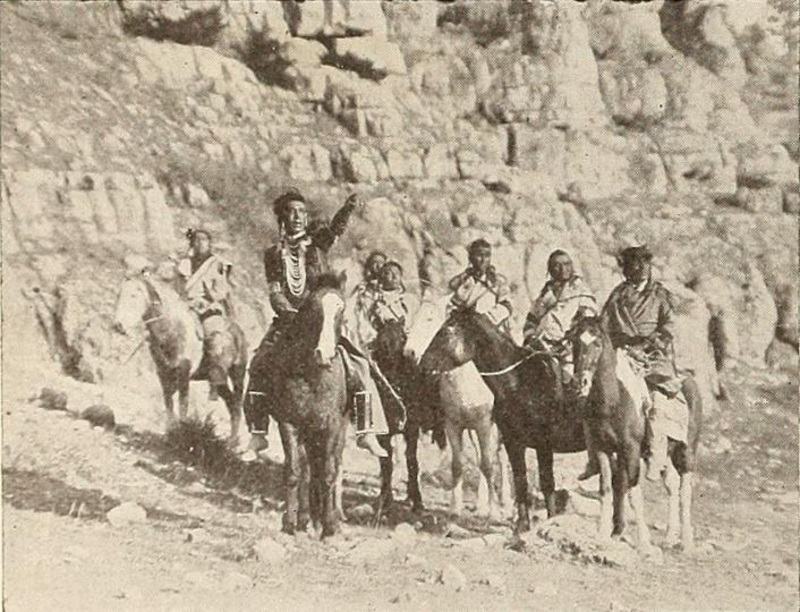
The challenge for any documentarian venturing into such hallowed cultural territory is to avoid exoticism, to resist the urge to frame indigenous life through a colonial lens. Powell, commendably, seems to navigate these treacherous waters with a judicious hand. The film avoids grand pronouncements, preferring instead to let the images and the actions speak for themselves. This observational purity is where the film truly shines. It allows for an organic understanding to develop, rather than forcing a pre-conceived narrative upon the viewer. This approach mirrors, in a sense, the contemplative, less overtly dramatic narrative styles found in certain European art house films, even if their subjects diverge wildly. One might consider the quiet, unyielding observation in a film like Le scandale, which, despite its fictional premise, relies on the viewer's engagement with subtle behaviors and atmospheric tension rather than overt plot points. Here, the tension is not dramatic, but societal, historical, and deeply personal.
The historical context, though not explicitly detailed, is an ever-present undercurrent. These reservations are not isolated islands but communities shaped by centuries of history, resilience, and often, profound struggle. Powell's lens, by focusing on the vibrant present, implicitly acknowledges this past, allowing the viewer to infer the weight of history and the ongoing efforts towards cultural preservation and self-determination. The film becomes an invaluable historical document, capturing a snapshot of a particular time and place, preserving traditions and ways of life that continue to evolve. It offers a counter-narrative to the often-singular stories told about American Indians, presenting a multifaceted reality that defies easy categorization.
The aesthetic choices, while perhaps constrained by the technological limitations of its time, contribute to its raw authenticity. There is a grainy honesty to the footage, an unpolished immediacy that draws the viewer closer to the subject. This isn’t a slick, highly produced piece of modern cinema; it’s a direct, unfiltered encounter. This rawness can be compared to the early, pioneering efforts in cinema, where the novelty of capturing reality on film was paramount. Think of the groundbreaking, if often rudimentary, visual storytelling in films like Les Vampires, where the sheer act of cinematic capture, even in a fictional context, held a captivating power. Here, that power is harnessed for truth, for ethnographic insight rather than sensationalism.
The enduring impact of Indian Life lies in its ability to foster empathy and understanding. It encourages viewers to look beyond stereotypes and to engage with the humanity of the Cheyenne and Crow people. It's a powerful reminder that culture is a living, breathing entity, constantly adapting, yet firmly rooted in tradition. The film’s quiet power resonates long after the final frame, prompting reflection on our shared human experience and the diverse ways in which life is lived, celebrated, and preserved. It’s a crucial piece for anyone seeking a more nuanced understanding of indigenous cultures in America, challenging preconceived notions and opening pathways to genuine appreciation.
Moreover, the film serves as a poignant reminder of the importance of self-representation and the need for indigenous voices to tell their own stories. While Powell’s gaze is respectful, the ultimate evolution of such documentation lies in empowering the subjects themselves to control the narrative. This film, however, represents a significant step forward for its time, moving beyond exploitative or purely anthropological studies to a more humanistic portrayal. It’s a foundational text in the understanding of how early cinema attempted to engage with diverse cultures, setting a precedent for future, more collaborative efforts. The very act of documenting, regardless of the era, carries immense responsibility, and Powell’s work here suggests a nascent understanding of that ethical imperative.
The geographical scope, encompassing Montana, South Dakota, and Wyoming, is not merely a logistical detail but a statement about the vastness and diversity within these indigenous nations. It underscores that 'American Indian life' is not monolithic, but a rich tapestry of distinct cultures, languages, and traditions. The film, by focusing on the Cheyenne and Crow, offers a granular view that contrasts sharply with broader, often generalized narratives. This specificity is another mark of its quality, avoiding the pitfall of attempting to represent an entire continent's indigenous population with a single brushstroke. Each frame, each face, each landscape segment contributes to a nuanced understanding of these particular communities, their unique challenges, and their singular triumphs.
In an age where visual media saturates our lives, the simplicity and directness of Indian Life feel remarkably refreshing. It’s a return to the essence of documentary filmmaking: to observe, to record, and to present. There are no special effects, no elaborate musical scores manipulating emotion; just the raw, compelling presence of people and their environment. This stripped-down approach allows the inherent dignity and resilience of the Cheyenne and Crow people to shine through unimpeded, fostering a connection that is both intellectual and deeply emotional. It’s a masterclass in subtlety, demonstrating that the most profound statements are often made not through overt declaration, but through careful, empathetic observation.
The film’s enduring relevance is undeniable. In a world still grappling with issues of cultural understanding, historical injustices, and the ongoing struggle for indigenous rights, Indian Life offers a vital touchstone. It reminds us that behind every statistic, every political debate, there are living, breathing communities with rich histories and vibrant cultures. It compels us to look, to listen, and to learn, offering a timeless portrayal that continues to resonate with contemporary audiences seeking authenticity and depth. Paul Powell's documentary is not just a historical artifact; it is a living document, a testament to the enduring spirit of the Cheyenne and Crow nations, and a powerful argument for the profound impact of respectful, observational cinema. It invites us to consider the profound wisdom held within traditional ways of life and the unyielding strength required to maintain cultural identity in the face of relentless external pressures. This is not just a film about 'them'; it is, in its quiet power, a film about us, about humanity, and about the shared journey of existence. It is a work that deserves rediscovery and continued study, a quiet masterpiece of ethnographic filmmaking that continues to challenge and enlighten.
The narrative, or lack thereof, becomes a character in itself. Powell refrains from imposing a conventional story arc, instead presenting a mosaic of moments, allowing the viewer to construct their own understanding. This is a bold choice, particularly for a filmmaker from a dramatic background, and it speaks to a deep respect for the subject matter. It's a trust placed in the intelligence and empathy of the audience, an invitation to engage actively with the material rather than passively consume a pre-digested plot. This cinematic generosity is a hallmark of truly impactful documentaries, distinguishing them from mere informational videos. It's the difference between being told a story and being given the tools to understand a reality.
Ultimately, Indian Life is more than a historical document; it is a profound act of cultural preservation. It captures ephemeral moments, traditions, and expressions that might otherwise be lost to time or distorted by less sensitive portrayals. It stands as a powerful counterpoint to sensationalized or romanticized narratives, offering instead a grounded, human-centered perspective. The film, through its unwavering gaze and profound respect, solidifies its place as an essential work in the canon of ethnographic cinema, a quiet yet resonant masterpiece that continues to educate and inspire. It is a reminder that the most compelling stories are often found not in grand narratives, but in the intricate, everyday lives of people connected to their land, their history, and their community, captured with an unflinching and empathetic lens. The legacy of this film is not just in what it shows, but in how it shows it: with dignity, authenticity, and an enduring sense of reverence for its subjects. It is a film that truly lives up to its title, offering a glimpse into the very heart of 'Indian Life'.
IMDb —
1936
Community
Log in to comment.