A definitive 5.3/10 rating for a film that redefined the boundaries of cult cinema. The Santa Fe Trail remains a cornerstone of transgressive art.
So, The Santa Fe Trail from way back in 1930. Is it a must-see today? Probably not for the casual moviegoer. 😬
If you’re really into early talkies, or just want to see how Westerns looked before John Wayne became *the* John Wayne, then yeah, maybe give it a spin. Otherwise, folks looking for fast action or deep characters might find it a real snooze.
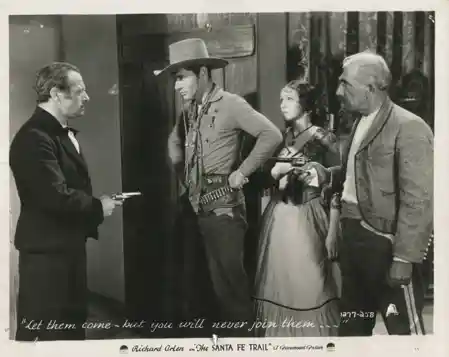
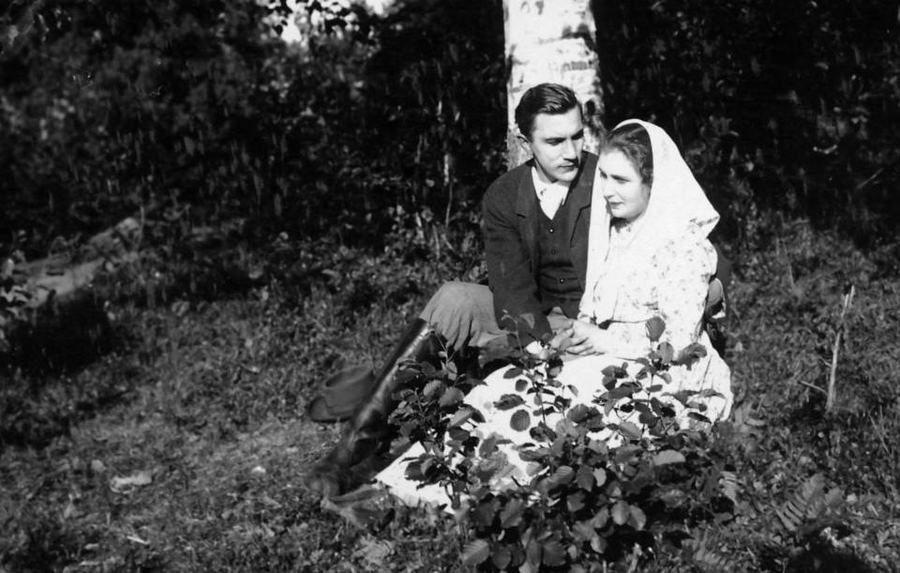
Scene from The Santa Fe Trail
Cinematic perspective: Exploring the visual vocabulary of The Santa Fe Trail (1930) through its definitive frames.
A Walk Through Early Sound
The sound, man. It’s got that classic early sound picture vibe. A little tinny, a bit quiet in places, then suddenly loud for a gunshot.
You really feel like you’re listening to something from a long time ago. It’s a bit rough around the edges, but that’s part of the charm, I guess.
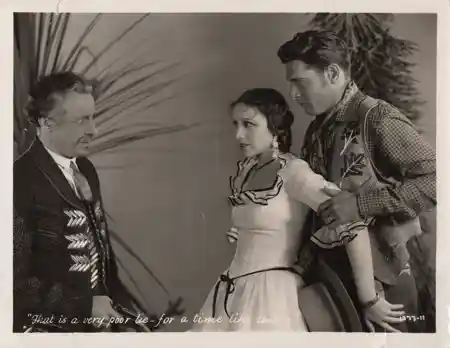
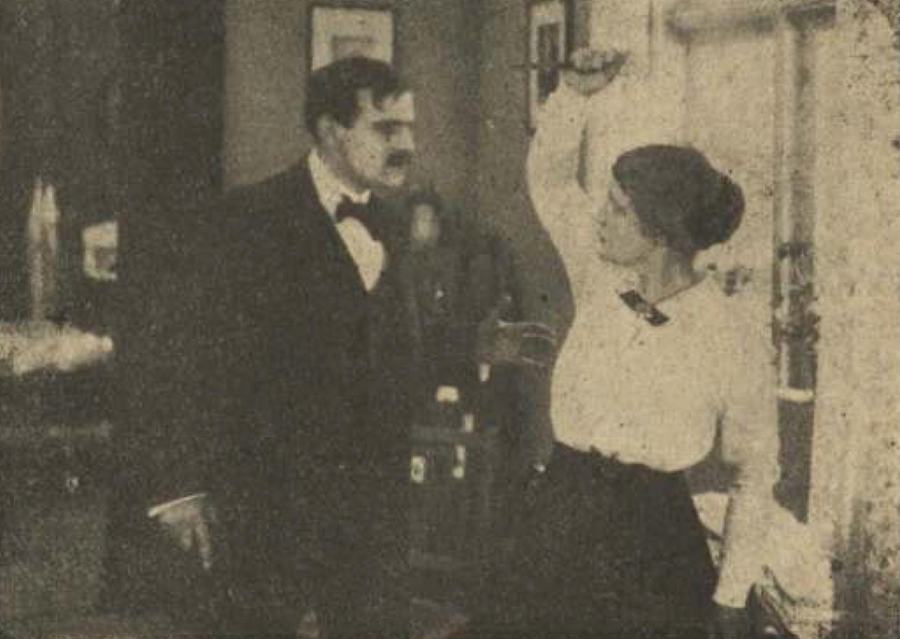
Scene from The Santa Fe Trail
Cinematic perspective: Exploring the visual vocabulary of The Santa Fe Trail (1930) through its definitive frames.
And the camera, it mostly just… stays put. Lots of static shots, like watching a play on film. Which, for 1930, was kinda the thing.
Pacing and Performances
The film really takes its time. There are these long, long shots of horses riding across the plains. Just riding. You get a good look at the scenery, sure, but after a bit, you start wondering if they’re ever gonna get where they’re going.
Scene from The Santa Fe Trail
Cinematic perspective: Exploring the visual vocabulary of The Santa Fe Trail (1930) through its definitive frames.
It’s not a bad thing, just different from what we’re used to now.
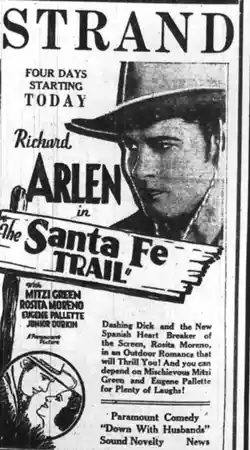
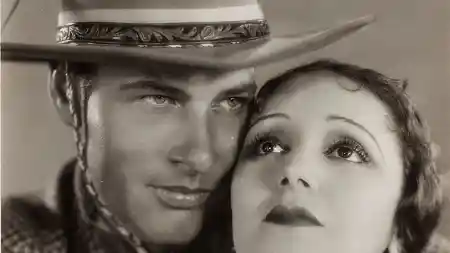
Richard Arlen as the hero is… fine. He’s got the chin and the stare, the classic good-guy look. He does the right thing, no fuss, exactly what you'd expect from the leading man.
Scene from The Santa Fe Trail
Cinematic perspective: Exploring the visual vocabulary of The Santa Fe Trail (1930) through its definitive frames.
You don't get much internal stuff with him, you know? Just a good, solid lead for the time.
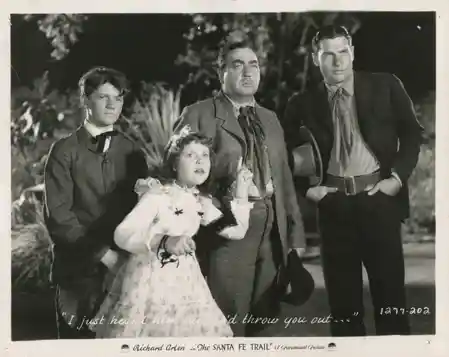
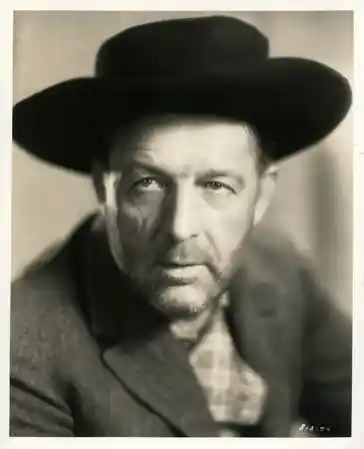
Eugene Pallette, though! His voice just booms right through the decades. He plays this gruff sergeant, and every line he delivers feels like it’s coming from deep down.
Scene from The Santa Fe Trail
Cinematic perspective: Exploring the visual vocabulary of The Santa Fe Trail (1930) through its definitive frames.
He’s great at giving a look, too. A quick eye-roll or a knowing smirk – he doesn’t need a lot of dialogue to get his point across. He almost feels like he wandered in from a slightly later, more polished movie.
Little Moments
There's this one moment where a character tries to light a cigarette, and the match just won't catch. It takes like, three tries. Such a small thing, but it feels so real, a little messy, unlike the usually very *proper* acting.
And the outdoor shots are actually pretty nice. You get a real sense of the wide open spaces. Then it cuts to an indoor set that looks, well, very much like a set.
Some of the 'villains,' the native folks, they kind of just stand there sometimes, like they're waiting for their cue. You can tell it's a different era of filmmaking, very much a product of its time. Not always smooth.
It’s a historical curiosity, really. Not a masterpiece, but it’s a peek into a very specific moment in movie history. You see the rough edges of early sound, the straightforward storytelling. It’s got a certain honesty to it, even if it feels a little *stiff* sometimes.
If you've seen other films from this period, say Blackmail (though that one is British, and a whole other beast), you'll recognize some of the early sound growing pains. This one has its own charm, though.