DbcultAccessing Vault...
7.3/10
Senior Film Conservator
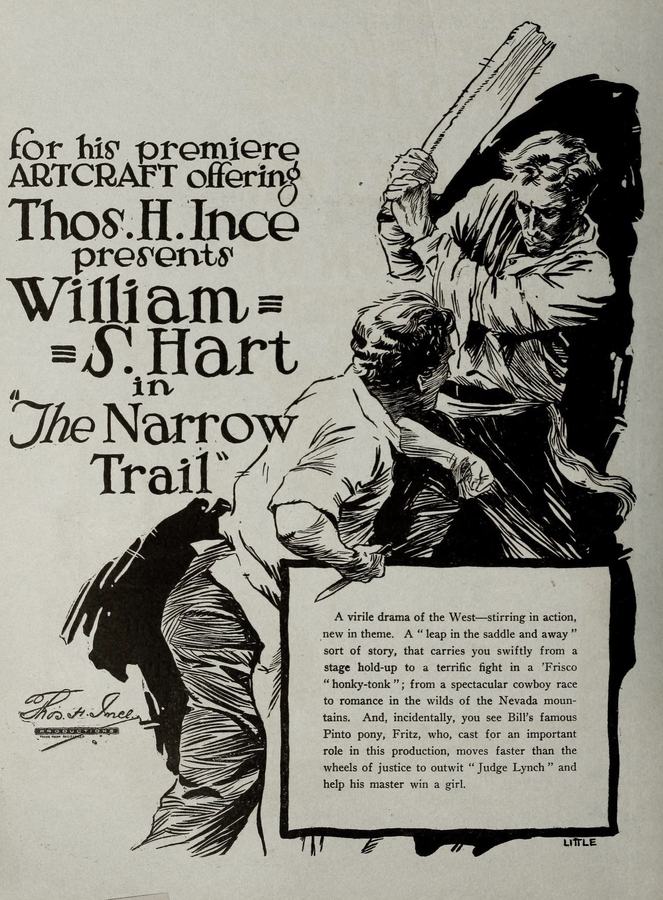
A definitive 7.3/10 rating for a film that redefined the boundaries of cult cinema. The Narrow Trail remains a cornerstone of transgressive art.
In the annals of silent cinema, particularly within the nascent genre of the Western, certain figures loom larger than life, shaping narratives and imprinting their indelible personas onto the silver screen. William S. Hart was undeniably one such titan. With a solemn gaze and a weathered countenance that seemed to carry the weight of every dusty trail he'd ever ridden, Hart didn't just play cowboys; he embodied the very spirit of the frontier's moral complexities. His films, often gritty and imbued with a stark realism that set them apart from their more romanticized contemporaries, were less about heroic derring-do and more about the internal struggles of men navigating a world teetering between lawlessness and nascent civilization. Among his most poignant works stands The Narrow Trail (1917), a film that, even a century later, resonates with a profound emotional depth, exploring themes of loyalty, disillusionment, and the redemptive power of an unexpected bond.
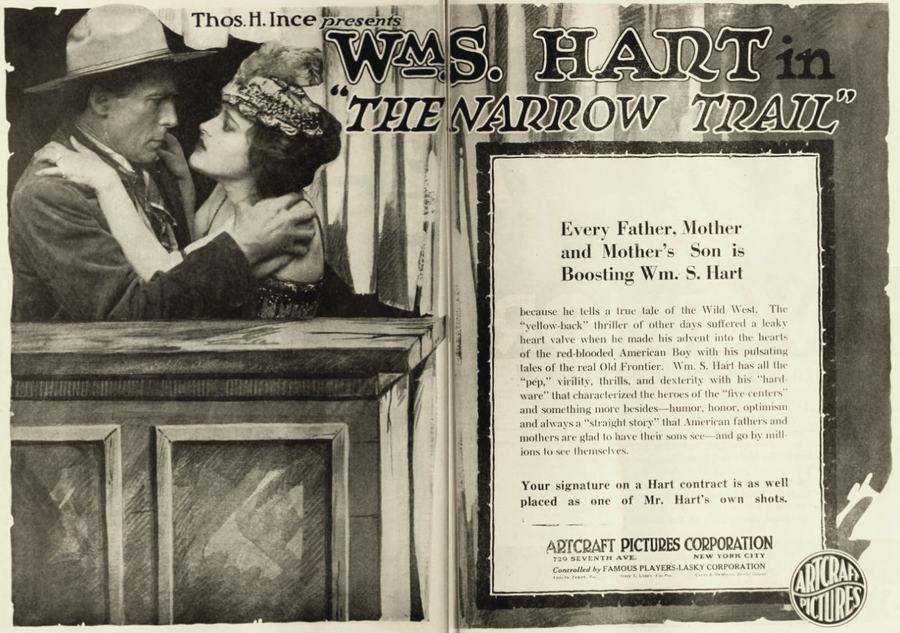
At the heart of this compelling narrative is Ice Harding, portrayed with characteristic gravitas by Hart himself. Harding is no two-dimensional villain; he is a man of the mountains, a leader of outlaws, yes, but one whose moral compass, though perhaps skewed by circumstance, is far from broken. He is a figure carved from the harsh realities of the American West, a man whose existence is defined by a certain rugged independence. Hart excelled at portraying these 'good-bad men' – individuals whose criminal actions were often tempered by an innate sense of justice or a deep capacity for loyalty. Ice Harding's initial motivations are shrouded in the typical outlaw mystique, yet his character quickly distinguishes itself through an act of profound connection: his obsession with and eventual taming of a magnificent wild pinto horse. This isn't merely about possessing a fine animal; it's about a communion of spirits, an unspoken understanding forged in the crucible of the wild. This singular focus on the horse, named 'The King,' elevates Harding from a mere bandit to a figure of unexpected sensitivity and conviction, a man whose principles, however selectively applied, are fiercely held. He stands as a testament to the complex psychology Hart so masterfully brought to the screen, often portraying characters who, like those in his other works such as The Habit of Happiness, grapple with internal conflicts that define their external actions.
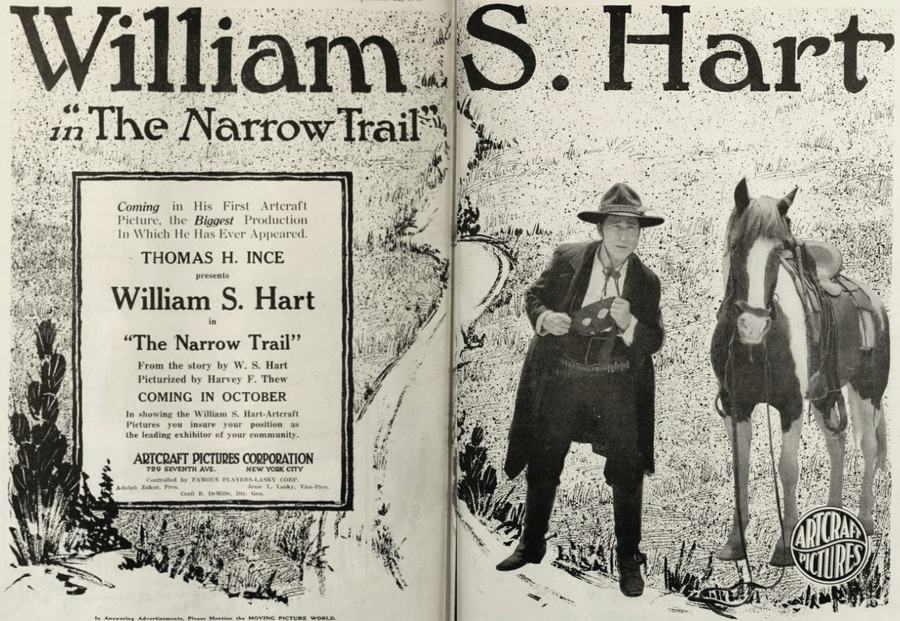
Fritz the Horse, in his role as 'The King,' is far more than a mere prop or mode of transportation; he is a co-star, an embodiment of wild freedom and unwavering loyalty. The bond between Ice and The King forms the emotional bedrock of the film, a relationship depicted with remarkable tenderness and conviction. The extended sequence of Ice pursuing, roping, and ultimately 'breaking' The King is less about domination and more about mutual respect and understanding. It's a primal dance, culminating in a partnership built on trust rather than subjugation. The King's distinctive markings, initially a point of pride and connection, become a narrative fulcrum when Ice's gang objects, arguing that the horse's unique appearance makes their illicit movements too easily traceable. This moment serves as a powerful metaphor for the clash between individual passion and group pragmatism, between the wild spirit and the demands of conformity. Ice's resolute decision to break with his gang rather than abandon The King speaks volumes about his character. It underscores his deep-seated values, revealing a man who prioritizes a profound personal bond over the practicalities of his outlaw existence. This choice sets him on a solitary, redemptive path, with his equine companion becoming his most steadfast ally and, ultimately, his guide.
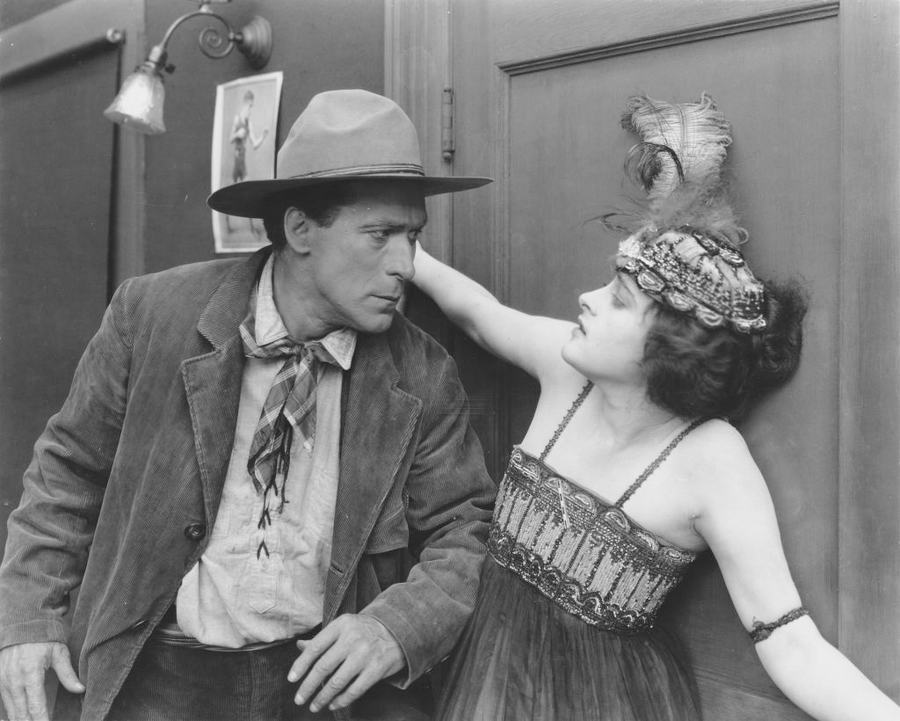
The narrative takes a sharp, unexpected turn as Ice, now a lone wolf with The King by his side, ventures beyond the familiar, austere beauty of the mountains. His quest is not for gold or glory, but for a lost love, a woman he holds idealized in his memory. This journey leads him to the notorious Barbary Coast, San Francisco's infamous district of vice and revelry. The transition from the stark, open landscapes of the West to the crowded, morally ambiguous labyrinth of the Barbary Coast is a masterful stroke of cinematic contrast, highlighting the profound shift in Ice's personal journey. Here, among the saloons and dance halls, he finds the woman he seeks, played by the captivating Sylvia Breamer. However, the woman before him is not the innocent figure of his recollections, but a 'siren' entangled in the city's darker currents. This revelation strikes Ice with the force of a physical blow, shattering his romanticized ideal and leaving him utterly heartbroken. The Barbary Coast, a place of deceptive allure, becomes the crucible of his profound disillusionment, a stark reminder that appearances can be deceiving and that memory often paints a rosier picture than reality. The scene echoes the thematic weight of mistaken identity or shattered ideals found in other dramas of the era, though perhaps less overtly than in a film like The Impersonation, where the premise itself hinges on a false identity. Here, it is the identity of the heart that proves to be a mirage.
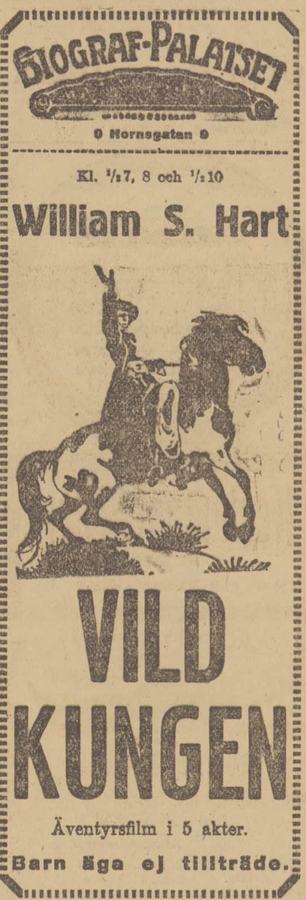
The depth of Ice's despair is palpable, a silent performance delivered with Hart's characteristic understated power. He doesn't rage; he simply breaks, his spirit wounded by the betrayal of an imagined past. This pivotal moment underscores the film's commitment to portraying raw human emotion without excessive melodrama, a hallmark of Hart's directorial and acting style. The world, once simple in its dichotomies of good and bad, wild and tame, suddenly reveals a complex, morally ambiguous underbelly that Ice, despite his own outlaw status, struggles to comprehend or accept. His retreat from this urban morass is not a sign of weakness, but a desperate flight from a truth too painful to bear, a return to the only place where he has ever found genuine solace and an unwavering bond.
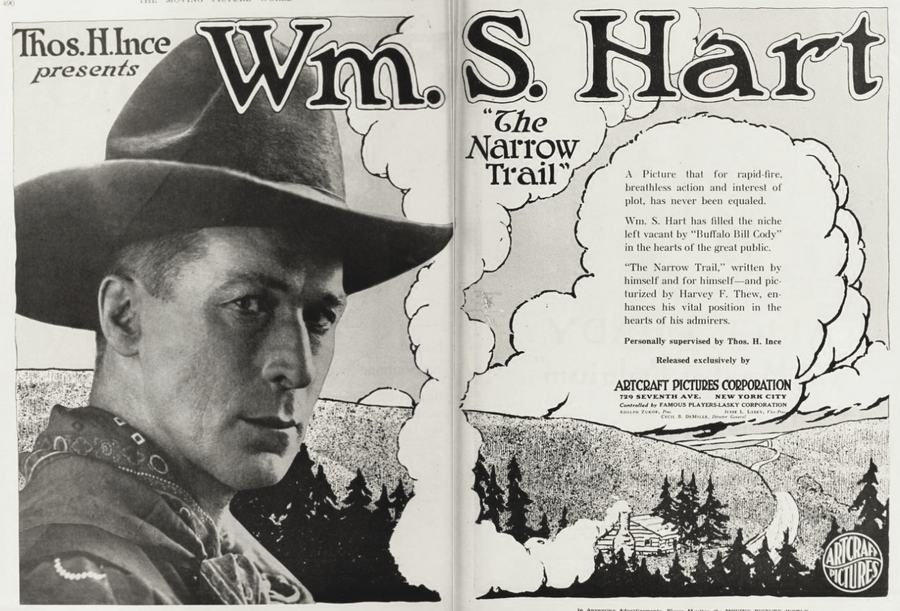
Broken-hearted and utterly disillusioned, Ice Harding returns to the austere grandeur of the mountains, the very landscape that shaped him. This retreat is not merely a geographical relocation; it's a spiritual homecoming, a journey back to the elemental truths that govern his existence. The mountains, once a backdrop for his outlaw escapades, now become a sanctuary for his wounded soul. It is here, amidst the rugged peaks and sweeping vistas, that the profound bond with The King truly comes into its own. The horse, a constant, silent presence, becomes more than a companion; he is a symbol of unwavering loyalty, a beacon of hope in Ice's despair. The King, with his untamed spirit now harnessed in service of his friend, literally carries Ice to happiness, guiding him through the metaphorical 'narrow trail' of his personal suffering. This final act of the narrative is less about dramatic external conflict and more about internal healing and redemption. It champions the idea that true solace and happiness can be found not in human relationships, which can betray and disappoint, but in the pure, unconditional bond with nature and its creatures. It's a powerful statement on the restorative power of the wild and the enduring strength of a faithful heart, whether human or equine.
William S. Hart's genius extended beyond his iconic acting; he was also a meticulous and visionary director. Co-writing the screenplay with Harvey F. Thew, Hart crafted a narrative that, while ostensibly a Western, delves into psychological depths uncommon for its era. His directorial style in The Narrow Trail is characterized by its unvarnished realism, a preference for naturalistic performances over theatrical exaggeration. He understood the power of the close-up to convey emotion, and his framing often emphasized the vastness of the landscape against the solitary figure of his protagonist, underscoring the themes of isolation and self-reliance. Hart's own performance as Ice Harding is a masterclass in stoicism and internal struggle. His expressions, though subtle, speak volumes, conveying a world of hurt, determination, and eventual peace without the need for extensive intertitles. He brought a profound authenticity to his roles, an honesty that resonated deeply with audiences and cemented his status as a cinematic icon. This commitment to a grounded, emotionally resonant portrayal sets him apart, much like the unique character studies found in European cinema of the time, though perhaps less overtly experimental than a film like Der Andere, which delved into psychological duality with different stylistic approaches.
The supporting cast, while not given the same depth as Hart's character, fulfills their roles effectively. Sylvia Breamer, as the elusive love interest, manages to convey both the initial innocence and the later world-weariness necessary for her character's pivotal impact on Ice. Milton Ross, as one of the gang members, and Bob Kortman, often a fixture in Westerns of the period, provide solid, if less nuanced, performances that ground the outlaw elements of the story. However, it is the interplay between Hart and Fritz the Horse that truly captures the audience's imagination, a testament to Hart's ability to direct not just human actors, but to create a compelling narrative around an animal performer. The cinematography, though limited by the technology of the time, captures the stark beauty of the Western landscapes, contrasting them sharply with the claustrophobic, morally murky atmosphere of the Barbary Coast. This visual storytelling reinforces the narrative's thematic shifts, making the journey feel both epic and deeply personal.
More than a century after its release, The Narrow Trail retains its power and resonance. It stands as a prime example of William S. Hart's unique contribution to American cinema, showcasing his profound understanding of character, landscape, and the unspoken language of emotion. The film transcends its genre constraints, offering a universal tale of loyalty tested, ideals shattered, and redemption found in the most unexpected of places. It's a reminder that even the toughest exteriors can harbor deep wells of feeling, and that sometimes, the purest forms of companionship come from those who cannot speak, but whose presence offers unwavering solace. The film's enduring appeal lies in its sincerity, its lack of artifice, and its powerful depiction of a man's journey through personal wilderness, guided by the steadfast heart of a horse. For those seeking to understand the foundational myths of the American West, or simply to witness a master storyteller at work, The Narrow Trail is an indispensable viewing experience, a testament to the timeless art of silent film and the enduring legacy of William S. Hart. It reinforces the idea that true happiness often lies not in societal acceptance or romantic ideals, but in the profound, unadulterated connections we forge along life's winding, often solitary, path.
In an era where cinema was still finding its voice, Hart's vision, brought to life in films like this, paved the way for more complex narratives and character studies in the Western genre. His influence can be traced through subsequent generations of filmmakers who sought to portray the West not just as a stage for adventure, but as a crucible for human drama. The understated power of The Narrow Trail ensures its place not merely as a historical artifact, but as a vibrant, living piece of cinematic art that continues to speak to the human condition with remarkable clarity and emotional depth. It's a silent film that, paradoxically, has much to say, echoing its themes of integrity and steadfastness across the decades, a true gem for any cinephile to discover or revisit.
IMDb 4.7
1935
Community
Log in to comment.