DbcultAccessing Vault...
Cult Review
Senior Film Conservator
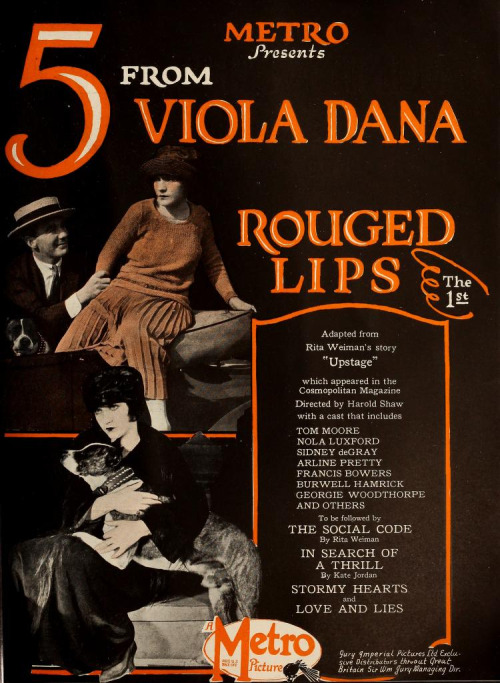
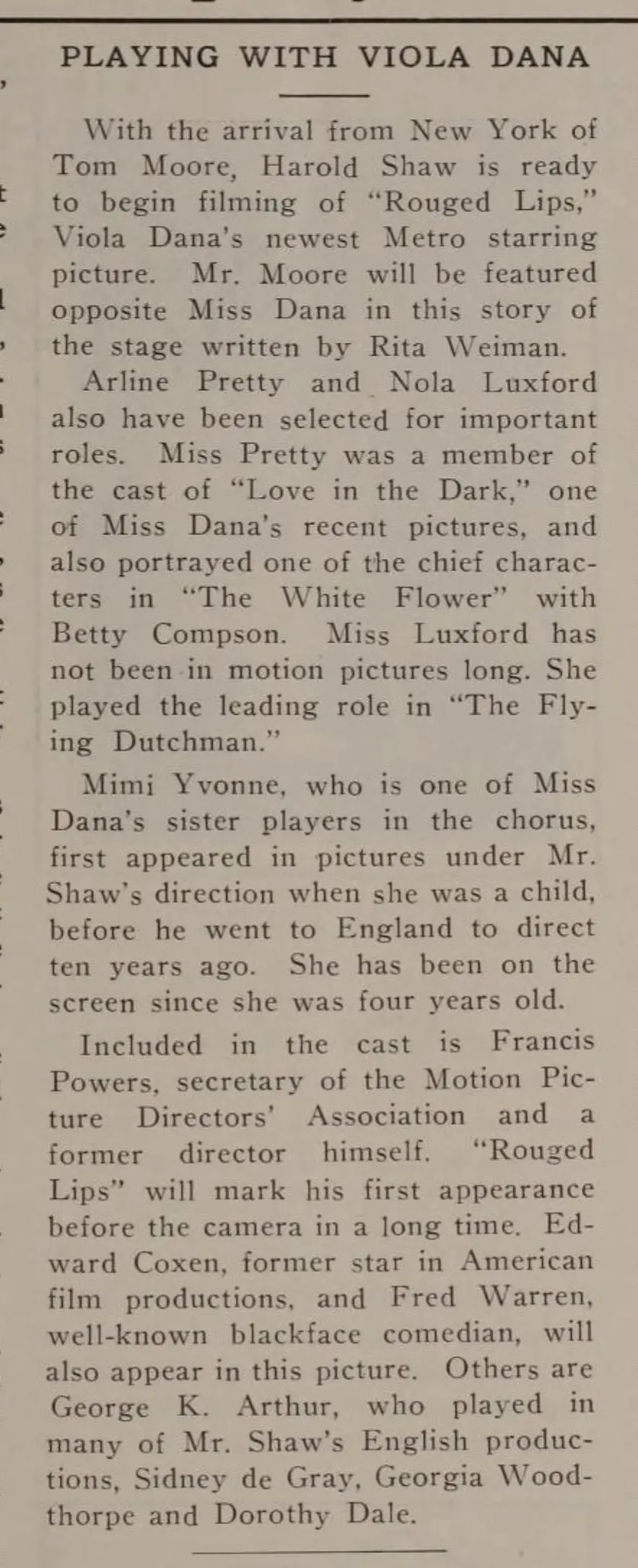
The narrative of Rouged Lips unfolds like a delicate waltz between poverty and privilege. Norah MacPherson, portrayed with raw vulnerability by Arline Pretty, navigates the unforgiving alleyways of a city still nursing the scars of conflict. Her meeting with James Patterson (Burwell Hamrick) is less a serendipitous romance and more a collision of disparate worlds, a motif reminiscent of the class tensions explored in The Climbers. James’s benevolent gesture—securing Norah a spot in the chorus—serves as a catalyst for her metamorphosis, allowing the audience to witness the transformative power of art and affection.
The film’s pacing mirrors the rhythmic cadence of a stage production. Rehearsal scenes are intercut with intimate moments in cramped back‑rooms, where Norah’s desperation becomes palpable. She spends every last coin on garments that promise acceptance, culminating in the iconic scene where she dons a string of faux pearls. The pearls, glinting under the stage lights, become a visual metaphor for the veneer of wealth she feels compelled to maintain. James’s subsequent suspicion is a masterstroke of character development, echoing the distrust portrayed in Behind the Mask. His confrontation is not merely a plot device but a probing inquiry into the authenticity of love when it is shackled by socioeconomic disparity.
Arline Pretty delivers a performance that oscillates between fragile innocence and steely resolve. Her expressive eyes convey volumes in the silent medium, a technique reminiscent of Viola Dana’s work in Harems‑Mystik. Burwell Hamrick, as James, balances aristocratic aloofness with genuine compassion, avoiding the pitfalls of a one‑dimensional benefactor. Nola Luxford’s supporting role adds a layer of comedic relief, her timing impeccable despite the absence of dialogue. The ensemble, including Sidney De Gray and Georgia Woodthorpe, creates a textured backdrop that feels both bustling and intimate.
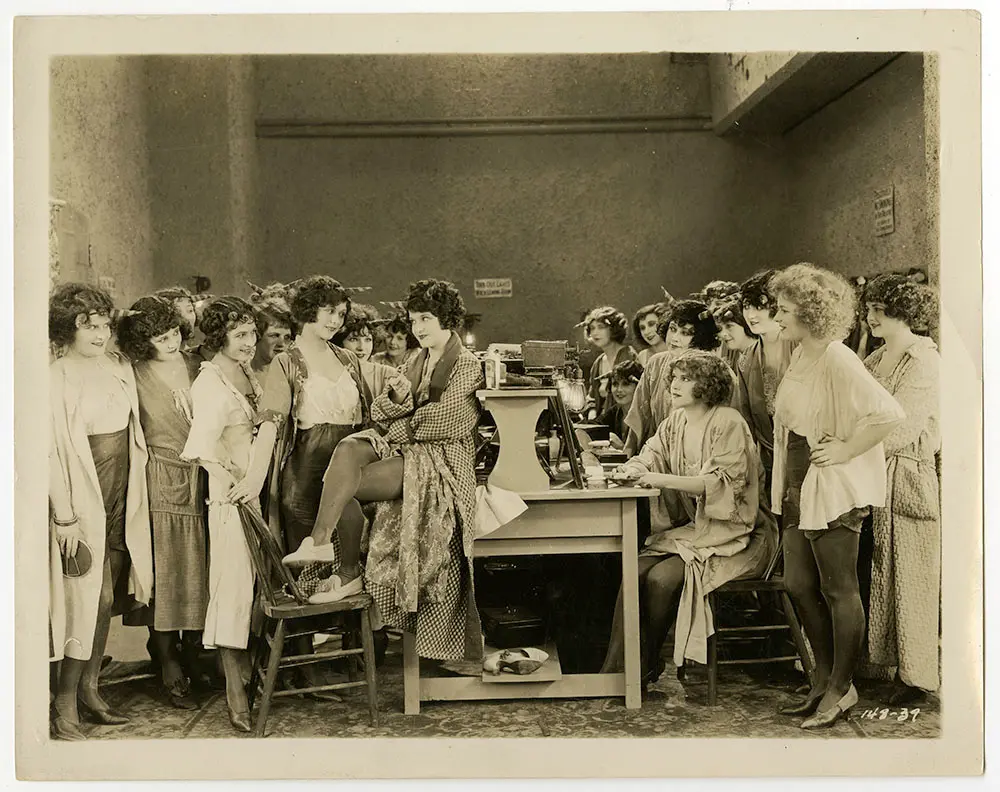
The chemistry between Pretty and Hamrick is the film’s beating heart. Their silent exchanges—glances, a brushed hand, a shared laugh—are choreographed with a precision that rivals the most polished modern romance. The director, Tom J. Hopkins, employs close‑ups sparingly, allowing the audience to fill the emotional void with imagination, a technique also evident in Clyde Bruckman’s later work on War As It Really Is.
At its core, Rouged Lips interrogates the façade of materialism. The counterfeit pearls are not merely props; they symbolize the societal pressure to appear affluent, a theme that reverberates in contemporary discourse about social media façades. The film also touches upon gender dynamics; Norah’s agency is constrained not only by poverty but by the expectations placed upon women to embody elegance and poise, regardless of their circumstances.
The resolution—James’s realization and the couple’s reconciliation—does not dissolve the class tension but rather reframes it. Their hand‑in‑hand walk down the rain‑slicked boulevard suggests a tentative partnership built on honesty rather than illusion. This nuanced ending aligns the film with other period pieces such as The Primitive Woman, which also eschew tidy resolutions in favor of reflective optimism.
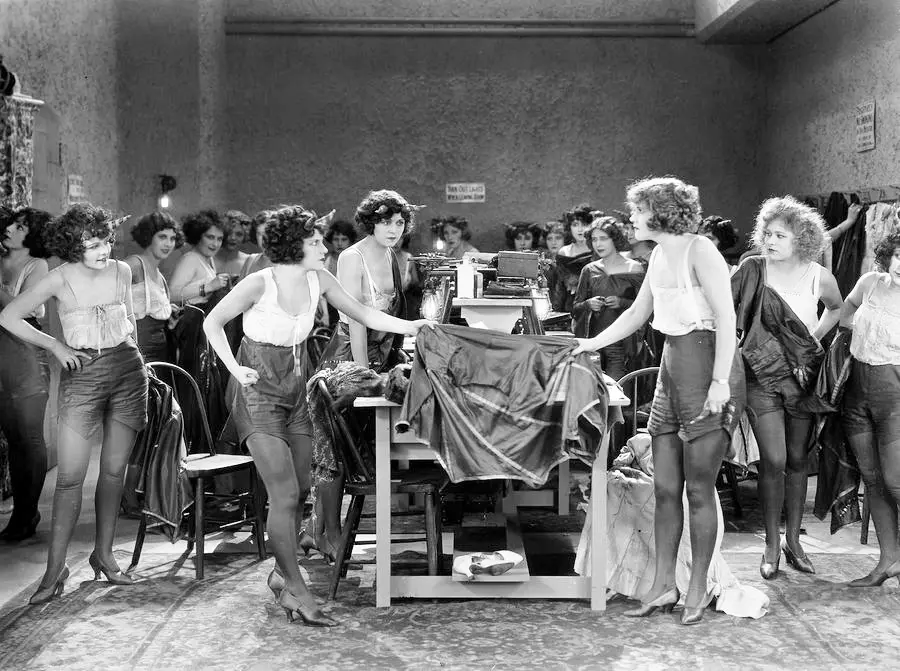
The cinematography, though constrained by the era’s technological limits, employs stark chiaroscuro to emphasize emotional contrast. Night scenes are bathed in deep shadows, while stage sequences burst with artificial illumination, creating a visual dichotomy between Norah’s private despair and public performance. The use of sea blue (#0E7490) in the backdrop of the cabaret’s balcony shots adds a cool counterpoint to the warm dark orange (#C2410C) of the costumes, while occasional splashes of yellow (#EAB308) highlight moments of hope, such as the sunrise that crowns the final scene.
The film’s set design is meticulous; the chorus line’s costumes shimmer with sequins that catch the light, echoing the opulence James wishes to provide. The juxtaposition of these lavish visuals against the gritty street exteriors underscores the duality of Norah’s world.
Rita Weiman’s screenplay excels in conveying complex emotions without spoken words. Intertitles are sparingly used, each one carrying weight and brevity. The narrative rhythm mirrors the music of the chorus, with crescendos aligning with emotional peaks. The script’s structure—introduction, rising tension, climax, and denouement—mirrors the classic three‑act model, yet it subverts expectations by allowing the audience to linger in the uncertainty of Norah’s internal conflict.
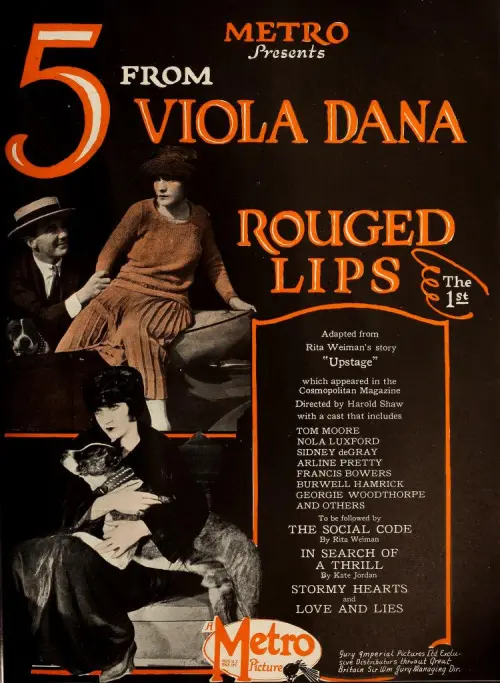
The interplay between intertitles and visual storytelling is reminiscent of the narrative economy found in Die goldene Pest, where every frame is purposeful. In Rouged Lips, the intertitles are not merely explanatory; they serve as poetic punctuation, reinforcing themes of deception and redemption.
When positioned alongside contemporaneous works like Innocent and Die Nacht der Königin Isabeau, Rouged Lips distinguishes itself through its intimate focus on class‑crossed romance rather than grand historical spectacle. Its modest budget does not hinder its emotional impact; instead, it amplifies the authenticity of its characters.
The film also prefigures later melodramas that explore the intersection of love and socioeconomic struggle, such as Kick In. Its influence can be traced through the visual language of 1930s romantic dramas, where the tension between appearance and reality becomes a recurring motif.
Although Rouged Lips did not achieve blockbuster status upon release, its subtle critique of materialism resonated with audiences navigating the post‑World War I economy. Film scholars cite it as an early example of cinema’s capacity to interrogate social stratification without resorting to overt didacticism. The film’s preservation status remains precarious; only fragments survive in a few archives, making contemporary analysis all the more valuable.
Modern retrospectives often highlight its pioneering use of symbolic props—the pearls, the rain‑slicked streets—to convey internal states, a technique later refined by directors such as Fritz Lang. Its influence can be discerned in the visual storytelling of later silent masterpieces, reinforcing its place in the silent era’s canon.
Rouged Lips is a study in restraint, where every gesture, every glint of fabricated jewelry, is laden with meaning. The film’s strength lies in its ability to weave a love story that feels both timeless and anchored in a specific historical moment. Its performances, particularly Pretty’s nuanced portrayal of a woman torn between survival and sincerity, elevate the material beyond its modest script.
For enthusiasts of silent cinema, the movie offers a rich tapestry of visual metaphor, character-driven drama, and thematic depth. Its relevance endures, reminding viewers that the pursuit of authenticity—whether in love, attire, or self‑presentation—remains an evergreen human struggle.
IMDb 5.7
1929
Community
Log in to comment.