DbcultAccessing Vault...
6.4/10
Senior Film Conservator
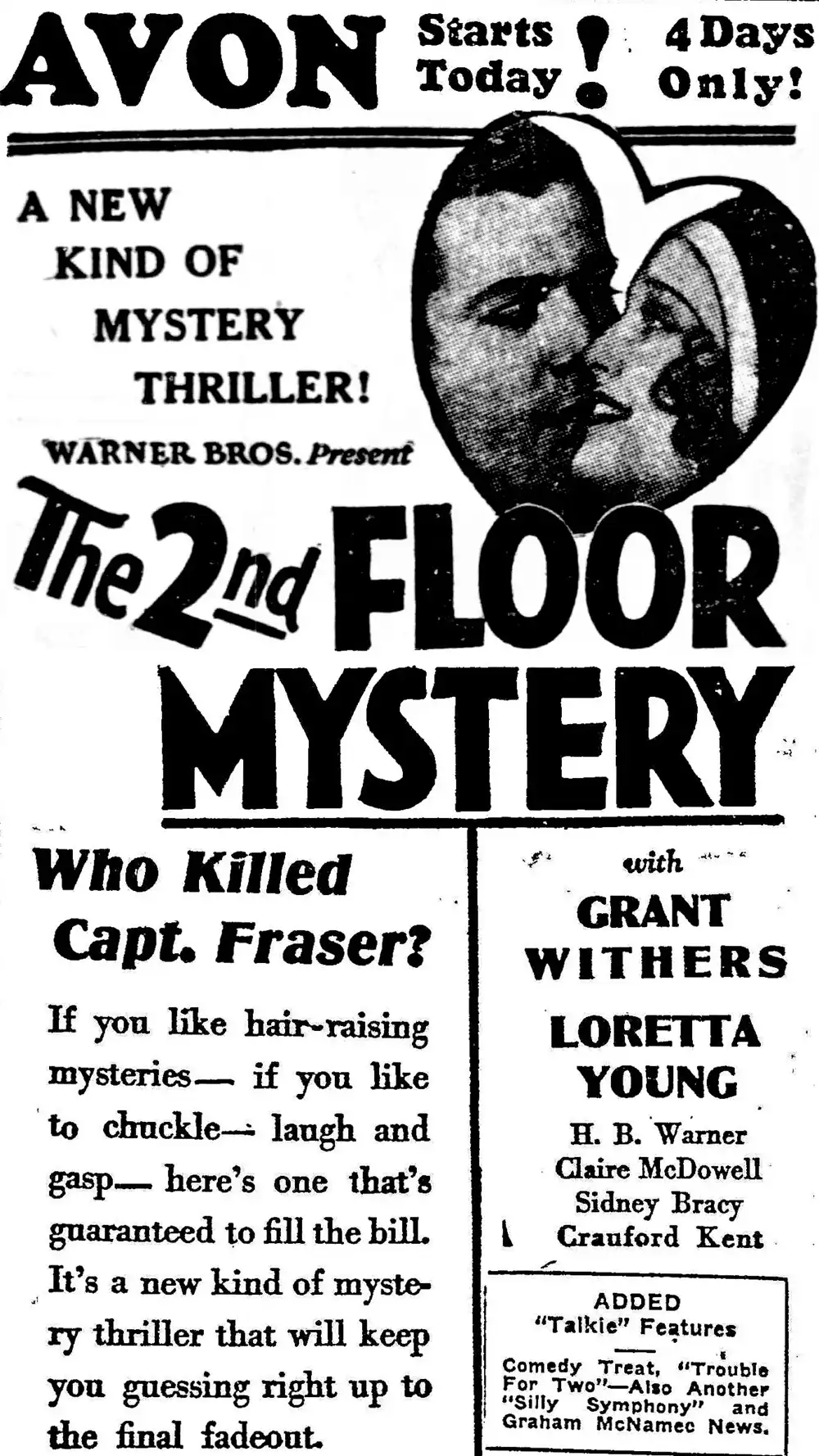
A definitive 6.4/10 rating for a film that redefined the boundaries of cult cinema. The Second Floor Mystery remains a cornerstone of transgressive art.
So, you’re thinking about diving into The Second Floor Mystery? Well, if you’re someone who loves old, old movies—the kind with that *early talkie* feel—then absolutely, give it a shot. It’s not for everyone, mind you. If your idea of a good time is fast-paced action or a tightly wound modern thriller, you’ll probably find this one a bit of a slog. But for those of us who appreciate a good historical curiosity, especially one that’s a bit rough around the edges, it’s a pretty interesting afternoon watch. Think of it as cinematic archaeology.
The whole thing kicks off with a newspaper ad. Imagine, a young fella, Philip Nash (Crauford Kent), feeling a bit lonely, decides to place an ad looking for an "agony columnist" to write to him every day about their life. Seems a strange way to find companionship, doesn't it? But this is 1930, after all. And wouldn't you know, a woman named Marion Ferguson (Loretta Young) actually answers.
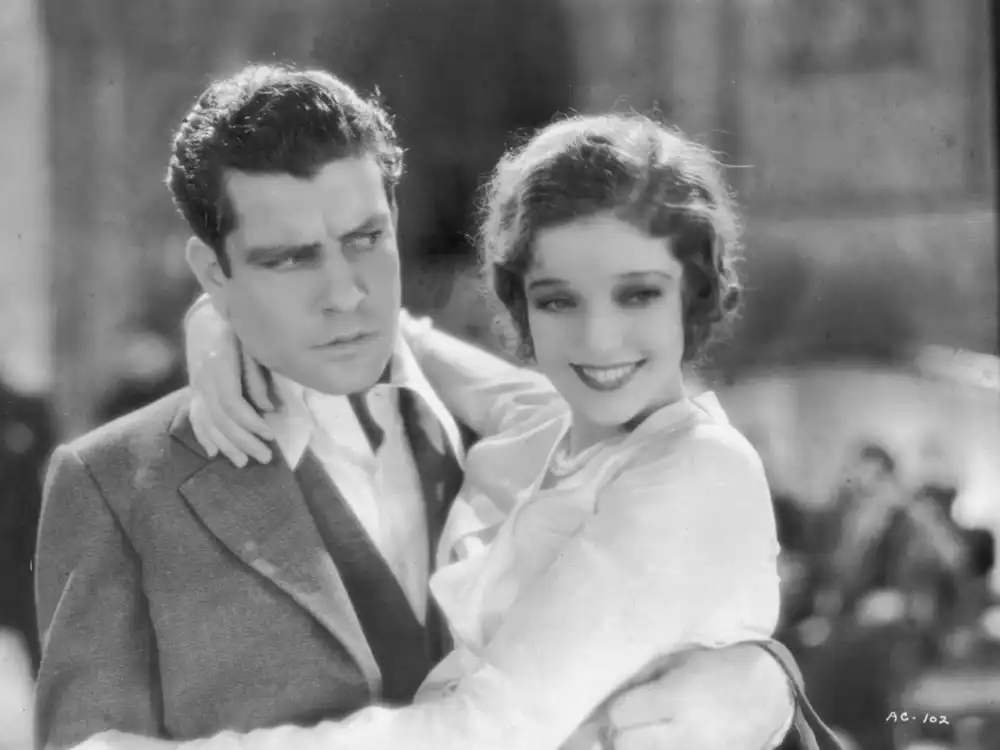
This whole premise, by the way, comes from a book called The Agony Column. I hadn't read it, but the movie certainly makes it feel like something straight out of a different era. There’s a delightful quaintness to it all before things get, well, murderous.
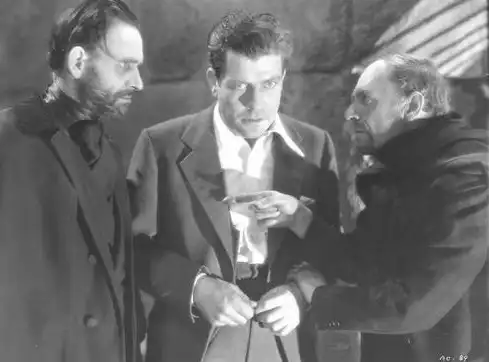
Once Marion starts writing to Philip, she pretty quickly finds herself in the thick of a real, honest-to-goodness crime. She’s reporting on her daily life, which suddenly includes a dead body in her apartment building and some very shifty characters hanging around. It’s one of those mysteries where the victim, a jeweler named Andrew McCord (H.B. Warner), seems to have a lot of secrets. And everyone nearby just acts… suspicious.
One thing that really sticks out is the acting style. Loretta Young, even this early in her career, has this bright, almost *sparkling* quality. She feels very natural compared to some of the others. But then you have characters who deliver lines with this almost stagey formality. It’s like they haven’t quite figured out how to act for a microphone yet, you know?
The sound quality itself is also a bit of a trip. Sometimes the dialogue feels muffled, then suddenly it’s crystal clear. There are these moments where you can almost hear the actors thinking about hitting their marks for the hidden mics. It gives the whole film a certain charming clunkiness that you just don't get anymore.
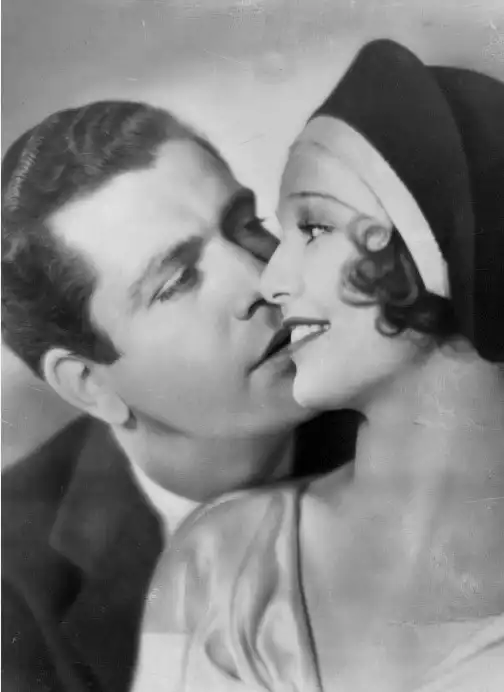
There's a scene where Philip is trying to convince Marion that she's in danger, and he's just so *earnest*. Like, really laying it on thick. You can practically see the sweat on his brow. It’s not quite melodrama, but it’s definitely not subtle. It makes you smile a little, but it also makes you think, "Okay, this is how they did it back then."
The plot itself twists and turns in ways that feel a bit, well, convenient at times. Marion keeps stumbling into clues, and the police, led by a surprisingly calm Inspector Bray (John Loder), seem perpetually one step behind. You can almost feel the movie trying to convince you this moment matters, even when it feels a little forced.
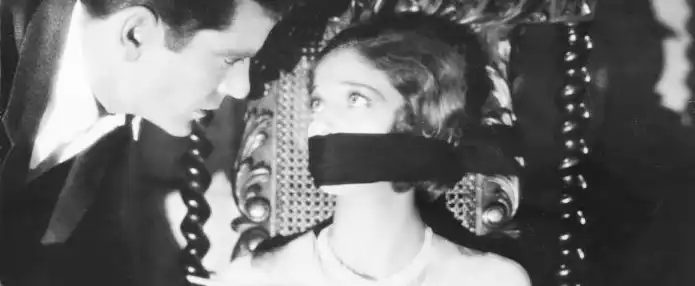
There’s a moment involving a secret panel that feels straight out of a really old dime-store novel. It’s less about clever deduction and more about things just *appearing* when the plot needs them to. But hey, it’s part of the fun of watching these early genre pieces. They hadn't quite ironed out the rules yet.
And the whole "second floor" bit of the title? It's literally just where the mystery mostly happens. No deeper meaning, just a location. Sometimes, titles were just… descriptions, right? 🤷♀️
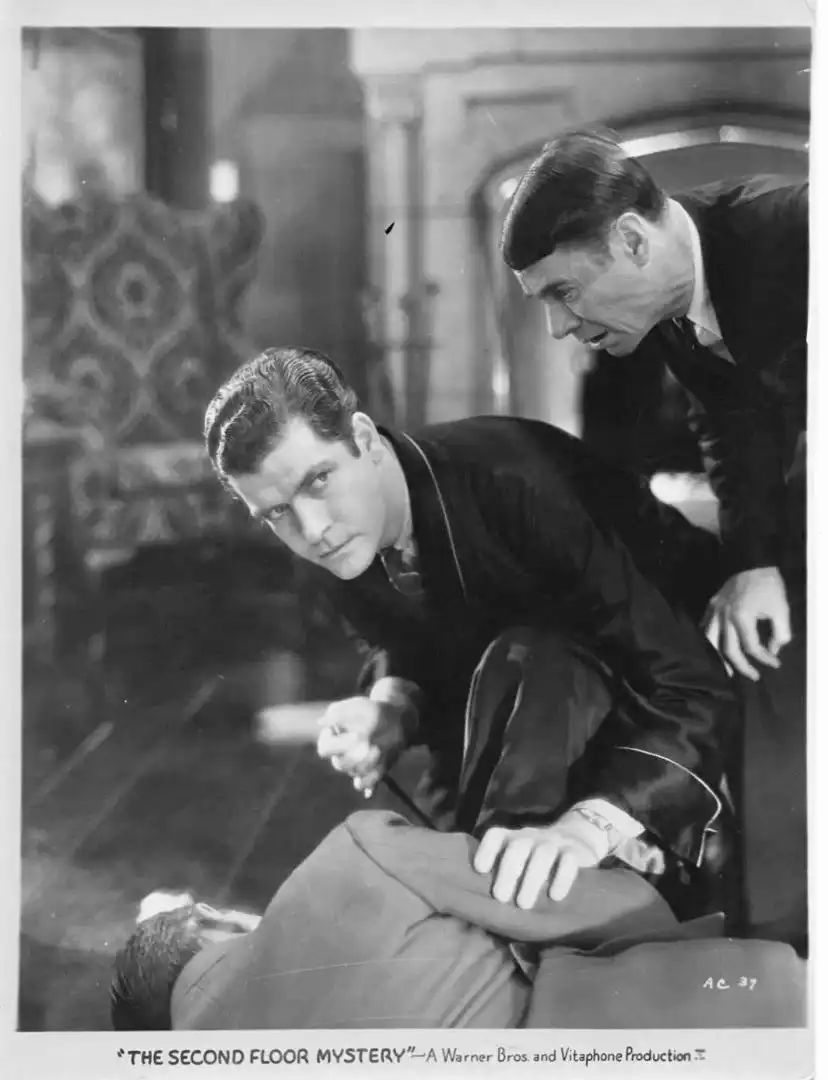
So, is it a masterpiece? Nah, probably not. But is it a fascinating look at how movies were finding their footing with sound, wrapped up in a slightly convoluted but ultimately harmless mystery? Absolutely. It’s got a certain *vibe*. It’s not going to keep you on the edge of your seat with suspense, but it might just make you appreciate how far filmmaking has come. And seeing Loretta Young in her younger days is always a treat.
IMDb 6.5
1936
Community
Log in to comment.