DbcultAccessing Vault...
6.5/10
Senior Film Conservator
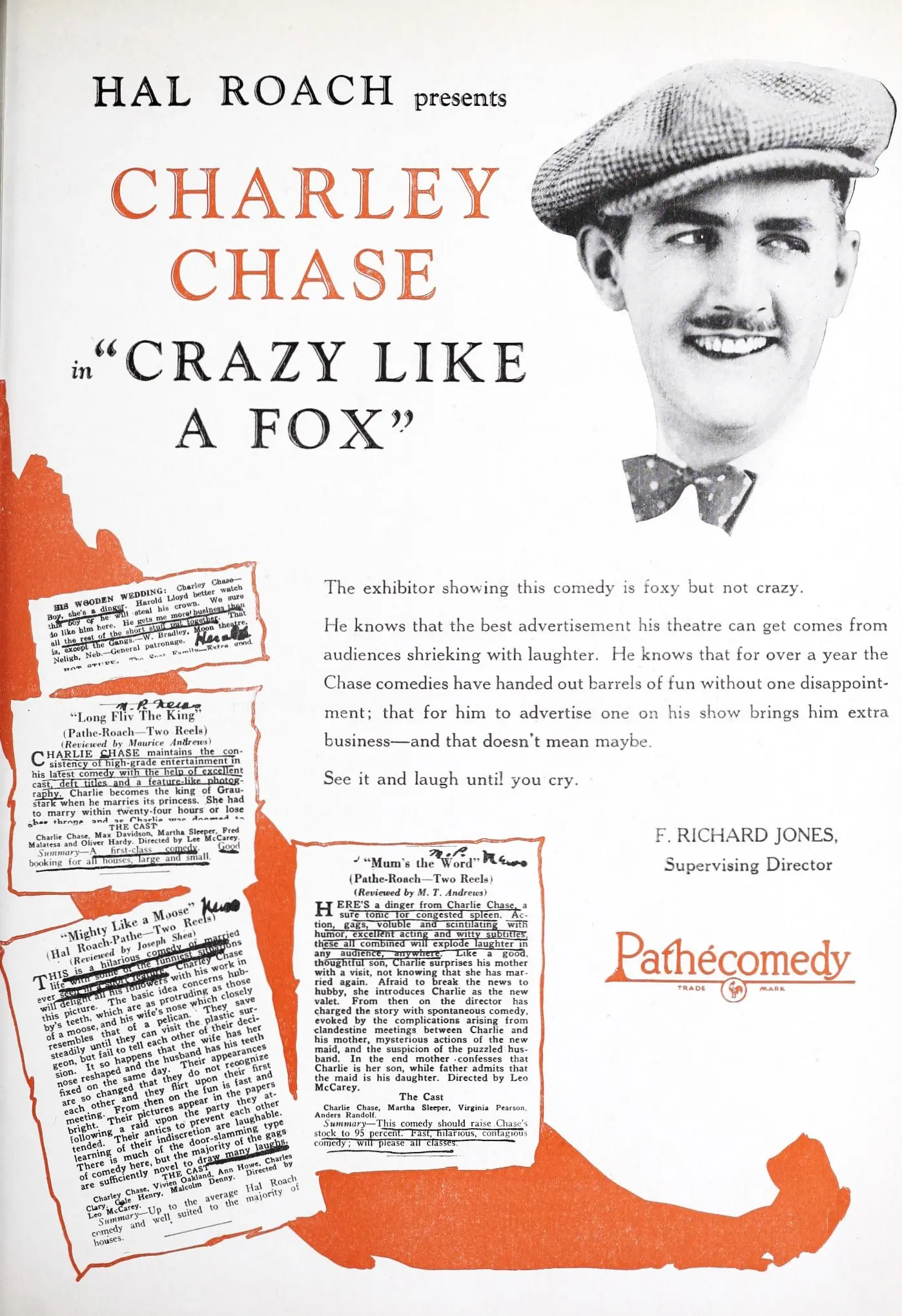
A definitive 6.5/10 rating for a film that redefined the boundaries of cult cinema. Crazy Like a Fox remains a cornerstone of transgressive art.
Is Crazy Like a Fox worth your time in the 21st century? Short answer: Absolutely, but only if you appreciate the mathematical elegance of a well-oiled silent farce. This isn't just a relic of the past; it is a blueprint for the modern romantic comedy that many contemporary directors have forgotten how to build.
This film is for the viewer who enjoys the 'comedy of manners' but wants it served with a side of physical chaos. It is NOT for those who require high-definition explosions or a fast-paced, non-stop barrage of dialogue-heavy jokes. This is a visual symphony of timing and irony.
1) This film works because it treats its absurd premise with total logical commitment, allowing the irony of the situation to generate the laughs rather than just relying on falling down.
2) This film fails because the second act's shift into faked insanity, while funny, loses some of the grounded romantic charm established in the opening train station sequence.
3) You should watch it if you want to see the structural DNA of the rom-com perfected decades before the talkies took over, or if you want to spot a young Oliver Hardy in a supporting role.
The brilliance of Crazy Like a Fox lies in its central conceit. The two leads, played by Charley Chase and Martha Sleeper, are running away from the very thing they actually want. It’s a classic setup that has been echoed in films like Cheap Kisses, yet here it is executed with a lean, 20-minute precision that feels incredibly modern. The train station meeting is a masterclass in staging. Chase and Sleeper interact as strangers, and their immediate chemistry makes the later revelation of their identities feel earned rather than forced.
The direction (often attributed to Leo McCarey, though uncredited) focuses on the internal logic of the characters. Unlike the surrealism of Felix Goes West, the comedy here is rooted in social embarrassment and the fear of parental control. When Chase begins to act 'crazy' to avoid the marriage, he isn't just being silly; he is a man using the only weapon a socialite has: his reputation. It works. But it’s flawed. The transition from the sweet, accidental romance to the broad physical comedy of the 'insanity' scenes is jarring, yet Chase’s charismatic performance bridges the gap.
Yes, Crazy Like a Fox is a vital watch for anyone interested in the evolution of the 'refined' comedian. While Chaplin was the tramp and Keaton was the stoic, Charley Chase was the 'Everyman' in a tuxedo. He represented the middle-class anxieties of the 1920s. Watching him navigate the pressure of a forced marriage is like watching a mirror of the era's social expectations. It’s a sophisticated piece of work that remains genuinely funny because the core human emotion—rebellion against authority—is universal.
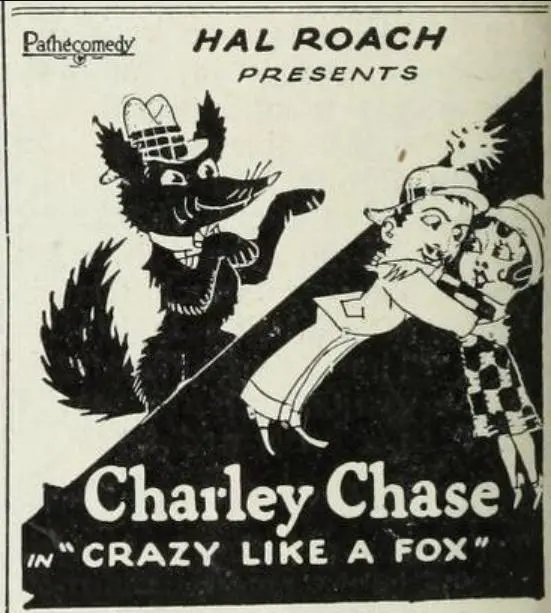
Charley Chase is an underrated titan of the silent era. In Crazy Like a Fox, his performance is defined by what he doesn't do. While many of his contemporaries would resort to wild flailing, Chase uses micro-expressions. Look at the moment he first sees Martha Sleeper at the station. There is a subtle shift in his posture—a straightening of the tie, a slight widening of the eyes—that tells the audience everything they need to know without a single title card. This level of nuance is often missing in films of this vintage, like the more theatrical Mystic Faces.
The writing, credited to H.M. Walker and Chase himself, is incredibly tight. There is no wasted motion. Every gag builds upon the previous one. For instance, the recurring motif of the 'insanity' test is set up early and paid off with a punchline that involves the entire wedding party. It’s a clockwork mechanism of a script. It makes the viewer realize that modern comedies often bloat their runtime because they lack this foundational structural integrity. If you compare this to the pacing of His Own Medicine, you can see how Chase was refining his craft into something sharper and more cynical.
One of the greatest joys of Crazy Like a Fox is the supporting cast. Oliver Hardy, before he became the 'Ollie' of Laurel and Hardy, appears here as a guest. His presence is a reminder of the incredible talent pool at Hal Roach Studios during this time. Even in a minor role, Hardy’s physical presence adds weight to the scenes. He isn't just a background actor; he is a comedic anchor that allows Chase to be the frantic center of the storm. The chemistry between the ensemble is palpable, suggesting a group of performers who had worked together so often they could anticipate each other's movements.
Martha Sleeper is equally impressive. In many silent comedies, the female lead is a mere trophy or a plot device. Sleeper, however, is an active participant in the rebellion. Her character is just as eager to escape the marriage as Chase's is, and her comedic timing during the train station sequence is impeccable. She holds her own against Chase, which is no small feat. This dynamic makes the film feel much more like a partnership than a solo vehicle, a trend we see in other romantic dramas of the time like Annie-for-Spite, though here it is played strictly for laughs.
The cinematography by Len Powers is functional but serves the comedy perfectly. In silent farce, the frame is everything. The camera stays wide enough to capture the physical relationship between characters and their environment. There is a specific scene involving a chase through a hallway that uses the depth of the frame to create a sense of mounting chaos. It’s not 'flashy' in the way we might think of cinematography today, but it is deeply effective. It understands that the joke is the priority.
The pacing is where the film truly shines. At roughly 20 minutes, it moves with the speed of a freight train. There are no lulls. Even the moments of 'rest'—like the quiet conversation between the two leads—are infused with the dramatic irony that the audience knows they are the intended spouses while they do not. This keeps the tension high. It’s a lesson in narrative economy that many modern filmmakers, who struggle to keep a 90-minute film engaging, should study. It’s as focused as a high-concept thriller like Trapped in the Air, but with hats and canes instead of airplanes.
Pros:
- Exceptional comedic timing from Charley Chase.
- A tight, logically sound script that maximizes irony.
- A rare look at Oliver Hardy in his pre-fame supporting days.
- Genuinely charming romantic chemistry between the leads.
Cons:
- Some of the 'insanity' gags feel a bit repetitive by the third act.
- The resolution is somewhat predictable, even for its time.
Crazy Like a Fox is a shining example of why Charley Chase deserves to be mentioned in the same breath as the silent comedy greats. It avoids the bathos of Chaplin and the life-threatening stunts of Keaton in favor of something more relatable: the absurdity of social obligation. While it lacks the epic scale of something like The Sea Master, it succeeds by mastering the small-scale human comedy. It is a lean, mean, laughing machine that proves you don't need words to tell a complex, ironic, and heartwarming story. If you have 20 minutes to spare, you won't find a better use of them in the history of 1920s cinema.
IMDb —
1916
Community
Log in to comment.