DbcultAccessing Vault...
Cult Review
Senior Film Conservator
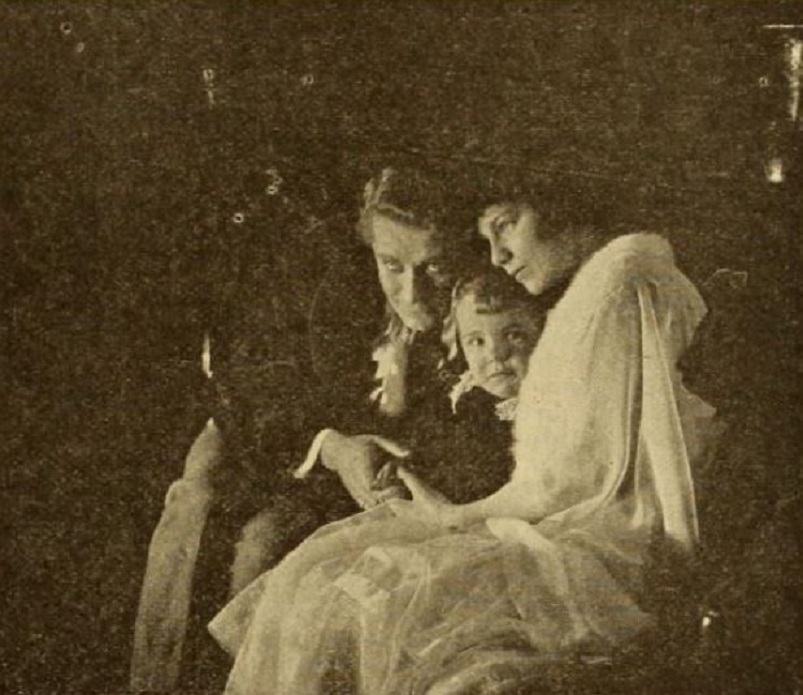
In the annals of silent cinema, where grand gestures often spoke louder than words, certain films emerged as profound interrogations of the human condition, etching their narratives into the collective consciousness with an indelible ink. Among these, the 1917 drama, The Seventh Sin, stands as a particularly compelling artifact, a cinematic tapestry woven with threads of ambition, moral compromise, and the arduous, often painful, journey toward expiation. It’s a film that, even a century later, still possesses a remarkable capacity to provoke thought, prompting viewers to ponder the true cost of worldly desires against the inestimable value of integrity and genuine affection. This isn't merely a historical curiosity; it's a vibrant, pulsating narrative that showcases the power of early filmmaking to grapple with complex ethical dilemmas, presenting a stark, unvarnished portrait of a soul in crisis. Long before talkies dominated the silver screen, films like The Seventh Sin honed the art of visual storytelling to a razor's edge, relying on the nuanced performances of its stellar cast and the evocative power of its cinematography to convey emotions and motivations that transcended the absence of spoken dialogue.
At its core, The Seventh Sin is the story of Eleanor Vane, portrayed with a captivating blend of vulnerability and steely resolve by the formidable Nance O'Neil. O'Neil, an actress celebrated for her dramatic prowess and commanding stage presence, translates these qualities seamlessly to the silent screen, imbuing Eleanor with a palpable inner turmoil. Eleanor is a woman blessed with striking beauty, yet burdened by the constraints of her modest station. Her aspirations stretch beyond her current reality, reaching for a life of comfort and social prominence. This yearning places her squarely between two vastly different paths, embodied by two equally distinct men. On one hand, there is Dr. Peter Thorne, brought to life with understated dignity by H.B. Warner, an actor known for his refined portrayals of principled characters, much like his work in The Man from Home. Thorne represents true affection, unwavering dedication, and a future built on quiet service and intellectual pursuit. He is a struggling physician, yes, but one whose moral compass points resolutely north. On the other hand, we have Richard Sterling, a character of immense power and influence, masterfully played by Holbrook Blinn. Blinn, who often excelled at portraying complex, sometimes villainous figures, imbues Sterling with a dangerous magnetism, a man whose wealth is as vast as his moral ambiguities. Sterling offers Eleanor the world on a silver platter – a life of unparalleled luxury, societal acceptance, and freedom from want. It is a temptation that proves irresistible. Eleanor, seduced by the glittering promise of opulence and the intoxicating allure of social ascension, makes a choice that will irrevocably alter the course of her life. She spurns Thorne, shattering his earnest heart and silencing the nascent whispers of her own conscience, to marry Sterling. This initial act of sacrificing love for material gain, this primal 'sin' of avarice and ambition, sets in motion a chain of events that will define her existence for years to come.
O'Neil's performance here is particularly poignant. Her eyes, often downcast or subtly averted, convey the weight of her decision even in moments of apparent triumph. We see the flicker of regret, the fleeting shadow of doubt, beneath the superficial gleam of her new life. This is not a caricature of a gold-digger, but a nuanced portrayal of a woman caught in the powerful currents of societal expectation and personal yearning. The film masterfully uses visual cues – the stark contrast between Thorne's humble office and Sterling's lavish mansion – to emphasize the profound divergence in Eleanor's chosen paths. The very architecture of her new life, while outwardly magnificent, begins to feel like a gilded cage, a theme explored with similar depth in films like The Eternal Grind, which often depicted the psychological toll of societal pressures on women.
Years pass, and the initial luster of Eleanor's grand marriage begins to fade, replaced by a pervasive sense of emotional barrenness. Sterling, a man of cold, calculating intellect, remains consumed by his vast business empire, his attention rarely straying from ledgers and deals. Eleanor finds herself largely neglected, a beautiful ornament in a cavernous, opulent home. Blinn’s portrayal of Sterling is chillingly effective; his distant demeanor and preoccupied gaze speak volumes about his character's emotional unavailability, a stark contrast to Thorne's earlier warmth. This emotional void is subtly underscored by the film's visual language, with long shots of Eleanor alone in vast, sumptuously decorated rooms, emphasizing her isolation. It's a powerful statement on the futility of material wealth when divorced from genuine human connection.
Yet, within this gilded cage, a beacon of light emerges in the form of Sterling's niece, young Alice, played with endearing innocence by Shirley Mason. Mason, a rising star of the era, brings a delicate purity to Alice that resonates deeply with Eleanor. Their burgeoning friendship becomes a crucial turning point, as Alice's unblemished spirit serves as a poignant mirror, reflecting Eleanor’s lost innocence and forgotten ideals. This relationship subtly initiates Eleanor’s journey toward self-reflection and, ultimately, redemption. Meanwhile, Dr. Thorne, having channeled his heartbreak into a life of dedicated service, has become a revered figure in the medical community, a testament to H.B. Warner’s ability to convey quiet strength and moral fortitude. Though he carries the indelible ache of Eleanor's past betrayal, his commitment to philanthropy and medical research has elevated him, making him a symbol of what Eleanor had forsaken. The film artfully contrasts these two parallel lives, one steeped in superficiality, the other in profound purpose.
The narrative gains considerable momentum as a dual crisis unfolds. Sterling faces imminent financial ruin, his empire teetering on the brink due to the ruthless machinations of a business rival. Simultaneously, Alice, the innocent catalyst for Eleanor’s nascent awakening, falls gravely ill, her condition demanding a specialized, prohibitively expensive operation. This convergence of personal and financial catastrophe forces Eleanor to confront the hollowness of her choices with undeniable clarity. The stakes are raised exponentially, and O'Neil's performance truly shines here, conveying a woman on the precipice of profound change. We also see the subtle yet impactful presence of Charlotte Walker, perhaps as a society acquaintance who observes Eleanor's plight with a mixture of pity and judgment, adding another layer to the social commentary. The film's pacing, often a challenge in silent features, is expertly managed, building tension through a series of escalating predicaments, reminiscent of the dramatic urgency found in films like The Woman in the Case (1916).
It is in this crucible of despair that Eleanor experiences a profound moral reckoning. She uncovers Sterling's desperate, unethical scheme to salvage his fortune, a plan that would inevitably harm innocent business partners and further tarnish his already dubious reputation. This revelation ignites a spark of courage and selflessness within her. In a powerful act of defiance against her past self and her current circumstances, Eleanor resolves to act. She draws upon her remaining social connections and, more significantly, liquidates her most cherished personal possessions – her jewels, symbols of her ill-gotten luxury – to secretly finance Alice's life-saving operation. This act of selling her jewels is a profoundly symbolic gesture, representing the shedding of her 'gilded' past and a sincere commitment to a more authentic existence. It’s a moment that resonates with the themes of personal sacrifice seen in dramas like Pay Me!, though here, the sacrifice is driven by redemption rather than revenge.
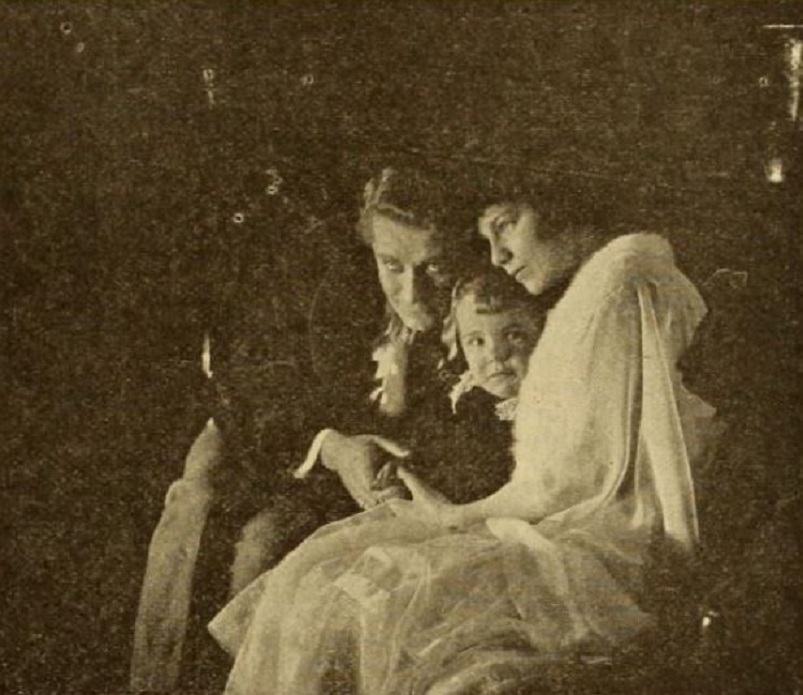
The climax of The Seventh Sin brings both resolution and a profound sense of transformation. Alice's operation is a resounding success, a triumph of medical skill and Eleanor's selfless intervention. Sterling's financial empire, however, crumbles irrevocably, and his unethical practices are exposed. Yet, in a final act of complex loyalty and perhaps a lingering sense of duty, Eleanor shields him from total public disgrace, allowing him to retreat from the public eye with a shred of dignity. This nuanced portrayal of her relationship with Sterling, even in his downfall, prevents the narrative from devolving into a simplistic tale of good versus evil. It underscores Eleanor's journey not as one of vengeance, but of profound moral growth.
Having shed everything she once coveted – wealth, social standing, and the illusion of a perfect life – Eleanor finds a quiet, hard-won dignity. She is no longer the ambitious, misguided woman who chose riches over integrity. Dr. Thorne, a man whose judgment is as keen as his compassion, witnesses her profound acts of selflessness. He recognizes the true, redeemed woman who has emerged from the crucible of her past transgressions, a woman whose spirit has been purified by suffering and sacrifice. While the wounds of their past remain, a new understanding, a profound mutual respect, and perhaps even a fragile hope for a future built on genuine connection, rather than superficial desires, blossoms from the ashes of her 'seventh sin.' The film concludes not with a saccharine 'happily ever after,' but with a more realistic, yet deeply hopeful, vision of two individuals finding their way back to a shared humanity. The final scenes, often characterized by subtle glances and gestures in silent films, would have carried immense emotional weight, suggesting a path forward rather than a definitive end.
The strength of The Seventh Sin lies not only in its compelling narrative but also in the exceptional performances of its ensemble cast. Nance O'Neil delivers a tour-de-force portrayal of Eleanor Vane, navigating the character's complex emotional arc with remarkable dexterity. Her ability to convey profound internal conflict through subtle facial expressions and body language is a testament to the power of silent acting. H.B. Warner, as Dr. Peter Thorne, provides a steady, moral anchor, his quiet strength and dignified presence a perfect foil to Eleanor's initial impulsiveness and Sterling's avarice. His portrayal, much like his performance in The Millionaire Baby, showcases his unique ability to embody inherent goodness without resorting to sentimentality.
Holbrook Blinn's Richard Sterling is a masterclass in nuanced villainy – not overtly evil, but chillingly pragmatic and self-serving, a character whose moral bankruptcy is slowly revealed. Shirley Mason's Alice, though a smaller role, is pivotal, her innocence serving as the catalyst for Eleanor's transformation. Even supporting players like Charlotte Walker, George LeGuere, and Anna Murdock, whose precise roles might be fleeting, contribute to the rich tapestry of the film's world, grounding the grand drama in believable human interactions. George LeGuere might have played a secondary suitor to Eleanor or a rival in Sterling’s business dealings, adding further tension. Anna Murdock could have been a sympathetic confidante or a nurse attending to Alice, offering a different perspective on the unfolding events. Their contributions, however brief, would have added to the film's texture and believability, a common strength in well-crafted silent dramas.
The film's direction, though the specific director is often overlooked in early silent film discussions, demonstrates a keen understanding of visual storytelling. The use of lighting to convey mood, the framing of shots to emphasize isolation or connection, and the meticulous attention to set design all contribute to the film's immersive quality. The contrast between the dark, shadowy interiors of Sterling's world and the brighter, more open spaces associated with Thorne or Alice, for instance, would have been a deliberate choice to underscore the film's thematic concerns. This visual sophistication is on par with other impactful dramas of the era, such as What Will People Say? which similarly used visual metaphors to explore societal judgment.
The Seventh Sin serves as a powerful reminder of the enduring relevance of early cinema. It is a film that transcends its historical context, offering a timeless exploration of human ambition, the seductive power of wealth, and the profound journey of redemption. Its nuanced characters, compelling plot, and masterful silent performances make it a significant work that deserves continued recognition. For those interested in the evolution of cinematic storytelling and the enduring power of moral drama, The Seventh Sin is an essential viewing experience. Its themes resonate with a timeless quality, proving that the human heart's struggles and triumphs are eternal, regardless of the era or the medium through which they are expressed. The film's ability to communicate such profound emotional and ethical complexities without a single spoken word is a testament to the artistry of its creators and the enduring power of visual narrative. It encourages us to look beyond the superficial and consider the deeper currents of human motivation and consequence, much like the intricate moral dilemmas presented in Sentenced for Life or Lady Audley's Secret. This film, truly, is more than just a historical relic; it is a living, breathing piece of art that continues to speak to the human condition with remarkable clarity and emotional force.
The intricate dance between character motivations and societal pressures is particularly well-handled. Eleanor's initial choices are not presented as purely malicious but as a desperate bid for security and status, a common plight for women in that era, as often depicted in social dramas. The film subtly critiques the societal structures that push individuals towards such compromises, while simultaneously celebrating the strength required to break free from them. This balance between critique and celebration elevates The Seventh Sin beyond a simple morality play, transforming it into a nuanced character study. The performances of the entire cast, from the leads to the supporting roles, contribute to this depth, ensuring that each character feels authentic and integral to the overarching narrative. The film's lasting impact lies in its ability to leave the viewer pondering not just Eleanor's fate, but the broader implications of ambition and forgiveness. It’s a testament to the fact that even in an age without synchronized sound, cinema had already mastered the art of conveying profound human experience.
IMDb 6.1
1934
Community
Log in to comment.