DbcultAccessing Vault...
6.1/10
Senior Film Conservator
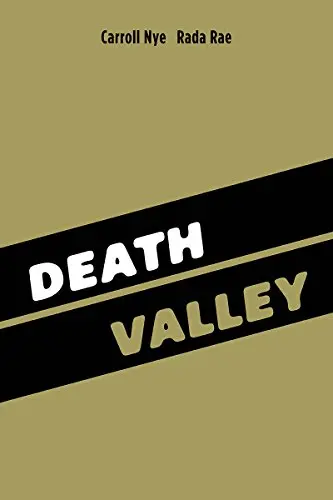
A definitive 6.1/10 rating for a film that redefined the boundaries of cult cinema. Death Valley remains a cornerstone of transgressive art.
Is Death Valley worth watching today? Short answer: yes, but with significant caveats that demand a specific kind of viewer. This film is a fascinating, if sometimes frustrating, window into early cinematic storytelling, best suited for dedicated cinephiles and historians of the Western genre, especially those with a keen interest in the foundational narratives of American cinema.
It is emphatically not for audiences seeking modern pacing, complex character arcs, or high-fidelity visuals. If you're accustomed to the slick productions of contemporary cinema, Death Valley will likely test your patience, but for those willing to engage with its historical context, there are genuine insights to be found.
This film works because of its raw, unvarnished depiction of frontier greed and the stark simplicity of its central conflict.
This film fails because of its occasionally glacial pacing and the broad, almost theatrical, strokes of its villain's portrayal.
You should watch it if you appreciate the historical significance of early Westerns and want to see the nascent stages of classic narrative archetypes.
The narrative core of Death Valley is as old as storytelling itself: the sudden acquisition of wealth and the subsequent dangers it attracts. Our young protagonist, whose name is almost secondary to his archetypal role as 'fortunate prospector,' stumbles upon a gold strike that instantly elevates him from obscurity to a target. This isn't a nuanced exploration of wealth's corrupting influence; it's a blunt instrument, a catalyst for immediate, visceral conflict. The gold isn't just a prize; it's a curse, a beacon for the malevolent.
The film presents a world where prosperity is less about comfort and more about survival. When the 'jealous, leering villain' (portrayed with a menacing simplicity that borders on caricature) enters the frame, the narrative shifts from discovery to an almost primal chase. There's no subtlety here. The villain's motives are transparent: he wants what the young man has, and he's willing to take it by force. This straightforwardness is both the film's strength and its weakness. It's easy to grasp, but it leaves little room for psychological depth, a common trait in early cinema.
One striking element is how quickly the film establishes the dangerous undercurrents of the frontier. The moment the gold is found, the atmosphere darkens. It’s a rapid transition from hope to dread, indicating that in this landscape, fortune is fleeting and often fatal. The story doesn't waste time on the joys of discovery; it immediately plunges into the consequences, setting a tense, if somewhat predictable, tone for the remainder of the runtime. This swift pivot is surprisingly effective, even if the subsequent events feel less like organic developments and more like illustrations of a moral lesson.
The cast of Death Valley, featuring names like Sam Allen, Rada Rae, Grace Lord, Raymond Wells, and Carroll Nye, operates within the stylistic confines of early 20th-century acting. This means broad gestures, pronounced facial expressions, and a theatricality that can feel jarring to modern eyes. Yet, within this context, some performances manage to convey a surprising degree of conviction.
Sam Allen, as the fortunate young man, embodies a kind of earnest innocence that makes his sudden predicament feel genuinely unfair. His reactions to the unfolding threats are often understated for the period, lending him a relatability that anchors the more melodramatic elements. You root for him not because he's a complex hero, but because he's a decent man caught in an impossible situation. There's a particular scene where he clutches his gold, his eyes darting, that speaks volumes about the fear of loss without a single word being uttered.
Raymond Wells, who also directed and wrote the film, takes on the role of the antagonist. His portrayal is, without question, the most memorable, if not always for the right reasons. Wells leans heavily into the 'leering villain' archetype, his sneers and menacing posture almost cartoonish by today's standards. However, it's precisely this lack of subtlety that makes him an effective, if one-dimensional, threat. He is pure, unadulterated evil, a force of nature as relentless as the desert itself. His presence, though often over-the-top, creates a palpable sense of dread that propels the narrative forward.
Rada Rae and Grace Lord, likely playing supporting female roles often relegated to damsels in distress or moral anchors in films of this era, provide necessary emotional texture. While their characters might lack agency by today's standards, their reactions and vulnerabilities serve to heighten the stakes for the male protagonists. Carroll Nye, another supporting player, fills out the ensemble, contributing to the overall period feel without necessarily leaving a lasting impression. The acting here is a product of its time, but it still manages to communicate the film's core emotions effectively, even if the delivery sometimes feels like a stage play captured on celluloid.
Raymond Wells, wearing multiple hats as writer, director, and actor, crafts a film that is surprisingly cohesive given the limitations of the era. His direction, while not groundbreaking, is functional and often effective in conveying the harshness of the setting and the immediacy of the threat. Wells understands the power of the vast, empty landscape, using it not just as a backdrop but as an active participant in the drama.
The pacing of Death Valley is deliberate, which can be a double-edged sword. On one hand, it allows moments of tension to build slowly, letting the audience feel the isolation and the creeping dread. On the other, it occasionally verges on sluggishness, particularly in scenes that rely more on exposition or reaction shots than on action. There are sequences that linger perhaps a beat too long, testing the patience of modern viewers accustomed to rapid-fire editing.
Wells's use of space is particularly noteworthy. He frequently employs long shots that emphasize the smallness of the human figures against the immense desert, a visual metaphor for their vulnerability. Consider the scene where the villain first spies the young man's discovery from a distance; the vastness separating them only serves to amplify the impending intrusion. This visual strategy effectively communicates the stakes without needing dialogue.
The tone is consistently grim, punctuated by moments of desperate hope. Wells maintains a sense of foreboding throughout, reinforcing the idea that the frontier is a place where good fortune can quickly turn sour. While not as refined as later Westerns like North of 36, there's a raw authenticity to the atmosphere he creates, a palpable sense of danger lurking just beyond the frame.
The cinematography of Death Valley, while rudimentary by contemporary standards, effectively captures the stark beauty and inherent danger of its namesake. The film revels in wide-open vistas, showcasing the desolate, sun-baked terrain that both defines and threatens its characters. This isn't just a location; it's a character in itself, an omnipresent force that dictates the terms of survival.
The use of natural light is a particular highlight, lending an authenticity to the outdoor scenes that even elaborate studio sets struggled to replicate. Shadows are deep and stark, accentuating the rugged features of the landscape and the weathered faces of the actors. There's a scene, early on, where the young prospector is shown panning for gold under the relentless sun; the sweat on his brow and the shimmering heat haze are remarkably conveyed, pulling the viewer into his arduous reality.
Compared to other films of its era, such as the more dramatic interior shots of Anna Karenina (1920), Death Valley opts for an expansive, almost documentary-like approach to its exteriors. This choice grounds the fantastical element of finding gold in a very real, very harsh world. The camera doesn't shy away from the barrenness; it embraces it, making the landscape feel both awe-inspiring and terrifying. This visual honesty is one of the film's strongest suits, allowing the setting to tell a significant part of the story.
The visual composition, while lacking the dynamic camera movements of later eras, is often thoughtful. Wells frequently frames characters against the horizon, emphasizing their isolation. This simple technique, repeated throughout, underscores the theme of man versus nature, or perhaps more accurately, man versus the vast indifference of nature. It’s a powerful, if unsophisticated, visual language that speaks directly to the core conflicts of the narrative.
For those with a deep appreciation for silent film and early Westerns, absolutely, yes. It offers a valuable glimpse into the foundational elements of a genre. It showcases the raw storytelling techniques that paved the way for more sophisticated narratives.
However, for casual viewers, it's a tough sell. The pacing is slow by modern standards. The acting styles are dated. The plot is exceedingly simple. It's a historical artifact, not a popcorn flick. Expect to engage with it academically. Don't expect a thrill ride.
My most unconventional observation about Death Valley is how effectively it weaponizes silence. In an era without synchronized sound, the film manages to convey the oppressive quiet of the desert, making the occasional, jarring sound effect (like a gunshot or a horse's whinny) feel incredibly impactful. It proves that sound design isn't just about what you hear, but what you *don't* hear. This amplifies the isolation and the suddenness of violence in a way that modern films often struggle to replicate amidst constant noise.
Conversely, the most obvious, yet enduring, aspect is its portrayal of greed. It’s so blatant, so uncomplicated, that it almost feels refreshing in its purity. The villain isn't motivated by complex psychological trauma or societal injustice; he just wants the gold. That's it. It’s a brutally simple motivation. But it’s flawed in its lack of nuance. This unadorned avarice serves as a stark reminder of humanity's most base desires, stripped bare of any pretense.
I firmly believe that the film's greatest strength lies in its unintentional realism regarding the sheer physical toll of life in the desert. While the plot has melodramatic flourishes, the sweat, the dust, the endless vistas – they feel authentic. It’s a testament to the filmmakers' willingness to shoot on location, capturing a harsh beauty that no backlot could replicate. This commitment to setting elevates it beyond a mere pulp narrative, giving it a surprising, almost documentary-like quality in its depiction of the environment. It works. But it’s flawed.
Death Valley is a film that demands to be viewed through a specific lens: that of a historical artifact and an early blueprint for the Western genre. It's not a hidden gem that will surprise you with its timeless brilliance, nor is it a forgotten masterpiece. Instead, it’s a foundational text, a testament to the nascent power of cinema to tell a compelling story, even with limited tools and a nascent understanding of narrative subtlety. Its strengths lie in its raw authenticity of setting and its unvarnished portrayal of a classic conflict.
While its pacing and acting styles might be challenging for contemporary viewers, the film offers invaluable insights into the origins of cinematic storytelling and the enduring appeal of the gold rush narrative. For those willing to invest the time and approach it with a discerning, historically informed eye, Death Valley is a worthwhile, if not always thrilling, experience. It stands as a stark reminder of cinema's humble beginnings and the enduring power of a simple, dangerous tale told against an epic backdrop.
IMDb —
1935
Community
Log in to comment.