DbcultAccessing Vault...
Cult Review
Senior Film Conservator

Stepping back into the cinematic landscape of the early 20th century offers a unique perspective on storytelling, character development, and the societal mores that shaped narratives. Among the myriad silent films that emerged from this prolific era, Willard Mack's 1917 drama, The Woman Beneath, starring the compelling Eugenie Woodward, stands as a fascinating artifact, a poignant melodrama that grapples with themes of materialism, idealism, betrayal, and ultimately, redemption. It’s a narrative that, despite its century-old vintage, still resonates with a timeless exploration of human folly and the arduous path to self-awareness. This isn't merely a historical curiosity; it's a testament to the enduring power of visual storytelling, even without the spoken word, to convey profound emotional truths.
The film plunges us into the morally ambiguous world of Betty Fairchild, a young woman whose life choices are dictated not by the stirrings of her heart, but by the calculated pragmatism instilled by her mother. In an era where financial security was often paramount, and love a luxury, Betty is advised to marry for wealth. This societal pressure, a palpable undercurrent in many dramas of the period – one might draw parallels with the social commentaries explored in films like Vanity – frames Betty's initial, fateful decision. When Tom Connolly, a man newly enriched by his ventures out West, arrives on the scene, Betty, despite feeling no genuine affection, accepts his proposal. Her acquiescence is a cold, transactional exchange, a decision that sets the stage for a cascade of emotional turmoil and moral reckoning. Eugenie Woodward, in the titular role, must have navigated the delicate balance of conveying a character initially perceived as cold and calculating, yet possessing an underlying capacity for profound change. Her performance, stripped of dialogue, would have relied heavily on nuanced expressions and gestures, a true art form of the silent era.
Tom Connolly, portrayed likely with a blend of rugged honesty and an almost guileless optimism by Crauford Kent, embodies the antithesis of Betty's mercenary worldview. He is an idealist, a man who believes in the sanctity of love and the purity of commitment. His disillusionment upon discovering the true motive behind Betty's acceptance of his proposal is, therefore, profound and immediate. The revelation shatters his romantic illusions, leaving him wounded and betrayed, leading to his swift departure. This pivotal moment is not just a rupture in their nascent marriage but a catalyst for Betty's arduous journey of self-discovery. Stripped of the financial security she sought, and confronted with the emotional wreckage of her choices, Betty is left to contend with the consequences of her actions. It's a classic narrative arc, where adversity becomes the forge for character transformation, a theme frequently explored in the melodramas of the time, such as The Love That Lives, which also delves into the complexities of marital strife and personal growth.
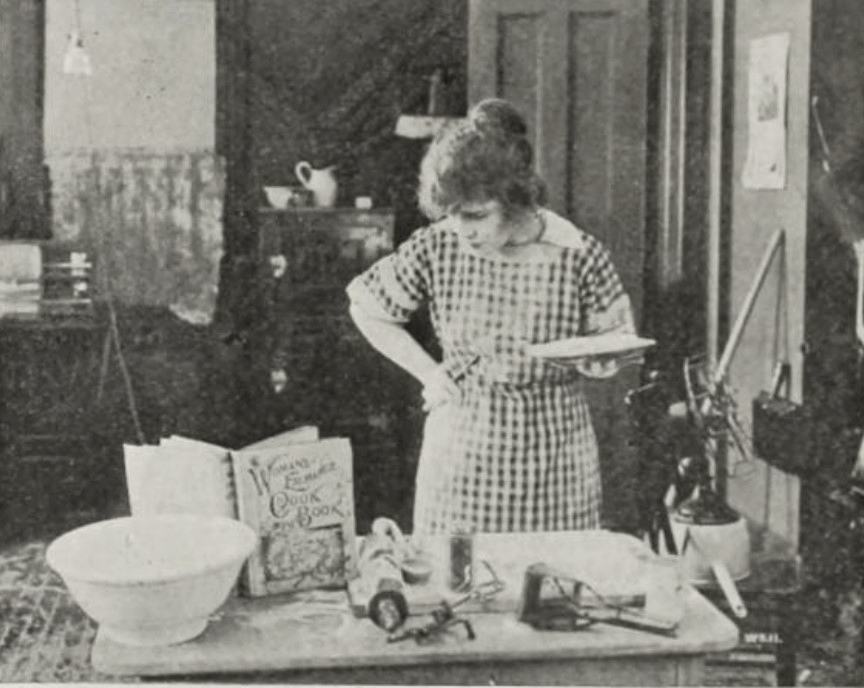
Into this emotionally charged vacuum steps Rupert Brantley, a figure of considerable wealth but utterly devoid of moral compass, brought to life by Frank DeVernon. Brantley is the quintessential cad, a predatory opportunist who sees Tom's departure as an open invitation to pursue Betty. His character serves as a stark contrast to Tom's idealism and, more importantly, as a moral foil against which Betty's burgeoning integrity can be measured. Initially, perhaps still reeling from her husband's abandonment and the collapse of her carefully constructed future, Betty might have been susceptible to Brantley's advances. However, the plot reveals a gradual but significant shift within her. As she experiences Brantley's true nature, his superficial charm giving way to an inherent unscrupulousness, Betty begins to recognize the profound error of her initial choices. This realization marks a crucial turning point: she actively repulses Brantley, signaling a rejection not just of him, but of the very values that led her to him. This internal struggle, the shedding of societal pressures and the embrace of personal conviction, is where the 'woman beneath' truly begins to surface.
The narrative escalates dramatically with the arrival of a letter from Tom's mother. In a moment of innocent oversight, Betty opens it, unaware of the explosive contents within. The letter is a desperate plea to Tom, urging him to avenge a profound family betrayal. Accompanying the plea are letters and a photograph, damning evidence that exposes Rupert Brantley as the man who cruelly wronged Tom's sister. This revelation is a masterstroke of plot construction, intertwining the personal dramas of Betty and Tom with a deeper, darker undercurrent of past injustice and the specter of vengeance. It elevates the stakes considerably, transforming a story of marital discord into a tense thriller with life-and-death consequences. The moral dilemma presented is stark: Tom, the jilted husband, is now being called upon to become a killer, driven by familial honor.
Betty's reaction to this discovery is immediate and resolute. Her initial mercenary motivations are now entirely eclipsed by a desperate desire to prevent bloodshed. She rushes to Brantley's apartment, not to protect him out of any lingering affection, but to warn him, to prevent her estranged husband from committing a heinous act that would forever stain his soul. This act of selflessness marks the culmination of her transformation. She is no longer the woman who married for money; she is a woman driven by a profound moral imperative, willing to place herself in a precarious situation to save another, even if that other is her betrayer's betrayer. This kind of selfless sacrifice, often born out of difficult circumstances, finds echoes in the emotional depth of films like Love Letters, where communication, or lack thereof, precipitates significant dramatic events.

The dramatic tension reaches its zenith when Tom, having followed Betty, misinterprets her presence at Brantley's apartment. His mind, still reeling from her earlier deception and now fueled by the sight of her with the man who wronged his family, jumps to the most painful conclusion: infidelity. He accuses her, his pain and anger palpable even without dialogue. This scene, a hallmark of silent melodrama, relies entirely on the actors' ability to convey raw emotion through facial expressions, body language, and the stark contrast of their positions. Betty, in a truly selfless act, remains silent. She understands that any attempt to explain herself in that moment, in the face of Tom's rage and misunderstanding, would only escalate the situation, potentially leading to the very fight she sought to prevent. Her silence is not an admission of guilt, but an act of profound sacrifice, a willingness to bear his false accusation to prevent further harm. This kind of noble self-restraint in the face of grave misunderstanding is a powerful narrative device, compelling audiences to empathize with her silent suffering.
The resolution, when it finally arrives, is both earned and deeply satisfying. Upon their return home, the tension still thick between them, Betty finally presents Tom with his mother's letter. The truth, stark and undeniable, is laid bare. The words and the photograph reveal Brantley's true villainy and Betty's heroic, albeit misunderstood, actions. The revelation dissolves Tom's anger and replaces it with a renewed understanding and, presumably, profound remorse for his accusations. This moment of clarity leads to their reconciliation, a union now forged not on mercenary ambition or naive idealism, but on a foundation of shared understanding, forgiveness, and a deeper, more authentic love. It’s a testament to the idea that true connection can emerge from the ashes of misunderstanding and betrayal, a narrative thread common in the romantic dramas of the era, though perhaps with a more complex journey than seen in simpler tales like Love Aflame.
The Woman Beneath, like many films of its time, relied heavily on the expressive power of its performers and the evocative use of intertitles to drive the narrative and convey internal thoughts. Directors like Willard Mack had to be masters of visual metaphor and emotional staging, ensuring that every gesture, every gaze, every movement contributed to the audience's understanding of the plot and characters' motivations. The limitations of the medium, far from being a hindrance, often fostered a heightened sense of dramatic intensity and a focus on universal human emotions that transcend time and technology. The film's exploration of themes such as the corrupting influence of wealth, the redemptive power of self-sacrifice, and the destructive nature of misunderstanding remains remarkably potent. These are not mere relics of a bygone era; they are fundamental aspects of the human condition that continue to resonate in contemporary cinema.
The film's cast, including Isabel Berwin and Curtis Cooksey in supporting roles, would have contributed to the rich tapestry of the narrative, each performance carefully calibrated to enhance the central drama. While specific details of their individual contributions might be lost to time, their collective efforts in creating a believable and emotionally charged world were crucial. The power of a silent film often lies in its ability to invite the viewer to participate more actively in the storytelling, to interpret the nuances of performance and piece together the emotional landscape. This active engagement makes films like The Woman Beneath not just historical documents, but living experiences that can still captivate and move an audience today. It’s a reminder that compelling narratives and powerful performances can transcend the technological limitations of their age, proving that the heart of cinema lies in its ability to tell a story and touch the soul.
In an age saturated with digital spectacle and rapid-fire dialogue, revisiting a film like The Woman Beneath offers a refreshing return to the foundational elements of dramatic storytelling. It serves as a valuable historical document, illustrating the burgeoning artistry of early cinema and the societal anxieties it reflected. More than that, it’s a compelling human drama that, through its intricate plot and the transformative journey of its protagonist, continues to speak to universal experiences of love, loss, and the arduous, often circuitous, path to self-discovery and true connection. The 'woman beneath' the layers of societal expectation and personal misjudgment ultimately emerges as a figure of strength and moral clarity, making this silent film a surprisingly eloquent statement on human resilience and the enduring power of truth.
IMDb —
1917
Community
Log in to comment.