DbcultAccessing Vault...
Cult Review
Senior Film Conservator
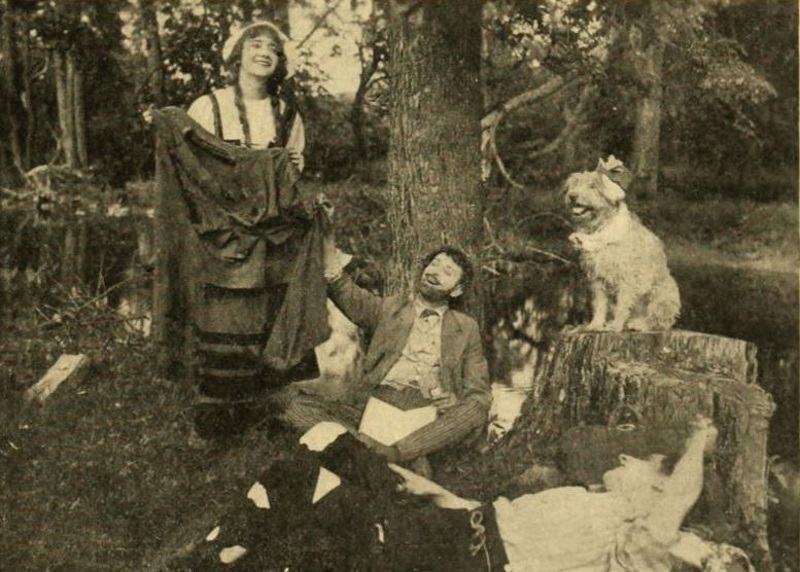
There are cinematic experiences that merely entertain, and then there are those that resonate deeply, echoing the timeless struggles of the human spirit. George B. Seitz's 1915 silent film, The Beloved Vagabond, adapted from William J. Locke's celebrated novel, unequivocally belongs to the latter category. It is a profound meditation on sacrifice, the corrosive nature of deceit, and the arduous, often circuitous, path to self-discovery and an unconventional happiness. In an era when cinema was still finding its voice, this picture speaks volumes through its powerful narrative, compelling performances, and the evocative visual storytelling characteristic of the period.
At its core, The Beloved Vagabond presents us with Gaston De Nerac, portrayed with a poignant earnestness by Stephen Grattan. Gaston is a man of immense talent and integrity, a brilliant architect whose future in polite society seems assured, particularly through his impending marriage to his cousin, Joanna Rushworth (Florence Deshon). Their union promises stability, love, and the continuation of a respectable lineage. However, this idyllic vision is swiftly shattered by the precarious financial state of Joanna’s father. In a moment of profound selflessness, Gaston makes a choice that will irrevocably alter the course of his life and those around him. He seeks to secure the necessary funds, not through conventional means, but by striking a perilous deal with a rival suitor, a man whose intentions are anything but noble. This antagonist, a master of manipulation, agrees to provide the financial lifeline, but with a cruel stipulation: Gaston must postpone his marriage for two years and, crucially, sever all communication with Joanna during this period. It is a Faustian bargain, trading immediate happiness and transparency for the perceived greater good of protecting Joanna’s family from financial ruin. The silence, however, is misconstrued, a weapon in the hands of the jealous suitor.
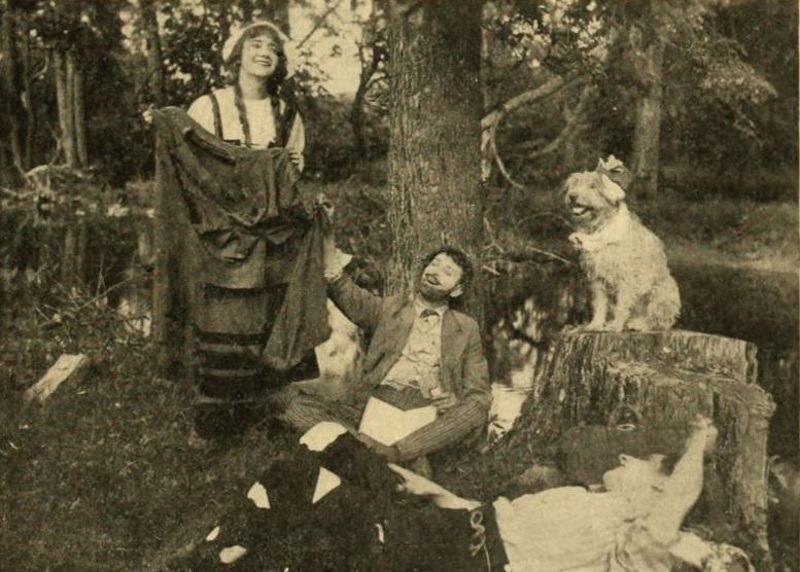
The tragic irony unfolds as the rival suitor, having secured Gaston’s silence, proceeds to poison Joanna’s mind. He spins a treacherous tale, painting Gaston as a mercenary who bartered her love and their future for mere coin. This deception, a cruel twist of fate, devastates Joanna, leading her to believe that the man she loved was capable of such a profound betrayal. In her heartbreak and disillusionment, she succumbs to the suitor’s persistent advances, eventually marrying him. The news of Joanna’s marriage reaches Gaston like a thunderclap, shattering his carefully constructed world and obliterating the noble sacrifice he had made. The sheer injustice of it all, the utter futility of his suffering, drives him to a precipice. He sheds his former identity, his respectable life, and his very name. From the ashes of Gaston De Nerac emerges Paragot, a figure of reckless abandon and cynical detachment. This transformation is not merely a change of moniker; it is a complete metamorphosis of spirit, a deliberate rejection of the societal conventions that had, in his eyes, betrayed him so profoundly. He becomes a traveling musician, a vagabond, embracing a life of rootless freedom and artistic expression, albeit one born from immense pain.
Paragot’s journey takes him through the grimy, bustling streets of the London slums, a stark contrast to the refined circles he once inhabited. Here, he encounters Asticot, a ragamuffin, a street urchin whose resilience and innate charm mirror, in a twisted way, Paragot’s own newfound defiance. Their bond forms quickly, a testament to the shared understanding found among those cast aside by society. Their wanderings lead them across the picturesque landscapes of France, a cinematic journey that visually reinforces their detachment from the rigid social structures of England. The film beautifully captures the essence of their itinerant life, the freedom of the open road, and the unexpected joys found in simple existence. This journey of self-imposed exile and discovery finds another companion in Blanquette, an itinerant singer, whom Paragot adopts after her aged partner passes away. Blanquette, portrayed with a gentle strength, brings a different kind of warmth and stability to Paragot’s life, forming an unconventional but deeply loving family. This trio – the jaded intellectual, the street-smart child, and the soulful singer – embodies a profound alternative to the traditional family unit, a testament to the idea that kinship can be forged through shared experiences and mutual affection, rather than mere bloodlines or societal dictates. The depiction of their camaraderie and artistic partnership is one of the film’s most enduring strengths, reminiscent of the found families in stories like Les Misérables, Part 2: Fantine, where hardship often forces individuals into new, unexpected bonds.
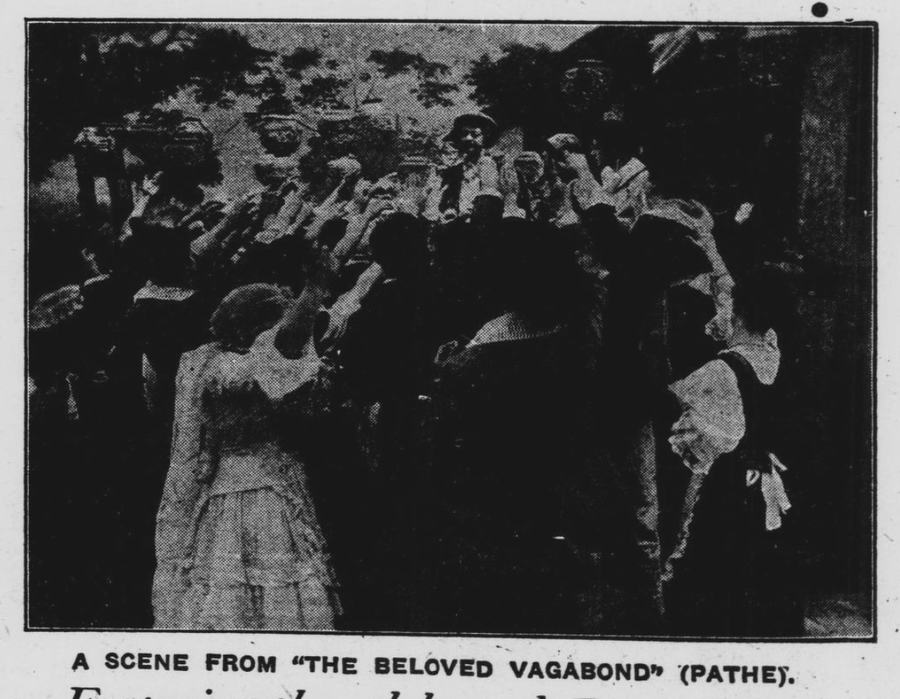
Years pass, marked by countless performances at humble village gatherings, their music a soundtrack to the lives of ordinary people. It is at one such peasant wedding, a scene imbued with rustic charm and communal joy, that the threads of fate intertwine once more. Paragot, performing with Asticot and Blanquette, comes face to face with Joanna. The encounter is charged with unspoken history, a collision of two vastly different worlds. Joanna, by now, has uncovered the truth about Gaston’s noble sacrifice and the malicious deception perpetrated by her husband. Her heart, once broken by perceived betrayal, now aches with regret and a renewed understanding of Gaston’s profound love. The silent film format, in moments like these, relies heavily on the actors’ expressions and gestures, and Florence Deshon conveys Joanna’s remorse and longing with palpable intensity. The revelation of truth, however, does not immediately mend the chasm that years of separate lives have created. Just as a flicker of hope for their reunion ignites, another tragedy strikes: Joanna’s husband is killed in the street, an abrupt and violent end that clears the path for her and Paragot to finally, legitimately, consider a future together. It seems as though destiny, having played its cruel hand, is now offering a chance at redemption and a return to the life they were meant to share.
Yet, the ending of The Beloved Vagabond is far from a conventional happily-ever-after. It is, in fact, its most audacious and deeply philosophical statement. Despite the path being clear for him to marry Joanna and reclaim a life of respectability, Gaston, now truly Paragot, finds himself unable to adjust to societal conventions. The years of freedom, of living by his own rules, of finding genuine connection outside the rigid structures of polite society, have fundamentally transformed him. He is no longer the man who could simply step back into a gilded cage, no matter how lovingly furnished. His spirit, once broken, has been reforged in the fires of independence and authenticity. The very notion of returning to a life defined by expectations and social niceties feels alien, a betrayal of the man he has become. In a powerful and deeply moving decision, Paragot chooses to marry Blanquette instead. This choice is not a rejection of Joanna, or of the love they once shared, but rather an affirmation of his evolved self. It is a declaration that true happiness, for him, lies not in reclaiming a lost past, but in embracing the present and the genuine, unpretentious bonds he has forged on the open road. This resonates with the spirit of individual freedom explored in other works, perhaps even hinting at the rejection of societal norms seen in narratives like As You Like It, where characters find their true selves in exile. The film thus challenges the audience to consider what truly constitutes a 'happy ending' – is it adhering to societal expectations, or finding peace and authenticity on one's own terms?
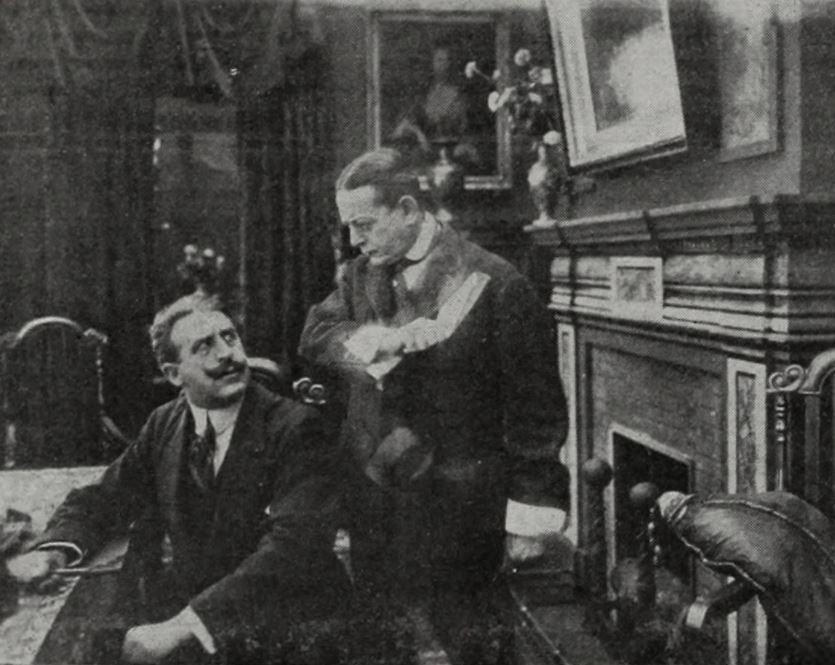
The performances in The Beloved Vagabond are crucial to its enduring power. Stephen Grattan, as Gaston/Paragot, delivers a nuanced portrayal of a man undergoing profound internal and external shifts. His transition from the earnest architect to the cynical, yet ultimately contented, vagabond is conveyed with remarkable subtlety through his posture, gaze, and facial expressions – a testament to the demands of silent acting. Edwin Arden, Eric Mayne, and Doc Crane provide solid support, grounding the narrative in a believable world, while Bliss Milford, Boris Korlin, Kathryn Browne-Decker, and Mathilde Brundage contribute to the rich tapestry of characters encountered on Paragot’s journey. Florence Deshon, as Joanna, skillfully navigates her character’s arc from hopeful fiancée to heartbroken wife, and eventually, to a woman burdened by regret and longing. Her silent anguish and eventual understanding are palpable, drawing the audience into her emotional turmoil.
George B. Seitz’s direction, alongside the script by William J. Locke and Seitz himself, demonstrates a keen understanding of visual storytelling. The film effectively uses contrasts – the opulence of London society versus the squalor of its slums, the structured life versus the freedom of the open road – to highlight Paragot’s journey. The cinematography, though rudimentary by today’s standards, captures the mood and atmosphere of each setting, from the bustling cityscapes to the serene French countryside. The pacing is deliberate, allowing the emotional beats of the story to resonate without feeling rushed. It's a masterclass in how to build character and plot through visual cues and the sheer expressive power of the actors, a challenge that films like The Pursuit of the Phantom or Gambler's Gold from the same era also grappled with, often with varying degrees of success in conveying complex emotional landscapes.
Thematically, The Beloved Vagabond explores profound questions about identity, freedom, and the true cost of societal conformity. Gaston’s initial sacrifice, while noble, stems from a desire to uphold the conventions of his class and protect his loved ones within that framework. His transformation into Paragot is a radical act of liberation, a shedding of the very chains that once bound him to a predetermined path. The film suggests that true happiness might not be found in the accumulation of wealth or social standing, but in the freedom to live authentically, even if that means embracing a life outside the norm. This narrative arc resonates powerfully, even a century later, as individuals continue to grapple with the pressures of conformity versus the yearning for self-expression. The contrast between Joanna’s life, constrained by societal expectations and a marriage born of deception, and Paragot’s unburdened existence, highlights the film’s central philosophical inquiry: what is the true measure of a well-lived life? The ending, where Paragot deliberately chooses Blanquette and the open road over a return to his former life with Joanna, is not a tragedy but a powerful affirmation of his evolved self. It's a defiant stand against the notion that one must always revert to convention, even when given the opportunity. This subversion of typical romantic endings makes the film particularly compelling, differentiating it from more straightforward romances of the era like A Butterfly on the Wheel, which often concluded with the restoration of societal order.
While a product of its time, The Beloved Vagabond transcends its historical context through its universal themes. It speaks to anyone who has felt the pull between duty and desire, between a prescribed life and the longing for something more authentic. The film’s ability to convey such complex emotional arcs without spoken dialogue is a testament to the artistry of silent cinema and the enduring power of visual storytelling. It invites us to reflect on our own choices, the compromises we make, and the paths we forge in pursuit of happiness. In a world that often values stability and conformity above all else, the story of Paragot remains a potent reminder of the courage it takes to live an unconventional life, to follow the dictates of one’s own heart, even if it leads down a less-traveled road. It's a narrative that, much like the vagabond himself, continues to wander through the collective consciousness, picking up new admirers with each passing generation. For those interested in the evolution of early cinema and character-driven narratives, this film stands as a significant marker, offering a glimpse into the sophisticated storytelling capabilities of the silent era, perhaps even more introspective than contemporaries like The Reckoning or Atop of the World in Motion.
Ultimately, The Beloved Vagabond is more than just a historical artifact; it is a timeless narrative that probes the very essence of human experience. It asks us to consider the nature of love, the weight of sacrifice, and the ultimate meaning of freedom. Its final image, of Paragot choosing the simple, authentic companionship of Blanquette over the grand, but ultimately constraining, love of Joanna, is a powerful and enduring statement. It's a film that leaves you pondering long after the credits roll, a true gem from the silent era that deserves to be rediscovered and appreciated for its profound insights into the human heart and its restless yearning for a life truly lived.
IMDb —
1920
Community
Log in to comment.